The best glasses for an oval face balance your features with frames that match your width, shape, and personal style.
An oval face has balanced proportions, a gently curved jaw, and cheekbones that are often slightly wider than the forehead and chin. That natural balance gives you many frame choices, but the best results come from matching the frame width, bridge fit, and lens shape to your face. This guide explains what glasses fit an oval face, which styles to try, and which common fit mistakes to avoid.
Understanding an Oval Face Shape
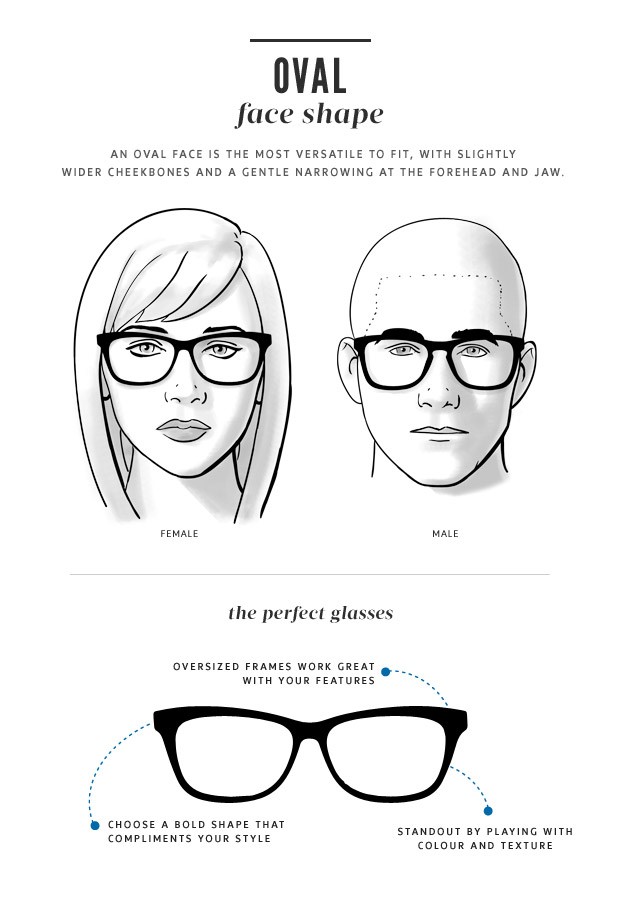
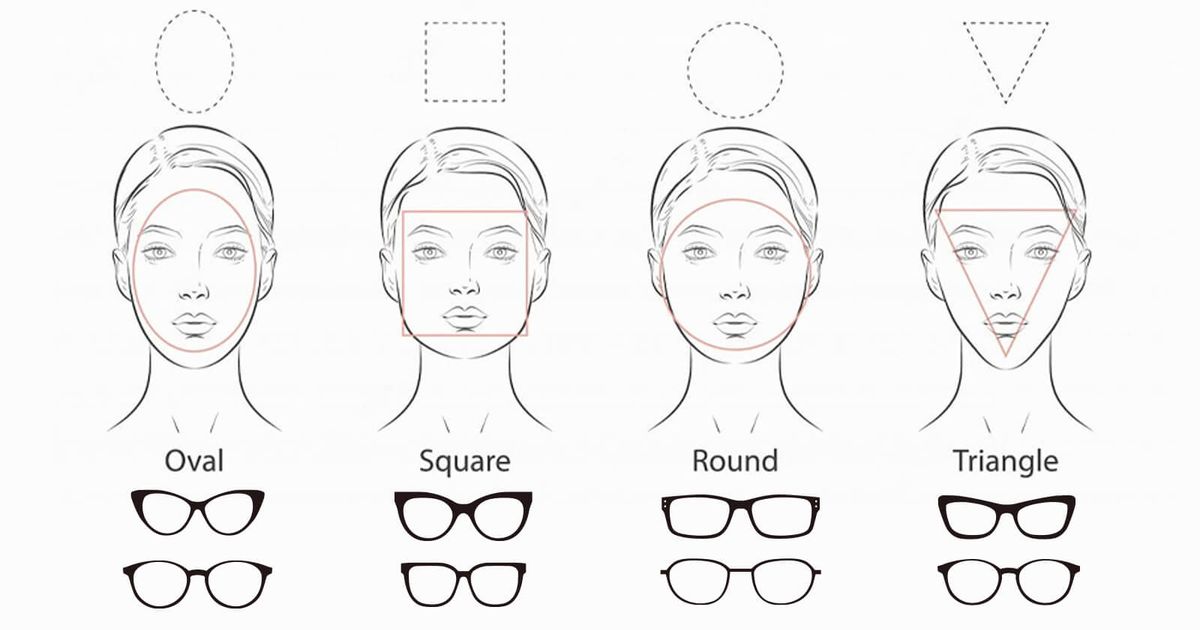
An oval face is usually longer than it is wide. The forehead may be a little wider than the chin, while the jawline stays soft rather than sharp. The cheekbones often form the widest part of the face.
Still, no two oval faces are exactly alike. Some are long and narrow, while others are short and wide. Your face may also have a strong brow, a low bridge, or high cheekbones. These details matter when choosing glasses.
A simple way to check your face shape is to look straight into a mirror with your hair pulled back. Compare the width of your forehead, cheekbones, and jaw. Then look at the length of your face from the hairline to the chin.
An oval face often has:
• A face length greater than its width
• Gently rounded sides
• Cheekbones that are slightly wider than the forehead or jaw
• A rounded or softly curved chin
• Balanced features without one area appearing much wider than another
Face shape is a helpful guide, not a strict rule. Comfort, vision needs, and your style should always come first.
What Glasses Fit an Oval Face Best?
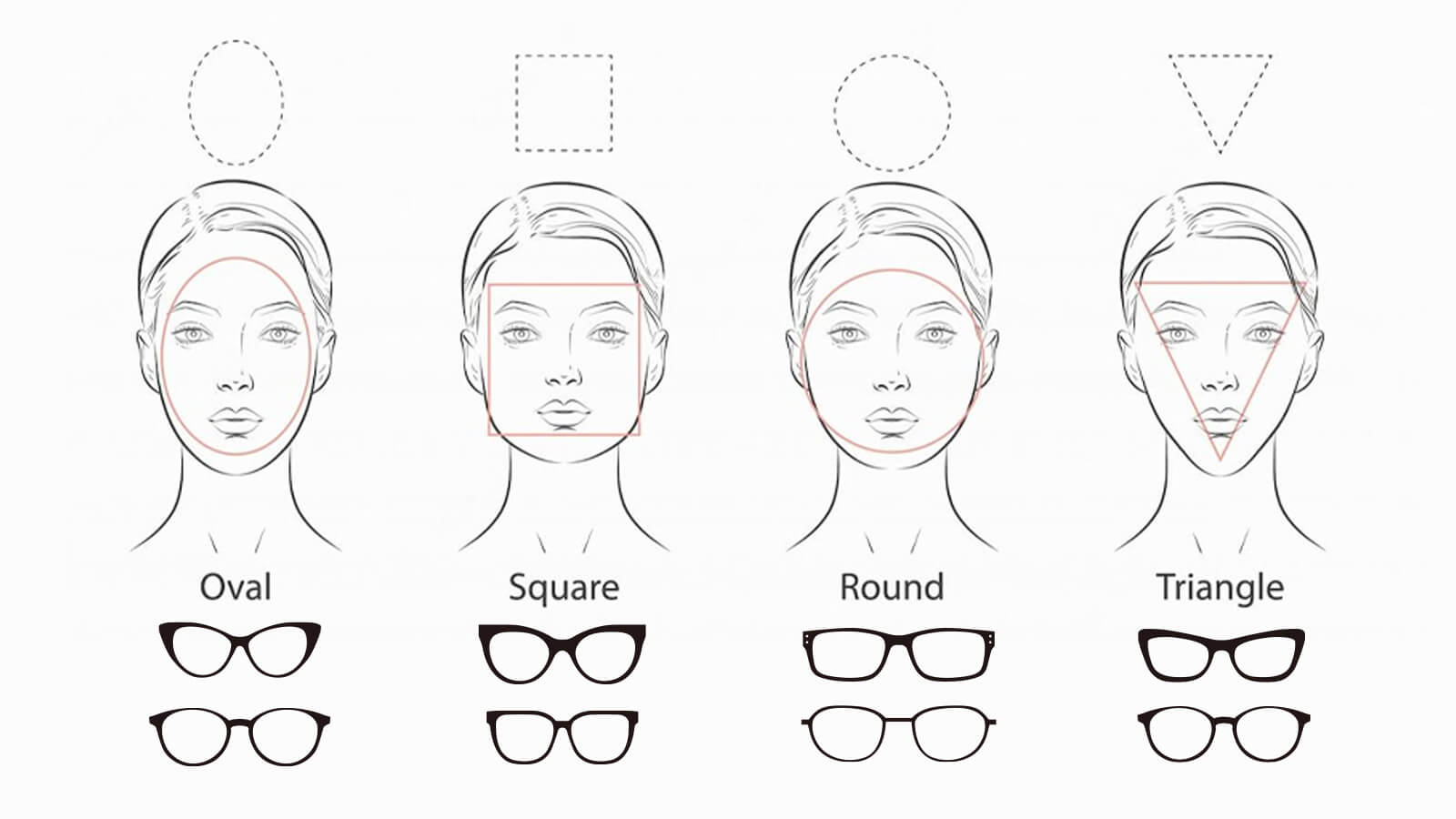
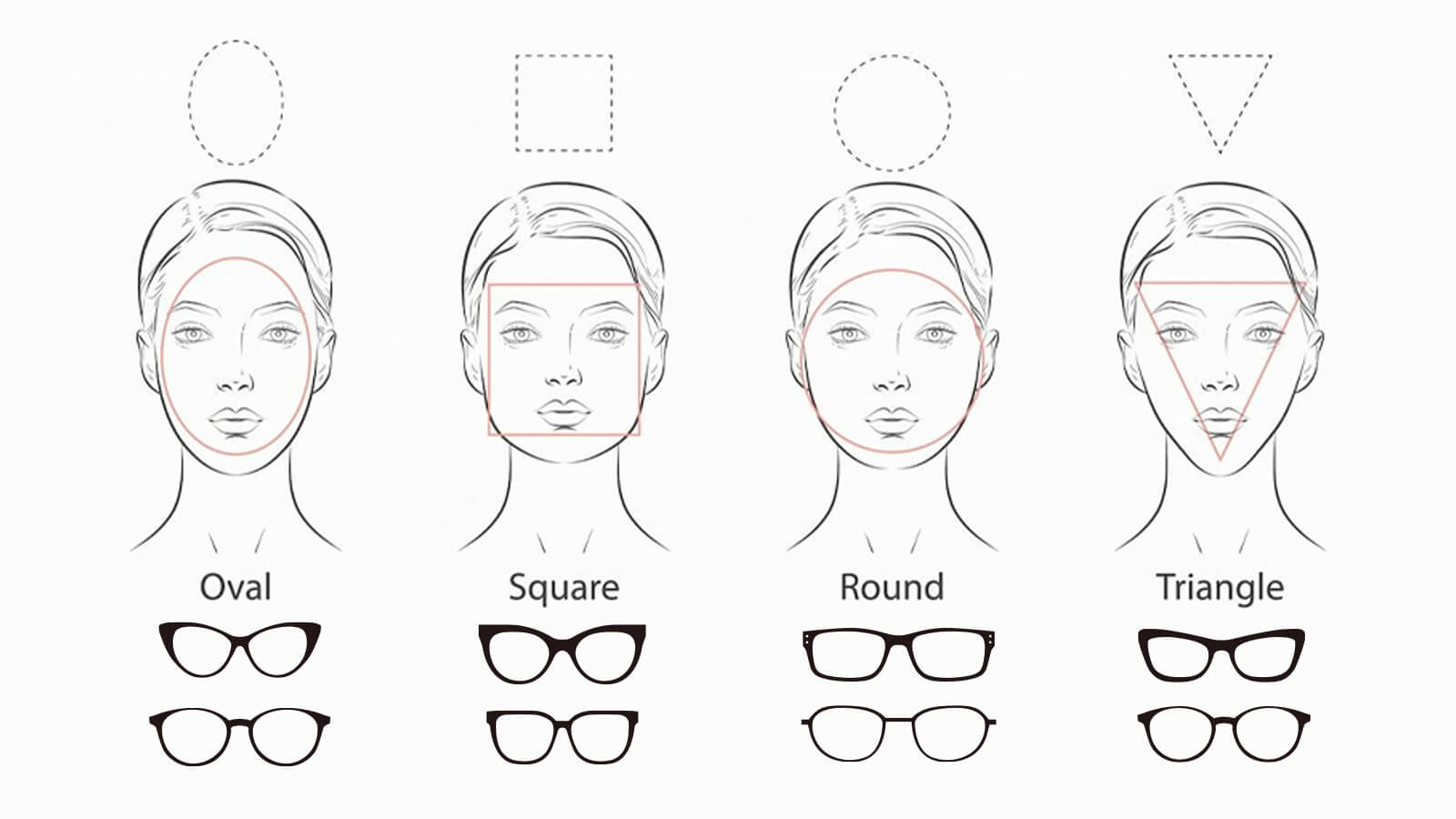
Most frame shapes work well with an oval face because the proportions are already balanced. The strongest choices add structure without making the face look too long or too soft.
When people ask what glasses fit an oval face, I usually suggest starting with frames that are as wide as, or slightly wider than, the broadest part of the face. This creates a clean outline and helps the glasses look intentional.
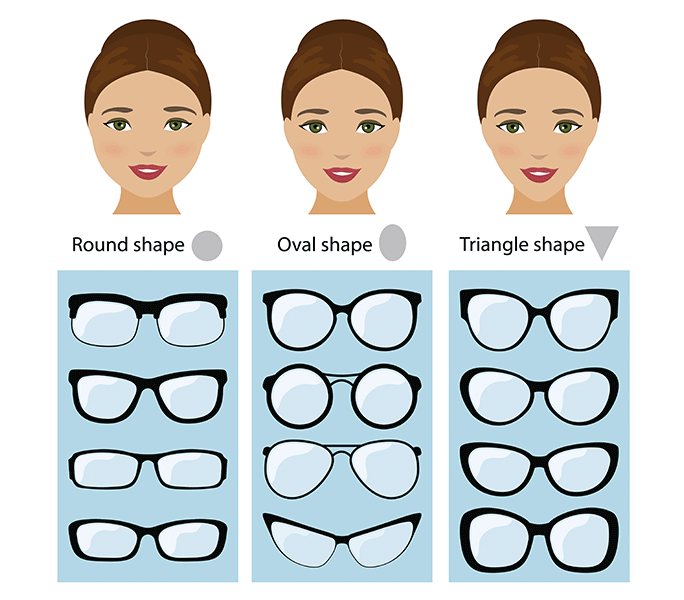
The best frame styles include:
• Rectangular glasses that add clear angles
• Square glasses that give the face more structure
• Wayfarer frames that offer a classic, balanced look
• Browline frames that draw attention to the upper face
• Cat-eye frames that lift the eyes and add personality
• Geometric glasses for a modern, bold appearance
• Round frames for a softer, artistic style
• Aviator glasses when the frame size is carefully fitted
Rectangular and square frames are often the easiest starting points. Their straight lines contrast with the gentle curves of an oval face. This contrast can make your features look sharper without overwhelming them.
Round frames can also look excellent. They create a softer, more relaxed appearance. Choose a frame with enough width so your face does not look longer than it is.
The answer to what glasses fit an oval face depends on the look you want. Angular frames create contrast. Rounded frames create harmony. Both can work when the size is right.
Best Frame Shapes for an Oval Face
Rectangular Glasses
Rectangular frames are a reliable choice for an oval face. Their horizontal lines can make the face appear slightly shorter and more defined.
They work well for professional settings because they look neat and polished. Black, tortoiseshell, dark brown, and clear gray are easy colors to wear every day.
Avoid frames that are too narrow. A narrow rectangle may make a long oval face look even longer.
Square Glasses
Square frames add strong edges to soft facial lines. They can make your cheekbones and jaw look more defined.
Square glasses suit both men and women and come in many materials. Thick acetate can create a bold look, while thin metal gives a lighter, more modern feel.
If your features are small, choose a medium-size square frame. Oversized square glasses may hide your eyebrows or make your eyes look too small.
Cat-Eye Glasses
Cat-eye frames are a stylish answer to what glasses fit an oval face. Their lifted outer corners draw the eye upward and can highlight the cheekbones.
A soft cat-eye works well for daily wear. A sharp, dramatic cat-eye creates a stronger fashion statement.
Pay attention to the outer corners. They should not extend so far that they touch your hair or sit beyond the natural width of your face.
Browline Glasses
Browline frames place visual weight along the upper edge of the glasses. This can highlight the brow and balance a longer face.
They are useful if you want a classic look with a little more structure. Browline glasses also work well when you want your eyes to stand out without wearing a heavy full frame.
Round Glasses
Round glasses soften an oval face and create a creative, friendly appearance. They are especially popular with people who like vintage, minimalist, or artsy styles.
The key is proportion. Choose round lenses that are not too small. Tiny round glasses may make the face appear longer and can look out of balance.
Geometric Glasses
Hexagonal, octagonal, and softly angled frames can make an oval face look fresh and modern. These shapes add interest while keeping the natural balance of the face.
If you are new to bold frames, try a thin metal geometric style. It gives you shape without adding too much visual weight.
How to Choose the Right Glasses Size
Frame size often matters more than frame shape. Even the best frame style can look wrong if it is too wide, too narrow, too high, or too low.
Look for three numbers printed inside the temple of your glasses. They usually show lens width, bridge width, and temple length. For example, 52-18-140 means a 52-millimeter lens, an 18-millimeter bridge, and a 140-millimeter temple.
Use your current glasses as a starting point. If they fit well, choose a new frame with similar measurements.
Check these fit points:
• The frame should stay close to the sides of your face without pressing
• Your eyes should sit near the center of each lens
• The frame should not rest on your cheeks
• Your eyebrows may show above the frame, unless you choose a fashion style that covers them
• The bridge should sit securely without sliding
• The temples should reach your ears without squeezing
• The frame should not extend far beyond your face
For many oval faces, a medium or slightly wide frame works well. A face with a narrow width may need a smaller frame, while a wider oval face may look better in a larger frame.
If the frame slips, do not assume the size is wrong right away. Nose pads, temple adjustments, or a professional fitting may solve the issue.
Choosing Glasses Based on Your Face Proportions
Long Oval Faces
A long oval face benefits from frames that add width and visual height. Medium-to-large lenses can help the face look more balanced.
Good choices include:
• Wide rectangular frames
• Square glasses
• Oversized acetate frames
• Browline glasses
• Decorative temples
• Deep lenses with a strong top line
Avoid very narrow lenses and thin vertical shapes. They may add more length to the face.
Short Oval Faces
A shorter oval face may look best with frames that add a little length. Taller lenses and medium-width frames can create a more open appearance.
Try:
• Soft square frames
• Medium-height cat-eye frames
• Slightly taller rectangular glasses
• Light-colored or rimless frames
Do not choose frames that are so large that they cover most of the face. The goal is balance, not disguise.
Wide Oval Faces
If your oval face is wider, choose frames that follow the width of your cheekbones. Medium-wide or wide glasses often provide the best fit.
Angular designs can add definition. Darker colors can also create a clear outline, while lighter frames produce a softer effect.
Narrow Oval Faces
Narrow faces often need smaller frame widths and shorter temple lengths. Look for frames that sit securely without extending too far past the sides of your face.
Thin metal, translucent acetate, and smaller rectangular shapes can look especially natural.
Best Glasses Colors for an Oval Face
Color changes how large or bold a frame appears. It can also bring out your skin tone, hair color, and eyes.
Classic colors include:
• Black for a crisp, strong look
• Tortoiseshell for warmth and texture
• Brown for a softer alternative to black
• Clear acetate for a light, modern effect
• Gold or silver metal for a refined style
• Navy or green for subtle color
• Burgundy or amber for a warmer fashion look
If your features are delicate, very thick black frames may feel heavy. Try clear, brown, gold, or thin metal frames instead.
If your features are strong, a bold color or thicker frame can create a balanced appearance. However, the frame should still fit comfortably and leave your eyes visible.
Skin undertone can help guide color choice. Warm undertones often suit gold, brown, amber, and olive. Cool undertones may suit silver, black, blue, and gray. Neutral undertones can usually wear both warm and cool shades.

Glasses to Avoid or Approach Carefully
There are no absolute rules about glasses for an oval face. Still, some styles can create less balance when their size or shape is not right.
Be careful with:
• Very narrow frames that make the face appear longer
• Extra-large frames that cover the eyebrows and cheeks
• Very small round glasses that look lost on the face
• Frames that sit low and rest on the cheeks
• Frames wider than the face by a large amount
• Heavy designs that hide your natural features
The issue is usually not the frame shape. It is the proportion.
For example, a very wide cat-eye may look excellent on one oval face but too dramatic on another. A round frame may look stylish when it is medium-sized but awkward when it is tiny.
Try the glasses from the front and side. Smile, move your head, and look down. Good glasses should stay in place during normal movement.

Prescription and Lifestyle Considerations
Your prescription can affect which frames work best. Strong prescriptions may need thicker lenses, so smaller or medium-size frames can reduce lens thickness and weight.
High prescriptions may also benefit from high-index lenses. An optician can recommend the right lens material based on your prescription and frame choice.
Your daily activities matter too.
• For screen use, ask about anti-reflective coating
• For outdoor use, consider polarized sunglasses
• For active work, choose durable plastic or flexible materials
• For long wear, focus on light weight and a stable bridge
• For progressive lenses, choose frames with enough lens height
• For children or active adults, consider flexible hinges and impact-resistant lenses
Progressive lenses need enough vertical space for distance, intermediate, and near vision. A very shallow fashion frame may not be suitable, even if it looks attractive.
An eye care professional should confirm your prescription and measure your pupillary distance. Online frame tools can help, but they may not replace an in-person fitting.