The best women’s running shoes for IT band syndrome offer stable support, soft cushioning, and a comfortable fit.
A sore outer knee can turn an easy run into a frustrating walk home. The right shoes may help reduce stress from poor fit, worn foam, or unstable foot motion, but they cannot cure IT band syndrome on their own. I reviewed the supplied Amazon products with that point in mind. One is an ankle support brace that may help some runners, while the other is a music album and has no role in running or injury support. I also explain what to look for when shopping for the best women's running shoes for IT band syndrome.
See the differences between my top picks at a glance.
| Product | Product type | Useful for running? | Best use | Main limitation | Amazon |
|---|---|---|---|---|---|
| 2 Pack Ankle Support Brace | Ankle support | Possibly, as an accessory | Light ankle compression and support | Not a running shoe; does not treat IT band pain | View on Amazon |
| Hillsong Worship: Open Heaven | Music album | No | Music listening | Not footwear or support gear | View on Amazon |
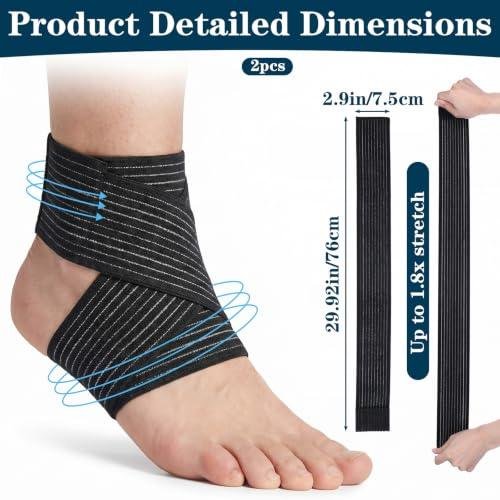
2 Pack Ankle Support Brace

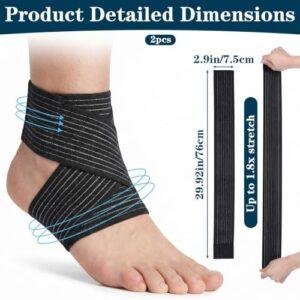
This two-pack ankle support brace uses an elastic wrap design for light compression around the ankle and foot. The product listing presents it as breathable and adjustable, with a shape made to fit inside shoes. That may appeal to runners who want extra ankle awareness without wearing a bulky brace. Still, an ankle wrap is not one of the best women’s running shoes for IT band syndrome, and it should not replace proper footwear.
I see this item as a support accessory, not a treatment. A snug wrap may feel useful when ankle movement or mild instability affects confidence, but tight compression can also cause numbness, tingling, or skin irritation. IT band pain usually occurs on the outside of the knee and may involve training load, hip strength, running form, or repeated leg motion. I would use this brace only if a health professional agrees that ankle support fits the runner’s needs.
Pros:
- Comes as a two-pack for use on both ankles or as a spare
- Adjustable wrap design may allow a more personal fit
- Light fabric profile should fit more easily inside many shoes than a rigid brace
- Breathable construction may feel better during short workouts
- May provide gentle compression and added ankle awareness
- Can suit gym sessions, walking, and some low-impact activities
Cons:
- It is not a running shoe and cannot provide midsole cushioning
- It does not directly treat the iliotibial band or outer-knee pain
- A poor fit may bunch, slip, or feel too tight inside a shoe
- Compression products may not suit people with certain circulation concerns
What Amazon Buyers Are Saying
The supplied product information supports claims about an adjustable, breathable ankle wrap, but it does not provide a verified review sample that I can safely summarize here. I will not invent buyer experiences or assign praise to customers I cannot confirm. Before buying, I suggest reading recent Amazon reviews for comments about sizing, slipping, fabric comfort, washing, and whether the brace fits inside a running shoe.
Pay close attention to reviews from buyers who mention their shoe type and activity. A wrap that works for walking may feel too warm during a long run. Also check for repeated reports of fraying, weak fasteners, or pressure over the top of the foot. Those details matter more than a single five-star rating.
My Recommendation
I would consider this brace only as a low-cost add-on for light ankle support. It may help a runner who has a clear ankle support need, but it is not a substitute for the best women’s running shoes for IT band syndrome. If your pain is at the outer knee, get the cause checked rather than assuming an ankle wrap will solve it. Overall, I rate it 3.2 out of 5 as an accessory for runners, not as footwear.
| Category | Rating |
|---|---|
| Fit adjustability | 3.5/5 |
| Breathability | 3.5/5 |
| Running compatibility | 3/5 |
| IT band suitability | 2.5/5 |
| Value | 3.5/5 |
| Overall Rating | 3.2/5 |
Hillsong Worship – Open Heaven River Wild Live 2015

This product is a Hillsong Worship live music release. It is not a shoe, insole, brace, or other running aid. For that reason, it cannot provide cushioning, heel stability, motion control, or any other feature that runners need when they compare the best women’s running shoes for IT band syndrome. I am including it because it appeared in the supplied product list, but it does not belong in a footwear buying guide.
Music may help create a pleasant routine, such as during stretching or a cool-down, but it does not correct the mechanical factors linked with overuse pain. It also cannot tell you whether your shoes fit well or whether your training load is too high. If you reached this page hoping to buy running shoes, I would skip this product and focus your budget on properly fitted footwear and a sensible return policy.
Pros:
- Relevant to listeners who enjoy live worship music
- May suit personal listening during rest or recovery time
- Could support a relaxing pre-run or post-run routine
- Easy to separate from running equipment when shopping by product type
- Does not add bulk or weight to a running shoe because it is not worn
Cons:
- It is not footwear
- It offers no cushioning or support for the foot, ankle, knee, or hip
- It cannot reduce or treat IT band symptoms
- It does not belong among the best women’s running shoes for IT band syndrome
What Amazon Buyers Are Saying
The supplied information identifies the product as a Hillsong Worship live release, but it does not give me a reliable set of current Amazon review details to summarize. I will not create buyer comments or claim specific sound quality, packaging, or disc condition without verified evidence. Buyers should check the current listing for format, seller information, edition, and recent customer feedback before ordering.
Most important, do not use reviews for this album to judge running shoe comfort. These are separate product categories with separate buying criteria. A music purchase may be worthwhile for the right listener, but it has no fitness support value.
My Recommendation
I recommend this product only to someone who wants the music release. I do not recommend it for runners searching for the best women’s running shoes for IT band syndrome because it cannot meet that need. Its value depends on musical taste, not footwear performance. As a running product, I rate it 0 out of 5; as a music purchase, the rating should depend on verified listing details and personal preference.
| Category | Rating |
|---|---|
| Footwear support | 0/5 |
| Running suitability | 0/5 |
| IT band suitability | 0/5 |
| Product relevance | 0/5 |
| Value for a music listener | Listing dependent |
| Overall Running Rating | 0/5 |
How to Choose Best Women’s Running Shoes for IT Band Syndrome
Choosing the best women’s running shoes for IT band syndrome takes more care than picking the softest pair on a product page. IT band syndrome often causes pain on the outside of the knee. The iliotibial band is a strong strip of tissue that runs along the outer thigh. Repeated knee motion can irritate the area, especially when a runner increases mileage too fast, runs on sloped roads, or lacks strength and control around the hip and pelvis.
Medical and sports health guidance commonly treats shoe choice as one part of a larger plan. Rest from painful running, gradual return, strength work, and a clinical assessment may matter more than a logo or a large stack of foam. The right shoe should feel stable, comfortable, and natural. It should also match your foot shape, running surface, pace, and current training level.
1. Start With a Secure, Comfortable Fit
Fit comes first. A shoe that pinches the toes can change how you land. A shoe that lets your heel slide can make you grip with your toes and alter your stride. Neither problem helps when you already feel pain along the outer knee.
Shop later in the day if possible. Feet often swell after hours of standing and walking. Wear the socks you plan to run in. Leave a small amount of space in front of the longest toe, but do not let the foot move freely inside the shoe. The heel should feel secure without pressure or rubbing.
Women’s running shoes often come in several widths. Do not assume a standard width fits every woman. A wide toe box may help if your forefoot feels cramped, while a narrower heel may reduce slipping. Try both shoes, walk indoors, and bend your knees. If the shoe feels wrong in the store, it will not become better at mile six.
I also suggest checking the return policy. A short indoor test cannot show how a shoe feels after a long run. A useful return window lets you compare comfort without risking an expensive mistake. This matters when you shop online for the best women’s running shoes for IT band syndrome.
2. Look for Balanced Cushioning and Stable Guidance
Cushioning can reduce the harsh feel of each step, but more foam does not always mean better support. Some runners feel comfortable in a soft shoe. Others feel less controlled when the platform compresses too much. The best choice is the one that lets you run with a smooth, steady stride.
Look for a midsole that feels consistent from heel to toe. A firm base can improve confidence for some runners. A mild guidance feature may help if your foot rolls inward and the shoe keeps your stride comfortable. However, motion-control labels do not guarantee relief from IT band pain. They also do not replace an assessment by a physical therapist or sports medicine clinician.
Heel-to-toe drop can change how a shoe feels. A higher drop may reduce the stretch felt at the calf and Achilles for some runners. A lower drop may feel more natural to others. Do not make a sudden change from a high-drop shoe to a minimalist model while your knee hurts. Gradual transitions reduce the chance of adding a new problem.
Pay attention to the outsole as well. Rubber in key wear areas can improve grip and extend useful life. A smooth, worn outsole may increase slipping and make your stride less secure. Check the shoe after each training block. Replace it when the foam feels flat, the outsole loses grip, or the shoe leans to one side.
3. Match the Shoe to Your Run and Your Recovery Plan
Road shoes suit paved paths. Trail shoes add grip and protection on uneven ground. Daily trainers usually offer a practical mix of comfort and durability. Racing shoes may feel fast but can lack the stable feel some runners want during an injury comeback.
Think about your real use. If you run three short road sessions each week, a durable daily trainer may offer better value than a narrow racing model. If you walk, work out, and run in the same pair, choose a shoe that feels steady across those tasks. If you run on cambered roads, vary your route when possible because a constant slope can load one side of the body more than the other.
Do not return to full mileage just because a new shoe feels good. Start with a short, easy session. Watch how the outer knee feels during the run and later that day. If pain rises, stop and seek advice. A shoe cannot overcome a sudden jump in distance, speed, hills, or running days.
Strength and load control remain key parts of a smart plan. A clinician may assess hip strength, single-leg control, flexibility, and running form. Exercises may target the glutes and other hip muscles. Some runners also benefit from changing cadence or reducing downhill work for a time. The plan should fit the person, not just the shoe.
Extra Features That Matter in Women’s Running Shoes
Upper materials should hold the foot without creating hot spots. A breathable mesh can feel useful in warm weather, but ventilation does not matter if the shoe rubs. The tongue should stay flat. The laces should let you adjust pressure across the top of the foot.
A broad, stable platform can feel reassuring. So can a heel counter that holds the rear foot without digging into the Achilles. Inspect the inside of the shoe with your hand. Rough seams and hard edges may cause trouble on longer runs.
Weight matters, but it should not control the whole decision. A very light shoe may feel lively, while a slightly heavier shoe may deliver a more stable ride. Comfort, fit, and control usually matter more than a small difference in weight.
When to Stop Running and Seek Help
Outer-knee pain can come from more than IT band syndrome. A sharp pain, swelling, locking, giving way, numbness, or pain that affects normal walking deserves medical attention. You should also seek help when pain continues despite rest and a gradual return.
A physical therapist can help identify the source of the pain and build a return-to-run plan. A shoe store employee can help with fit, but that person cannot diagnose an injury. Use both types of help for the right purpose.
Do not rely on a brace, insole, or shoe review to diagnose you. The 2 Pack Ankle Support Brace reviewed above may offer light ankle support, yet it cannot target the outer knee. The Hillsong music product offers no running support at all. Product labels can guide shopping, but your symptoms and clinical advice should guide care.
Final Verdict: Which Should You Buy?
Of the supplied products, the 2 Pack Ankle Support Brace is the only item with possible value for a runner, but it is not footwear. Neither product qualifies as the best women’s running shoes for IT band syndrome.
Choose well-fitted, stable running shoes from a reputable brand, then pair them with gradual training and proper care. If pain continues, see a sports health professional before running through it.
FAQs Of best women’s running shoes for it band syndrome
Can running shoes cure IT band syndrome?
No. Shoes may improve comfort and fit, but IT band syndrome often needs load changes, strength work, and clinical guidance.
What shoe features help with outer-knee pain?
Look for a secure fit, balanced cushioning, a stable base, good grip, and a shape that matches your foot. Comfort matters most.
Are ankle braces good for IT band syndrome?
An ankle brace may help a separate ankle problem, but it does not directly treat irritation of the iliotibial band near the outer knee.
Should I stop running with IT band pain?
Stop painful running and avoid activities that increase symptoms. Resume only with a gradual plan, and seek care if pain persists or worsens.
How do I know when to replace running shoes?
Replace them when the foam feels flat, the outsole loses grip, the shoe leans, or your usual comfort and control decline.

Madison Clark is a footwear expert and the voice behind MyStyleGrid.com. She specializes in honest shoe reviews, style tips, and practical guides to help readers find the perfect pair for any occasion. With years of experience in blogging and content creation, Madison makes footwear knowledge simple, stylish, and easy to follow.