Yes, many shoes are made in the USA, but most use a mix of American and imported materials.
Are any shoes made in the USA? Absolutely. American shoe factories still produce boots, work shoes, dress shoes, sneakers, sandals, and custom footwear. However, the label can be confusing because “Made in USA,” “Assembled in USA,” and “Made with American materials” do not mean the same thing.
This guide explains how to identify genuine American-made footwear, which brands and shoe types to consider, what the labels mean, and what trade-offs to expect before you buy.
Are Any Shoes Made in the USA Today?
Yes, shoes are still made in the USA, although domestic production is much smaller than it was decades ago. American factories continue to serve specific markets rather than compete with the lowest-cost mass production overseas.
Many US shoe companies now focus on:
• Work boots and safety footwear
• Heritage boots and moccasins
• Handmade dress shoes
• Custom and orthopedic shoes
• Small-batch sneakers
• Military and uniform footwear
• Premium sandals and outdoor shoes
The main production centers include New England, the Midwest, the Pacific Northwest, and parts of the South. Some factories have operated for generations, while others are newer workshops built around local production and direct-to-consumer sales.
When people ask, “Are any shoes made in the USA?” they often expect a simple yes-or-no answer. The more accurate answer is that some footwear is fully or mostly made in America, while other shoes are only finished or assembled here.
The footwear industry is global. A shoe may use leather from one country, rubber from another, thread from a third, and final assembly in the United States. That does not automatically make the shoe dishonest or poor quality, but it does make the label worth reading carefully.
What “Made in USA” Means for Shoes
The phrase “Made in USA” has a specific meaning under US labeling rules. In general, a product making an unqualified claim must be assembled in the United States, and all or nearly all significant parts and processing must also come from the United States.
For shoes, this standard can be difficult to meet. Footwear has many parts, including:
• Uppers
• Soles
• Insoles
• Heel blocks
• Eyelets
• Laces
• Thread
• Adhesives
• Shanks
• Foam cushioning
• Metal hardware
A shoe may be sewn in a US factory but still use an imported sole. Another pair may use American leather but be stitched and finished overseas. These products can still be well made, but they are not necessarily “Made in USA” under the strictest meaning.
You may also see these phrases:
Made in USA
This usually indicates that the product meets the stronger domestic-content standard. Still, check the exact product page because a brand may sell both American-made and imported models.
Assembled in USA
This means the main assembly takes place in the United States. Some or many components may come from other countries.
Made in USA with imported materials
This wording is more transparent. It tells you that American labor is involved, but the shoe includes foreign components.
American-made
This phrase can sound strong, but it may not always provide more detail than “Made in USA.” Look for a clear explanation of where the shoe is cut, sewn, molded, and finished.
The Federal Trade Commission has warned businesses against broad domestic claims that could mislead buyers. If a label seems vague, ask the company which parts are imported and where the main construction work occurs.

Why Are Many Shoes Made Overseas?
The United States once had a much larger shoe manufacturing base. Over time, production moved overseas because factories in countries such as China, Vietnam, Indonesia, India, and Mexico could often produce footwear at a lower cost.
Several forces shaped this change:
• Lower labor costs
• Large overseas factories
• Lower material costs
• Established export networks
• High US operating costs
• Changes in consumer demand
• Growth of fast fashion
• Limited domestic factory capacity
Making shoes is labor intensive. A worker may cut leather, stitch panels, attach a sole, inspect the shape, and finish the edges. When wages, rent, insurance, energy, and compliance costs rise, the final retail price also rises.
That is why a US-made shoe often costs more than a similar-looking imported shoe. The difference does not always mean the American shoe will last twice as long. It often reflects higher labor costs, smaller production runs, better repair options, and more careful inspection.
The answer to “Are any shoes made in the USA?” is therefore tied to economics. American footwear exists, but it occupies a smaller premium and specialty market instead of the mass market.
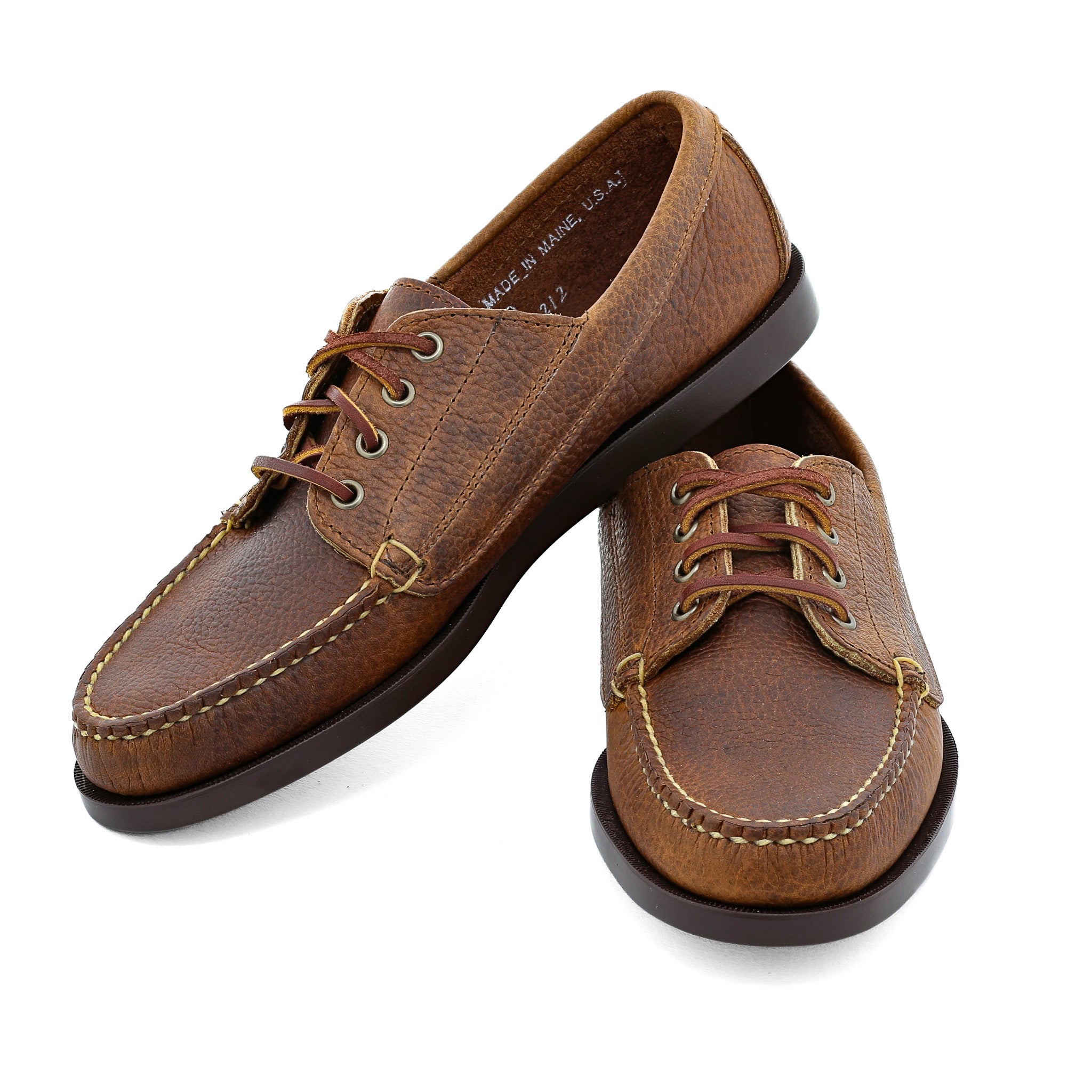
Which Types of Shoes Are Made in the USA?
Certain footwear categories are more likely to be made domestically than others. If you want American production, begin with products that require skilled labor, durable materials, or custom fitting.
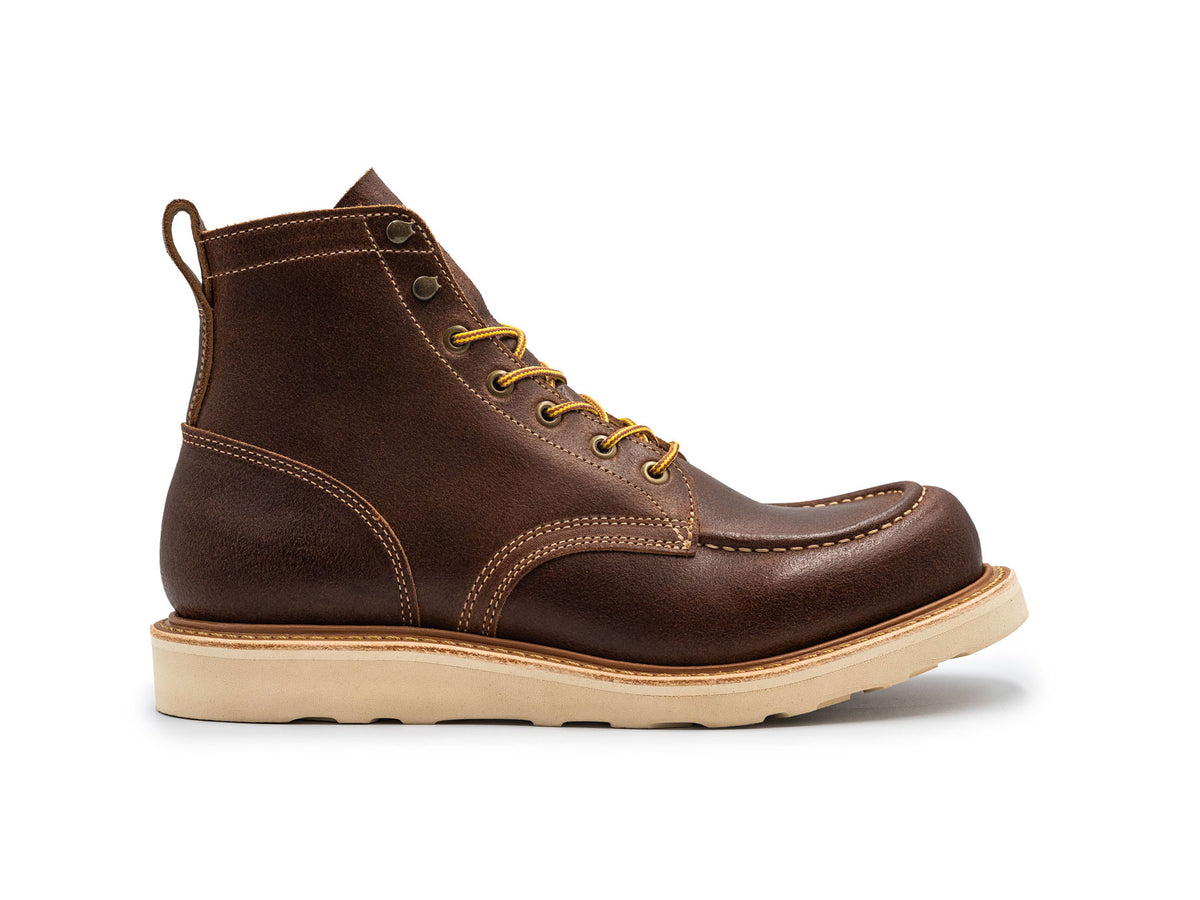
Work boots
US-made work boots remain one of the strongest parts of American footwear production. Some brands produce selected models in US factories using domestic and imported components.
Look for details such as:
• Stitch-down or welted construction
• Replaceable outsoles
• Full-grain leather
• Safety toe ratings
• Factory location information
• Repair and resoling services
Do not assume every model from a work-boot brand is made in the United States. Brands often offer domestic and imported lines at different price points.
Heritage boots
Heritage footwear includes logger boots, engineer boots, service boots, and traditional outdoor boots. These shoes often use old construction methods and thick leather.
Many are made in small batches. Their fit can feel firm at first, and breaking them in may take time. In return, they can often be repaired instead of thrown away.
Dress shoes
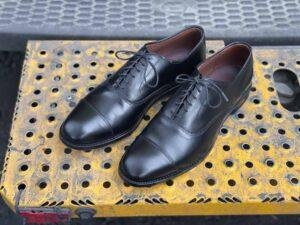
Some American factories still make high-quality men’s and women’s dress shoes. These may include welted oxfords, loafers, derbies, and custom shoes.
Dress shoes made in the USA may use imported leather or soles, so read the product description. A brand may make the upper domestically but use a foreign outsole.
Moccasins and casual shoes
Moccasins, boat shoes, slippers, and casual leather shoes are often produced by smaller American workshops. These businesses may offer hand sewing, soft leather, and direct customer support.
Some traditional footwear companies also work with Native American artisans or regional craftspeople. If cultural or tribal production is part of the product story, look for clear information rather than vague marketing language.
Sandals
A few American companies produce sandals domestically, especially leather sandals, comfort sandals, and custom footbed styles. However, many molded foam and athletic sandals are imported.
Sneakers
American-made sneakers are available, but they are less common. A domestic sneaker may use American assembly with imported mesh, foam, rubber, or specialty fabric.
This is one area where product-level research matters most. Even when a brand promotes US manufacturing, only certain styles may qualify.

American Shoe Brands to Research
The safest approach is to examine individual models instead of assuming every product from a brand is domestic. Manufacturing programs change, so confirm details before ordering.
Brands and makers commonly associated with at least some US production include:
• New Balance, which offers selected domestic-made athletic shoes
• Allen Edmonds, which has produced certain dress shoes in American factories
• Red Wing, with selected footwear made in the United States
• Thorogood, known for some US-made work boots
• Danner, which offers selected models made in Portland, Oregon
• Rancourt & Co., known for handmade leather footwear
• Quoddy, associated with handmade moccasins and casual shoes
• Origin USA, known for domestic production in parts of its footwear range
• SAS, which produces selected comfort footwear in US facilities
• Okabashi, associated with US-made molded footwear
This list is not a guarantee that every current model qualifies. Brands can change factories, materials, or production locations. Always check the product page, label, and customer service statement for the exact pair.
When I compare American-made footwear, the most useful clue is not the flag graphic or patriotic wording. It is a clear manufacturing statement that names the factory, explains the materials, and identifies which models are domestic.
A common mistake is to buy from a US-owned company and assume the shoes are made in the United States. Ownership and manufacturing location are separate issues. A brand can be based in Oregon, Texas, or New York while producing all or most of its shoes overseas.

How to Check Whether Shoes Are Made in the USA
Use a simple verification process before you buy.
1. Read the product page
Look for direct wording such as “Made in USA,” “Made in Maine,” or “Made in our American factory.” Be cautious when the page only says “American brand” or “designed in the USA.”
2. Check the tongue, box, and inside label
The country-of-origin marking may appear on the shoe, packaging, or both. If the box says one thing and the product page says another, contact the company.
3. Separate the model from the brand
A brand may have one US-made boot and ten imported styles. Search the exact model name rather than relying on the company’s general reputation.
4. Ask about major components
Useful questions include:
• Where is the upper made?
• Where is the sole made?
• Where are the shoes cut and stitched?
• Are the materials domestic, imported, or mixed?
• Can the shoe be repaired in the United States?
5. Look for construction details
A domestic shoe often provides more information about its factory and construction. This is not proof by itself, but vague descriptions deserve more investigation.
6. Keep the price in context
An unusually cheap shoe with a strong “American-made” claim deserves careful review. Low prices are possible, but domestic labor and small-batch production usually increase costs.
If you are asking, “Are any shoes made in the USA?” the best answer may come from the manufacturer itself. A short email can prevent an expensive mistake.

Benefits of Buying Shoes Made in the USA
Choosing American-made footwear can offer several benefits, though no benefit is automatic.
Better repair potential
Many domestic boots and dress shoes use replaceable soles or traditional welt construction. A cobbler may be able to resole or rebuild them.
Support for skilled workers
Buying domestic footwear helps sustain cutting, stitching, lasting, finishing, and repair skills. These skills are difficult to replace once factories close.
Clearer factory relationships
Small US brands often provide more direct information about their workers and production process. This can make it easier to ask questions about fit, materials, and repairs.
Durable designs
Many American-made shoes focus on work, service, and outdoor use. Their thick leather and strong stitching may handle years of regular wear.
Fewer long shipping steps
Domestic production can reduce some international transport, although the total environmental impact still depends on materials, packaging, energy use, and shipping method.
It is also important to stay realistic. “Made in USA” does not guarantee perfect comfort, ethical labor, low environmental impact, or long life. Fit and care still matter.
Drawbacks and Limitations to Consider
American-made shoes are not right for every buyer or every use.
Higher prices
Domestic footwear often costs more because US labor, factory overhead, and compliance costs are high. A quality pair may cost several times more than a mass-market alternative.
Limited style choices
You may find fewer colors, widths, fashion shapes, and seasonal designs. American factories often focus on classic forms rather than fast-changing trends.
Break-in time
Leather work boots and welted shoes can feel stiff. Give them time, wear suitable socks, and stop if you feel sharp pain or numbness.
Inconsistent availability
Small brands may sell out of popular sizes. Some products are made in batches instead of being continuously stocked.
Imported parts
Even a respected American-made shoe may contain imported soles, laces, foam, or hardware. If domestic materials matter to you, ask for a component breakdown.
My practical lesson is simple: buy the shoe for your actual needs, not only for the label. A well-fitting imported shoe that you wear for years may be a better choice than an expensive domestic shoe that causes blisters and stays in the closet.
How Much Do Made-in-USA Shoes Cost?
Prices vary widely by material, construction, labor, and brand. Basic domestic sandals or casual shoes may cost less than premium boots, while custom footwear can cost several hundred dollars or more.
Typical price ranges may look like this:
• Casual domestic shoes: about $80 to $200
• American-made work boots: about $180 to $400
• Premium heritage boots: about $250 to $600
• Handmade dress shoes: about $250 to $700
• Custom or orthopedic footwear: $300 and up
These are broad estimates, not fixed market rules. Sales, factory-direct pricing, and used markets can reduce the cost.
Think of a durable shoe as a tool. If it can be resoled and worn for five years, its cost per wear may be lower than a cheap pair replaced every few months. Still, durability depends on fit, use, weather, and care.

Tips for Caring for American-Made Shoes
Good care protects your investment, whether the shoe is domestic or imported.
- Let damp shoes dry at room temperature. Do not place leather footwear on a hot radiator.
- Use cedar shoe trees for leather dress shoes and boots when practical.
- Brush away dirt after outdoor use.
- Apply conditioner only when the leather looks dry.
- Use the right waterproofing product for the leather type.
- Rotate pairs so each shoe can fully dry.
- Replace worn heels or soles before the damage reaches the upper.
- Store shoes away from direct sun and high heat.
A repairable shoe is like a house with a strong frame. You can replace parts without rebuilding everything. That is one reason traditional American-made footwear can provide good long-term value.
Frequently Asked Questions About Are Any Shoes Made in the USA
Are any shoes made in the USA with all-American materials?
Yes, but they are uncommon. Most US-made shoes use a mix of domestic and imported materials, so check the manufacturer’s exact statement about leather, soles, hardware, and thread.
What is the difference between Made in USA and assembled in USA shoes?
Made in USA generally requires that all or nearly all significant parts and processing come from the United States. Assembled in USA means the final assembly happens domestically, but some major components may be imported.
Are New Balance shoes made in the USA?
Some New Balance models are made in the United States. The company also sells imported footwear, so check the exact model label and product description before purchasing.
Are American-made shoes better quality?
They can be very durable, especially when they use strong leather, careful stitching, and repairable construction. However, country of origin alone does not guarantee comfort or quality.
Why do shoes made in the USA cost more?
US-made shoes usually include higher domestic labor and factory costs. Smaller production runs, better materials, skilled work, and repairable construction can also raise the price.
How can I verify that a shoe is made in the USA?
Read the product label and the manufacturer’s product page, then ask where the upper, sole, and final assembly take place. Do not rely only on a US flag, an American company address, or the phrase “designed in the USA.”
Conclusion
So, are any shoes made in the USA? Yes. American factories still make selected work boots, heritage boots, dress shoes, moccasins, sandals, sneakers, and custom footwear.
The key is to research the exact model. Check the country-of-origin label, learn the difference between “Made in USA” and “Assembled in USA,” and ask about imported parts when the wording is unclear. A higher price may reflect domestic labor and repairable construction, but fit, comfort, and intended use should guide your final choice.
Start by comparing one US-made pair with the shoes you already wear. Check the materials, construction, warranty, and repair options, then choose the pair that offers the best value for your feet and your budget.

Madison Clark is a footwear expert and the voice behind MyStyleGrid.com. She specializes in honest shoe reviews, style tips, and practical guides to help readers find the perfect pair for any occasion. With years of experience in blogging and content creation, Madison makes footwear knowledge simple, stylish, and easy to follow.