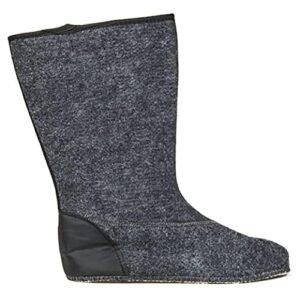
Top pick: Baffin Snow Monster — unmatched warmth, grip, and all-day comfort on ice.
Imagine standing on glassy ice at dawn with a stiff wind cutting through your jacket. You need boots that lock out cold, shed slush, and keep you steady while you drill, set a tip-up, or jig from a small hole. I test boots on miles of frozen lakes. The right pair keeps toes warm, feet dry, and stance confident. Below I show the best boots for ice fishing, compare key features, and give clear buying advice so you get the pair that fits your style and conditions.
See the differences between my top picks at a glance.
Norfin Klondike 2 EVA Boot

The Norfin Klondike 2 is an EVA shell boot that feels almost like a heavy-duty rain boot. It stays light on the ice and pushes slush away. The built-in, retractable ice cleats give surprising bite on slick surfaces without adding weight.
I like these for short ice-fishing sessions when mobility matters. They pack easily and dry fast. If you prefer a low-weight boot that still resists water, these are a smart pick.
Pros:
- Very lightweight for easy movement
- Waterproof EVA shell keeps feet dry
- Retractable cleats add traction when needed
- Easy to clean and quick to dry
- Good value for casual outings
Cons:
- Limited insulation for long cold sits
- Not ideal for tundra-level cold
- Sizing can run bulky; try on first
What Amazon Buyers Are Saying
Buyers praise the low weight and waterproof feel. Many note the retractable cleats work well on slick patches and that the boots pack easily for travel. Common negatives: people wanted more insulation for long sits and some sized up to get room for thick socks.
My Recommendation
If you need a lightweight, waterproof boot for short trips or a mobile angler’s set-up, the Norfin Klondike 2 is low-cost and effective. I give it solid marks where mobility beats extreme warmth.
Baffin Snow Monster Boot
The Baffin Snow Monster is built for serious cold. It uses a multi-layer inner system that traps heat without feeling stiff. The boot balances warmth with an outsole that grips icy ground well.
I use boots like this for full-day sits and winter travel. They feel heavier, but that weight buys you warmth and long-wear comfort. If you face long sits or extreme winds, this is a top contender among the best boots for ice fishing.
Pros:
- Exceptional warmth for long sits
- Multi-layer inner boot system for comfort
- Durable build for repeated use
- Strong outsole traction on icy ground
- Good for severe winter conditions
Cons:
- Heavier than lighter boots
- Cost is higher than basic options
- Can feel bulky for long walks
What Amazon Buyers Are Saying
Buyers often highlight the warmth and solid build. Many say toes stay warm even after hours on the ice. Some buyers mention weight and bulk as trade-offs for the insulation level.
My Recommendation
For anglers who sit long or fish in deep cold, the Baffin Snow Monster is worth the investment. It balances warmth, grip, and durability better than most. I rate it highly for severe conditions.
ROCKMARK Winter Snow Boot
ROCKMARK boots give a basic, affordable option with fur lining and a waterproof outer. They are warm enough for moderate cold and work well for casual anglers. The mid-calf height helps keep snow and slush out.
These boots fit well into a budget kit. They are not top-tier for extreme cold, but they offer solid value for day trips and light ice-fishing. I recommend them for anglers who want warm boots without a large spend.
Pros:
- Budget-friendly price point
- Fur lining adds comfort and warmth
- Mid-calf height blocks slush
- Decent non-slip outsole for lake edges
- Comfortable for short to mid-length outings
Cons:
- Not for extreme cold or long sits
- Materials feel less premium than high-end boots
- Limited advanced traction features
What Amazon Buyers Are Saying
Buyers appreciate the value and comfort for the price. Reviews commonly mention good warmth for day use and a snug fit. A few buyers expected higher-end materials but were pleased with performance for casual use.
My Recommendation
If you want a wallet-friendly boot that keeps you warm for day trips, ROCKMARK is a sensible pick. I give it a reliable score for budget-minded anglers who don’t need extreme insulation.
Sub-Zero Insulated Boot
The Sub-Zero insulated boot focuses on an all-around performance. It combines an insulated liner with a waterproof shell and a practical lug tread. That mix makes it reliable for everyday ice fishing and shore work.
I like these when I need dependable warmth and traction without the bulk of expedition boots. They handle slush well and provide steady footing. They are a good middle-ground option among the best boots for ice fishing.
Pros:
- Balanced warmth for most winter days
- Waterproof shell keeps feet dry
- Stable lug tread for edge-to-ice transitions
- Reasonable weight for all-day wear
- Comfortable for moderate hikes to the hole
Cons:
- Not designed for extreme arctic cold
- Some users want a roomier toe box
What Amazon Buyers Are Saying
Customers report good day-to-day performance and comfortable fit. Many view these as reliable winter boots for fishing and chores. A few buyers noted they preferred a little more room for thick socks in sub-zero work.
My Recommendation
Sub-Zero boots are a solid pick for anglers who want reliable warmth and traction without expedition weight. I recommend them for most mid-winter trips and rate them well for overall versatility.
Hunthor 1600G Insulated Boot
Hunthor’s 1600G boot advertises substantial insulation—1600 grams—paired with a rugged rubber exterior and neoprene upper. That gives great toe warmth and a sealed barrier against slush. The pull handles make it easy on and off.
I take boots like this on long, still days. They balance insulation with mobility and offer strong outsole grip for icy surfaces. For anglers who sit for hours in deep cold, the Hunthor is an excellent workhorse.
Pros:
- High insulation for prolonged cold
- Rubber shell keeps moisture out
- Ice-Grip outsole improves stability
- Easy pull handles for quick changes
- Good value for the insulation level
Cons:
- Heavier than low-insulation boots
- May feel tight if you need extra foot room
- Break-in period for some users
What Amazon Buyers Are Saying
Reviews often praise the warmth for long sits and the sturdy outsole for mixed ice. Many find the pull handles useful. Some report the boots feel stiff at first but soften with use.
My Recommendation
I recommend the Hunthor 1600G for anglers who need serious warmth without full expedition bulk. It’s a great mid-price, high-insulation option for cold days on the ice.
Nextpath Ice Grip Boot
Nextpath Ice Grip boots target cold-weather performance with a 3M insulation rating and a stated -22°F capability. They use a deep-lug sole that bites into packed snow and ice. A removable liner makes drying and layering easy.
I recommend these when you face single-digit or below-freezing days and need a reliable temperature rating. They carry more mass but deliver strong thermal protection and traction for long sits and walk-ins.
Pros:
- Stated -22°F insulation rating for cold confidence
- Removable liner speeds drying and storage
- Deep-lug tread offers solid traction
- Good for work and fishing in cold climates
- Durable construction for repeated use
Cons:
- Heavier than minimal boots
- Bulk may slow long hikes
- Price varies with demand
What Amazon Buyers Are Saying
Users like the rated insulation and liner system. Many appreciate the removable liners for drying. Some buyers felt the boots were heavy during long walks, but most liked them for their thermal performance.
My Recommendation
Nextpath is a strong choice if you want a rated boot for severe winter days without paying premium expedition prices. I give it high marks for insulation and traction.
NORTIV 8 Waterproof Boot
NORTIV 8 offers a duck-boot style with waterproof lower and insulated upper. It feels familiar and comfortable for anglers who move on and off icy shorelines. The outsole provides non-slip performance in mixed conditions.
I use boots like these for short hikes to a favorite spot and casual ice-fishing. They bridge daily wear and winter function well. For anglers who want versatile boots that work off the ice too, these are a sensible pick.
Pros:
- Classic waterproof duck-boot construction
- Comfortable fit for everyday wear
- Non-slip sole for paths and lake edges
- Good for mixed weather and casual fishing
- Moderate weight and easy to walk in
Cons:
- Insulation limited for long, still sits
- Not optimized for deep snow or tundra cold
What Amazon Buyers Are Saying
Buyers like the everyday comfort and waterproofing. The boots get good marks for casual winter use and tasks. Some buyers want more insulation for prolonged ice sessions, but many praise versatility.
My Recommendation
Pick NORTIV 8 if you want a boot that serves winter chores and casual ice-fishing. I rate it as a versatile, comfortable choice for mixed conditions.
Baffin WOLF Insulated Boot
The Baffin WOLF uses a multi-layer inner boot for serious cold protection. It feels like an expedition boot in comfort and thermal control. The outer parts seal out wind and water well.
I pick this boot when I expect extreme conditions. It’s heavier and bulkier but keeps feet functional in bitter cold. For tundra-level days and long watches on the ice, the WOLF ranks near the top of the best boots for ice fishing.
Pros:
- Outstanding insulation for extreme cold
- Multi-layer inner boot adds comfort
- Durable construction for heavy use
- Secure fastening keeps foot stable
- Long-term thermal protection
Cons:
- Heavy and bulky for long walks
- Premium price compared to casual boots
- Less suitable for quick in-and-out trips
What Amazon Buyers Are Saying
Buyers often say these boots are warm enough for extreme use and hold up over seasons. The main trade-offs noted are weight and cost, but most users accept those for the level of protection.
My Recommendation
Choose the Baffin WOLF if you need expedition-level warmth and durability. I recommend it for anglers who face the coldest days and who prioritize warmth above weight.
FROGG TOGGS Hellbender Boot
The FROGG TOGGS Hellbender is a wading-style boot built for wet feet and traction. It pairs well with felt or cleated options and gives great grip on icy, wet surfaces. It is not heavily insulated, so pair it with warm socks in cold weather.
I use Hellbenders when I need traction on wet shorelines or when launching gear through slush. They’re fast to dry and light. For raw cold, you’ll need thick socks or liners, but for wet work they excel.
Pros:
- Excellent water shedding and drainage
- Works with felt or cleated soles for traction
- Lightweight and easy to move in
- Quick drying after getting wet
- Good for mixed water and ice-edge work
Cons:
- Minimal insulation for cold sits
- Not ideal for deep-freeze conditions without liners
What Amazon Buyers Are Saying
Buyers like the fit for wet work and how the boots handle drainage. Many use them for river or shore launches. A common note: add thermal socks or liners for cold days.
My Recommendation
Get the Hellbender if you focus on wet access and need traction more than thermal protection. It’s a tactical choice for wet shoreline anglers.
Ice Traction Cleats
Traction cleats are the easiest way to boost grip on ice. These slip-on studs add multiple steel points under your boot and transform a decent outsole into a confident platform. They compress for storage and fit many boot shapes.
I recommend keeping a pair in the truck. They are compact, light, and worth their cost when you face black ice or packed snow. Use them over insulated boots for added security on icy approaches.
Pros:
- Significant traction improvement on ice
- Lightweight and packable
- Fit many boot styles and sizes
- Quick on/off for changing conditions
- Cost-effective safety upgrade
Cons:
- Wear down on pavement and rough surfaces
- Can shift if not sized correctly
- Not a substitute for dedicated winter outsoles
What Amazon Buyers Are Saying
Users praise the immediate traction benefit and compact storage. Many say they felt safer on ice. A few note the studs wear when used on gravel or pavement, which is typical for steel-studded cleats.
My Recommendation
Traction cleats are a must-have add-on for most ice anglers. They extend the utility of any boot and offer quick, effective grip. I rate them highly for safety and value.
How to Choose Best Boots for Ice Fishing
Choosing the right boots for ice fishing matters. I focus on warmth, grip, and fit. Below are three factors I check before I buy.
1. Insulation and Temperature Rating
Look for clear insulation specs. Brands often list grams of insulation or a temperature rating. If you sit for hours, pick higher ratings or multi-layer systems. For quick trips, lighter insulation with good socks works fine.
2. Traction and Sole Design
Soles make the difference between steady and shaky. Deep-lug rubber soles and boots that accept cleats provide the best on-ice grip. If you walk on packed snow or icy ramps, choose boots with aggressive tread or use traction cleats.
3. Fit, Comfort, and Practical Features
Buy boots with room for thick socks and liners. Look for easy on/off features like pull handles and removable liners to dry overnight. Also weigh the trade-off between warmth and weight—lighter boots help mobility, heavier boots add thermal protection.
Final Verdict: Which Should You Buy?
For straight-up warmth, traction, and all-day comfort on frozen lakes, the Baffin Snow Monster is my top pick among the best boots for ice fishing. It beats most at long sits and severe conditions.
If you need mobility or a budget choice, Norfin Klondike 2 and ROCKMARK are solid. Choose based on how long you sit and how far you hike to your holes.
FAQs Of best boots for ice fishing
What temperature rating do I need for ice fishing?
Choose a higher rating for long sits and colder climates. For all-day comfort in very cold weather, pick boots with multi-layer insulation or >1000g ratings. For shorter trips, lighter insulation works with warm socks.
Can I add ice cleats to any boot?
Most boots accept slip-on ice cleats. Check fit and sole shape. Removable cleats work well on many boots but avoid constant pavement use to prevent wear.
How should boots fit with thick socks?
Allow room for one to two thick socks or a thin liner plus a sock. Your toes should not press the toe box. A slightly roomier fit prevents numbness and allows circulation.
Are waterproof boots enough to keep feet warm?
Waterproofing keeps moisture out, which helps warmth, but insulation provides thermal protection. Use both: waterproof shell plus good insulation or liners to stay warm.
How do I care for insulated boots?
Dry liners separately and air out boots after each use. Remove liners to dry fast and avoid direct heat. Clean soles and store boots in a cool, dry place between outings.
Rubel Miah is the Senior Editor at MyStyleGrid.com, where he brings a sharp editorial eye and an unshakable love for fashion to everything he does. A true style addict, Rubel lives and breathes trends, from streetwear to high fashion, and has a knack for turning inspiration into impactful stories. With years of experience in fashion journalism and digital media, he curates content that empowers readers to express themselves through style. When he’s not editing features or forecasting the next big thing, you’ll find him hunting down vintage pieces or capturing street style moments around the city.