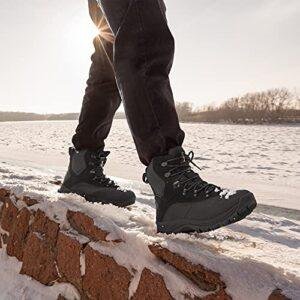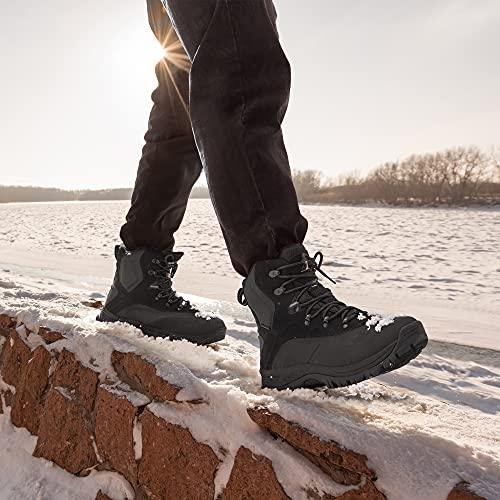
Top pick: RefrigiWear PolarForce Max — best insulated work boots for extreme cold.
Snow-packed job sites, frozen tools, and numb toes are familiar to anyone who works outside in winter. I’ve spent years testing boots on cold mornings and long shifts. The right insulated work boots for winter keep you warm, dry, and safe without slowing you down. Below I break down top choices, who each suits, and how to buy with confidence.
See the differences between my top picks at a glance.
| Boot | Insulation | Waterproof | Toe | Best For | Buy |
|---|---|---|---|---|---|
| NORTIV 8 Tundra | Insulated (no gram spec) | Waterproof upper | Soft toe | Daily work & hiking | View on Amazon |
| OUTJET 200g Thinsulate | 200g 3M Thinsulate; -25°F rating | Waterproof | Soft toe | Extreme cold & trail work | View on Amazon |
| ROCKY Blizzard 1200G | 1200g insulation | Waterproof | Steel toe | Heavy-duty construction sites | View on Amazon |
| ROCKMARK Mid-Calf Boot | Fur-lined insulation | Waterproof | Soft toe | Ice fishing, light work | View on Amazon |
| ALEADER Snow Boot | Insulated (unknown grams) | Waterproof | Soft toe | Budget winter work | View on Amazon |
| NORTIV 8 Ankle Boot | Insulated ankle boot | Waterproof | Soft toe | Light work & daily wear | View on Amazon |
| TIDEWE Neoprene Work Boot | 6mm neoprene insulation | Rubber waterproof | Reinforced toe | Wet, icy conditions | View on Amazon |
| Timberland PRO Boondock | Insulated work boot | Waterproof | Composite safety toe | Industrial sites & trades | View on Amazon |
| Muck Arctic Pro Tall | Extreme-condition insulation | Fully waterproof | Soft toe | Hunting & sub-zero tasks | View on Amazon |
| RefrigiWear PolarForce Max | 800g insulation; -40°F to -10°F | Waterproof leather | Composite toe | Extreme cold & safety use | View on Amazon |
NORTIV 8 Tundra Waterproof Boot
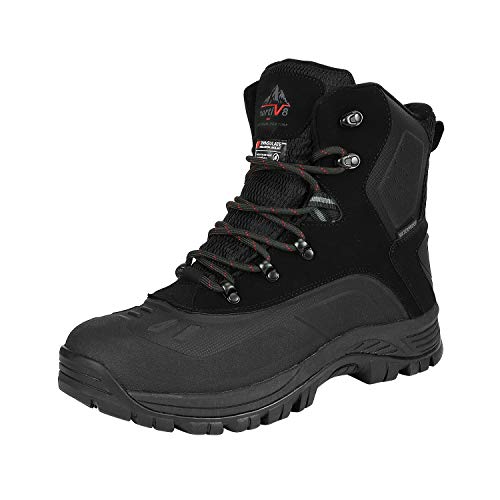
The NORTIV 8 Tundra is an approachable winter work boot. It pairs a waterproof upper with a thick insulated lining. I like its roomy toe box and grippy outsole for light snow. It fits well for daily work, site walks, and short hikes.
This boot is not a heavy-duty thermal bomber. It keeps feet warm in moderate cold and works well as a do-it-all winter boot. Break-in takes a few days. The blend of comfort and protection makes it a solid budget-friendly option.
Pros:
- Comfortable break-in ride for daily wear
- Waterproof upper for slushy workdays
- Good traction on packed snow
- Roomy toe box for thicker socks
- Affordable price for insulated work boots for winter
Cons:
- Insulation level not rated in grams
- Not ideal for extreme sub-zero temps
What Amazon Buyers Are Saying
Buyers commonly praise the NORTIV 8 for comfort and waterproofing. Many note it runs true to size but suggest trying with work socks. A few mention initial stiffness that eases after a few wears. Overall, users value its value-for-money in winter conditions.
My Recommendation
I recommend the NORTIV 8 Tundra for tradespeople and homeowners who need reliable, insulated work boots for winter without overspending. It’s a solid daily performer when temps dip but not the warmest on this list.
OUTJET 200g Thinsulate Snow Boot
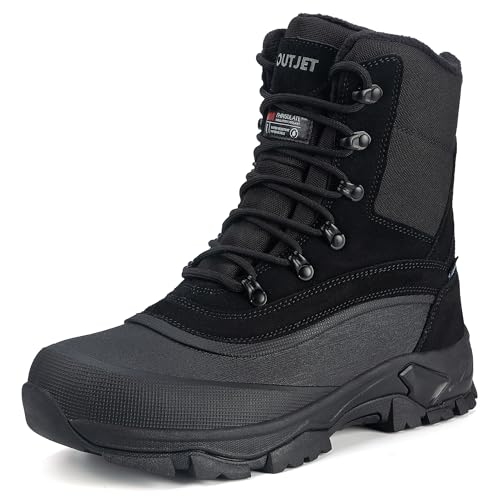
OUTJET’s winter boot uses 200g of 3M Thinsulate. That makes it a strong choice for very cold days and deep drafts. The manufacturer rates it down to -25°F, so it handles long hours outdoors. The sole grips snow and wet surfaces well.
The boot balances warmth without bulk. I like the flexible midsole that lets you walk without fatigue. Use it for long shifts, site checks, or trail work when temps drop sharply.
Pros:
- 200g Thinsulate for solid cold protection
- Waterproof build for wet winter jobs
- Good outsole traction on ice and snow
- Relatively light for its warmth level
- Comfortable for all-day wear
Cons:
- Sizing can vary by foot shape
- Not a steel-toe option in stock models
What Amazon Buyers Are Saying
Customers often note the strong warmth versus weight ratio and the reliable waterproofing. Some mention ordering a half-size up for thick socks. The common notes highlight warmth and comfort on long winter days.
My Recommendation
If you work in very cold, wet environments and want focused insulation, the OUTJET 200g Thinsulate boot is a smart buy. I give it an overall strong score for warmth and comfort.
ROCKY Blizzard 1200G
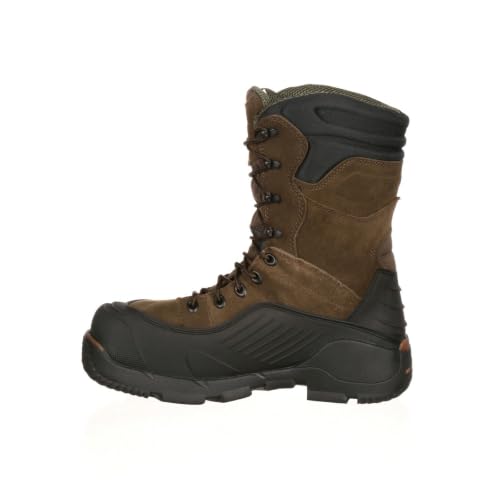
ROCKY’s Blizzard boot packs 1200g of insulation. That makes it one of the warmest work boots I recommend. The steel toe adds safety for construction and logging. It also has a waterproof membrane to stop slush and melting snow.
This is a heavy-duty choice. Expect some weight, but you also get serious warmth and impact protection. I use these on bitter mornings and in work that demands toe protection and thermal performance.
Pros:
- 1200g insulation keeps feet warm in extreme cold
- Steel toe for on-site safety
- Waterproof design for wet winter jobs
- Built for rugged, prolonged use
- Excellent value for heavy-duty protection
Cons:
- Heavier than lighter winter boots
- Not as nimble for long hikes
What Amazon Buyers Are Saying
Buyers praise the warmth and safety features. Many appreciate the steel toe and insulation combo for construction work in winter. Some note a need for a break-in period due to stiffness but praise durability once worn in.
My Recommendation
For heavy cold and jobsite safety, the ROCKY Blizzard 1200G is a top pick. I give it a high mark for protection and warmth where safety matters most.
ROCKMARK Mid-Calf Boot

The ROCKMARK mid-calf boot focuses on warmth and coverage. It uses a fur-lined interior and a waterproof shell to keep snow out. I like how it keeps slush from entering the shaft during long shifts outdoors. The non-slip outsole is helpful on slick surfaces.
This is a good choice when ankle protection and coverage matter. It’s lighter than full arctic boots but warmer than many ankle boots. I recommend it for ice fishing, light outdoor work, and long walks in deep snow.
Pros:
- Mid-calf height blocks snow entry
- Fur lining for added warmth
- Non-slip outsole for icy surfaces
- Waterproof construction
- Comfortable for extended wear
Cons:
- Can feel bulky for long hikes
- Less protective toe option
What Amazon Buyers Are Saying
Buyers note the warmth and comfort for winter tasks. Many like the ankle coverage and fur lining for longer stays outdoors. Some mention sizing guidance—try with the socks you’ll use on the job.
My Recommendation
I recommend the ROCKMARK mid-calf boot for those who need extra shaft height and cozy insulation without extreme bulk. It’s a great mid-range winter work choice.
ALEADER Waterproof Snow Boot
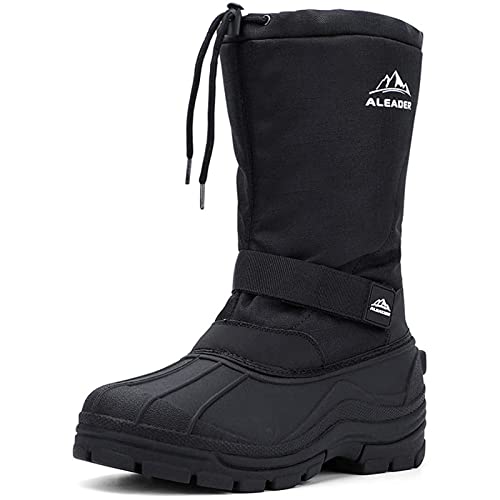
ALEADER offers a budget-friendly waterproof snow boot built for winter chores. It balances cost and performance with reliable insulation and a rugged sole. I found it comfortable for short to medium shifts outdoors and for household tasks around a winter site.
The design focuses on keeping feet dry and warm without a steep price tag. It won’t replace heavy arctic boots, but it’s a great option for those seeking economical insulated work boots for winter.
Pros:
- Budget-friendly option for winter work
- Waterproof upper keeps feet dry
- Decent traction for everyday use
- Comfortable for short to mid-length jobs
- Good for light outdoor tasks
Cons:
- Insulation not specified in grams
- Less robust for very cold extremes
What Amazon Buyers Are Saying
Customers often mention the great value and waterproofing for the price. Many find them comfortable for errands and light work, while a few warn they’re not suited to extreme arctic conditions.
My Recommendation
Choose the ALEADER boot if you want a solid, low-cost insulated work boot for winter chores. It’s practical and wallet-friendly for moderate cold work.
NORTIV 8 Ankle Insulated Boot

The NORTIV 8 ankle boot is a lighter insulated option for winter. It’s designed for mobility while giving protection from wet and cold. I use this boot when I need to move fast across job sites and still stay dry.
It’s a good pick for shorter outdoor tasks or commuters who face slushy sidewalks. Warmth is solid for moderate winter days. For extreme cold, consider a higher-insulation boot instead.
Pros:
- Lighter weight for mobility
- Waterproof design for slushy days
- Good traction for city and site work
- Comfortable with regular socks
- Versatile for daily use
Cons:
- Less shaft height for deep snow
- Not the warmest for sub-zero temps
What Amazon Buyers Are Saying
Buyers like the walkability and waterproofing. Many say these fit well for daily commute and light work. Some ask for a warmer version for longer frozen shifts.
My Recommendation
Pick the NORTIV 8 ankle boot for agility and all-day comfort when you need insulated work boots for winter that aren’t bulky. It’s a great everyday work boot.
TIDEWE Neoprene Work Boot
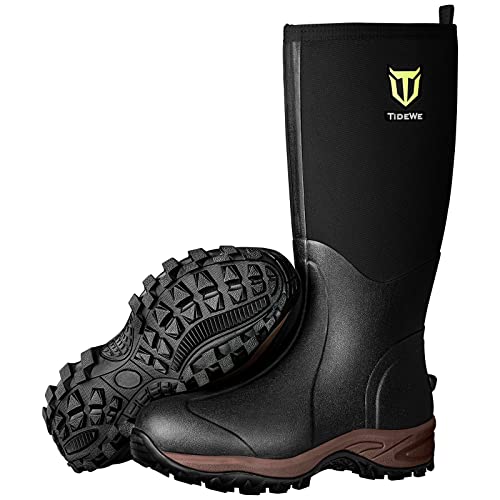
TIDEWE’s rubber neoprene boot is built for soaked and icy work. The 6mm neoprene gives consistent warmth and the rubber shell keeps out deep water. I trust these when I expect slush, standing water, or long exposure to wet snow.
They are flexible and retain heat well. The reinforced toe adds protection for rough conditions. If you work in watery winter environments, these are a top option.
Pros:
- 6mm neoprene holds heat well
- Full rubber waterproof shell
- Reinforced toe for rough use
- Good for wet, icy conditions
- Comfortable neoprene fit
Cons:
- Can feel warm for short indoor tasks
- Not as insulated as heavy arctic boots
What Amazon Buyers Are Saying
Buyers praise the waterproofing and warmth in wet conditions. Many say these are perfect for muddy, slushy jobs and hold up well. Some mention sizing tips—try with the intended sock thickness.
My Recommendation
I recommend TIDEWE for jobs with heavy wet exposure where insulated work boots for winter must also be waterproof and flexible. They deliver reliable protection.
Timberland PRO Boondock Safety Boot

Timberland PRO’s Boondock boot blends safety features with weather protection. It offers a composite safety toe and waterproofing for industrial sites. I find it dependable for trades that need toe protection and moderate insulation.
The design prioritizes protection and stability. It’s ideal for crew leaders and tradespeople who work in winter conditions but need a lighter, safer boot than heavy arctic models.
Pros:
- Composite safety toe for jobsite protection
- Waterproof construction for wet winter days
- Durable build for long-term wear
- Comfortable insoles for all-day standing
- Good trade-focused features
Cons:
- Warmth moderate—consider heavy socks in sub-zero temps
- Higher price point than budget boots
What Amazon Buyers Are Saying
Users like the safety toe and waterproofing for work use. Many praise the comfort and support on long shifts. A few note it’s not the warmest for extreme cold without thicker socks.
My Recommendation
Pick Timberland PRO Boondock when you need a safety-rated, waterproof work boot that performs well in winter. It’s a professional choice for jobsite safety and comfort.
Muck Arctic Pro Tall Boot

The Muck Arctic Pro Tall is built for true arctic performance. Its full-height design and thermal insulation make it ideal for sub-zero tasks and long outdoor hunts. I rely on it when I need maximum protection from wind and frozen ground.
It’s lightweight for its size and surprisingly flexible. The outsole provides reliable grip on packed snow and ice. This is one of my go-to picks for intense winter conditions where the warmest insulated work boots for winter matter.
Pros:
- Top-tier cold protection in a tall design
- Fully waterproof for deep snow and slush
- Flexible and comfortable despite heavy insulation
- Excellent traction on winter terrain
- Durable for winter hunting and long days outdoors
Cons:
- Higher cost than entry-level boots
- Taller shaft can feel bulky indoors
What Amazon Buyers Are Saying
Buyers frequently cite superior warmth and durability. Many use them for hunting and outdoor work in sub-zero temps and praise the comfort. A few mention the higher price but see it as worth the performance.
My Recommendation
For extreme cold and long winter days outdoors, the Muck Arctic Pro Tall ranks among the best insulated work boots for winter. I give it top marks for protection and comfort in severe conditions.
RefrigiWear PolarForce Max Boot
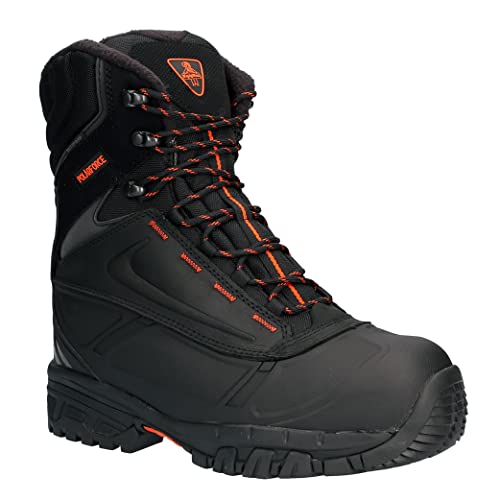
The RefrigiWear PolarForce Max is my top pick for extreme cold. It packs 800g insulation and a waterproof leather upper. The brand rates it between -40°F and -10°F depending on activity. It also offers a composite toe for safety on the job.
I use these for long, bitter shifts and find they maintain warmth without crushing comfort. The sole cushions long walks and the composite toe keeps you protected. For anyone who needs the warmest insulated work boots for winter with safety features, this one shines.
Pros:
- 800g insulation rated for extreme cold
- Waterproof leather upper and sealed seams
- Composite toe for jobsite safety
- Shock-absorbing comfort for long wear
- Great for extreme winter work environments
Cons:
- Heavier and warmer than casual boots
- Higher price reflects premium features
What Amazon Buyers Are Saying
Buyers consistently praise its warmth and build. Many report long hours outside without cold feet and appreciate the safety toe. Overall feedback highlights top-level cold protection and comfort for long workdays.
My Recommendation
If you need the warmest insulated work boots for winter with safety features, buy the RefrigiWear PolarForce Max. It’s my top recommendation for severe cold and demanding jobs.
How to Choose Best Insulated Work Boots for Winter
Choosing the best insulated work boots for winter matters. I focus on warmth, safety, and fit. Below are the most important factors I use when I test boots for cold-weather jobs.
1. Insulation and Temperature Rating
Check insulation type and grams when possible. Higher grams mean more warmth. Look for Thinsulate gram ratings or manufacturer cold-temperature ranges. Match insulation to your job: 200g–400g works for moderate cold; 600g–1200g and above for long exposure or sub-zero work.
2. Waterproofing and Sealing
Waterproofing keeps warmth consistent. I prefer boots with waterproof membranes, sealed seams, or full rubber shells. Wet feet lose heat quickly. If you work in slush or standing water, choose fully waterproof boots with a secure shaft or sock seal.
3. Safety, Traction, and Fit
Pick safety toe options if your job requires them. Traction matters—look for deep lugs or winter-specific rubber for ice. Fit is critical: buy the size that fits with your winter socks and allows room for circulation. A good fit prevents cold and blisters during long shifts.
Final Verdict: Which Should You Buy?
For extreme cold and safety needs, the RefrigiWear PolarForce Max is the best insulated work boots for winter overall. It balances 800g insulation, waterproofing, and a composite toe.
If you need heavy-duty warmth without a premium price, the ROCKY Blizzard 1200G is an excellent alternative. Choose based on your job’s warmth and safety needs.
FAQs Of best insulated work boots for winter
How warm do insulated work boots need to be?
Match insulation to conditions. 200g suits moderate cold. 600g–800g handles very cold days. 1200g or more is for long exposure or extreme sub-zero work.
Should I pick steel toe or composite toe for winter work?
Choose steel toe for heavy impact protection. Composite is lighter and stays warmer in cold. Both work—pick based on safety rules and comfort.
Can I use regular boots with thick socks instead of insulated boots?
Socks help but won’t match built-in insulation and waterproofing. Insulated work boots are better for long outdoor shifts and wet snow conditions.
How should insulated winter boots fit with socks?
Try boots with the sock thickness you will wear. Leave a thumb’s width at the toe for circulation. A snug heel and midfoot prevent rubbing and cold spots.
How do I maintain insulated waterproof boots?
Clean off salt and mud after use. Dry boots at room temperature. Reapply leather conditioners for leather uppers and use appropriate waterproof treatments as needed.

Rubel Miah is the Senior Editor at MyStyleGrid.com, where he brings a sharp editorial eye and an unshakable love for fashion to everything he does. A true style addict, Rubel lives and breathes trends, from streetwear to high fashion, and has a knack for turning inspiration into impactful stories. With years of experience in fashion journalism and digital media, he curates content that empowers readers to express themselves through style. When he’s not editing features or forecasting the next big thing, you’ll find him hunting down vintage pieces or capturing street style moments around the city.