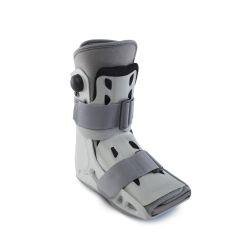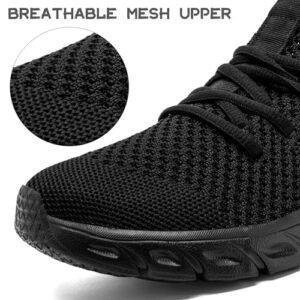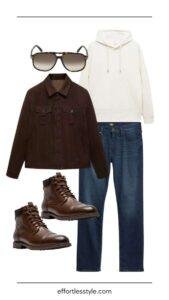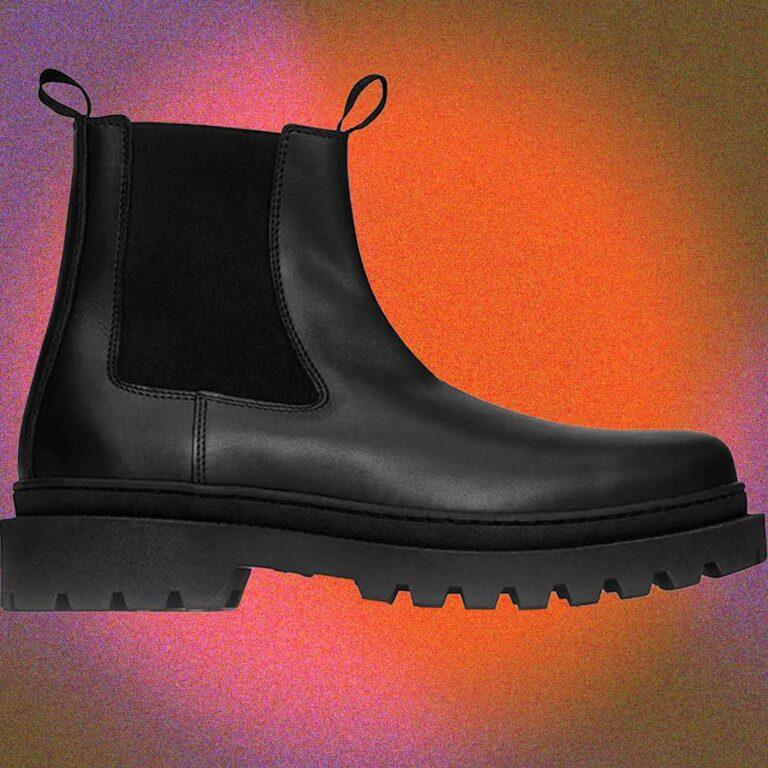
Boots for men are sturdy footwear made for support, protection, comfort, and personal style.
Boots for men come in many forms, from work boots and hiking boots to Chelsea boots and dress boots. Each type uses different materials, shapes, soles, and design features for a specific need. This guide explains how men’s boots work, which styles suit different settings, and how to choose a pair that feels as good as it looks.

What are boots for men?
Boots for men are footwear that covers the foot and usually rises above the ankle. This taller shape gives more support and protection than most shoes. Some boots reach the calf or knee, but ankle height is the most common design for daily wear.
Men’s boots can serve a practical, formal, or fashion purpose. A steel toe boot may protect feet at a job site, while a leather Chelsea boot may complete a smart outfit. Hiking boots help with grip and balance, and winter boots help block cold, snow, and moisture.
The best boots combine four key features:
• A supportive upper that holds the foot in place
• A strong sole that provides grip and shock control
• Materials suited to the weather and activity
• A fit that allows natural movement without slipping
Unlike sneakers, boots often have a firmer build. They may take longer to break in, but a well-made pair can last for years with proper care.
Why do men wear boots?
Men wear boots because they offer more coverage and support than many low-cut shoes. The higher upper can help protect the ankle from dirt, light impact, brush, and poor weather. A firm sole can also make walking on rough ground more stable.
Boots also offer a wide range of style choices. A simple pair of brown leather boots can work with jeans, chinos, or casual trousers. Black dress boots can suit a suit, especially when the shape is slim and the leather is polished.
Common reasons to wear boots include:


• Protection at work or outdoors
• Better grip on wet, uneven, or loose ground
• Warmth during cold weather
• An easy way to add structure to an outfit
• Long-term value when the boots can be repaired
Boots are not always the best choice, however. Heavy work boots may feel too warm for hot weather. A stiff pair can also cause discomfort if the fit is poor or the wearer walks long distances before breaking them in.

Main types of boots for men
Different boots solve different problems. Understanding the main types helps you avoid buying a stylish pair that does not fit your daily life.
Work boots
Work boots are built for demanding jobs. They often use thick leather, strong stitching, deep tread, and protective toe caps. Some styles also resist water, oil, electrical hazards, or punctures.
For job sites in the United States, check whether safety boots meet the required ASTM F2413 standard. Your employer may also require a certain toe type, sole, or electrical rating.
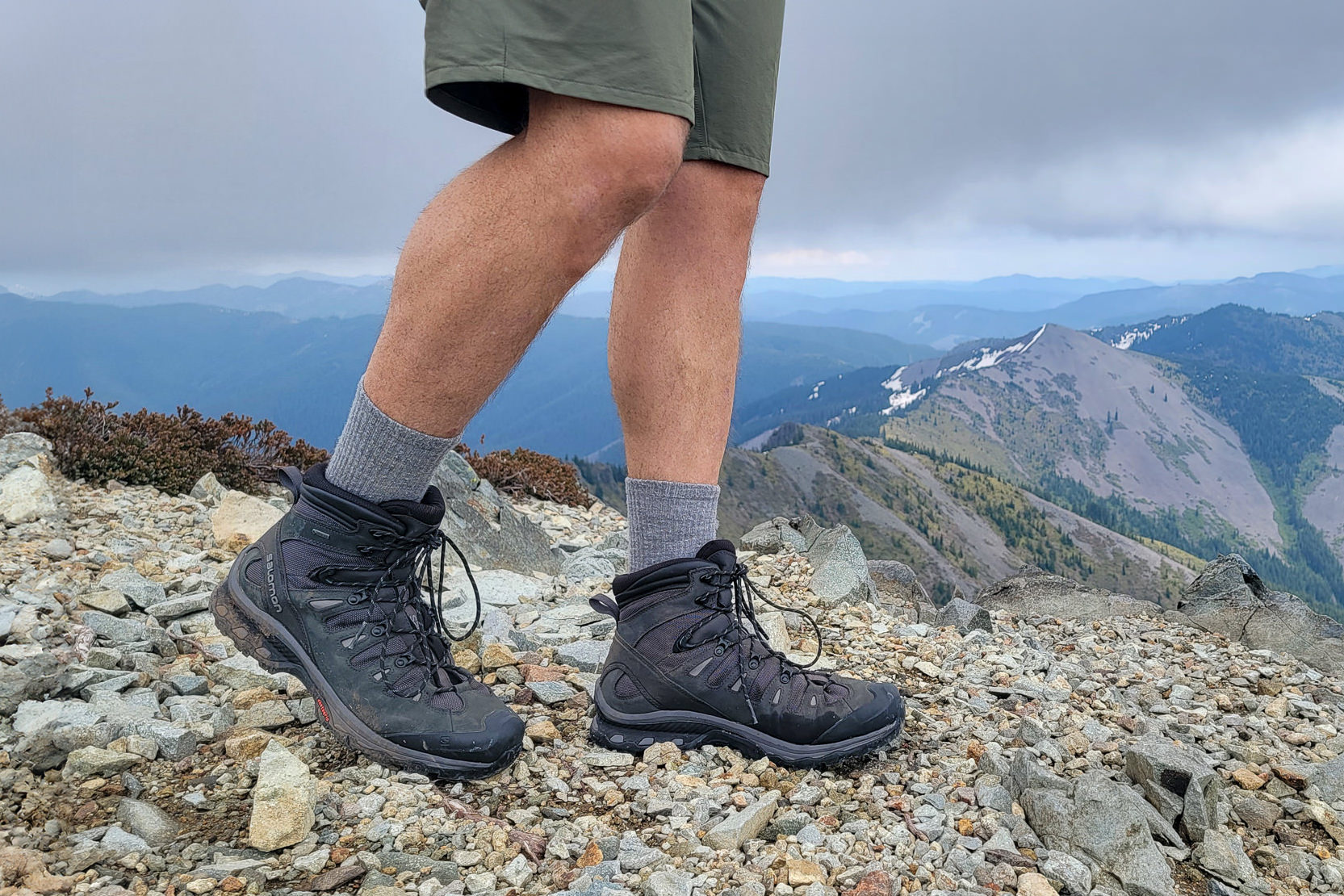
Hiking boots
Hiking boots support the feet on trails and rough land. They usually have a firm midsole, a treaded outsole, and materials that balance breathability with weather protection.
Light hiking boots work well for day hikes. Heavier boots suit rocky ground, long trips, or heavy packs. Make sure the heel stays secure while the toes can move freely.
Chelsea boots
Chelsea boots have elastic side panels and no traditional laces. Their clean shape makes them easy to wear with jeans, chinos, and smart trousers.
Leather Chelsea boots look polished, while suede versions feel more relaxed. They may not provide the same outdoor protection as hiking or work boots.
Chukka boots
Chukka boots are ankle boots with a simple shape and two or three pairs of eyelets. They often use leather or suede and have a flexible rubber or leather sole.


Chukkas sit between casual and dressy footwear. They are useful for offices, dinners, travel, and relaxed weekend outfits.
Dress boots
Dress boots have a narrow, refined shape. They may resemble a dress shoe with a higher shaft. Common examples include cap toe boots, balmoral boots, and sleek zip boots.
Choose smooth leather, clean stitching, and a thin or medium sole for formal settings. Thick lug soles can make dress boots look too casual for some suits.
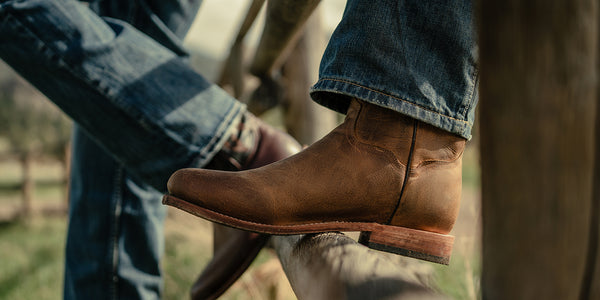
Cowboy boots
Cowboy boots have a tall shaft, angled heel, pointed or rounded toe, and decorative stitching. The design began as practical riding footwear but now serves both work and fashion needs.
The heel should feel stable, and the instep should hold the foot without painful pressure. Cowboy boots should not fit like loose slippers.
Winter boots
Winter boots focus on warmth, water resistance, and traction. They may use insulation, sealed seams, waterproof membranes, and rubber outsoles designed for cold ground.
Look for enough room to wear winter socks. A boot that is too tight can reduce comfort and may leave less room for warm air around the foot.

What are men’s boots made of?
The material affects comfort, durability, care, and price. No single material is best for every person or climate.
Full grain leather
Full grain leather keeps the outer surface of the hide. It is strong, ages well, and can develop a rich patina. It may feel stiff at first and needs regular cleaning and conditioning.
Top grain leather
Top grain leather has been lightly corrected or finished. It often feels smoother and more uniform than full grain leather. It can offer a good balance of appearance, comfort, and durability.
Suede and nubuck
Suede comes from the softer inner side of leather. Nubuck uses the outer side but has a fine, sanded surface. Both look stylish but can mark more easily than smooth leather.
Use a suede brush and a suitable protective spray. Avoid soaking these materials unless the product instructions allow it.
Synthetic materials
Synthetic leather and textile uppers can cost less and may offer lighter weight or easy cleaning. Their lifespan depends on the quality of the material and the way the boots are used.
Some synthetic boots are also vegan. If that matters to you, check the full material list rather than relying only on the word “vegan.”


Rubber and foam
Rubber is common in waterproof and work boot soles because it offers grip and resists moisture. Foam may reduce weight and soften the step, but some foam compounds wear faster under heavy use.

How should men’s boots fit?
A good fit is more important than a famous brand. Boots for men should hold the heel and midfoot securely while leaving space for the toes to spread and move.
Try boots later in the day, when feet may be slightly larger. Wear the socks you plan to use with the boots. Walk on a clean surface and check for pressure points before wearing them outdoors.
Use this simple fit check:
-
Push your foot forward until the toes touch the front.
-
Check that you can place one finger behind the heel.
-
Move your foot back and confirm that the heel does not lift excessively.
-
Bend your foot and check for pinching across the instep.
-
Walk up and down a slope if the store allows it.
A small amount of heel movement can happen in new leather boots. However, sharp rubbing, numbness, toe pressure, or arch pain is a warning sign. Do not assume a painful boot will always stretch into a perfect fit.
Boot sizes can vary by brand, country, and style. Measure both feet because one foot is often slightly larger than the other. Fit the larger foot and use an insole or thin sock if needed.

How to choose the right boots for men
Start with your main use. Think about where you will wear the boots, how often you will use them, and what weather they must handle.
For work, focus on safety ratings, toe protection, sole grip, and comfort during long shifts. For hiking, focus on traction, ankle support, weight, and water management. For office wear, focus on shape, leather quality, sole thickness, and color.


Use this buying guide:
• Choose black or dark brown for a formal and flexible look.
• Choose medium brown or tan for jeans and casual outfits.
• Pick a rubber sole for wet streets and outdoor use.
• Pick a leather sole for a refined look in dry conditions.
• Choose insulation only when you truly need cold weather warmth.
• Leave room for the socks you will wear.
• Check the return policy before ordering online.
Cost also matters, but the lowest price is not always the best value. A repairable boot with a replaceable sole may cost more at first but last longer. A cheaper glued boot may be comfortable and useful, yet it may not be easy to repair.
One practical lesson is to match the boot to your real routine, not your imagined lifestyle. Many people buy rugged boots for rare outdoor trips and then find them too heavy for daily use. A lighter, versatile pair may serve them better.
How to wear boots for men
The right outfit depends on the boot’s shape, color, and sole. Slim boots usually look cleaner with tailored trousers. Chunky boots pair well with denim, workwear, flannel, and heavier jackets.
Try these combinations:
• Brown leather boots with dark jeans and a casual button-down shirt
• Black Chelsea boots with gray trousers and a simple sweater
• Chukka boots with chinos and an Oxford shirt
• Rugged work boots with straight-leg jeans and a chore jacket
• Dress boots with a wool suit in cool or wet weather
Avoid covering a slim boot with very wide trousers. Also avoid wearing muddy hiking boots with formal clothing. The goal is balance: the weight and shape of the boot should suit the rest of the outfit.
Keep the hem of your trousers just above or lightly over the boot. Cuffs can work with casual boots, but they may look too informal with sleek dress boots.

How to care for men’s boots
Good care protects the upper, sole, and inner lining. It also helps boots stay comfortable and presentable.
Follow these basic steps:
-
Remove dirt with a soft brush after each outdoor use.
-
Let wet boots dry at room temperature.
-
Remove the insoles and laces when deeper cleaning is needed.
-
Use a cleaner made for the boot’s material.
-
Apply leather conditioner when the leather looks dry.
-
Use a suede brush for suede and nubuck.
-
Store boots in a cool, dry place.
Do not dry leather boots beside a heater or fireplace. High heat can pull moisture from the leather, shrink parts of the boot, and weaken adhesives.
Use cedar shoe trees when possible. They help absorb some moisture and keep the boot shape. Rotating between two pairs also gives each pair time to dry fully.
Water-resistant does not always mean waterproof. A boot may repel light rain but still leak after deep puddles or long exposure. Check the manufacturer’s care instructions and reapply a suitable treatment when needed.

Common mistakes when buying boots
Even experienced shoppers can make poor choices when they focus only on appearance. Boots for men must fit the foot and match the intended use.
Avoid these mistakes:
• Buying a size based only on your sneaker size
• Ignoring toe shape and width
• Choosing fashion boots for heavy outdoor work
• Wearing new boots for a full day at once
• Skipping socks when trying boots
• Assuming every leather boot is waterproof
• Selecting a sole with poor grip for wet climates
• Failing to check workplace safety rules
Break in new boots slowly. Wear them at home for short periods, then take brief walks. If the boots cause blisters or strong pain, stop and reassess the fit rather than forcing the process.
Also inspect the inside. Rough seams, hard edges, and loose lining can create problems that are not visible from the outside. Comfort starts inside the boot.
Are boots for men good for your feet?
Well-fitted boots can support the feet and protect them from the ground, weather, and workplace hazards. A firm sole may also feel stable on uneven surfaces. However, boots are not automatically healthy for every foot.
Very narrow toes can squeeze the forefoot. High heels can shift weight toward the toes. Heavy boots can increase fatigue during long walks. People with diabetes, reduced sensation, or ongoing foot pain should seek advice from a qualified health professional before choosing protective footwear.
Look for a stable heel, enough toe room, smooth inner seams, and cushioning suited to your activity. Replace boots when the tread is worn, the sole bends unevenly, or the upper no longer holds the foot securely.
Frequently Asked Questions: What Are Boots for Men?
What are boots for men used for?
Boots for men are used for work, hiking, cold weather, rain, riding, formal events, and everyday style. Their higher uppers and stronger soles provide more coverage and support than many regular shoes.
Are men’s boots better than sneakers?
Neither is always better. Boots may offer more protection, grip, and weather resistance, while sneakers are often lighter and more flexible for casual walking.
How should men’s boots fit?
Men’s boots should feel secure around the heel and midfoot, with enough room for the toes to move. Try them with your usual socks and walk around to check for pressure, rubbing, or excessive heel lift.
Can men wear boots with a suit?
Yes, men can wear slim, polished dress boots with a suit. Black or dark brown leather boots with a refined shape usually look best, while thick outdoor soles may appear too casual.
How long do men’s boots last?
The lifespan depends on the materials, construction, use, and care. Well-made leather boots may last for many years, especially when the soles can be replaced and the upper receives regular care.
Are all men’s boots waterproof?
No. Some boots are waterproof, some are water-resistant, and some offer little protection from moisture. Check the product details and follow the care instructions for the exact material.
Conclusion
Boots for men are more than tall shoes. They are purpose-built footwear that can protect the feet, improve grip, add warmth, and sharpen an outfit. The best pair depends on your work, climate, walking habits, personal style, and fit needs.
Choose function first, then consider color and design. Measure your feet, try boots with the right socks, and care for the materials from the first wear. Explore different boot styles, compare construction and safety features, and share your favorite pair or fitting tip in the comments.

Rubel Miah is the Senior Editor at MyStyleGrid.com, where he brings a sharp editorial eye and an unshakable love for fashion to everything he does. A true style addict, Rubel lives and breathes trends, from streetwear to high fashion, and has a knack for turning inspiration into impactful stories. With years of experience in fashion journalism and digital media, he curates content that empowers readers to express themselves through style. When he’s not editing features or forecasting the next big thing, you’ll find him hunting down vintage pieces or capturing street style moments around the city.