Chelsea boots, work boots, chukkas, and sleek leather boots lead men’s style right now.
Knowing what men's boots are in style helps you build outfits that look current without chasing every short-lived trend. The best choices blend clean shape, strong materials, comfort, and the right level of detail. This guide explains the leading boot styles, how to wear them, what to avoid, and how to choose a pair that fits your life.
What men’s boots are in style right now?
The answer depends on your wardrobe, climate, and daily needs. Still, several styles stand out across modern menswear, streetwear, workwear, and smart casual clothing.
The most stylish men’s boots today include:
• Chelsea boots with a clean, slim profile
• Rugged leather work boots
• Chukka and desert boots
• Service boots with strong leather uppers
• Western boots with simple, modern details
• Lug sole boots for a bold outdoor look
• Hiking-inspired boots for casual outfits
• Sleek dress boots for formal and business wear
• Moc toe boots for heritage style
• Suede boots in tan, brown, gray, or sand
Chelsea boots remain one of the easiest choices because they work with jeans, chinos, trousers, and even some suits. Work boots and service boots offer more texture and visual weight. Chukkas and suede boots give outfits a relaxed feel without looking careless.
What men's boots are in style often changes in small ways rather than through a full fashion reset. The main shift is toward quality materials, useful construction, natural colors, and boots that can serve more than one purpose.

The best men’s boot styles to know
Each boot style sends a different message. A slim Chelsea boot looks polished, while a heavy lug boot feels rugged and modern. Understanding those differences makes shopping much easier.
Chelsea boots
Chelsea boots have elastic side panels and usually a pull tab at the back. Their simple shape makes them one of the most versatile options in a man’s closet.
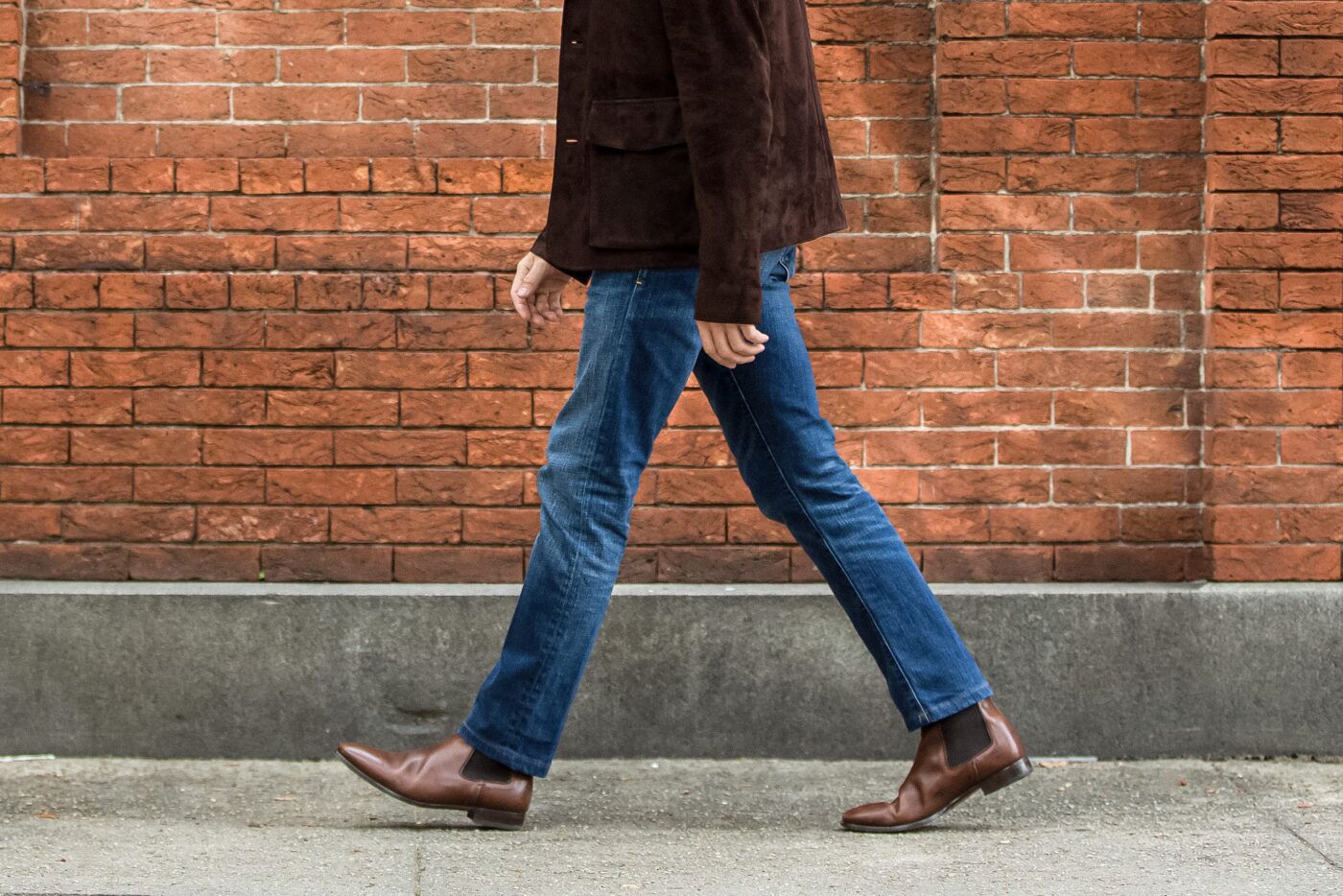
Black leather Chelsea boots look sharp with dark denim, wool trousers, and tailored coats. Brown leather creates a warmer, more relaxed outfit. Suede Chelsea boots work well with jeans, cords, chinos, and casual jackets.
Look for:
• A narrow or medium toe shape
• Clean elastic panels
• A firm heel counter
• A sole that is not too thin
• Smooth leather or well-made suede
Avoid very pointed toes unless you have a formal wardrobe. Extremely square toes can also make a Chelsea boot look dated.
Leather work boots
Leather work boots are among the strongest answers to what men's boots are in style. Their appeal comes from durability and character. Many pairs look better after years of wear because the leather develops a natural patina.


Classic work boots often have thick rubber soles, visible stitching, speed hooks, and sturdy leather. They pair especially well with straight leg jeans, relaxed denim, canvas pants, flannel shirts, overshirts, and chore coats.
A work boot should not look like a dress shoe. Its strength is its honest, practical design. Choose one with enough room for your toes and a sole that matches your daily setting.
Chukka and desert boots
Chukka boots usually have two or three pairs of eyelets and a low ankle height. Desert boots are a casual version, often made from suede with a crepe rubber sole.
These boots are easy to wear because they sit between sneakers and dress shoes. Tan suede looks natural with blue jeans, olive pants, navy chinos, and off-white denim. Brown leather chukkas look more refined and can work in a casual office.
Chukkas are not the best choice for deep snow, heavy rain, or rough job sites. They are better for mild weather, travel, dinners, and everyday city wear.
Service boots
Service boots take inspiration from military footwear. They often have a structured ankle, speed hooks, sturdy leather, and a medium or heavy sole.
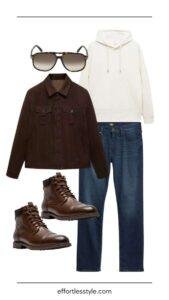
This style has become popular because it looks tough but remains clean enough for daily outfits. A dark brown service boot can anchor a simple look built from a white shirt, raw denim, and a field jacket.
Service boots often need a break-in period. That is normal, but severe pain is not. A good fit should feel firm around the heel while leaving your toes room to move.
Western boots
Western boots have moved beyond rodeo wear and country settings. Modern versions use simpler shafts, lower heels, muted colors, and smooth leather. These details make them easier to wear with everyday clothes.
Try a western boot with straight jeans, a denim jacket, or a simple button-down shirt. Let the boots add personality without making the entire outfit look like a costume.
The key is balance. If the boot has a bold toe, stitching pattern, or bright color, keep the rest of the outfit simple.
Lug sole boots
Lug soles have deep tread and a thick appearance. They provide a strong, outdoors-inspired look that fits current casual fashion.
Black lug sole boots work well with loose jeans, cargo pants, heavy overshirts, and long wool coats. Brown lug soles feel more traditional and pair well with denim and earth tones.
Lug boots are not always comfortable for long walks. Their weight can cause fatigue, especially if the midsole is stiff. Check the boot’s cushioning and flexibility before buying.
Hiking-inspired boots
Hiking-inspired boots borrow design details from outdoor footwear. They may include contrast laces, padded collars, rubber toe caps, or technical materials.


These boots suit casual wardrobes and outdoor travel. Wear them with technical pants, relaxed denim, fleece jackets, or weatherproof parkas.
A hiking-inspired boot should match your actual needs. If you only walk on city streets, a lighter sole may feel better than a full mountain boot.

Why these men’s boots are trending
Fashion trends often reflect changes in lifestyle. Today, many men want clothing that feels useful, durable, and comfortable. Boots fit that mood because they can protect the feet while adding structure to an outfit.
The current interest in workwear has also helped rugged boots return to the spotlight. Straight denim, chore coats, waxed jackets, and utility pants all look better with a boot that has some weight.
At the same time, people are buying fewer items and expecting more from each one. A versatile boot may serve for commuting, dinners, weekend trips, and casual work settings. That practical value helps explain what men's boots are in style today.
Materials matter, too. Full grain leather can age well when cared for, while suede adds soft texture and a relaxed look. Recycled nylon, waterproof membranes, and rubber compounds also make some modern boots more useful in wet or cold weather.
Trend reports and retail collections show a clear mix of heritage and modern design. Classic shapes remain popular, but updated soles, wider fits, softer leather, and lighter construction make them easier to wear now.

How to choose stylish boots for your wardrobe
Start with your clothes, not the trend. The best pair should support the pieces you already wear.
Ask yourself:
• Do you mostly wear jeans, chinos, trousers, or work pants?
• Do you need boots for rain, snow, heat, or dry weather?
• Do you walk or stand for long periods?
• Do you want one everyday pair or several specialized pairs?
• Does your workplace allow casual footwear?
If you wear mostly dark jeans and simple jackets, black Chelsea boots or dark service boots may be useful. If your wardrobe includes blue denim, flannels, and canvas jackets, brown work boots will likely fit better.
If you wear tailored trousers, choose a refined boot with a slim sole. A heavy lug boot can overpower light wool pants. On the other hand, a thin dress boot may look weak beside loose denim or a thick winter coat.
Color also changes the mood of an outfit:


• Black looks sharp, modern, and formal
• Dark brown feels rich and versatile
• Medium brown looks classic and relaxed
• Tan suede feels casual and warm
• Gray can look modern with black, navy, and charcoal clothing
• Oxblood adds color without becoming loud
A useful first purchase is often a medium brown leather boot. It works with more outfits than many shoppers expect and develops attractive marks over time.

How men’s boots should fit
Fit matters more than brand, trend, or color. A stylish boot that hurts your feet will stay in the closet.
Try boots at the end of the day, when your feet are slightly larger. Wear the socks you plan to use with them. Your heel may lift a little in a new boot, but it should not slide heavily.
Check these areas:
• Your toes should not touch the front
• Your widest foot area should sit comfortably in the boot
• Your heel should feel held without sharp pressure
• Your ankle should feel supported
• Your toes should be able to move
• The boot should bend near the ball of your foot
Do not assume leather boots will stretch in length. Leather may soften and give slightly in width, but extra length will not appear with wear.
One mistake I often see is buying a boot too small because the leather looks sleek. This usually leads to numb toes, blisters, and a poor walking pattern. A slightly roomy boot can often be improved with socks or an insole, but a short boot cannot be fixed.
Try both boots and walk on a clean surface. If the store allows it, spend several minutes standing, turning, and climbing a step. Comfort should be part of your style test.

What to wear with men’s boots
Boots look best when the pants and boot share a clear relationship. The hem should sit neatly over the boot without creating a large pile of fabric.
Boots with jeans
Straight leg jeans are the safest choice for most boots. They give the boot enough room and create a balanced line from the hip to the ankle.
Slim jeans work with Chelsea boots and narrow chukkas. Relaxed jeans look better with work boots, service boots, and lug soles.
Try these combinations:


• Dark jeans with black Chelsea boots
• Blue straight jeans with medium brown work boots
• Faded jeans with tan suede chukkas
• Relaxed black jeans with lug sole boots
• Raw denim with a dark brown service boot
Cuffing jeans can show the boot, but do not force a large cuff. A simple break at the top of the boot often looks cleaner.
Boots with chinos
Chinos work well with chukkas, Chelsea boots, moc toe boots, and lighter service boots. Navy, olive, stone, and khaki chinos all pair easily with brown footwear.
Keep the trouser opening wide enough to fall over the boot. Very narrow chinos can bunch around a thick boot and make the outfit look cramped.
Boots with dress pants
Use sleek leather boots with dress pants. The boot should have a refined toe, a clean upper, and a thinner sole.
Black dress boots work with charcoal, navy, and black suits. Brown boots can work with navy or gray tailoring, but match the belt and other leather accessories as closely as possible.
Do not wear bulky work boots with a formal suit. The difference in shape and weight will distract from the rest of the outfit.
Boots with shorts
Boots and shorts can work in casual outfits, especially with desert boots or lighter hiking-inspired boots. Choose low socks or socks that blend with the boot.
Heavy work boots with short shorts may look unbalanced unless you are intentionally wearing a strong workwear or streetwear style. In hot weather, breathable sneakers are often more comfortable.
Leather, suede, and waterproof boot materials
The material affects comfort, care, price, and appearance. No single material is best for every situation.
Full grain leather is strong and can develop a deep patina. It may feel stiff at first and often needs a careful break-in period. Top grain leather is usually smoother and more uniform, while corrected or coated leather may have less natural character.
Suede has a soft surface and a casual look. It can handle normal daily wear, but water and oil may leave marks. A suede brush and protective spray can help, though no product makes suede completely stain-proof.
Nubuck is also made from the outer part of the hide but has a finer, sanded surface. It can look refined while offering more visual texture than smooth leather. It still needs special cleaning tools.
For wet weather, look for:
• A waterproof membrane
• Sealed seams
• Gusseted tongues
• Treated leather
• Deep rubber tread
• A sole with strong traction
Water-resistant and waterproof do not mean the same thing. Water-resistant boots may handle light rain, while waterproof boots are designed to block water more effectively. Even waterproof boots can leak through the opening if water rises above the collar.
A breathable boot may feel better than a fully sealed boot in mild weather. Choose protection based on your climate rather than assuming the most technical boot is always the best.

How to care for men’s boots
Good care protects both style and comfort. It also helps boots last longer, which can reduce waste and the cost of replacing them.
Use these simple habits:
- Let wet boots dry at room temperature.
- Remove dirt with a soft brush.
- Use conditioner made for the boot’s leather.
- Apply a suitable protector to suede or nubuck.
- Use shoe trees in leather dress boots.
- Replace worn laces and damaged insoles.
- Rotate pairs when possible.
Never place leather boots directly beside a heater or use a hair dryer. Fast heat can dry the leather, weaken adhesives, and cause cracks.
Conditioner should be tested on a small hidden area first. Some products darken leather, soften structure, or change the finish. Read the care instructions from the maker, especially for waxed, oiled, or specialty leather.
Boot trees help leather boots hold their shape and absorb some moisture. Cedar trees are useful, but they do not replace proper drying and cleaning.
One common mistake is over-conditioning. Too much oil can make leather soft, dark, or sticky. A small amount applied when the leather looks dry is usually enough.

Common mistakes when buying stylish men’s boots
Knowing what men's boots are in style is useful, but copying a trend without checking quality can lead to a poor purchase.
Avoid these mistakes:
• Buying only because a celebrity wears the style
• Choosing a narrow boot for a wide foot
• Ignoring the climate
• Wearing suede in constant heavy rain
• Matching a thick boot with very slim pants
• Buying a formal boot with a casual rubber sole
• Skipping the return policy
• Assuming a high price guarantees comfort
• Ignoring repair options
• Wearing new boots all day on the first outing
Construction also matters. Look at the stitching, sole attachment, lining, heel stability, and leather quality. A stitched or welted sole may offer repair potential, but the exact construction does not automatically make a boot better.
A cemented sole can be lighter and more flexible. A welted boot can be more structured and easier to resole in some cases. The best choice depends on how you use the boots.
Check the maker’s warranty and repair service. A brand that supports resoling and replacement parts may provide more long-term value than one that focuses only on appearance.

A practical men’s boot capsule
You do not need many pairs to dress well. A small boot capsule can cover most casual and smart casual situations.
Consider this three-pair lineup:
- Medium brown leather work boots for jeans and outdoor-inspired outfits.
- Black Chelsea boots for dinners, offices, and polished casual clothing.
- Tan suede chukkas for spring, fall, travel, and relaxed weekends.
For cold or wet climates, replace the chukkas with waterproof lug boots. For formal workplaces, choose sleek black or dark brown dress boots instead of heavy work boots.
A fourth pair can add personality. Western boots, moc toe boots, or hiking-inspired boots each bring a clear point of view.
The goal is not to collect every style. It is to own boots that fill different roles without repeating the same look.
How seasonal trends change men’s boot style
Boot style changes with the season, but many core designs remain reliable.
In fall, brown leather, suede, service boots, and chukkas are especially useful. They match the earthy colors and layered clothing common during cooler months.
Winter calls for insulated boots, waterproof leather, lug soles, and strong traction. A stylish winter boot must still protect your feet from cold, salt, and wet sidewalks.
Spring favors lighter chukkas, Chelsea boots, suede, and casual leather styles. Choose breathable construction when temperatures rise.
Summer is less focused on boots, but lightweight desert boots, western boots, and ankle boots can still work in dry climates. Avoid heavy, lined boots unless you need them for work or protection.
A good rule is to follow your local weather before a fashion calendar. A boot that looks excellent but makes your feet hot, wet, or unstable is not a smart style choice.
Frequently asked questions about what men’s boots are in style
What men’s boots are in style for everyday wear?
Chelsea boots, chukkas, brown leather work boots, and simple service boots are strong everyday choices. They pair with jeans, chinos, jackets, and many casual office outfits.
Are Chelsea boots still in style for men?
Yes, Chelsea boots remain a modern and versatile choice. Clean leather versions look polished, while suede and lug sole versions create a more relaxed outfit.
What color men’s boots are most versatile?
Medium brown is one of the most versatile boot colors because it works with blue denim, chinos, olive pants, and many casual jackets. Black is better for sharp, modern, and more formal outfits.
Are men’s work boots fashionable?
Yes, men’s work boots are fashionable when their size and shape match the outfit. They look best with straight or relaxed pants, denim, flannel, canvas, and other sturdy fabrics.
Can men wear boots with a suit?
Men can wear sleek leather dress boots with a suit, especially in black or dark brown. Avoid bulky work boots, thick lug soles, and heavily distressed leather with formal tailoring.
Are suede boots practical?
Suede boots are practical in dry or moderately damp conditions when cared for properly. They are less suitable for constant rain, deep snow, muddy work, or places where salt stains are common.
How many pairs of boots should a man own?
Many men can cover most needs with three pairs: one brown everyday boot, one black dress or Chelsea boot, and one weather-ready pair. Your job, climate, and personal style may call for more or fewer.
Conclusion
The best answer to what men's boots are in style is not one single trend. Today’s strongest choices include Chelsea boots, leather work boots, chukkas, service boots, western boots, lug soles, and clean dress boots.
Choose based on fit, materials, weather, and the clothes you already own. Start with one versatile pair, care for it well, and add another style only when it serves a clear purpose. Explore trusted boot makers, compare construction details, and share your favorite men’s boot style in the comments.

Madison Clark is a footwear expert and the voice behind MyStyleGrid.com. She specializes in honest shoe reviews, style tips, and practical guides to help readers find the perfect pair for any occasion. With years of experience in blogging and content creation, Madison makes footwear knowledge simple, stylish, and easy to follow.