
Yes, you can wear sandals in winter when conditions are mild, dry, and your feet stay warm, dry, and safe.
The answer depends on your climate, the weather, and the type of sandals you choose. After testing open footwear in cool weather and learning from common mistakes, I know that winter sandals can work for short trips, indoor events, warm regions, and stylish layered outfits. They are not a smart choice for snow, ice, freezing rain, or long outdoor walks. This guide explains when you can wear sandals in winter, how to style them, and how to protect your feet.

Can you wear sandals in winter?
Yes, you can wear sandals in winter if the temperature is comfortable and the ground is dry. Winter does not feel the same everywhere. A January day in San Diego may be sunny and mild, while a January day in Chicago may bring snow, ice, and biting wind.
The key question is not simply, “Can you wear sandals in winter?” Ask instead:
• Is the weather dry?
• Will you spend most of the time indoors?
• Can your feet stay warm?
• Is the pavement safe and free from ice?
• Will you walk only a short distance?
Sandals expose your toes, heels, and the tops of your feet. That makes them less protective than boots or closed shoes. In cold weather, exposed skin can lose heat fast, especially when wind or moisture is present.
You can wear sandals in winter for a quick trip to the car, a heated office, a restaurant, or a casual indoor gathering. You should avoid them during snowstorms, freezing rain, icy commutes, and outdoor activities that last more than a few minutes.

When can you wear sandals in winter safely?
You can wear sandals in winter more safely when the weather is mild and your exposure is brief. A dry day with temperatures in the 50s Fahrenheit feels very different from a damp day in the 30s.
Good situations for winter sandals include:


• Warm winter climates with little rain
• Indoor parties and heated workplaces
• Short errands near your home
• Travel through warm airports or hotels
• A sunny afternoon with dry sidewalks
• Occasions where you can change into closed shoes
Your personal comfort matters, too. Some people have cold feet even in warm rooms. Others feel fine in sandals during cool weather. Do not force yourself to wear an outfit if your toes feel numb, painful, or unusually pale.
A useful rule is simple: sandals can be a fashion choice in winter, but they should not become a safety risk. If you need to focus on keeping your feet warm, choose boots, sneakers, or another closed shoe.
Check the wind and moisture
Air temperature is only part of the story. Wind can make your feet feel much colder. Wet skin also loses heat quickly, so rain, slush, and wet grass make sandals a poor choice.
Before leaving home, check:
• The actual temperature
• The wind chill
• Rain or snow chances
• The condition of sidewalks
• How long you will stay outside


The National Weather Service warns that cold, wet, and windy conditions can increase the risk of cold stress. Your feet may be especially vulnerable because sandals offer little insulation.
When should you avoid wearing sandals in winter?
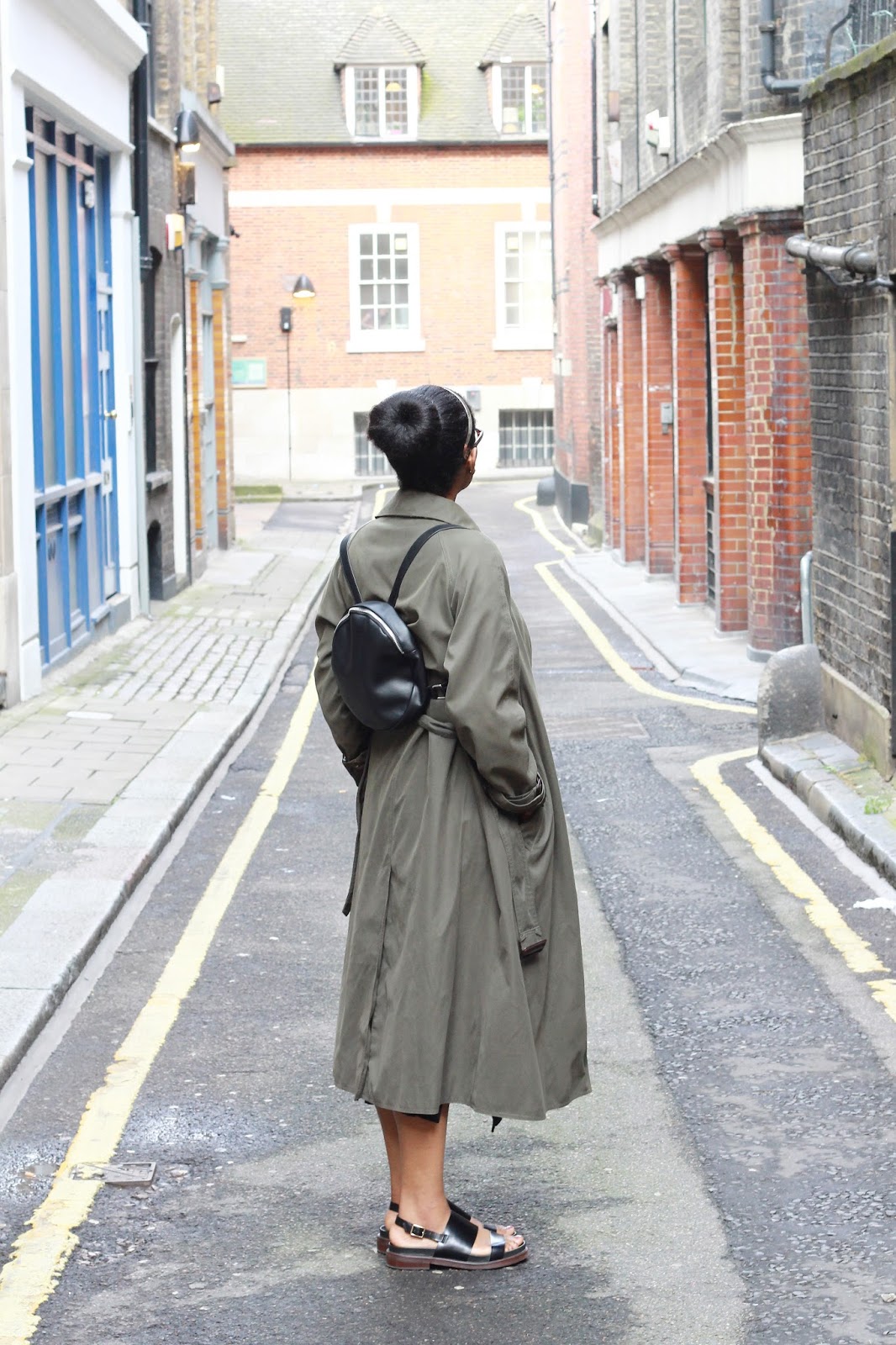
You should avoid sandals in winter when temperatures are near freezing or below, especially if you will spend time outdoors. Open footwear leaves your skin exposed to cold air and wet surfaces.
Do not wear sandals for:
• Snow shoveling
• Long outdoor walks
• Hiking in cold weather
• Driving in icy conditions
• Walking on salted or icy sidewalks
• Rainy or snowy commutes
• Outdoor sports
• Waiting for public transportation in the cold
Cold exposure can lead to numbness, painful skin, and frostbite. Frostbite can damage skin and deeper tissue. It often begins with cold, pale, or numb skin, but serious damage may not feel painful at first.
Numb feet are not a sign that you have adjusted to the weather. They are a warning. If your feet feel numb, get indoors, remove wet footwear, and warm them gently. Do not rub cold skin or place it directly against intense heat.
Watch for slippery surfaces
Winter sandals may also increase your risk of slipping. Many sandals have thin soles and limited tread. Ice, slush, and wet leaves can make even a careful step dangerous.


If you must walk outside in cool weather, choose shoes with:
• A firm, textured sole
• Secure straps
• Good heel support
• A closed toe
• A stable fit that does not slide
Fashion sandals are not designed for winter traction. A beautiful pair may still be unsafe on a wet sidewalk.

What types of sandals work best in winter?
Not all sandals offer the same level of comfort or protection. If you plan to wear sandals in winter, choose a pair that supports your feet and works with the weather.
Closed-toe sandals
Closed-toe sandals offer more protection than flip-flops. They cover the front of your foot while allowing airflow around the sides.
They work well for indoor events, mild climates, and short trips. Look for a thick upper, a secure ankle strap, and a sole with some traction.
Sport sandals
Sport sandals often have adjustable straps, strong soles, and better support. They are more stable than flat fashion sandals and may work for mild winter travel.
However, sport sandals are still open shoes. They will not protect your feet from snow, cold rain, or freezing wind.
Platform sandals
Platform sandals can add insulation between your feet and cold pavement. The extra height may also keep your feet away from small puddles.
Still, platforms can be unstable on slippery ground. Choose a wide base and a sturdy sole. Avoid high platforms when sidewalks are wet or icy.


Leather sandals
Leather sandals can look polished with winter clothing. They may also block more wind than thin fabric styles.
Leather is not automatically waterproof. Treat the material as recommended by the maker, and avoid soaking it in rain or snow. Wet leather may stretch, stain, or lose its shape.
Flip-flops
Flip-flops are usually the worst choice for cold weather. They offer little warmth, weak support, and poor protection from wet ground.
They may be fine for an indoor pool, a heated locker room, or a quick walk across a warm hotel. They are not suitable for a winter commute or long outdoor trip.

How to keep your feet warm while wearing sandals in winter
The best way to make winter sandals more comfortable is to reduce cold exposure. You cannot turn an open sandal into a winter boot, but you can add warmth and support.
Try these practical steps:
• Wear thick cotton or wool-blend socks.
• Choose socks that cover your ankles.
• Use sandals with a thicker sole.
• Apply a water-resistant treatment when the material allows it.
• Carry closed shoes for outdoor parts of your day.
• Keep an extra pair of dry socks in your bag.
• Limit the time you spend outside.
Socks with sandals can look intentional when the colors and textures work together. Ribbed socks, wool-blend socks, and clean athletic socks can create a relaxed winter outfit.
Avoid tight socks. Tight fabric may reduce comfort and make your feet feel colder. Make sure the sandals still fit correctly after you add socks.
One lesson I learned from wearing open shoes in cool weather is that the ground matters as much as the air. A dry wooden floor inside a restaurant felt fine, but a cold, wet sidewalk made the same sandals uncomfortable within minutes.
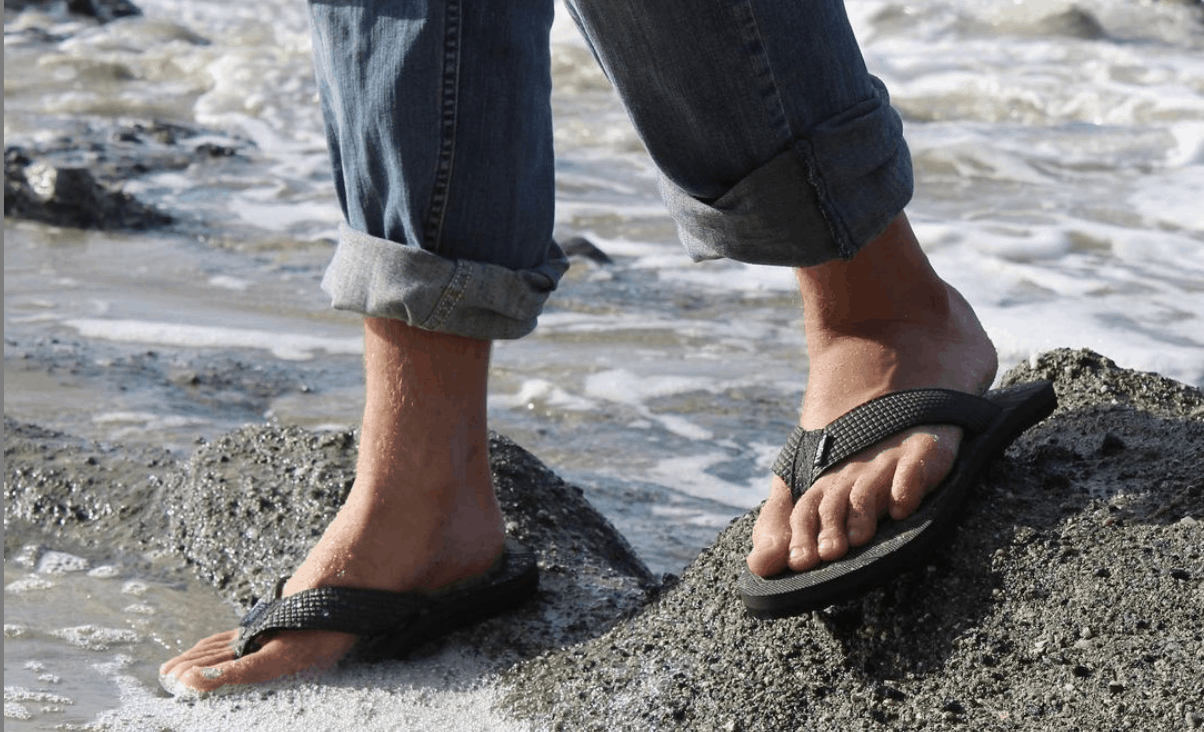
How to style sandals for winter outfits
Winter sandals can look modern when the rest of your outfit adds warmth. Think of the sandals as a small detail, not the main source of comfort.
Wear sandals with socks
Socks and sandals can create a deliberate layered look. Try:
• Black socks with black leather sandals
• Cream socks with brown sandals
• Ribbed socks with chunky platform sandals
• Sport socks with sporty sandals and wide-leg pants
Keep the socks clean and in good condition. This look works best when the colors repeat elsewhere in your outfit.
Pair sandals with long layers
A long coat, cardigan, or oversized sweater balances the open shape of sandals. Add straight-leg jeans, wide-leg trousers, or a long skirt for more coverage.
This styling method works because the outfit looks warm overall. The sandals become a contrast, much like a small window in a well-insulated room.
Choose warm colors and textures
Brown leather, black suede, rust, cream, and dark green often feel more seasonal than bright summer colors. Corduroy, wool, denim, and knit fabrics can also make sandals look more suitable for winter.
Use sandals as indoor shoes
If you love a special pair of sandals, wear them after you arrive at your destination. Travel in boots or sneakers, then change into sandals at the office, dinner, or party.
This is often the best answer for people who want the look without cold feet. It also protects your sandals from salt, rain, and slush.
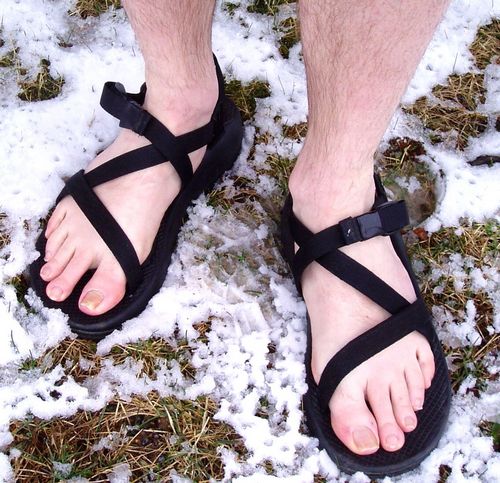
Can socks make winter sandals warmer?
Yes, socks can make winter sandals warmer, but they provide limited protection. They cover some exposed skin and help hold warm air near your feet.
Wool-blend socks are often a better choice than thin cotton socks for cool weather. Wool can help manage moisture and retain warmth even when slightly damp. Still, no sock can fully protect your feet from freezing temperatures, snow, or icy water.
For the best result:
• Pick socks that fit without squeezing.
• Keep the material dry.
• Choose ankle or crew length for more coverage.
• Avoid holes and thin worn areas.
• Check that your heel stays secure inside the sandal.
Socks also change how your foot sits in the shoe. A sandal that fits well without socks may feel tight with thick socks. Walk indoors before wearing the combination outside.

Benefits and drawbacks of wearing sandals in winter
Wearing sandals in winter has some practical and style benefits, but it also has clear limits.
Benefits
• They can feel comfortable in warm indoor spaces.
• They offer a fresh style during a season dominated by boots.
• They are useful in warm winter climates.
• They can work well with socks and layered clothing.
• They make it easy to transition from indoor to outdoor settings.
• They may be helpful when your feet need more airflow.
Drawbacks
• They provide little insulation.
• They expose skin to cold air and moisture.
• They offer less protection from snow and salt.
• Many styles have poor traction.
• Open straps may allow cold wind to reach your feet.
• They can increase the chance of numbness or discomfort.
• They are not suitable for long outdoor activities.
The right choice depends on the setting. A sandal can be practical for a heated office but unsafe for a snowy walk. Context matters more than fashion rules.

Winter sandals for different climates
The best answer to “Can you wear sandals in winter?” changes by location.
Warm and dry climates
In places with mild winters, sandals may work for daily wear. Choose supportive styles and check the temperature before leaving home.
Even in a warm climate, winter evenings can become cool. Carry a light jacket and closed shoes if you plan to stay out late.
Wet coastal climates
Rain creates a bigger problem than cool air. Wet feet can become cold fast, and slippery surfaces make open sandals less safe.
Choose water-resistant footwear with strong traction when rain is expected. Save sandals for indoor use.
Cold northern climates
In regions with snow, ice, and freezing temperatures, sandals should be limited to indoor spaces. Boots or insulated sneakers are safer for outdoor travel.
Do not use sandals as a substitute for proper winter footwear. Your feet need insulation, coverage, and traction.
Desert climates
Desert winters may feel warm during the day and cold after sunset. Sandals can work in the afternoon, but temperatures may drop sharply at night.
Check the forecast for the full time you will be outside. A warm noon does not guarantee a warm evening.
How to choose safe winter sandals
If you decide to wear sandals in winter, use this checklist before buying or wearing them:
-
Check the sole. Choose a thick, flexible sole with visible tread.
-
Check the fit. Your heel should stay in place, and your toes should not hang over the edge.
-
Check the straps. Secure straps reduce sliding and improve stability.
-
Check the material. Leather and sturdy synthetic materials often block more wind than thin fabric.
-
Check the weather. Avoid rain, snow, ice, and strong wind.
-
Check your plans. A short indoor trip is very different from a two-hour walk.
-
Pack a backup. Bring socks or closed shoes when the temperature may change.
Never wear sandals that rub, pinch, or allow your foot to slide. Poor fit can cause blisters and instability in any season.
People with diabetes, reduced circulation, or nerve problems should take extra care. Reduced sensation can make it harder to notice cold injury or pressure damage. A health professional can give advice based on your specific needs.
Common mistakes to avoid
Many winter sandal problems come from small mistakes. Avoid these habits:
• Wearing thin flip-flops on cold pavement
• Ignoring wet weather
• Choosing fashion over traction
• Wearing sandals for a long outdoor walk
• Assuming socks make sandals winter-proof
• Forgetting that evening temperatures fall
• Wearing loose sandals with slippery soles
• Staying outside after your feet become numb
One mistake I would not repeat is leaving home in sandals without a backup pair. The weather felt mild at first, but wind and damp ground made the trip much less comfortable. A small pair of packable flats or sneakers would have solved the problem.
Treat your feet like a phone battery in cold weather. They may work well at first, but exposure drains comfort and function faster than you expect.
How to tell when your feet are too cold
Your body gives clear warning signs. Go indoors if your feet feel:
• Numb
• Tingling
• Painful
• Pale or gray
• Very cold to the touch
• Stiff or difficult to move
Remove wet socks and sandals as soon as possible. Warm your feet gradually with dry clothing and a warm room. Avoid very hot water, heating pads, fireplaces, or hair dryers on numb skin because you may not feel a burn.
Seek medical help for skin that remains numb, develops blisters, turns dark, or causes severe pain after warming. Cold injuries can be more serious than they first appear.
Frequently asked questions about can you wear sandals in winter
Can you wear sandals in winter with socks?
Yes, you can wear sandals in winter with socks when the weather is mild and dry. Socks add warmth, but they do not provide enough protection for snow, freezing rain, or long outdoor walks.
Are sandals suitable for a winter wedding?
Sandals can work for a winter wedding if the event is indoors and you can travel in closed shoes. Choose dressy sandals with warm tights or socks, and avoid wearing them for long periods outside.
Can you wear sandals in winter in a cold climate?
You can wear sandals in winter in a cold climate indoors, such as at home, a hotel, or a heated event. For outdoor use, boots or closed shoes are safer when temperatures are near freezing or when snow and ice are present.
What socks are best with winter sandals?
Wool-blend or thick ribbed socks are good choices for mild winter weather. Make sure they fit comfortably and do not make the sandals tight or unstable.
Can sandals cause frostbite in winter?
Sandals can increase the risk of frostbite because they expose your toes and other skin to cold air. The risk rises during freezing temperatures, strong wind, wet weather, and long outdoor exposure.
Are platform sandals warmer in winter?
Platform sandals may keep your feet farther from cold pavement, but they are not truly warm footwear. They can also be less stable on ice, wet leaves, or slush.
Can you wear sandals in winter rain?
It is usually better to avoid sandals in winter rain. Wet feet become cold quickly, and open sandals provide little protection from puddles, wind, and slippery surfaces.
Conclusion
So, can you wear sandals in winter? Yes, but only when the weather is mild, the ground is dry, and your time outdoors is short. Choose supportive sandals, consider warm socks, check the forecast, and carry closed shoes when conditions may change.
Avoid sandals in snow, ice, freezing rain, and strong wind. Comfort and safety should guide your choice more than seasonal fashion rules. Use these tips the next time you plan a winter outfit, and share your favorite sandal-and-sock combination in the comments.

Rubel Miah is the Senior Editor at MyStyleGrid.com, where he brings a sharp editorial eye and an unshakable love for fashion to everything he does. A true style addict, Rubel lives and breathes trends, from streetwear to high fashion, and has a knack for turning inspiration into impactful stories. With years of experience in fashion journalism and digital media, he curates content that empowers readers to express themselves through style. When he’s not editing features or forecasting the next big thing, you’ll find him hunting down vintage pieces or capturing street style moments around the city.