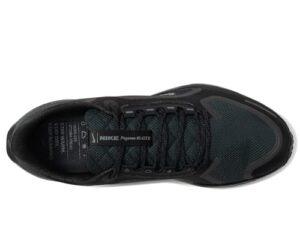
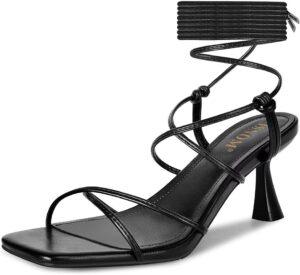
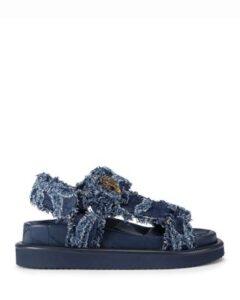
Yes, you can wear sandals in Japan, especially in summer, but choose comfortable shoes and follow local footwear rules.
Japan is welcoming to travelers in sandals, yet the right pair depends on your plans, season, and destination. From crowded train stations and temple visits to tatami rooms and rainy city streets, this guide explains when sandals work, when they do not, and how to avoid common footwear mistakes.
Can You Wear Sandals in Japan?
Yes, you can wear sandals in Japan. Many locals and visitors wear them during the warm months, especially from June through September. Open-toe sandals are common in cities, beach areas, resort towns, and casual settings.
However, sandals are not ideal for every activity. Japan often involves long walks, stairs, crowded trains, and uneven streets. A stylish pair may look good but feel painful after several hours.
When deciding can you wear sandals in Japan, think about three things:
• The weather and season
• The amount of walking you will do
• Whether your itinerary includes places where shoes must be removed
Comfort matters more than fashion. A secure sandal with good support is often better than a loose flip-flop.
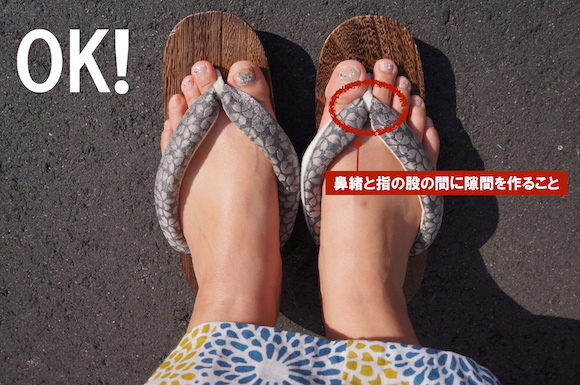
When Sandals Work Well in Japan
Sandals work well for many casual travel plans. They are especially useful in warm weather, when closed shoes can feel hot and damp.
City sightseeing
You can wear sandals while exploring Tokyo, Osaka, Kyoto, Hiroshima, and other major cities. Many streets are smooth and easy to walk on, although large stations can involve long corridors and many stairs.
Choose sandals with:
• A firm sole
• Adjustable straps
• Good heel support
• A non-slip bottom
• Soft material that does not rub
Walking sandals are usually better than beach flip-flops. They stay on your feet when you move quickly through a station or climb temple steps.
Beaches and resort areas
Sandals are a natural choice in Okinawa, Kamakura, Enoshima, and other coastal areas. They are also useful around hotel pools, public beaches, and resort towns.
Still, check whether your accommodation provides indoor slippers. In Japan, outdoor sandals should not be worn on tatami mats or in many indoor areas.
Casual restaurants and shopping areas
Simple sandals are acceptable in most casual restaurants, cafés, malls, and department stores. Clean, neat footwear is usually enough.
Very casual flip-flops may look out of place in an upscale restaurant. If you plan to enjoy fine dining, a traditional tea ceremony, or a formal event, pack another option.

When You Should Avoid Sandals
Sandals are not always the best choice in Japan. Some activities call for more protection, warmth, or support.
Long walking days
A day in Kyoto can include temples, hills, stone paths, and many steps. A day at Tokyo Disney Resort or Universal Studios Japan can mean hours on your feet.
I often recommend testing travel sandals at home before a trip. Wear them for a full day, not just for a short walk. This helps reveal hot spots, weak straps, and poor arch support before you leave.
Avoid sandals if they cause:
• Heel pain
• Blisters
• Foot fatigue
• Toe pressure
• An unstable step
A comfortable walking shoe may be a better choice for intensive sightseeing.
Rainy weather
Japan has a rainy season, known as tsuyu, that usually affects much of the country from June into July. Rain can also occur during typhoons and wet winter periods.
Wet sandals can be slippery and uncomfortable. They may also leave your feet exposed to puddles, mud, and dirty water near busy roads.
For rainy days, consider:
• Water-resistant walking shoes
• Quick-dry sandals with strong grip
• Lightweight rain shoes
• Spare socks in a sealed plastic bag
If you choose sandals during rain, use a pair designed for water. Smooth-soled fashion sandals are risky on wet pavement.
Cold weather
Winter in Japan can be cold, especially in Hokkaido, the Japanese Alps, and northern regions. Snow and icy paths make open footwear unsafe.
You should generally avoid sandals in:
• December through February in cold regions
• Snowy mountain towns
• Outdoor winter festivals
• Ski resorts
• Cold rural areas
The answer to can you wear sandals in Japan changes greatly by season and region. Sandals may work in warm Okinawa while being unsuitable in snowy Nagano on the same day.
Hiking and rural travel
Japan has beautiful trails, but many include rocks, roots, mud, and steep steps. Hiking sandals can work on easy, dry paths, but ordinary fashion sandals are not suitable.
For mountain trails, wear shoes with ankle stability, traction, and toe protection. Always check trail conditions before leaving.

Japanese Footwear Etiquette You Need to Know
The most important rule is simple: remove outdoor footwear when a place asks you to. This custom protects clean floors and shows respect for the space.
Look for signs such as “please remove your shoes,” shoe shelves, lockers, or a raised entrance area called a genkan. If other guests remove their shoes, follow their example.
You may need to remove your sandals at:
• Traditional inns called ryokan
• Rooms with tatami mats
• Some temples and shrines
• Traditional restaurants
• Tea ceremony venues
• Certain museums and historic buildings
• Some changing rooms and private homes
Keep your socks clean
Sandals often leave your feet bare. That can be awkward when you must remove them indoors.
Pack clean socks for temple visits, traditional restaurants, and ryokan stays. Socks also help protect your feet from cold floors and reduce contact with shared indoor surfaces.
In some places, bare feet may be viewed as less polished, even when they are not strictly forbidden. Clean, neutral socks are a small but useful part of respectful travel.
Use toilet slippers correctly
Some traditional accommodations and restaurants provide separate slippers for the bathroom. Put them on only inside the bathroom, then switch back when you leave.
Leaving bathroom slippers on outside the restroom is a common visitor mistake. It is easy to avoid if you pause and check your feet before stepping back into the main room.
Store sandals neatly
If you remove your sandals, place them together and point them toward the exit. Many entrances have a clear space for footwear.
Do not block the doorway or leave your sandals in the middle of a walkway. Small acts of care make the process smooth for everyone.

The Best Sandals for a Japan Trip
The best travel sandals are comfortable, secure, and easy to remove. You do not need expensive footwear, but you should choose a pair that matches your itinerary.
Supportive walking sandals
These are useful for city trips and warm-weather sightseeing. Look for cushioned soles, adjustable straps, and firm arch support.
A supportive sandal should stay attached to your foot without squeezing your toes. If you must grip the sole with your toes to keep it on, it is not a good walking sandal.
Sport sandals
Sport sandals are helpful for light trails, wet streets, and active travel. Their straps usually hold the foot better than flip-flops.
They may look less formal, so pack a cleaner pair if your plans include upscale dining or formal events.
Slip-on sandals
Slip-on sandals are convenient when you often remove your shoes. They work well for ryokan stays, shared bathrooms, and short walks near your hotel.
They are less secure for long walks. Use them for convenience, not for a full day of sightseeing.
Flip-flops
Flip-flops are fine for hotel rooms, beaches, pools, and quick trips to a nearby convenience store. They are usually poor choices for a full day in Japan.
They offer little support and can make stairs, crowded stations, and uneven paths harder to manage.

Sandals by Season and Region
Japan stretches from snowy northern islands to subtropical Okinawa. Footwear needs can change sharply from one region to another.
Spring
Spring weather is often mild, but temperatures can change during the day. Sandals may work on warm afternoons, but closed shoes are safer for cool mornings and evenings.
If you visit during cherry blossom season, expect plenty of walking and time outdoors. A comfortable sneaker or walking shoe may be more useful than sandals.
Summer
Summer is the easiest season for wearing sandals in Japan. Heat and humidity can make closed shoes uncomfortable, particularly in large cities.
Choose breathable sandals with strong grip. Carry a small towel, spare socks, and a light rain layer because summer showers can arrive quickly.
Autumn
Early autumn may still feel warm, especially in southern Japan. Later autumn can be cool, and mountain areas may become cold.
Check the forecast for each city rather than packing for Japan as if it has one climate.
Winter
Closed shoes are usually the best option in winter. Choose warm footwear with traction if you will visit snowy or icy areas.
Okinawa is milder, but even there, sandals may not be comfortable on cool or rainy days.
Can You Wear Sandals on Trains and Public Transportation?
Yes, you can wear sandals on Japanese trains, subways, buses, and bullet trains. There is no general rule that bans sandals on public transportation.
The main concern is comfort and safety. Stations can be crowded, and your feet may be stepped on. A sandal with a secure toe area and strong straps offers more protection than a loose flip-flop.
Keep your feet off seats and avoid placing them on luggage or another passenger’s space. Good manners matter more than the style of your footwear.
For overnight buses or long train rides, sandals can be convenient. You may want to bring socks so your feet stay warm in strong air conditioning.

Can You Wear Sandals to Temples and Shrines?
You can usually wear sandals to the outdoor parts of temples and shrines. Many visitors do so in summer.
Some buildings require shoes to be removed before entry. This is more likely in historic halls, prayer spaces, museums, and rooms with tatami flooring.
Before entering, look for:
• A shoe rack
• A no-shoes sign
• A raised wooden floor
• Other visitors removing footwear
Wear sandals that are easy to remove, but do not leave them loose or scattered. Clean socks are helpful, especially when visiting several traditional sites in one day.
Common Mistakes to Avoid
Knowing can you wear sandals in Japan is only part of the decision. Knowing how to wear them well is just as important.
Avoid these common mistakes:
• Wearing brand-new sandals for a full day
• Choosing a thin sole for steep temple steps
• Wearing slippery sandals in heavy rain
• Forgetting socks for shoe-removal locations
• Using outdoor sandals indoors
• Wearing beach flip-flops to formal restaurants
• Ignoring blisters until they become severe
One lesson I frequently share with travelers is to pack two footwear options. Use supportive sandals on hot days and closed shoes for rain, long walks, or formal plans. This simple backup can save an entire vacation day.
A Practical Footwear Packing List
A small footwear plan can make your Japan trip easier. You do not need many pairs.
Consider packing:
• One comfortable walking shoe
• One supportive sandal
• Lightweight socks
• Blister pads
• A small shoe bag
• Water-resistant shoe covers or a rain-ready option
• Hotel slippers, if you prefer your own
Wear your bulkiest shoes during travel. Keep sandals near the top of your luggage so you can change easily after arrival.
A shoe bag also protects your clothes when you remove footwear at an airport locker, ryokan, or hotel room.
Frequently Asked Questions About Can You Wear Sandals in Japan
Can you wear sandals in Japan during summer?
Yes, sandals are widely accepted during summer. Choose a clean, supportive pair with good grip because heat, humidity, rain, and long walks are common.
Can you wear flip-flops in Japan?
You can wear flip-flops at beaches, pools, hotels, and for very short walks. They are not ideal for full-day sightseeing because they provide little support and can slip on wet streets.
Do you need to remove sandals at Japanese temples?
Sometimes. Outdoor temple and shrine grounds often allow sandals, but indoor halls, tatami rooms, and historic buildings may require you to remove them.
Should you wear socks with sandals in Japan?
Socks are not required in most outdoor settings, but carrying a clean pair is wise. You may need them when entering a traditional restaurant, ryokan, temple building, or other place where footwear must be removed.
Are sandals suitable for walking around Tokyo?
Supportive sandals can work well in Tokyo during warm weather. However, Tokyo stations and neighborhoods can involve many miles of walking, so bring shoes that you have already tested for comfort.
Can you wear sandals to a Japanese restaurant?
You can wear sandals to most casual restaurants. For fine dining, traditional restaurants, or formal venues, neat closed shoes are usually a safer and more respectful choice.
Conclusion
Yes, you can wear sandals in Japan, particularly during warm weather and casual outings. The best choice is a clean, secure pair with strong support, good traction, and straps that hold your feet in place.
Remember that Japan combines long walking days with places where shoes must be removed. Pack sandals for heat and convenience, but also bring comfortable closed shoes, clean socks, and a rain-ready option.
Plan your footwear around your route, test each pair before departure, and respect every no-shoes rule you encounter. With that simple preparation, you can explore Japan comfortably and confidently—then share your own travel tips or explore more Japan packing guides before your trip.

Rubel Miah is the Senior Editor at MyStyleGrid.com, where he brings a sharp editorial eye and an unshakable love for fashion to everything he does. A true style addict, Rubel lives and breathes trends, from streetwear to high fashion, and has a knack for turning inspiration into impactful stories. With years of experience in fashion journalism and digital media, he curates content that empowers readers to express themselves through style. When he’s not editing features or forecasting the next big thing, you’ll find him hunting down vintage pieces or capturing street style moments around the city.