Sandals with straps are usually called strappy sandals, though their names change by strap design and coverage.
If you have searched “what are the sandals with straps called,” you are not alone. Shoe terms can feel confusing because retailers use broad names like strappy sandals alongside specific terms such as gladiator, ankle-strap, T-strap, and fisherman sandals. This guide explains each style, how it fits, and how to choose the right pair for comfort and daily wear.
What Are Sandals With Straps Called?
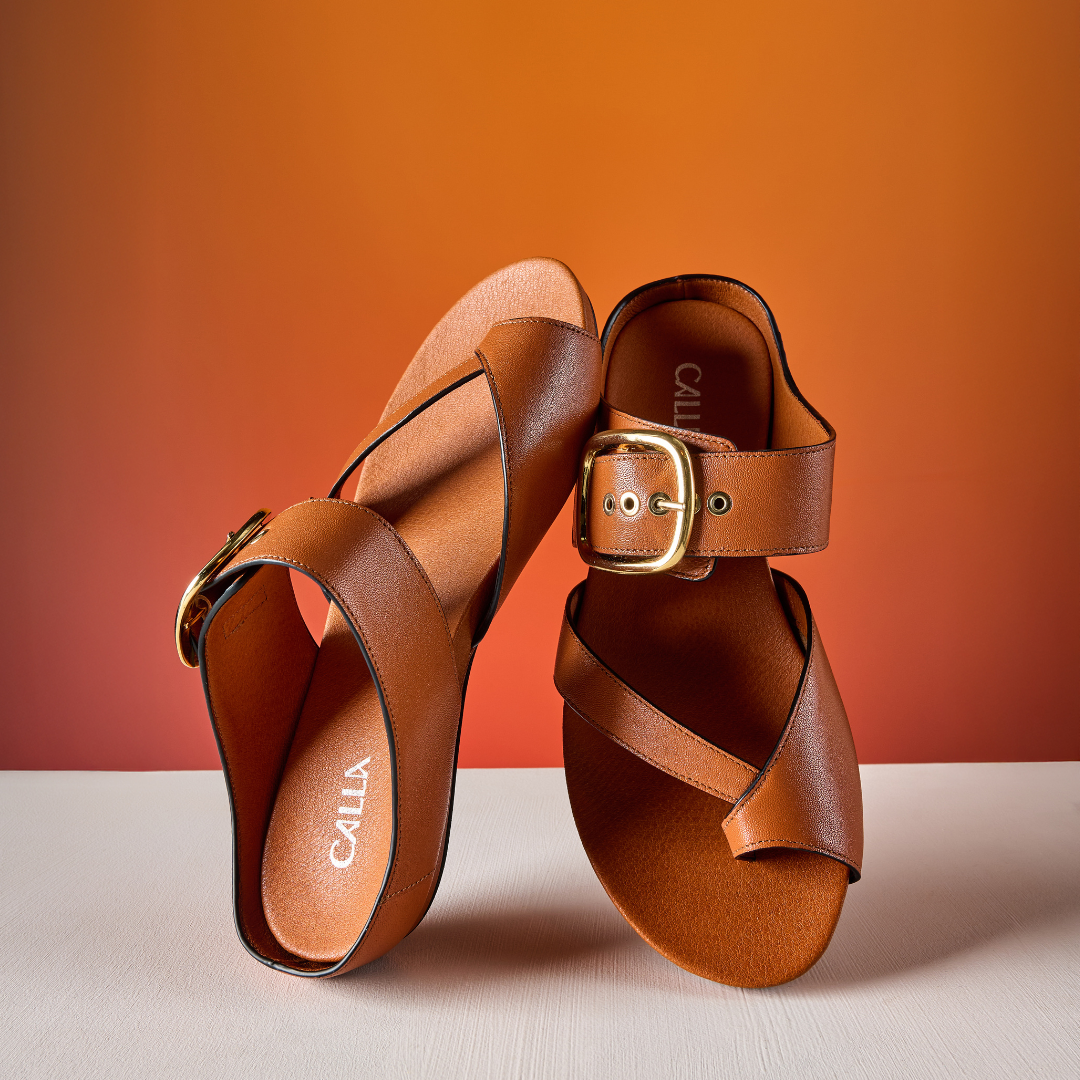
The general name for sandals with one or more straps is strappy sandals. The straps may cross the toes, wrap around the ankle, run up the leg, or connect through the center of the foot.
The exact name depends on the strap pattern, heel height, toe coverage, and purpose. For example, a simple sandal with two thin straps may be called a strappy flat, while a sandal with many straps that rise toward the knee is usually called a gladiator sandal.
When someone asks, “What are the sandals with straps called?” the safest short answer is strappy sandals. However, knowing the more precise names helps when shopping online or describing a favorite pair.

Common Types of Strappy Sandals
Straps can change both the look and function of a sandal. Some provide a secure fit, while others mainly add style. Here are the most common types.
Ankle-strap sandals
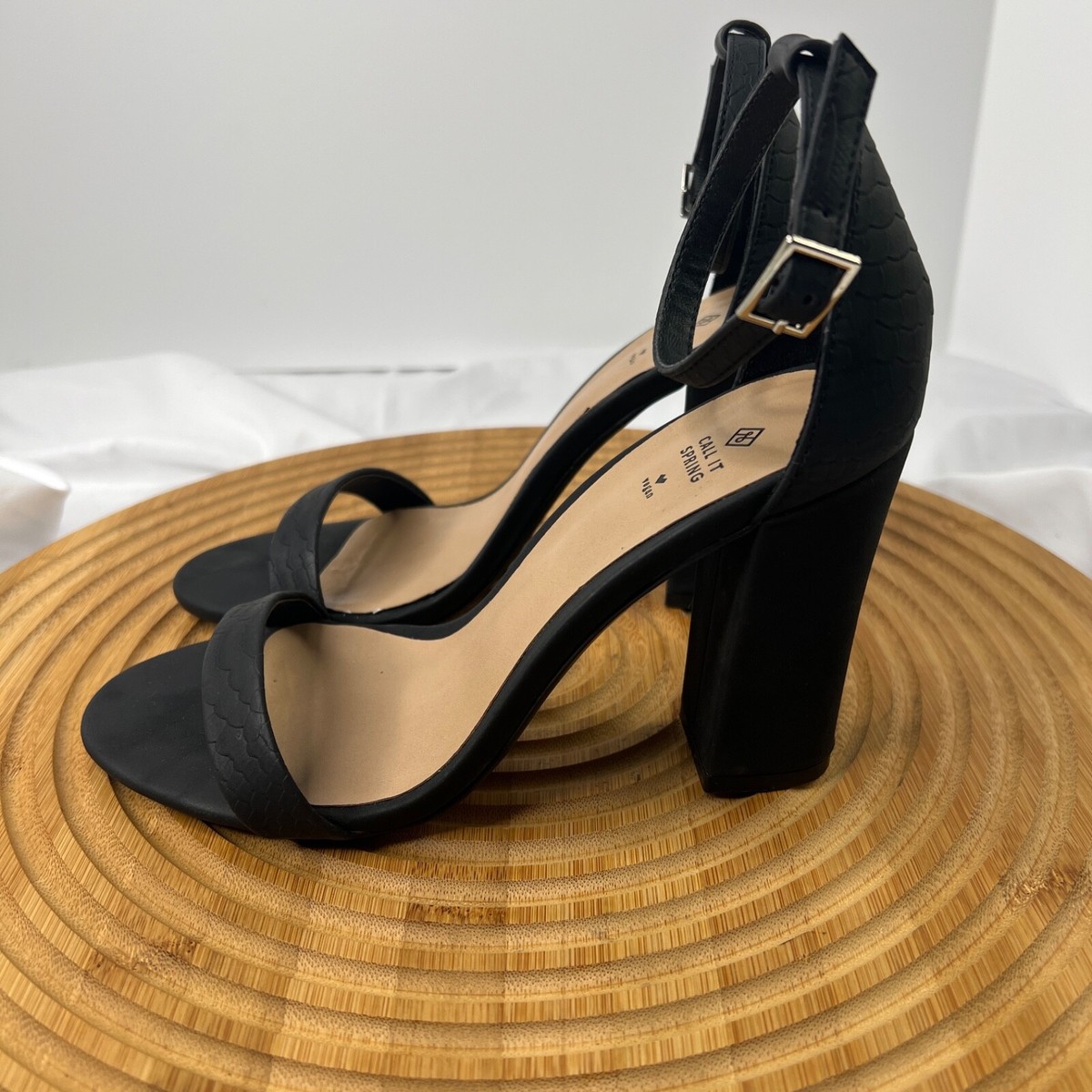
Ankle-strap sandals have a strap that wraps around the ankle. The strap often closes with a buckle, snap, or hook-and-loop fastener.
These sandals may have a flat sole, wedge, or high heel. They are popular because the ankle strap can make the shoe feel more secure than a simple slip-on sandal.
T-strap sandals
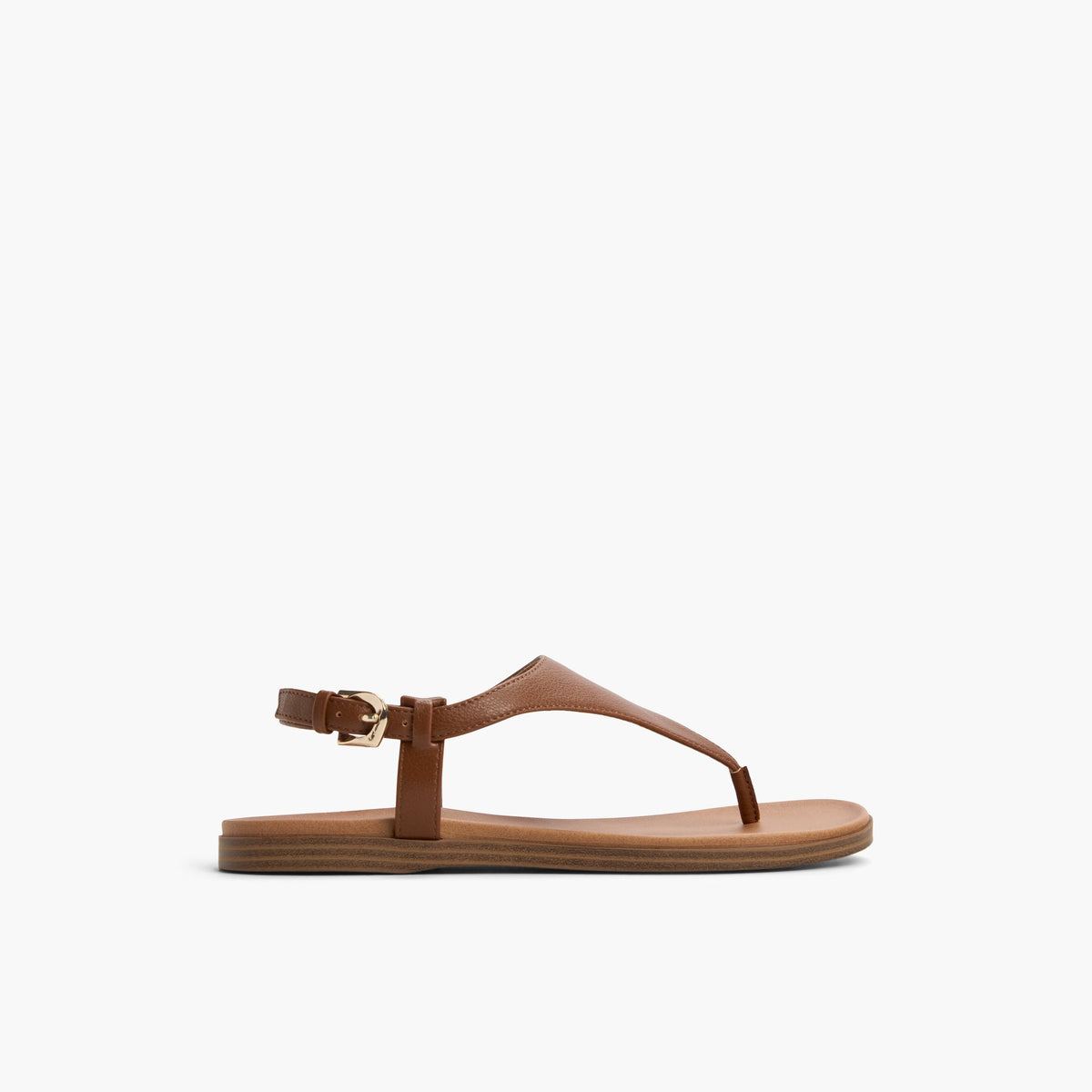
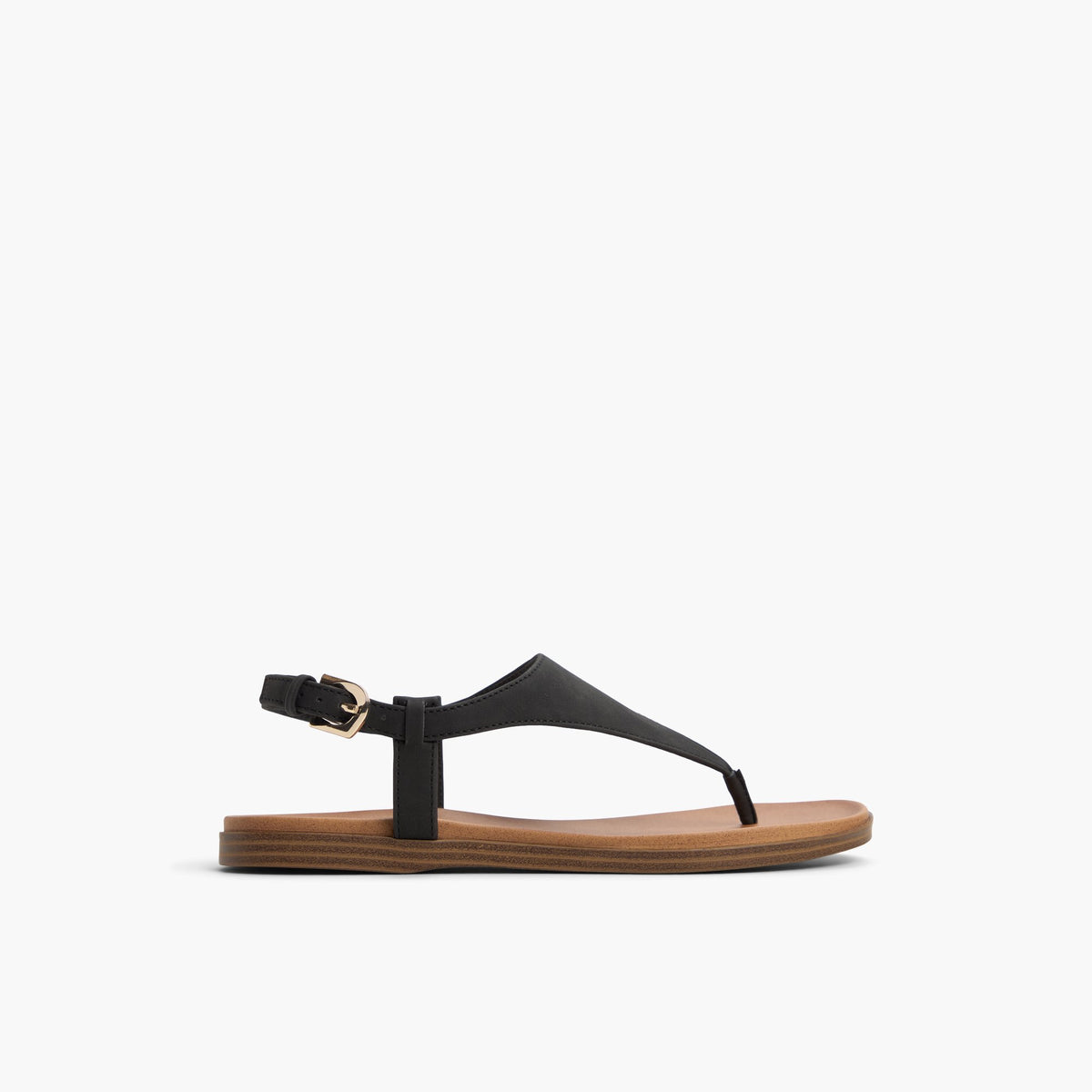
T-strap sandals have one strap that runs from the toe area up the center of the foot and connects to a strap around the ankle. From above, the design looks like the letter T.
This style offers a neat, simple shape. It is common in casual flats, dress sandals, and vintage-inspired footwear.
Gladiator sandals
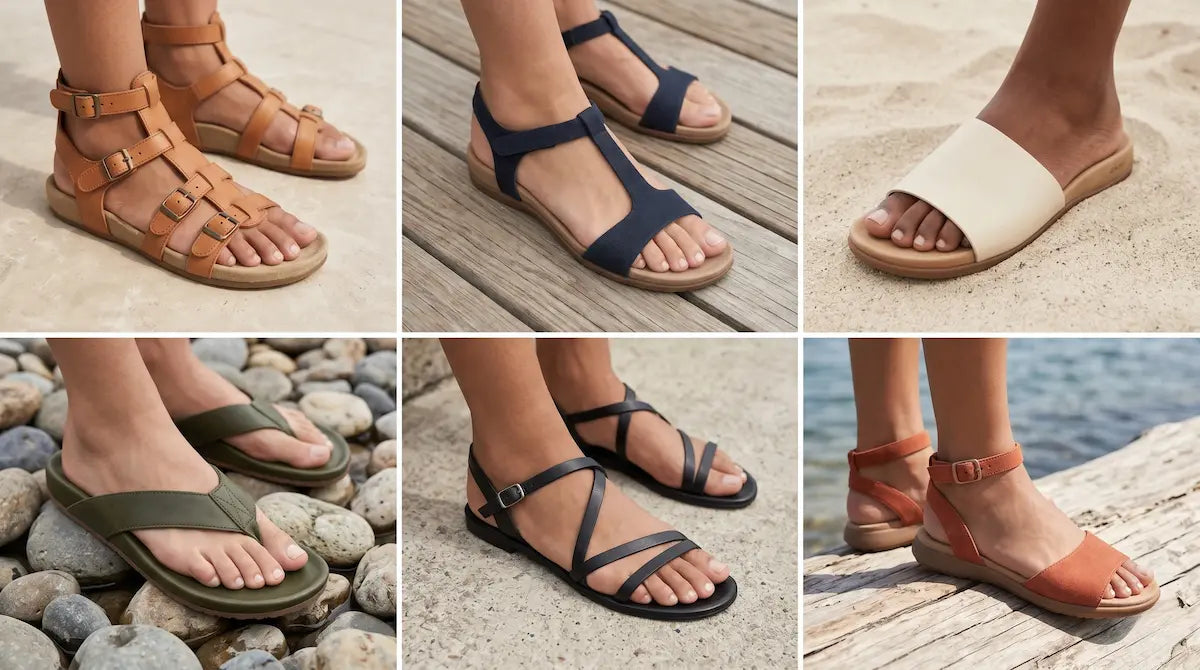
Gladiator sandals have several straps that cross the foot. Some stop at the ankle, while others extend up the calf or near the knee.
Modern gladiator sandals are inspired by ancient Roman footwear, but they come in many forms. A pair with thin leather straps may look delicate, while wide straps and metal details create a bold style.
Toe-strap sandals
Toe-strap sandals have a strap that passes over or around one or more toes. Some designs use a single band across the toes, while others include a loop around the big toe.
These sandals can feel stable when the toe area fits well. If the strap is too tight, though, it may cause rubbing or pressure.
T-bar sandals
T-bar sandals are closely related to T-strap sandals. The key feature is a vertical strap that connects the front of the shoe to the ankle or a side strap.
The terms are often used interchangeably in stores. A T-bar design may also include a closed toe, making it look more like a sandal shoe.
Slingback sandals
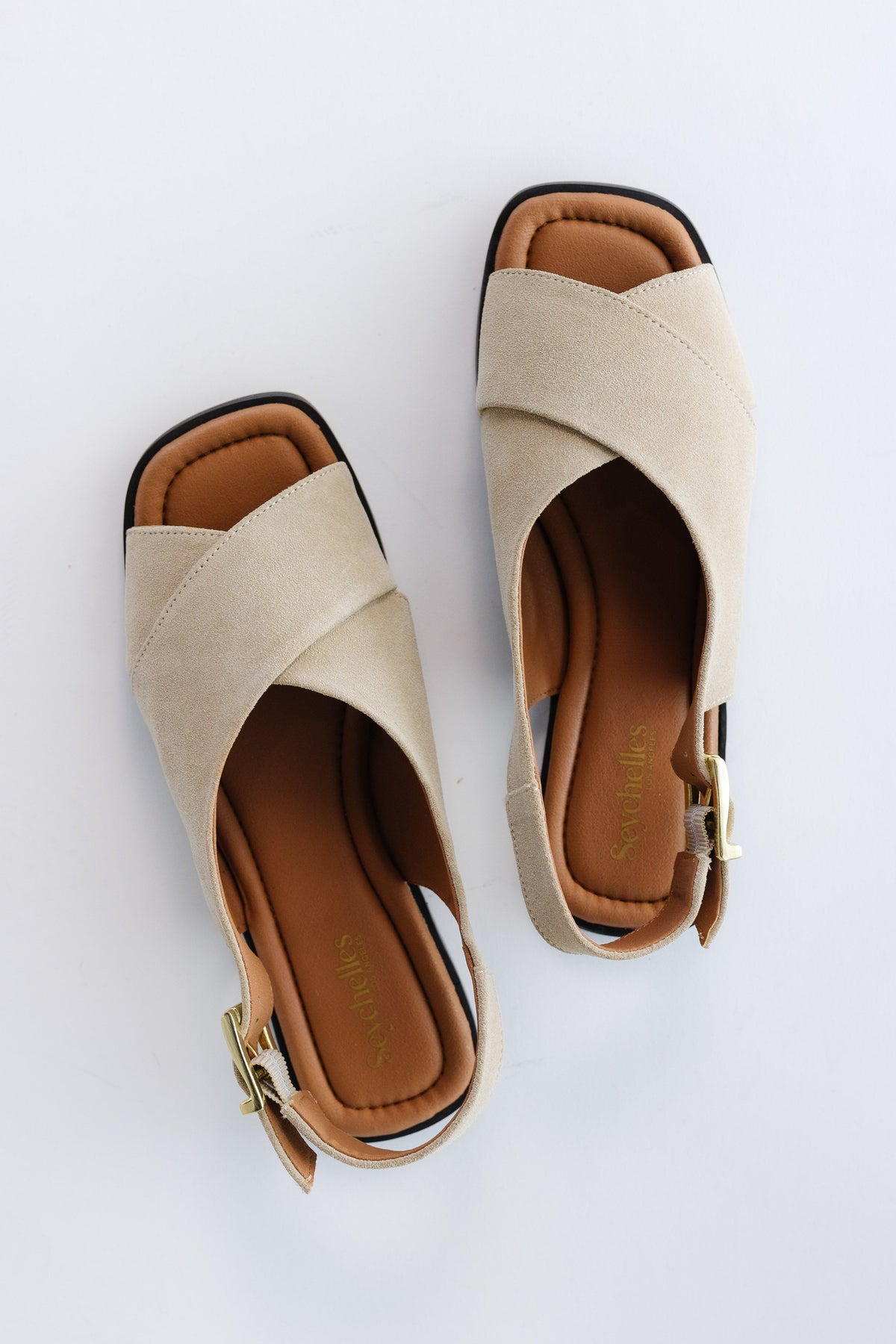
Slingback sandals have a strap that passes behind the heel instead of fully surrounding the ankle. The back strap helps hold the sandal in place while leaving the heel partly open.
They can look polished and light. They are often used in office outfits, summer dresses, and dressy casual clothing.
Fisherman sandals
Fisherman sandals have several wide straps that cover much of the foot. They usually include a closed or partly closed toe area and an adjustable ankle strap.
This design gives more coverage and protection than many open sandals. It is useful for walking, travel, and casual outfits when you want a sandal that feels more secure.
Huarache sandals
Huaraches are woven sandals made with leather or similar strips. The straps form an open, braided pattern around the foot.
Traditional huaraches have roots in Mexican footwear. Modern versions may use different materials, but the woven design remains their most recognizable feature.
Why Do Sandals Have Straps?
Straps serve more than a decorative purpose. They help connect the foot to the sole and can control how much the foot moves inside the sandal.
A well-placed strap may help with:
• Holding the heel in place
• Reducing forward sliding
• Improving balance
• Adjusting the fit across the foot
• Adding coverage and protection
• Creating a certain fashion style
Still, straps do not automatically make a sandal supportive. A thin strap may look attractive but offer little control. A sandal with several straps may feel secure, but the sole may still be too flat, stiff, or thin for long walks.
The best sandal balances strap placement, sole shape, cushioning, and fit. Think of the straps as the seat belt of the sandal. They help keep the foot in place, but the whole shoe must still be built well.
Strappy Sandals vs. Other Sandal Styles
Understanding related footwear terms makes shopping easier. Not every open shoe with a strap is described in the same way.
Flip-flops
Flip-flops usually have a Y-shaped strap that passes between the first and second toes. They are easy to wear but often provide limited support and heel control.
They work well for short trips, pools, beaches, and locker rooms. They may not be ideal for long walks because the toes must grip the sole to keep the shoe attached.
Slides
Slides have one or more wide straps across the front of the foot. They do not usually have a back strap.
Slides are quick to put on and often feel comfortable for casual use. However, they can slip if the upper is loose or if the sole is smooth.
Mules
Mules are backless shoes that may be open or closed at the toe. Some have a single strap, while others use a wide upper.
A mule can look similar to a slide, but the term often includes dressier or more structured designs.
Espadrille sandals
Espadrille sandals have soles made with a rope-like material, often combined with ankle ties or straps. They may have a flat, platform, or wedge shape.
They are known for their warm-weather look. Ankle ties can add style, but they should not be so tight that they leave deep marks.
How to Choose Comfortable Strappy Sandals
Knowing what are the sandals with straps called is useful, but comfort should guide your final choice. A stylish sandal that causes pain will likely stay in the closet.
Use these checks when trying on a pair:
-
Try them on late in the day. Feet often swell slightly after standing and walking.
-
Check the toe space. Your toes should not hang over the front edge or press against the upper.
-
Test the straps. They should hold the foot without digging into the skin.
-
Walk on a firm surface. Notice whether your heel slips or your toes grip the sole.
-
Bend the sandal gently. Some flexibility is useful, but the shoe should not fold with no control.
-
Inspect the sole. Look for enough thickness, traction, and cushioning for the way you plan to use the sandals.
-
Try both shoes. Feet are rarely identical in size, so one side may need a different adjustment.
A common mistake is buying a sandal based only on the strap length. The footbed shape matters just as much. A strap can be adjustable while the sole still feels too narrow or too flat.
People with diabetes, reduced sensation, or a history of foot problems should take extra care. A health professional or qualified shoe specialist can offer advice suited to individual needs.
How Strap Placement Affects Fit
Different strap locations affect different parts of the foot. Learning this can help you spot problems before they become painful.
Straps across the toes
These straps can stop the foot from sliding forward. They should sit over the foot, not press directly against the toe joints.
Straps over the arch
Arch straps can improve stability. They should feel secure but should not create numbness, tingling, or sharp pressure.
Ankle straps
Ankle straps can reduce heel movement. Leave enough room for normal movement and mild swelling. A strap that is too tight may rub the skin.
Heel straps
A heel strap can improve control during walking. It is especially helpful when the sandal has a thicker sole or a slight heel.
Straps that rise up the leg
Tall gladiator straps create a dramatic look. They can also rub the calf or feel restrictive if the material is stiff.
During footwear testing, I often recommend a simple rule: walk for several minutes before deciding. A sandal may feel fine while standing still but reveal pressure points after repeated steps.
What Are the Sandals With Straps Called for Different Occasions?
The best name depends partly on where you plan to wear the sandals.
For everyday errands
Choose strappy flats, ankle-strap sandals, or fisherman sandals. Look for a cushioned footbed, adjustable straps, and a sole with good traction.
For the beach or pool
Flip-flops and waterproof slides are common choices. Pick materials that dry quickly and avoid leather if frequent water exposure may damage it.
For walking and travel
Fisherman sandals, supportive strappy sandals, and some sport sandals are usually better options. A secure heel strap and textured outsole can improve comfort on uneven ground.
For weddings or formal events
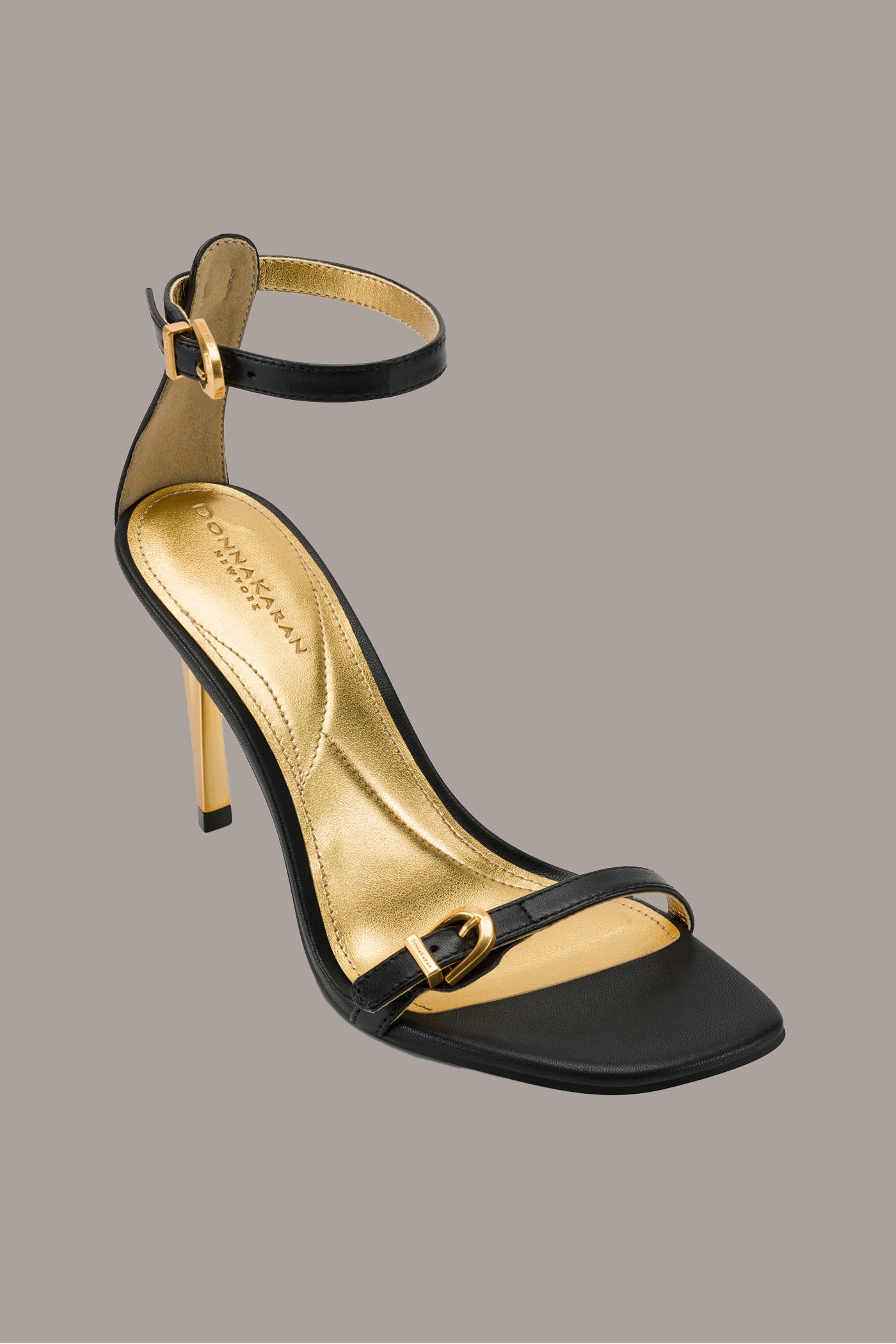
Heeled strappy sandals, slingback sandals, and delicate ankle-strap designs work well with dresses and tailored clothing. Test the shoes before the event, especially if you expect to stand for hours.
For warm office outfits
Low-heeled ankle-strap sandals, T-strap sandals, and polished slingbacks can look professional. Check your workplace dress code before wearing open footwear.
For outdoor use
Sport sandals with adjustable straps and durable soles are often the safest choice. Fashion sandals may not offer enough grip or protection on trails and rough paths.
Benefits and Limitations of Strappy Sandals
Strappy sandals offer several useful features, but they are not perfect for every foot or activity.
Benefits
• Adjustable fit in key areas
• Many styles for casual and formal clothing
• Better heel control than some slip-on sandals
• More airflow than closed shoes
• Options for narrow, wide, and average feet
• Easy pairing with dresses, shorts, jeans, and skirts
Limitations
• Straps may rub or cause blisters
• Thin soles may provide little shock absorption
• Tall heels can reduce stability
• Open designs offer less protection from debris
• Some styles are difficult to adjust
• Smooth soles may slip on wet surfaces
The answer to what are the sandals with straps called does not tell you whether a pair is healthy or comfortable. Names describe style, not quality. Always judge the shoe by its materials, construction, fit, and intended use.
Styling Tips for Strappy Sandals
Strappy sandals can make an outfit look lighter and more complete. The goal is to match the sandal’s visual weight with the rest of your clothing.
Try these simple combinations:
• Wear thin ankle-strap sandals with a flowing dress for a soft, simple look.
• Pair chunky fisherman sandals with straight-leg jeans or relaxed trousers.
• Match metallic strappy heels with evening outfits or tailored clothing.
• Wear flat gladiator sandals with shorts, linen pants, or a casual skirt.
• Use neutral leather sandals when you want one pair to match many outfits.
• Choose bright straps when the rest of your outfit has simple colors.
Keep proportions in mind. Wide straps tend to look stronger and more casual. Thin straps often look delicate and dressy. A high ankle strap can visually shorten the leg, while a low, narrow strap usually creates a more open look.
How to Care for Strappy Sandals
Good care can extend the life of your sandals and protect the straps.
• Wipe away dirt after use.
• Let damp sandals dry naturally away from direct heat.
• Use products made for the material.
• Store sandals in a cool, dry place.
• Avoid folding leather straps sharply.
• Check buckles, stitching, and soles before long walks.
• Replace worn tread when the outsole becomes smooth.
Leather may need conditioning, while synthetic materials often need only mild soap and water. Always test a cleaning product on a hidden area first.
If a strap causes repeated rubbing, a shoe repair professional may be able to soften, move, or replace it. Do not ignore ongoing pain simply because the sandals look attractive.
Frequently Asked Questions
What are the sandals with straps called?
They are generally called strappy sandals. More specific names include ankle-strap, T-strap, gladiator, toe-strap, slingback, fisherman, and huarache sandals.
What are sandals with straps around the ankle called?
They are usually called ankle-strap sandals. If the strap passes behind the heel without fully wrapping the ankle, the style may be called a slingback sandal.
What are sandals with many straps called?
Sandals with many crossing straps are often called gladiator sandals. If the straps are wide and cover much of the foot, the pair may instead be described as fisherman sandals.
Are strappy sandals good for walking?
Some are, but not all. For walking, choose adjustable straps, a secure heel, a cushioned footbed, and an outsole with reliable traction.
What is the difference between strappy sandals and gladiator sandals?
Strappy sandals are a broad category that includes many designs with straps. Gladiator sandals are a specific type with several straps that cross the foot and may extend up the ankle or calf.
Are ankle-strap sandals comfortable?
They can be comfortable when the strap fits securely without rubbing or restricting movement. Comfort also depends on the sole, heel height, footbed, and overall shoe shape.
Conclusion
The most common answer to “what are the sandals with straps called” is strappy sandals. The exact term may be ankle-strap, T-strap, gladiator, toe-strap, slingback, fisherman, or huarache, depending on the design.
When shopping, look beyond the name. Check the strap placement, footbed, sole, heel control, and traction. Choose a pair that fits your foot and matches the way you plan to wear it. Explore different styles, test them with real steps, and share your favorite strappy sandal design in the comments.

Rubel Miah is the Senior Editor at MyStyleGrid.com, where he brings a sharp editorial eye and an unshakable love for fashion to everything he does. A true style addict, Rubel lives and breathes trends, from streetwear to high fashion, and has a knack for turning inspiration into impactful stories. With years of experience in fashion journalism and digital media, he curates content that empowers readers to express themselves through style. When he’s not editing features or forecasting the next big thing, you’ll find him hunting down vintage pieces or capturing street style moments around the city.