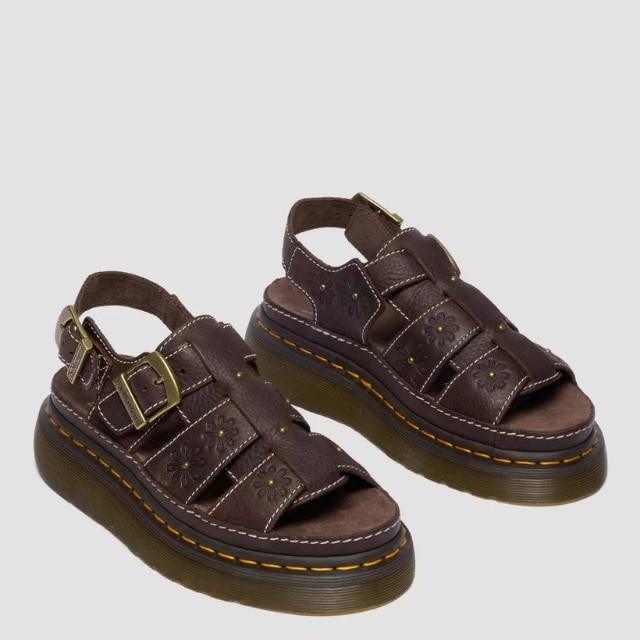
Yes, Doc Marten sandals can feel comfortable, but fit, break-in time, and foot shape matter most.
Are Doc Marten sandals comfortable for daily wear, travel, and long walks? The honest answer depends on the style, your feet, and how carefully you break them in. Their cushioned AirWair soles, strong straps, and firm construction offer support, but the leather may feel stiff at first. This guide explains what to expect, who may enjoy them most, and how to make your pair feel better.
Are Doc Marten sandals comfortable?
Doc Marten sandals can be comfortable once they fit well and soften with use. They often have thick soles, padded footbeds, and sturdy straps. These features can make them feel secure and supportive compared with thin fashion sandals.
However, comfort is not automatic. New leather may rub the heel, toes, or top of the foot. The heavy sole may also feel tiring if you are used to light foam sandals.
Are Doc Marten sandals comfortable right out of the box? Usually, not for everyone. Many wearers need several short sessions before the leather bends and the footbed starts to match the shape of the foot.
The main comfort factors include:
• Correct size and width
• Softness of the upper material
• Strap placement
• Footbed shape
• Sole weight
• Break-in time
• Your walking habits and foot shape
In my experience reviewing and wearing structured footwear, the first day often gives a misleading impression. A firm sandal can become pleasant after careful break-in, while a sandal that feels loose at first may cause blisters later.

Why Doc Marten sandals can feel comfortable
Doc Martens are known for their firm build. That design can help the sandal feel stable under the foot. It also gives the shoe a grounded feel on sidewalks, patios, and uneven paths.
Cushioned AirWair soles
Many Doc Marten sandals use the brand’s AirWair sole. It is designed to provide cushioning and resistance to oil, fat, and abrasion. The sole is not as soft as a running shoe, but it can absorb some impact during normal walking.
The thick outsole also adds a layer between your feet and hot pavement. That can be useful during summer trips or long days outside.
Secure straps
A good sandal should hold the foot in place without squeezing it. Doc Marten sandals often use adjustable buckles or broad straps. These features let you control the fit around the ankle, heel, and forefoot.
A secure strap can reduce foot sliding. Less sliding usually means less rubbing and fewer hot spots.
Supportive structure
Very soft sandals may feel comfortable for a few minutes but provide little control. Doc Marten sandals usually feel more structured. Their firm soles can help some people feel steadier while walking.
Still, structure is not the same as medical support. If you have plantar fasciitis, bunions, arthritis, or another foot condition, ask a podiatrist before choosing a heavy fashion sandal.
Durable materials
Leather and thick synthetic materials can last for years when cared for properly. Long life adds value, especially if you prefer one reliable pair over several low-cost pairs.
Are Doc Marten sandals comfortable after they soften? For many people, yes. The upper often becomes more flexible with regular wear, while the sole keeps its firm feel.

Why Doc Marten sandals may hurt at first
The most common complaint is a difficult break-in period. Doc Marten leather can be stiff, especially around straps and edges. New sandals may press against areas that are not used to firm footwear.
Here are common sources of discomfort:
• Heel rubbing from a stiff back strap
• Blisters under the buckles or side straps
• Pressure across the toes
• A hard feeling under the arch
• Weight that makes the legs feel tired
• A loose fit that causes the foot to slide
Breaking in a pair too quickly is a common mistake. Wearing them for a full day before the leather adapts can create painful blisters. It is better to begin with 20 to 30 minutes indoors.
I learned this lesson the hard way with structured leather shoes. The sandal felt fine while standing, but a long walk turned one small rub spot into a painful blister. Now I test new sandals at home, check my skin after each wear, and increase time slowly.
The sole can also feel unusual. Doc Marten sandals are often heavier than foam slides or athletic sandals. That weight may feel reassuring to some people and exhausting to others.
If you have a narrow foot, a wide strap may leave too much room. If you have a wide foot, the same strap may press on the toes. This is why online size charts help, but do not replace trying the sandals on.

How long does it take to break in Doc Marten sandals?
Break-in time varies by style, material, and foot shape. Some sandals feel better after a few short wears. Others may need two to four weeks of gradual use.
Follow this simple process:
- Wear the sandals indoors for 20 to 30 minutes.
- Check your heels, toes, and strap areas for red marks.
- Add soft socks if the style allows it.
- Apply a leather conditioner to leather straps, following the care directions.
- Increase wear time by 15 to 30 minutes every few uses.
- Avoid long walks until the sandals feel flexible.
- Stop if you develop a blister or sharp pain.
Do not use too much oil or conditioner. Excess product can weaken some materials, make the surface slippery, or change the look of the leather. Always test a small hidden area first.
A simple blister prevention plan can help:
• Cover rubbing areas with athletic tape or blister pads
• Keep feet dry
• Adjust buckles before walking far
• Wear moisture-wicking socks when suitable
• Carry backup shoes on trips
• Never ignore sharp or lasting pain
Are Doc Marten sandals comfortable during the break-in period? They may be tolerable, but they are rarely at their best during the first few wears. Patience matters more than toughness.
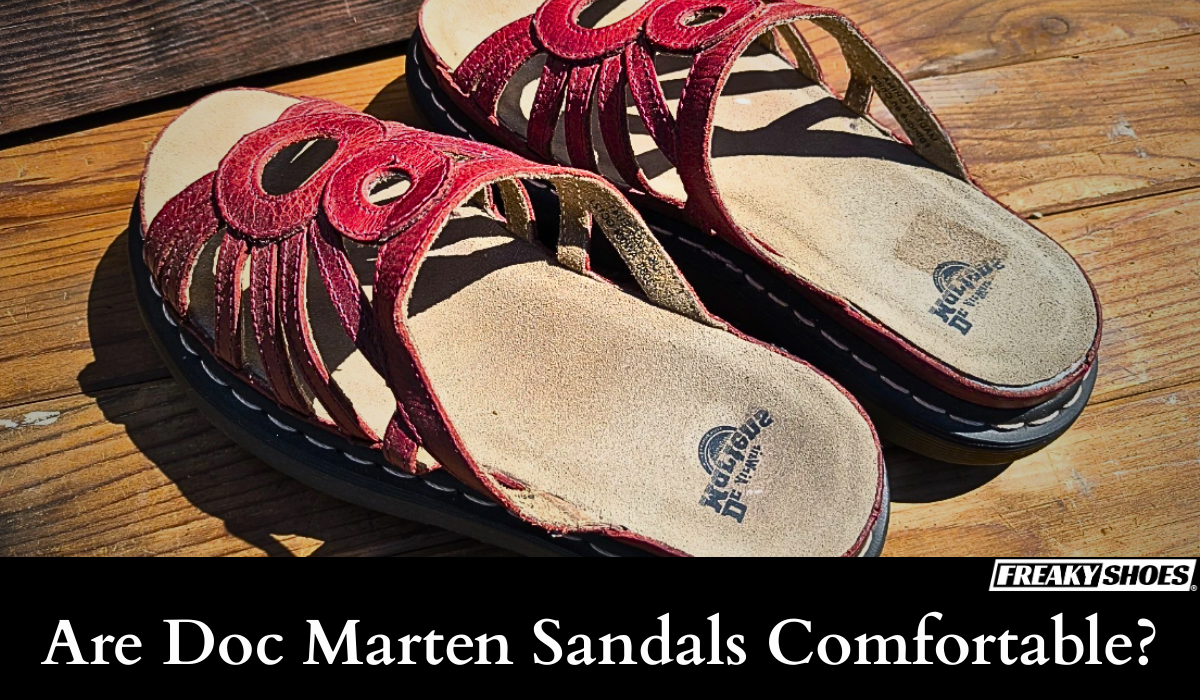
Are Doc Marten sandals good for walking?
Doc Marten sandals can work well for casual walking, errands, shopping, and short city trips. Their firm soles offer stability, and the straps can keep the feet from slipping.
They may not be ideal for every type of walking. Long hikes, steep trails, and full days on hard concrete can expose their limits. The sole may lack the flex and shock control found in walking or running shoes.
For travel, comfort depends on your plans. A pair may be excellent for walking around a hotel, beach town, or outdoor market. It may be less suitable for a day that includes 20,000 steps.
Use this guide:
• Short errands: Usually a good match
• Casual city walks: Often comfortable after break-in
• All-day sightseeing: Possible, but test first
• Hiking trails: Usually not the best choice
• Beach use: Check the material and traction
• Standing for many hours: Depends on your foot shape and tolerance
Are Doc Marten sandals comfortable for people who stand all day? Some users enjoy the firm sole, but others find the weight tiring. If your work requires long periods of standing, test them on several shorter shifts before relying on them.
Research on footwear comfort commonly points to fit, cushioning, pressure, and stability as key factors. No single sandal can meet every foot’s needs. Personal testing remains important.

Which feet may suit Doc Marten sandals best?
Doc Marten sandals often suit people who enjoy firm, stable footwear. They may also work well for average-width feet that fit securely inside the straps.
People with wide feet should pay close attention to the toe area. A sandal can feel fine at the heel but press against the forefoot. Look for adjustable straps and a footbed that gives your toes room to spread.
People with narrow feet may face the opposite issue. If the foot moves from side to side, tighten the straps carefully. Do not overtighten them, since pressure can cause numbness and rubbing.
If you have bunions, hammertoes, high arches, or sensitive skin, inspect the strap design. A smooth, wide strap may feel better than a thin strap that concentrates pressure in one spot.
Consider another shoe if you have:
• Ongoing foot pain
• Numbness or tingling
• Severe heel pain
• Open sores or repeated blisters
• A diagnosed condition that needs custom support
Are Doc Marten sandals comfortable for flat feet? They may be, but comfort depends on the footbed and your personal needs. Flat feet do not automatically require one type of shoe, so focus on stable fit and pain-free movement.

How to choose comfortable Doc Marten sandals
The right style can make a major difference. Two pairs from the same brand may feel very different because their straps, footbeds, and sole shapes are not identical.
Measure both feet
Feet often differ slightly in length or width. Measure both at the end of the day, when feet are usually largest. Use the larger foot when selecting a size.
Check the toe room
Your toes should not hang over the front edge. They should also have enough space to move without hitting the straps. A small amount of room is useful, but too much space can cause sliding.
Test the straps
Walk on a firm surface. Notice whether the straps pinch, rub, or let your foot lift from the footbed. A secure fit should feel snug without cutting into the skin.
Inspect the arch and heel
The footbed should not create a sharp pressure point. Your heel should rest comfortably without sitting on the edge of the sole.
Compare materials
Leather may soften and mold over time, but it often needs more break-in. Synthetic materials may feel flexible sooner, though their long-term comfort and durability vary by style.
Shop with a return option
Try sandals indoors on a clean floor. This gives you time to assess fit without damaging the sole. A return policy is especially useful when buying online.
Are Doc Marten sandals comfortable in the correct size? They are much more likely to be. A poor fit can make even a well-made sandal feel painful.

Doc Marten sandals compared with other sandal types
Doc Marten sandals have a distinct feel. They are usually more substantial than flip-flops and more fashion-focused than technical walking sandals.
Compared with flip-flops
Flip-flops are light and easy to wear. However, they often provide less foot security and may cause the toes to grip the sole while walking. Doc Marten sandals usually offer better hold and more protection.
Compared with athletic walking sandals
Walking sandals often focus on low weight, flexible soles, quick-drying materials, and adjustable straps. They may be better for long walks or outdoor travel.
Doc Marten sandals often win on style, durability, and street wear. They may lose on weight and athletic cushioning.
Compared with soft foam sandals
Foam sandals can feel soft at once. They are often easy on tired feet but may not provide the same structure or durability. Doc Martens feel firmer and more stable, but they require more patience.
Compared with platform sandals
Both can add height and visual impact. Doc Marten platform sandals may feel steadier than narrow platforms, but their extra weight can still affect balance and walking comfort.
The best choice depends on how you plan to use the sandals. Style, walking distance, climate, and foot health all matter.
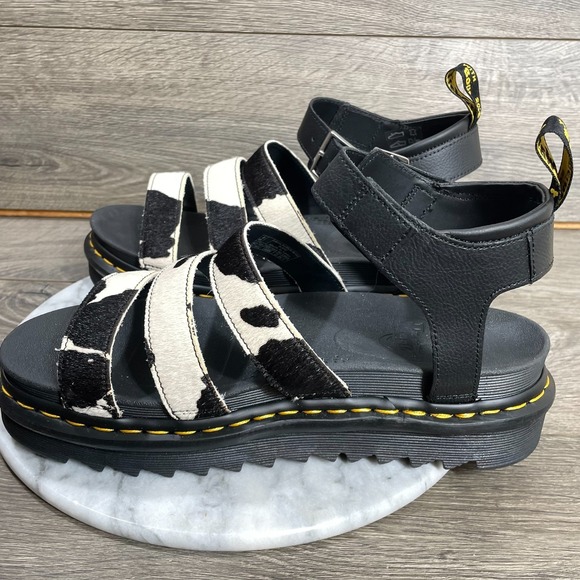
Pros and cons of Doc Marten sandals
Are Doc Marten sandals comfortable enough to justify the higher price? For many owners, the answer depends on how often they wear them and whether the fit is right.
Benefits
• Strong construction
• Secure strap designs
• Good durability
• Distinctive style
• Firm and stable sole
• Useful for casual daily wear
• Many designs work with dresses, jeans, and shorts
Limitations
• Break-in discomfort
• Heavy sole compared with sport sandals
• Possible strap rubbing
• Less flexibility than walking sandals
• Higher price than basic summer footwear
• Not ideal for every foot condition
• Comfort can vary widely by style
The most important lesson is simple: Do not judge the sandal only by its appearance. Check the fit, walk indoors, and think about your real routine.
Tips to make Doc Marten sandals more comfortable
Small changes can improve the experience without altering the sandal.
• Break them in slowly instead of wearing them all day at once.
• Use blister patches before a hot spot becomes a blister.
• Adjust each strap while standing, not only while sitting.
• Keep the footbed clean and dry.
• Use suitable leather care products on leather styles.
• Rotate them with lighter shoes during the first few weeks.
• Avoid wearing them during long walks until they feel flexible.
• Replace worn socks and inspect the straps for rough edges.
If a strap causes repeated pain, do not simply tighten it more. More pressure may worsen the problem. A shoe repair professional may be able to soften or adjust certain leather parts, but changes are not possible for every design.