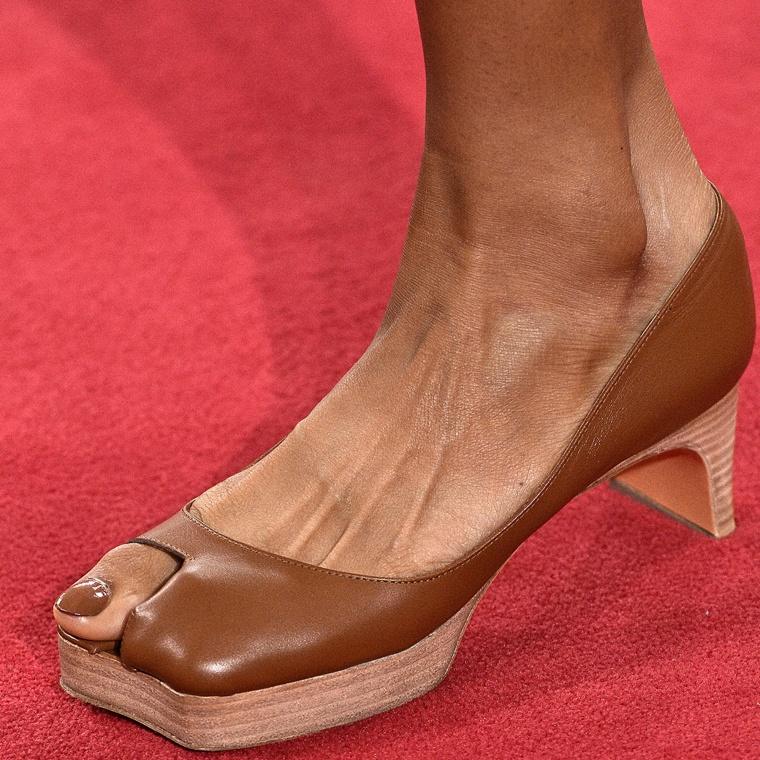
A closed toe shoe covers the toes completely, offering protection, support, and a neat look for many daily activities.
If you have ever wondered what is a closed toe shoe, the answer is simple, but the details matter. This shoe style can improve comfort, protect your feet from minor hazards, and meet dress or workplace rules. In this guide, you will learn how closed toe shoes work, where to wear them, how they differ from open toe shoes, and how to choose the right pair.
What Is a Closed Toe Shoe?
A closed toe shoe is footwear that fully covers the front of the foot, including all five toes. The toe area is usually made from leather, fabric, synthetic material, rubber, or a mix of materials.
The design may include a heel, flat sole, laces, straps, or a slip-on shape. Sneakers, loafers, boots, dress shoes, work shoes, and many flats can all be closed toe shoes.
A closed toe shoe is not always a safety shoe. This is an important difference. A basic leather flat may cover your toes, but it may not protect them from heavy objects, sharp tools, or workplace hazards.
In simple terms, a closed toe shoe has three key features:
• The toe area is fully covered.
• The toes do not touch the ground directly.
• The shoe creates a layer between your feet and the outside world.
Think of it as a small shield for your toes. It may not stop every injury, but it can help block dirt, hot surfaces, small objects, and light impact.
How Do Closed Toe Shoes Differ From Open Toe Shoes?
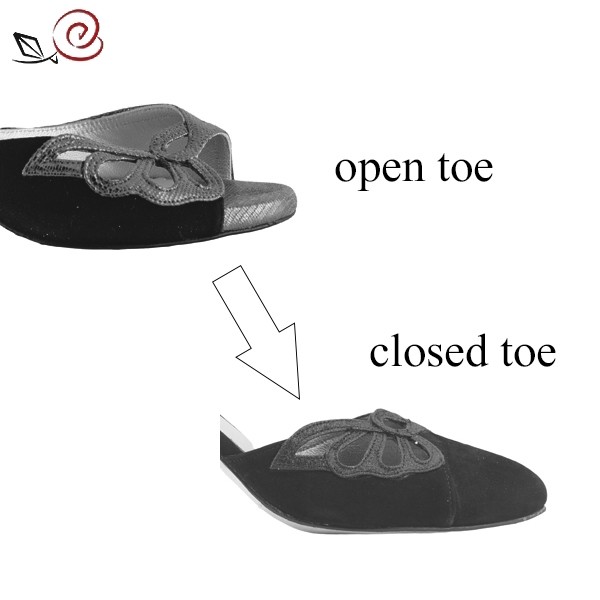
The main difference is toe coverage. A closed toe shoe surrounds the front of the foot, while an open toe shoe leaves some or all of the toes exposed.
Open toe shoes include sandals, flip-flops, peep-toe heels, and many open-front slides. They can feel cool and relaxed, especially in hot weather. However, they offer less protection from dropped items, rough surfaces, spills, and accidental contact.
A closed toe shoe often provides:


• More protection from small impacts
• Better coverage in public and work settings
• More warmth in cool weather
• A more formal appearance in many styles
• Better protection from dust, dirt, and wet surfaces
Open toe shoes can still be useful. They may work well at the beach, around the pool, or during casual summer outings. The best choice depends on the activity, the setting, and your comfort needs.
A common mistake is to think that every closed toe shoe is safer than every open toe shoe. A thin canvas sneaker may offer less protection than a sturdy sandal designed for hiking. Shoe quality, fit, sole design, and intended use all matter.

Common Types of Closed Toe Shoes
Closed toe shoes come in many forms. Each type suits a different need, from office wear to outdoor work.
Closed Toe Sneakers
Sneakers are popular because they combine coverage with comfort. They often have padded collars, flexible soles, and breathable fabric.
They are useful for:
• Walking
• Travel
• School
• Errands


• Light exercise
Running shoes are closed toe shoes, but not every closed toe shoe is suitable for running. Athletic shoes need the right cushioning, support, and fit for the activity.
Closed Toe Flats
Flats have little or no heel. They are common in offices, schools, retail settings, and casual outfits.
Ballet flats, loafers, moccasins, and pointed-toe flats all fit this group. A flat may look simple, but poor toe space can create pressure and discomfort.
Closed Toe Dress Shoes
Dress shoes often use leather or polished synthetic materials. They may have a low heel, high heel, or formal lace-up design.
They are often worn for:
• Business meetings
• Weddings
• Religious services
• Formal dinners
• Interviews
A closed toe shoe can look professional without feeling stiff. Look for soft lining, stable heels, and enough space for your toes to spread naturally.
Closed Toe Boots
Boots cover the toes and usually extend above the ankle. They offer extra warmth and support in cold, wet, or rough conditions.
Work boots, hiking boots, rain boots, and winter boots are all examples. Some have protective toe caps made from steel, aluminum, or composite material.
Closed Toe Work Shoes
Work shoes are designed for specific job demands. Some resist oil, water, slips, heat, or electrical hazards.


If your employer requires protective footwear, check the exact rule. A closed toe shoe may not meet the standard. For example, a workplace may require an impact-resistant toe cap or slip-resistant sole.

Why Wear a Closed Toe Shoe?
A closed toe shoe offers practical benefits in daily life. It is not only a fashion choice.
Toe Protection
Covered toes are less exposed to dropped objects, furniture corners, rough ground, and accidental bumps. This protection is limited, but it can reduce small injuries.
For example, closed toe shoes are useful when moving boxes, gardening, cooking, or walking through busy spaces. They create a basic barrier between your toes and common hazards.
Better Hygiene
A closed toe shoe can keep your feet away from dust, spilled liquids, insects, and dirty floors. This can be helpful in kitchens, workshops, public transport, and outdoor areas.
However, covered shoes can also trap heat and moisture. Choose breathable materials and change damp socks to help keep your feet dry.
Workplace Compliance
Many workplaces require closed toe shoes. Restaurants, laboratories, warehouses, salons, clinics, factories, and construction sites may have rules about foot coverage.
The phrase “closed toe” usually describes coverage only. It does not confirm that the shoe meets a safety standard. Always follow your employer’s footwear policy.
More Outfit Options
Closed toe shoes work with jeans, trousers, uniforms, dresses, and suits. A clean pair can make an outfit look polished and ready for work.
They also suit many seasons. You can wear breathable sneakers in summer and insulated boots in winter.
Foot Stability
Many closed toe shoes hold the foot more securely than loose slides or flip-flops. Laces, straps, and firm heel counters can reduce unwanted movement.
This does not mean every closed toe shoe offers good support. A soft, loose slip-on may still allow your heel to slide.

Are Closed Toe Shoes Better for Your Feet?
A closed toe shoe is not automatically healthier for your feet. The fit and shape matter more than the label.


A good shoe should let your toes rest without being squeezed together. The toe box should be wide and tall enough for natural movement. Your heel should feel secure, but it should not rub.
The American Podiatric Medical Association commonly advises people to choose shoes that fit well and suit the activity. This basic rule is easy to overlook when style becomes the main goal.
Pay attention to these fit signs:
• Your longest toe should not press against the front.
• Your toes should not overlap or curl.
• The widest part of your foot should sit comfortably in the shoe.
• Your heel should not lift sharply with each step.
• You should not feel sharp pressure, burning, or numbness.
• Both shoes should feel comfortable when you walk.
Feet may swell during the day. For this reason, try shoes later in the afternoon when possible. Wear the socks you plan to use with them.
One lesson many shoppers learn the hard way is that shoes rarely “break in” enough to fix a bad fit. Soft materials may become more flexible, but a shoe that is too short or too narrow will likely stay uncomfortable.

How to Choose the Right Closed Toe Shoe
Choosing the right closed toe shoe starts with the activity. A shoe for an office is not the same as a shoe for a construction site.
Use this simple process:
-
Identify the main activity. Decide whether you need walking shoes, work shoes, formal shoes, hiking shoes, or casual footwear.
-
Check the toe box. Make sure your toes can move without touching the front or sides.
-
Examine the sole. Look for a sole with enough grip for the surface you use most.
-
Check the upper material. Leather can offer structure, while mesh may provide better airflow.
-
Test the heel fit. Your heel should stay in place without painful rubbing.
-
Walk on a firm surface. Take several steps and notice any pressure points.
-
Match the shoe to the rules. Confirm whether your workplace needs slip resistance, protective toes, or another safety feature.
-
Inspect the inside. Remove rough seams, hard edges, or loose lining before wearing the shoe for long periods.
For people with wide feet, bunions, hammertoes, or diabetes, shoe selection deserves extra care. A foot specialist can offer advice based on your foot shape and health needs.
Do not judge a shoe only by its size number. Sizes can vary between brands and styles. Measure both feet, because one foot may be slightly larger than the other.

Closed Toe Shoes for Work and Safety
A closed toe shoe can meet a basic dress code, but it may not provide full workplace protection. This difference is especially important in jobs with falling objects, sharp tools, chemicals, heat, or slippery floors.
Protective footwear may include features such as:
• Steel toe or composite toe protection
• Slip-resistant outsoles
• Puncture-resistant midsoles
• Water-resistant materials
• Electrical hazard protection
• Heat-resistant construction
Safety standards vary by job and location. In the United States, employers may follow rules from the Occupational Safety and Health Administration and use footwear tested under recognized performance standards.
Read the product details before buying. Terms such as “protective,” “work-ready,” or “heavy duty” do not always mean the shoe meets a required standard.
A closed toe shoe is usually enough for low-risk tasks such as office work or light errands. It may not be enough for a warehouse, commercial kitchen, laboratory, or construction site.

Closed Toe Shoes in Different Settings
The right closed toe shoe depends on the place and purpose.
In the Kitchen
Kitchen workers often need closed toe shoes with slip-resistant soles. Spilled water, oil, and food can make floors dangerous.
Choose a pair that is easy to clean and secure on the foot. A loose slip-on may not be ideal if you move quickly or work near hot equipment.
In Healthcare
Healthcare workers often choose closed toe shoes for coverage and easy cleaning. A supportive sole can also help during long shifts.
Comfort is critical. Look for cushioning, stable support, and materials that can handle regular cleaning.
In the Office
Loafers, flats, oxfords, low heels, and clean sneakers may all work in an office. The best choice depends on the dress code.
Avoid shoes that pinch your toes during long meetings or commutes. Professional style should not come at the cost of foot comfort.
In the Garden
Gardening exposes feet to soil, stones, insects, and wet ground. A closed toe shoe can add useful protection.
For wet or muddy areas, choose washable clogs or waterproof boots. For dry soil, sturdy sneakers may be enough.
During Travel
Closed toe shoes are useful for airports, city walks, and changing weather. Pick a pair that feels comfortable after several hours of walking.
A lightweight sneaker often works well. If you travel in cold weather, choose a shoe with warmth and traction rather than appearance alone.
Possible Problems With Closed Toe Shoes
Closed toe shoes have benefits, but they also have limits. Poor design or poor fit can create new problems.
A narrow shoe may press on the toes and cause blisters, corns, or pain. High heels can shift body weight toward the front of the foot. Heavy boots may cause fatigue if they lack proper support.
Heat and moisture can build up inside a closed toe shoe. This may lead to discomfort or skin problems, especially when the same pair is worn every day without drying.
To reduce these risks:
• Choose moisture-wicking socks.
• Allow shoes to dry fully between uses.
• Rotate pairs when possible.
• Keep toenails trimmed straight across.
• Replace shoes when the sole is worn or the inside loses shape.
• Stop wearing a shoe that causes ongoing pain.
If you have persistent foot pain, swelling, numbness, or skin changes, seek advice from a qualified medical professional. Footwear can affect symptoms, but it may not be the only cause.
How to Care for Closed Toe Shoes
Good care helps a closed toe shoe last longer and stay more comfortable.
Start by checking the care label. Some shoes can handle mild soap and water, while others need special cleaners. Do not soak leather shoes unless the maker allows it.
Useful care habits include:
• Remove dirt after outdoor use.
• Air shoes at room temperature.
• Avoid placing wet shoes against direct heat.
• Use shoe trees for leather dress shoes.
• Replace worn insoles when appropriate.
• Clean the inside when the material allows it.
• Check the sole for cracks and loss of grip.
Let shoes dry completely before wearing them again. Heat from a radiator or hair dryer can damage glue, leather, foam, and synthetic materials.
A simple cleaning routine can also protect your feet. Dirt and moisture trapped inside a shoe can cause odor and irritation over time.
Frequently Asked Questions About What Is a Closed Toe Shoe
What is a closed toe shoe used for?
A closed toe shoe covers the toes and helps protect them from minor bumps, dirt, cool air, and some workplace hazards. It is used for work, school, travel, walking, formal events, and everyday wear.
Are sneakers considered closed toe shoes?
Yes, most sneakers are closed toe shoes because they cover the front of the foot. However, sneakers are not always safety shoes, so they may not protect against heavy objects, sharp tools, or workplace risks.
Is a closed toe shoe the same as a steel toe shoe?
No. A closed toe shoe covers the toes, while a steel toe shoe includes a protective cap designed to resist certain impacts or compression. Steel toe and composite toe shoes are specialized types of protective footwear.
Can I wear closed toe shoes in a kitchen?
You can wear closed toe shoes in a kitchen, but commercial kitchens often require slip-resistant footwear. Choose a pair that covers the toes, stays secure, and provides strong grip on wet or oily floors.
Do closed toe shoes prevent foot injuries?
Closed toe shoes can reduce exposure to some minor injuries, but they cannot prevent every foot problem. Fit, sole grip, protective materials, and the activity all affect how much protection the shoe provides.
Are closed toe shoes better than sandals?
Neither style is always better. Closed toe shoes offer more coverage, while sandals may provide better airflow and comfort in suitable settings such as beaches or warm casual spaces.
Conclusion
A closed toe shoe fully covers the front of the foot and can provide comfort, style, warmth, and basic protection. Sneakers, flats, boots, loafers, dress shoes, and many work shoes fit this category.
The most important choice is not only whether the toes are covered. Check the fit, toe box, sole grip, material, support, and safety features. Remember that a basic closed toe shoe is not the same as certified protective footwear.
Choose shoes based on your real needs, not only their appearance. Try them on later in the day, walk in them, and replace any pair that causes pain or has worn-out traction. Explore more footwear guides, and share your favorite closed toe shoe tips in the comments.

Madison Clark is a footwear expert and the voice behind MyStyleGrid.com. She specializes in honest shoe reviews, style tips, and practical guides to help readers find the perfect pair for any occasion. With years of experience in blogging and content creation, Madison makes footwear knowledge simple, stylish, and easy to follow.