Yes, women can wear pants, and they are a practical, accepted, and versatile choice in modern life.
The answer to “can women wear pants” is clear, but the reasons behind it involve history, culture, religion, workplace rules, comfort, and personal style. This guide explains where pants fit today, how to choose the right pair, and when dress codes may affect your options.
Can women wear pants in modern society?
Yes. Women can wear pants in everyday life, at work, during travel, at school, and at many formal events. Pants are now a normal part of women’s clothing in the United States and many other countries.
The best choice depends on the setting. Jeans may work for errands, while tailored trousers may suit an office. Dress pants, wide-leg pants, and elegant jumpsuits can also work at events that once required dresses.
The question “can women wear pants” often comes from tradition, faith, family expectations, or a specific dress code. In most cases, the answer is yes, but the situation may call for a certain cut, color, or level of formality.
A brief history of women wearing pants
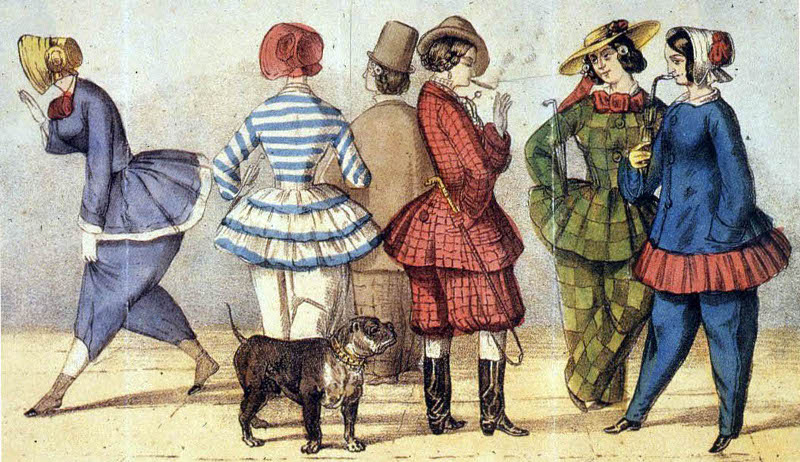
For much of Western history, skirts and dresses were linked with women, while pants were linked with men. This was not a universal rule across all cultures, but it shaped social expectations in Europe and the United States.
Women began wearing pants more often for work, sports, travel, and public life during the 19th and 20th centuries. Women’s rights activists sometimes wore practical clothing to challenge limits placed on women’s movement and work.
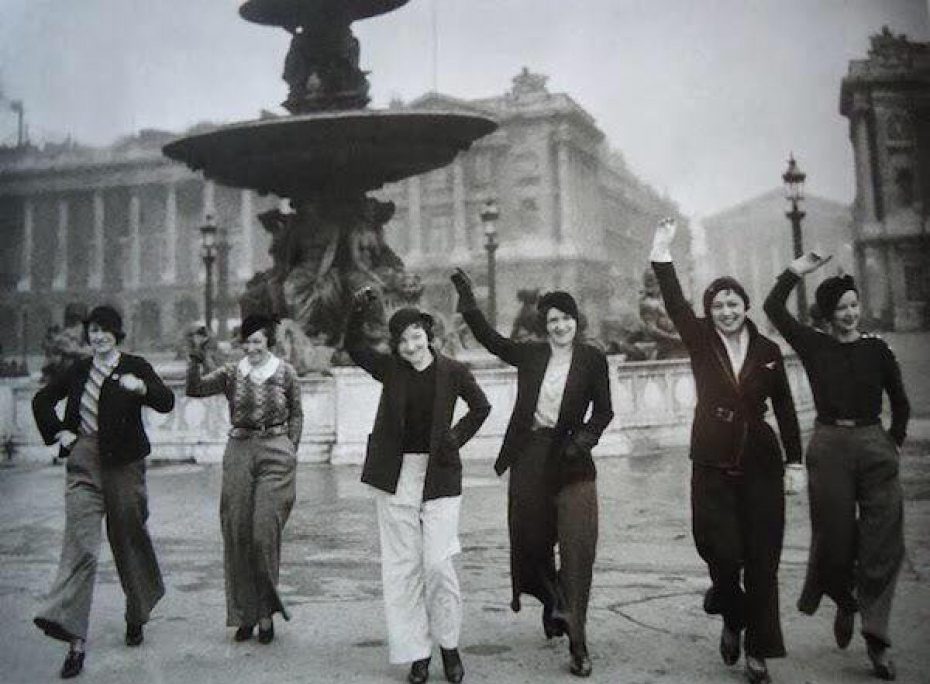
During World War II, many women wore pants in factories and other jobs. Pants offered safety and ease of movement. Later, designers and public figures helped bring trousers into offices, schools, and formal fashion.
By the late 20th century, women’s pantsuits had become common in professional settings. Today, the old idea that only men can wear pants has largely faded in the United States.
Why do some people ask, “Can women wear pants?”
The question may come from several sources. Understanding them can help you respond with respect rather than judgment.
Cultural traditions
Some families and communities prefer dresses or skirts for women. These views may come from local customs, modesty standards, or ideas about gender roles.
Cultural traditions are meaningful to many people. Still, traditions vary widely. One community may see pants as ordinary, while another may see them as too casual or unsuitable for certain events.
Religious beliefs
Some religious groups encourage women to wear skirts or dresses. Others permit pants if they are modest, loose, or worn with a longer top. There is no single religious view shared by all women or all faith communities.
People may also interpret the same religious text in different ways. A respectful answer should avoid claiming that every woman must follow one clothing rule.
Family expectations
Parents or relatives may have strong views about women’s clothing. These views can be shaped by age, culture, religion, or concerns about safety and reputation.
A calm conversation often works better than an argument. You can explain where you plan to wear the pants, why they are practical, and how they fit the expected level of modesty.
Workplace or school rules
Some workplaces and schools have dress codes. These rules may limit ripped jeans, leggings, shorts, or very casual clothing. They usually focus on the type of garment rather than banning all pants for women.
Always check the written policy when a rule is unclear. A dress code can be strict without being aimed at women specifically.
Can women wear pants to work?
Yes, women can wear pants to work in many industries. Tailored pants are often viewed as professional, polished, and practical.
For a traditional office, choose trousers with a clean fit. Pair them with a blouse, sweater, blazer, or neat knit top. Neutral colors such as black, navy, gray, tan, and cream are easy to style.
For a creative or casual workplace, you may have more choices. Dark jeans, wide-leg pants, corduroy trousers, and smart chinos may be acceptable.
Before choosing an outfit, consider these points:
• Read the dress code carefully.
• Match the formality of your clothing to your role.
• Avoid pants that are torn, stained, or too tight for the setting.
• Choose fabric that is not too sheer or thin.
• Make sure the waistband and length allow you to move with ease.
• Observe what well-dressed colleagues wear.
In the United States, employment dress rules must also follow anti-discrimination laws. Under Title VII of the Civil Rights Act, employers generally cannot discriminate based on sex or religion. Dress codes may set different standards in some cases, but they should not place an unequal burden on one sex.
Religious clothing needs special care. If a dress code conflicts with a sincerely held religious practice, an employee may request a reasonable accommodation. The exact answer depends on the facts, the employer, and the law.
Can women wear pants to a wedding or formal event?
Women can wear pants to many weddings and formal events. The key is to match the outfit to the invitation and venue.
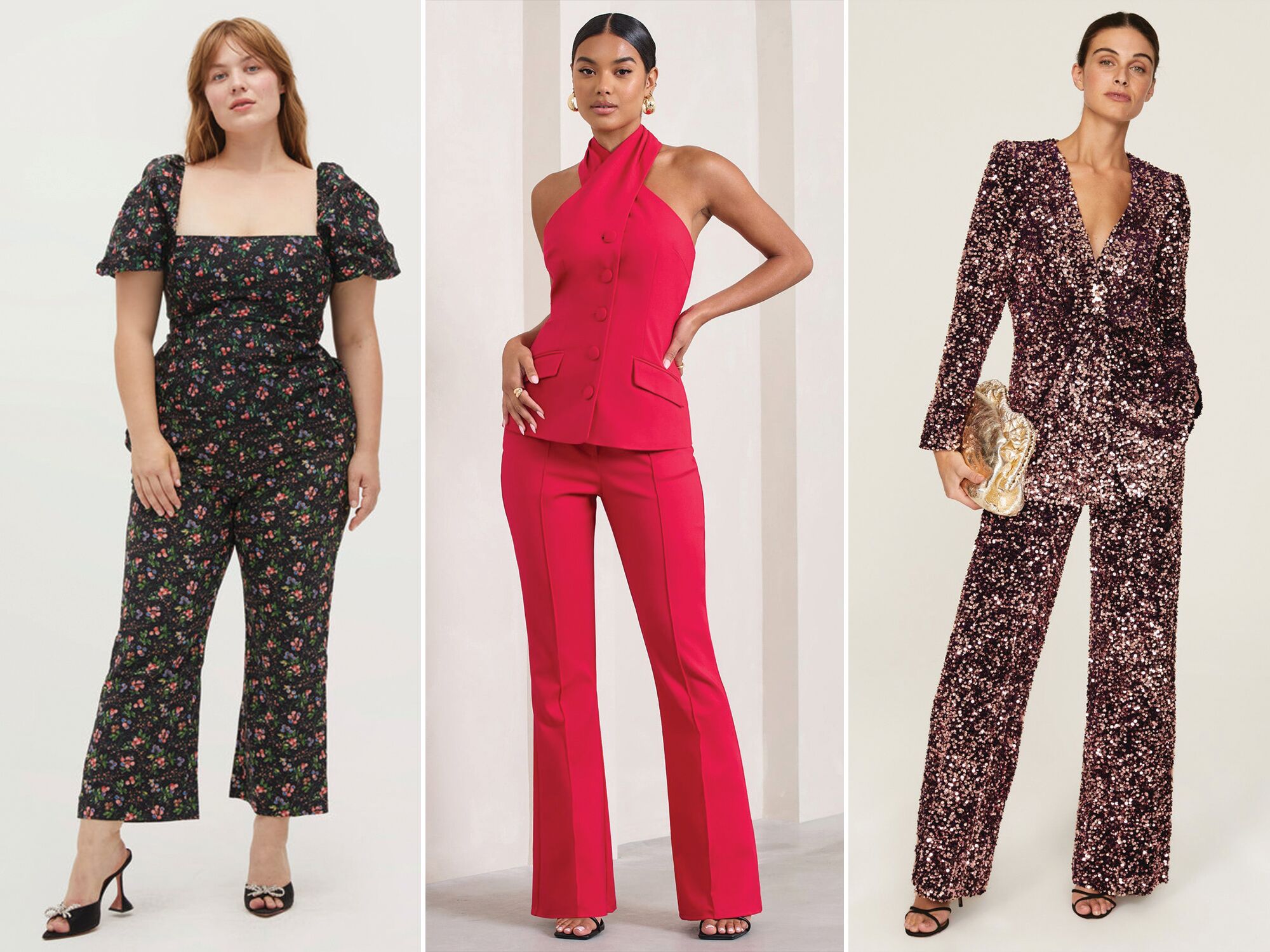
A formal pantsuit can look as polished as a gown. Satin trousers, a tailored blazer, a dressy jumpsuit, or wide-leg evening pants can all create an elegant look.
Use the invitation as your guide:
• For black tie, choose a refined pantsuit, formal jumpsuit, or flowing evening trousers.
• For cocktail attire, wear tailored pants with a dressy blouse or structured jacket.
• For business formal, choose pressed trousers with a blazer and polished shoes.
• For a casual wedding, dress pants or tasteful jumpsuits may work well.
Avoid white or ivory unless the couple has clearly approved it. This rule applies whether you wear pants, a dress, or a suit.
When in doubt, ask the host. A short message can prevent stress and show respect for the event.
Are pants modest for women?
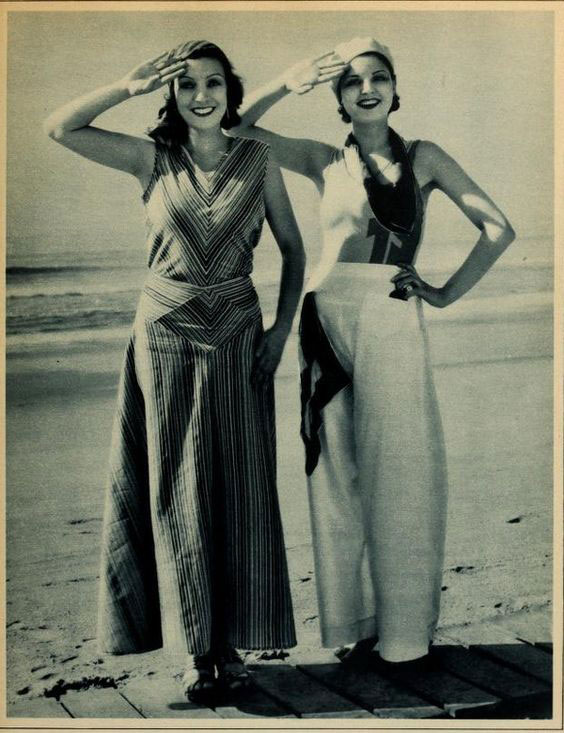
Pants can be modest, but modesty depends on fit, fabric, coverage, and personal values. A loose pair of trousers may feel more modest to one person than a fitted skirt. Another person may feel the opposite.
If modesty is important in your setting, consider:
• High-waisted pants with a longer shirt
• Loose or straight-leg trousers
• Thick, nontransparent fabric
• Full-length pants
• A tunic, cardigan, or blazer for extra coverage
• Clothing that allows comfortable movement
Skinny pants, leggings, and fitted styles may not meet the modesty rules of some communities. That does not make them universally wrong. It means clothing standards are shaped by context.
A good rule is to dress in a way that respects both your values and the setting. Clothing should not cause pain, fear, or shame. It should help you feel prepared and comfortable.
Can women wear pants for religious reasons?
The answer depends on the religion, denomination, local community, and individual interpretation. Some women wear pants without concern. Others choose skirts or dresses as part of their religious practice.
Some women wear pants with conditions. They may choose loose cuts, longer tops, or pants only for certain activities. Others may avoid pants entirely.
If you are part of a faith community, speak with a trusted religious leader who understands your tradition. Ask for the reasoning behind the guidance, not only the rule. This can help you make a choice that is informed and sincere.
It is also important not to judge another woman’s faith by her clothing. A woman in pants may be deeply religious. A woman in a skirt may also have personal reasons for her choice. Clothing alone does not reveal a person’s beliefs.

Benefits of women wearing pants
Pants offer practical advantages that explain why they became popular in women’s clothing.
Comfort and movement
Pants can make walking, climbing stairs, biking, and working easier. They may provide more coverage during active tasks.
Protection
Long pants can protect the legs from sun, cold, insects, rough surfaces, and workplace hazards. Work pants may also include strong fabric, pockets, or safety features.
Versatility
One pair of pants can work with many tops. A woman may wear tailored trousers with a blazer in the morning, then change to a sweater for dinner.
Professional appearance
Well-fitted pants can create a neat and confident appearance. A matching pantsuit can look just as formal as a skirt suit.
Personal expression
Pants come in many styles. Straight-leg, bootcut, wide-leg, cargo, linen, denim, and palazzo pants allow women to express their taste.
Common mistakes to avoid when choosing women’s pants
The question is not only “can women wear pants?” It is also “which pants work best here?” A few simple mistakes can make an outfit feel less comfortable or less polished.
Ignoring the setting
A pair of ripped jeans may look great at a concert but not at a job interview. Think about the event before choosing the outfit.
Choosing the wrong fit
Pants that pull, bunch, slide down, or restrict movement can affect your confidence. Fit matters more than the label size.
Forgetting the fabric
Thin fabric may become transparent in bright light. Heavy fabric may feel uncomfortable in warm weather. Choose material for the season and activity.
Wearing the wrong length
Pants should work with your shoes. Trouser hems that drag on the ground can wear out quickly. Cropped pants may look better with flats or sneakers than with formal heels.
Treating comfort as unimportant
A stylish outfit is not useful if you cannot sit, walk, or work comfortably. Test new pants by moving, bending, and sitting before wearing them for a long day.
A practical lesson from everyday styling is to keep a small set of reliable pants in your closet. One dark trouser, one comfortable jean, one casual pair, and one dressy option can cover many needs.
How to style pants for different occasions
Pants are easy to adapt because the rest of the outfit changes their message.
Casual outfits
Try jeans, cotton pants, or relaxed trousers with a T-shirt, sweater, sneakers, or flat sandals. A belt and clean shoes can make a simple outfit look more finished.
Office outfits
Choose tailored pants with a blouse, cardigan, blazer, loafers, or low heels. Tuck in the top or use a structured layer to create a clear shape.
Travel outfits
Soft trousers, stretch pants, or relaxed jeans can work well for travel. Add layers because airports, airplanes, and cars may have different temperatures.