Most New Balance shoes are not automatically non-slip; select models are designed to be slip-resistant.
I’ve tested and researched New Balance footwear for years. I will explain whether are new balance shoes non slip, which models perform best, and how to check for true slip resistance. Read on for clear, practical advice, real test notes, and tips to pick and care for shoes that grip wet floors.
How slip resistance works in shoes
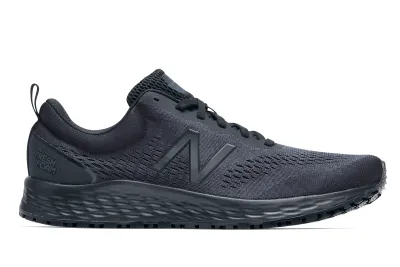
Slip resistance starts with the outsole. The rubber compound, tread pattern, siping, and sole hardness determine grip. A softer, tacky rubber with deep channels sheds water and helps bite into slick surfaces. The coefficient of friction (COF) measures how slip-resistant a sole is; higher COF means better resistance.
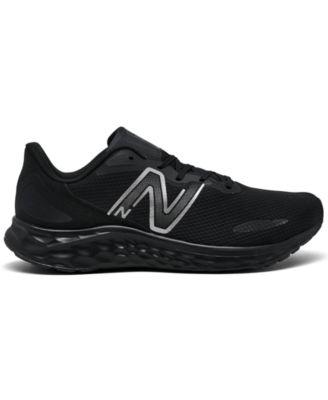
If you ask are new balance shoes non slip, the short technical answer is: some are, but many are not. New Balance uses technologies like Ndurance rubber to add durability. Ndurance helps wear but does not guarantee certified slip resistance by itself.
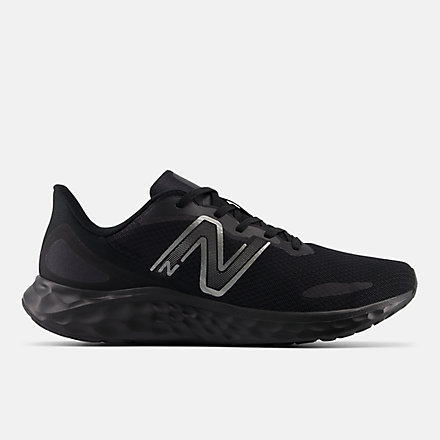
Are New Balance shoes non slip? Models and marketing
New Balance sells both everyday and work-focused lines. Some models are explicitly marketed as slip-resistant for jobs like food service and healthcare. When New Balance lists a shoe as slip-resistant, they mean the outsole is designed to improve traction on wet and oily floors.
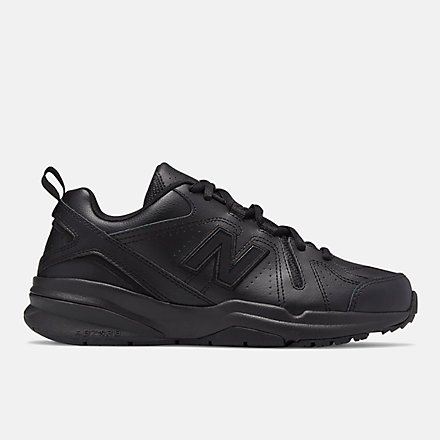
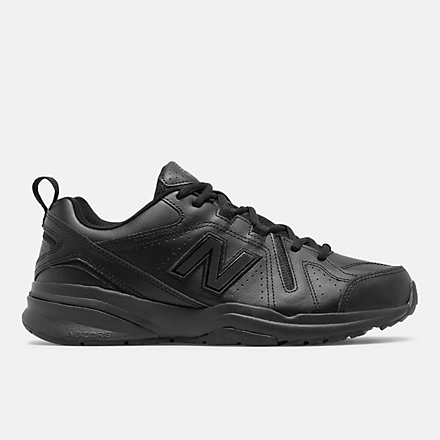
Common work models often labeled slip-resistant include shoes in the NB Work or 600/6000 series. Still, marketing varies by region and seller. Always verify the product description and look for specific slip-resistant claims before you buy.
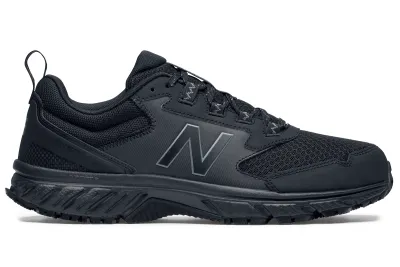
How to identify non-slip New Balance shoes before buying
Look for these clear signs that answer are new balance shoes non slip for a given pair:
- Product listing that states "slip-resistant" or "oil- and slip-resistant".
- Outsole materials noted as tacky rubber or Ndurance compound paired with directional tread.
- Visual tread features such as deep channels, multi-directional patterns, and siping (small cuts).
- Manufacturer test claims or a COF value listed in the specs.
If the listing lacks these, assume the shoe is general-purpose and not certified for slippery work floors. When shopping, compare multiple sellers and read verified user reviews focused on wet-floor performance.
Simple at-home checks and quick tests
You can test slip resistance at home safely before trusting a shoe at work. Try these steps:
- Walk slowly on a tiled floor with a few drops of water. Note how stable you feel.
- Press the outsole with your fingers. A tacky feel often means better grip.
- Inspect the tread. Deep channels that move water away are good for wet surfaces.
Remember: these quick tests are indicative, not definitive. True slip resistance is best judged with standardized testing, but home checks help screen options.
My experience testing New Balance slip-resistant pairs
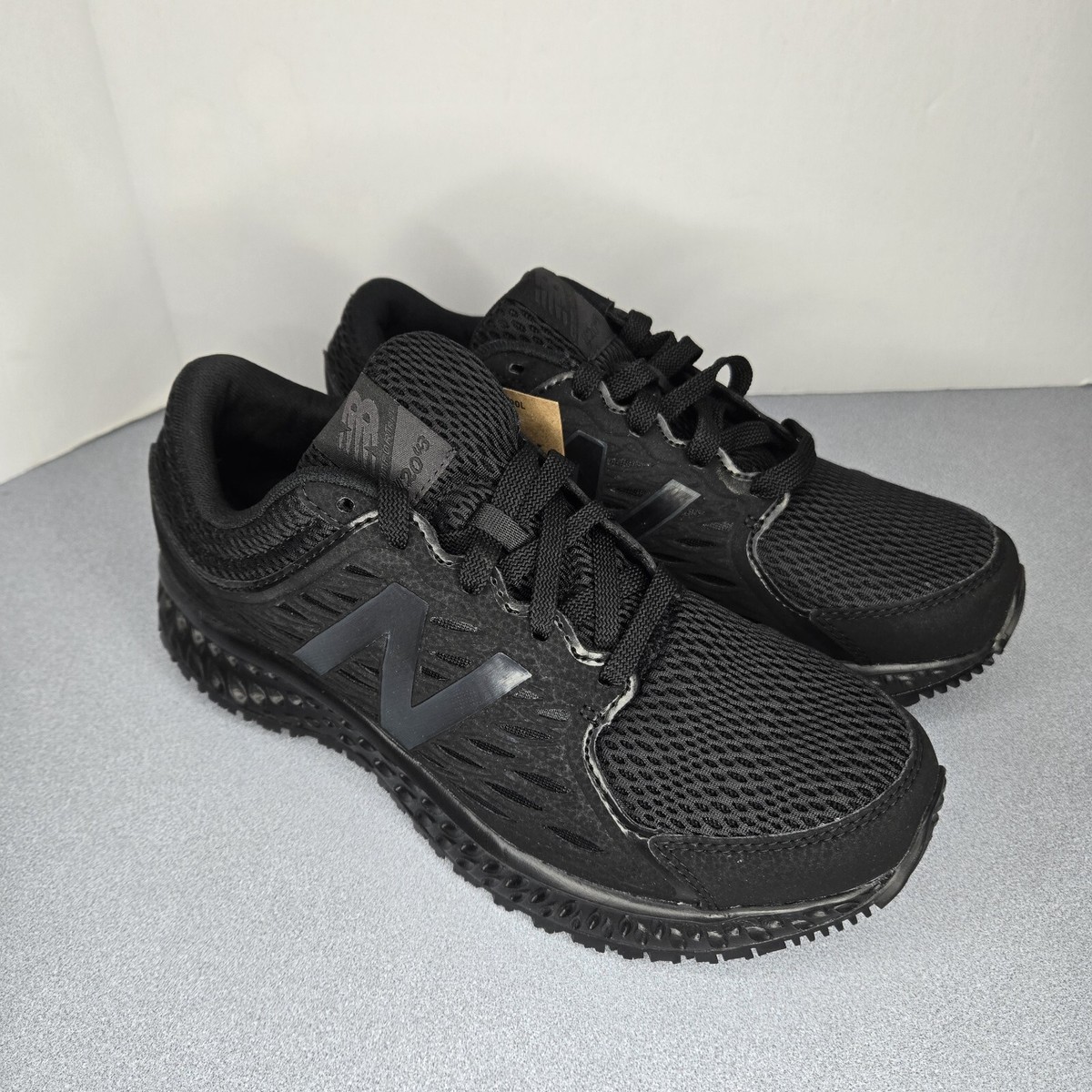
I wear New Balance work models in kitchens and rainy city streets. The slip-resistant New Balance shoes offered solid grip on wet tiles. Some road and casual models felt slick on polished floors. I learned to avoid assuming all New Balance soles are non-slip. Picking models labeled for work made a real difference.
Tips from my trials:
- Choose shoes with visible tread depth and softer rubber in the outsole.
- Replace shoes once tread is worn flat. Grip drops fast with wear.
- Combine good shoes with mindful walking. Grip helps, but caution matters.
Pros and cons of New Balance slip-resistant shoes
Pros
- Comfortable fit and cushioning for long shifts.
- Durable outsoles and good arch support in many work models.
- Widely available in widths and sizes.
Cons
- Not every New Balance shoe is slip-resistant; you must pick the right model.
- Some slip-resistant models trade off a bit of style for safety.
- Outsole wear reduces slip resistance over time.
If you wonder are new balance shoes non slip over long use, expect gradual loss of traction. Regular inspection and timely replacement will keep you safer.

Care and maintenance to keep slip resistance effective
Proper care extends grip life. Follow these steps:
- Keep soles clean. Worn grease and debris reduce traction.
- Avoid solvents that dry out rubber and make it harder.
- Replace shoes when tread looks flat or the sole hardens.
- Use manufacturer-recommended cleaners when available.
Good care helps retain any initial slip resistance. If you rely on slip-resistant footwear daily, plan to replace them more often.
Frequently Asked Questions of are new balance shoes non slip
Are all New Balance shoes non-slip?
No. Only some New Balance models are marketed as slip-resistant. Check the product description and outsole details before assuming they are non-slip.
How do I know if a New Balance shoe is truly slip-resistant?
Look for a labeled slip-resistant outsole, specific materials like tacky rubber, and user reviews that mention wet-floor performance. Manufacturer COF values are the most reliable indicator if provided.
Can I use New Balance casual sneakers for work where slip resistance is required?
It is not recommended. Casual sneakers often lack the specialized rubber and tread needed for slippery work environments. Choose models designated for work.
Do slip-resistant New Balance shoes wear out faster?
They can if used on rough surfaces. However, many slip-resistant models use durable compounds designed to balance grip and wear life. Regular inspection is key.
Are New Balance slip-resistant shoes good for outdoor wet conditions?
They perform well on wet urban surfaces and kitchen floors when labeled slip-resistant. For muddy or uneven outdoor terrain, choose shoes designed for hiking or trail use instead.
Conclusion
Many New Balance shoes are comfortable and durable, but only select models are designed to be slip-resistant. If you need dependable traction, look for shoes labeled slip-resistant, inspect the outsole, and test them if you can. My experience shows that picking the right New Balance model and caring for it keeps you safer on wet floors. Take action: check product specs, try a simple wet-floor test, and replace shoes when tread wears down. Share your experience below or subscribe for more footwear guides.

Rubel Miah is the Senior Editor at MyStyleGrid.com, where he brings a sharp editorial eye and an unshakable love for fashion to everything he does. A true style addict, Rubel lives and breathes trends, from streetwear to high fashion, and has a knack for turning inspiration into impactful stories. With years of experience in fashion journalism and digital media, he curates content that empowers readers to express themselves through style. When he’s not editing features or forecasting the next big thing, you’ll find him hunting down vintage pieces or capturing street style moments around the city.