Some Vans work shoes are slip resistant, but standard Vans sneakers are not designed for every workplace.
The answer to “are vans non slip shoes for work” depends on the exact model, outsole, and job setting. Vans makes casual sneakers and dedicated work shoes, so the famous waffle sole alone does not prove workplace safety. This guide explains how to check the label, compare traction, avoid common mistakes, and choose the right pair with confidence.
Are Vans Non Slip Shoes for Work?
Some Vans shoes are suitable for work, but not all Vans shoes are non-slip. The brand’s lifestyle sneakers, such as classic canvas styles, are made mainly for casual wear and skateboarding. They may grip dry floors well, but that does not mean they will resist oil, grease, water, or food spills.
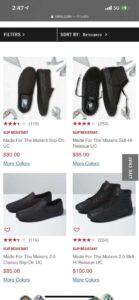
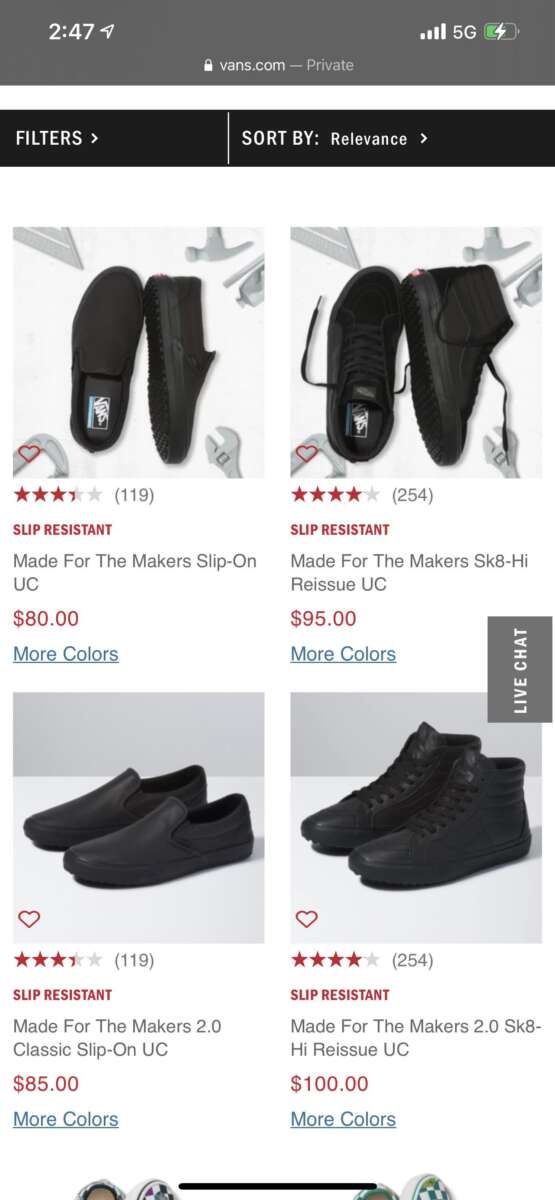
Vans also offers work-focused footwear under its Made for the Makers collection. These shoes are designed with features such as slip-resistant outsoles, water-resistant materials, cushioned footbeds, and stronger construction. These details make them more suitable for restaurants, retail stores, warehouses, and other active jobs.
When people ask, “are vans non slip shoes for work,” they often mean classic Vans sneakers. In that case, the safest answer is usually no. A casual Vans shoe may work for light-duty tasks, but it should not replace certified work footwear where your employer requires slip resistance.
A shoe can look sturdy and still fail on a wet kitchen floor. Think of traction like brakes on a car. A good-looking tire is not enough; the tread and rubber must also match the road.

Which Vans Shoes Are Made for Work?
The best-known work options come from the Vans Made for the Makers range. These models are built with job-related needs in mind, unlike many standard Vans sneakers.
Common features may include:
• Slip-resistant rubber outsoles designed to improve grip on wet or oily floors
• Water-resistant uppers that help slow water and liquid penetration
• Cushioned insoles for long periods of standing
• Reinforced toe and heel areas for better durability
• Padded collars and supportive construction
• Easy-to-clean materials
Specific features vary by model and production year. Always read the current product description before buying. Retail listings can also contain old details or incomplete information.
The phrase “non-slip” is sometimes used loosely in shoe marketing. It may mean improved traction, not total protection from every floor hazard. Even a good work shoe can slip on thick grease, loose flour, ice, or a badly maintained floor.
Before you buy, look for clear wording such as “slip resistant,” “oil resistant,” or “designed for workplace traction.” If the product page only says “rubber waffle outsole,” that is not enough proof for a demanding job.
Vans Made for the Makers vs. Classic Vans
Classic Vans are popular because they are comfortable, flexible, and easy to style. However, they are not usually built for long shifts or high-risk floors.
Work models tend to offer better support and traction. They may also use materials that are easier to clean after exposure to spills. This is especially useful for cooks, servers, nurses, stock workers, and delivery staff.
The difference is simple: classic Vans are lifestyle shoes, while work Vans are purpose-built shoes. The logo may look similar, but the safety features can be very different.
How Slip-Resistant Vans Work
Slip-resistant footwear uses a combination of tread design, rubber compound, and surface contact. The outsole must push water, oil, and debris away from the contact area. It also needs enough flexibility to keep contact with the floor as you walk.
A flat sole is not automatically unsafe. Some flat soles provide strong traction. The real issue is whether the outsole was designed and tested for the surfaces you face at work.
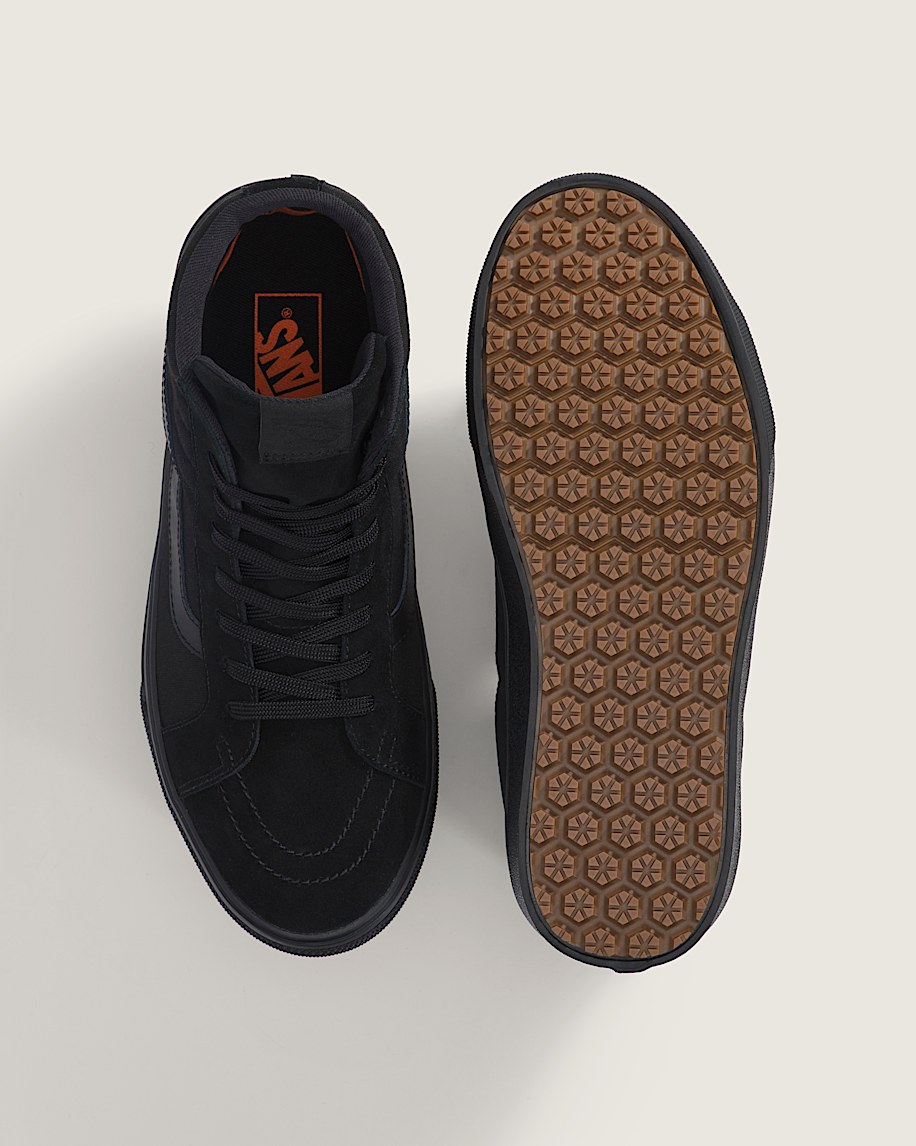
Vans work shoes often use patterned rubber soles. The grooves help create edges that grip the floor. They can also help move small amounts of liquid away from the main contact points.
Still, traction has limits. A worn outsole loses its grip over time. A sole covered in oil or flour can become slick. Poor cleaning, loose mats, and spills can also create hazards that no shoe can fully solve.
Factors that affect grip
Consider these points before deciding whether Vans are right for your job:
• Floor type: Tile, concrete, metal, and polished floors have different traction needs.
• Spill type: Water, oil, soap, grease, and food waste can affect grip in different ways.
• Tread condition: Deep, clean tread usually performs better than smooth or worn rubber.
• Walking style: Fast turns and long strides increase your chance of slipping.
• Work rules: Your employer may require a specific safety rating or shoe type.
• Fit: A loose shoe can reduce balance, even when the outsole has good traction.
This is why the question “are vans non slip shoes for work” cannot be answered by brand name alone. The model and workplace matter just as much.
Are Vans Good for Different Jobs?
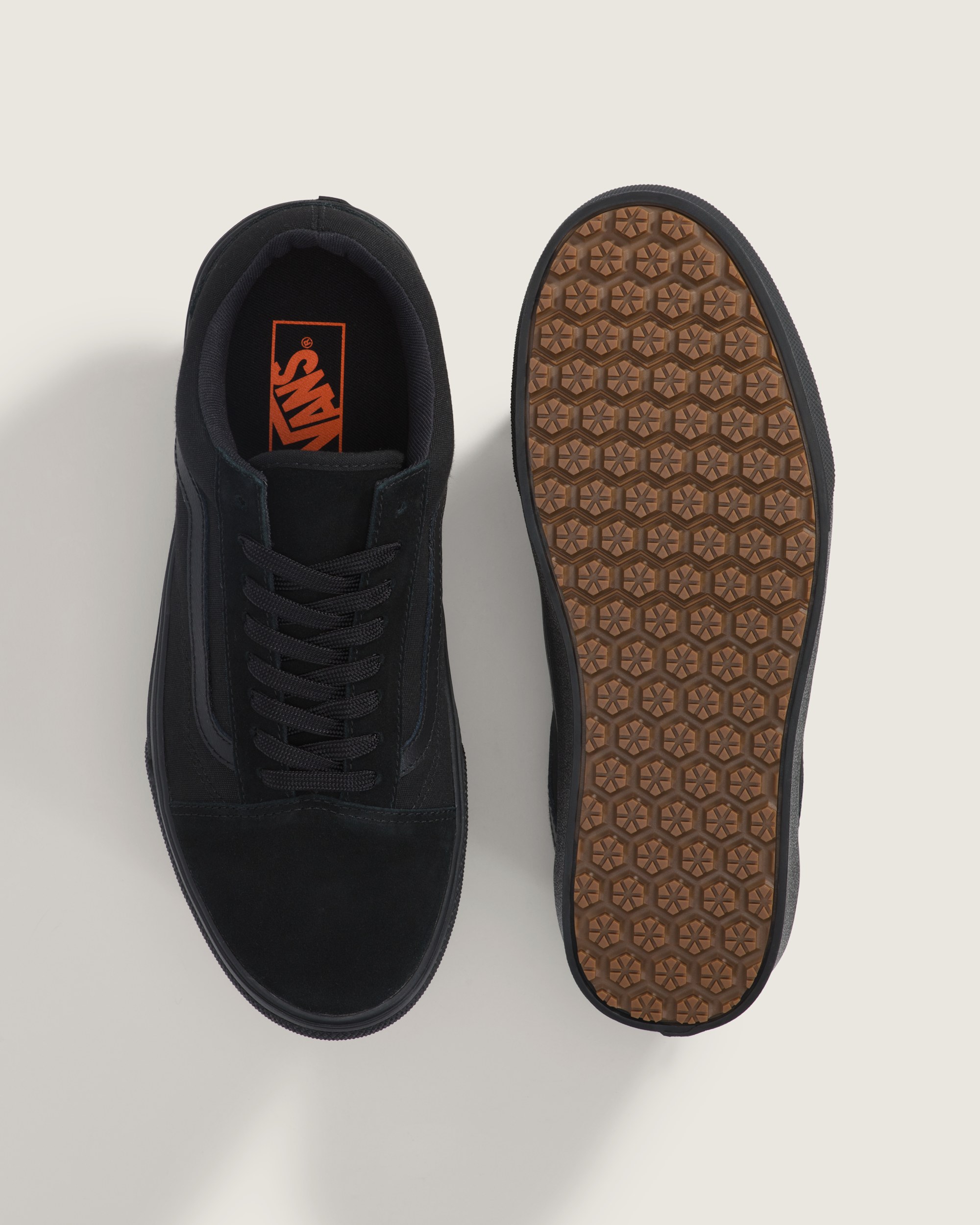
Vans work shoes can be a practical choice for some jobs. They are often comfortable, light, and less bulky than traditional safety shoes. However, they are not ideal for every work environment.
Restaurants and food service
Work Vans may suit restaurant staff who stand and walk on tile floors. Slip-resistant outsoles and water-resistant uppers can help with common spills.
They are not a substitute for careful housekeeping. Employees should still clean spills quickly, use warning signs, and follow workplace safety rules. Grease can reduce traction on nearly any shoe.
Retail and customer service
Vans can work well in retail settings where the main demands are standing, walking, and comfort. Classic Vans may be acceptable if the store has dry floors and no special footwear rule.
For stores with loading areas, wet entrances, or heavy stock work, a work-specific model is a better choice. It provides more protection and usually offers stronger support.
Healthcare
Healthcare workers often need shoes that resist fluids and provide stable footing. A work Vans model may be useful in some low-risk settings, but hospital policies vary.
Many healthcare facilities require closed-toe shoes, easy-clean surfaces, and approved slip resistance. Check your facility’s dress code before wearing Vans on a clinical floor.
Warehouses and construction
Vans may not provide enough protection for warehouses, construction sites, or industrial areas. These jobs may require safety toes, puncture resistance, electrical hazard protection, or stronger ankle support.
A slip-resistant sneaker cannot protect your foot from a dropped box, sharp metal, or heavy equipment. In these settings, use footwear that matches the full hazard assessment.
Healthcare, kitchen, retail, or warehouse?
The answer to “are vans non slip shoes for work” changes with the job’s risks. A restaurant worker may need slip resistance most. A warehouse worker may need both slip resistance and toe protection.

Benefits of Wearing Vans for Work
Vans have several practical advantages when the model fits your job.
Comfortable everyday design
Many Vans shoes have a familiar sneaker shape. They are less stiff than some traditional work shoes and may feel comfortable during walking-heavy shifts.
Work models often add cushioning and support without looking like heavy industrial footwear. This can appeal to workers who want a clean, casual appearance.
Simple styling
Vans pair easily with uniforms, jeans, work pants, and casual business clothing. Their low-profile design can look more polished than bulky work boots.
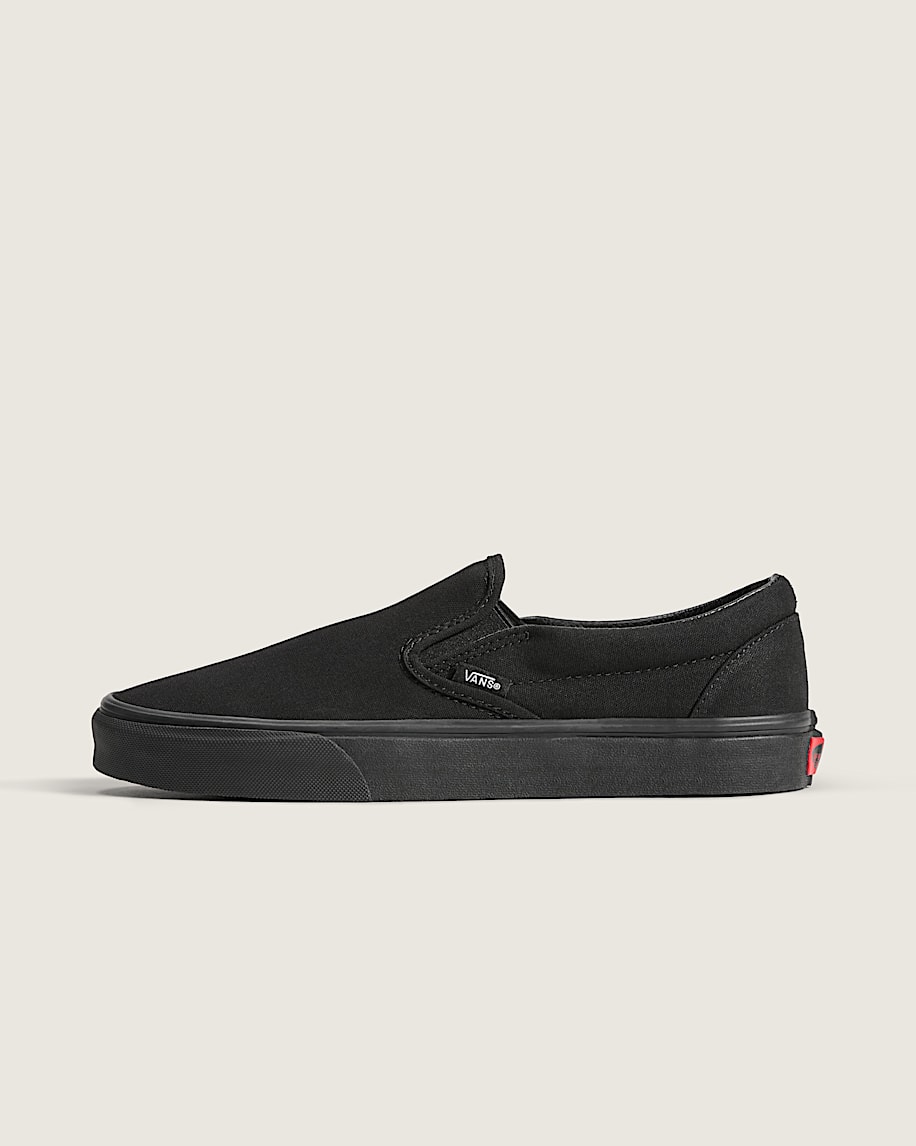
This is useful in customer-facing roles where appearance matters. A clean black work sneaker can blend into a uniform while still offering job-focused features.
Easy movement
Sneaker-style work shoes are often flexible. Flexibility can make it easier to climb stairs, walk between departments, or move around a busy kitchen.
However, too much flexibility may not be ideal for heavy work. Support should come before appearance when the job involves lifting, uneven ground, or long periods on concrete.
Usually lighter than work boots
A lighter shoe can reduce fatigue during a long shift. This does not mean every Vans work shoe will suit every foot. Cushioning, arch shape, and heel support are personal factors.
If you have flat feet, plantar pain, or another foot issue, consider a supportive insole or speak with a foot-care professional. A stylish shoe cannot correct a poor fit.
Limitations and Safety Concerns
The answer to “are vans non slip shoes for work” should always include their limits. No shoe is slip-proof, and no casual sneaker should be treated as protective equipment without checking its features.
Not every Vans shoe is slip resistant
This is the biggest issue. Classic Vans models are not automatically approved for food service, healthcare, or industrial work.
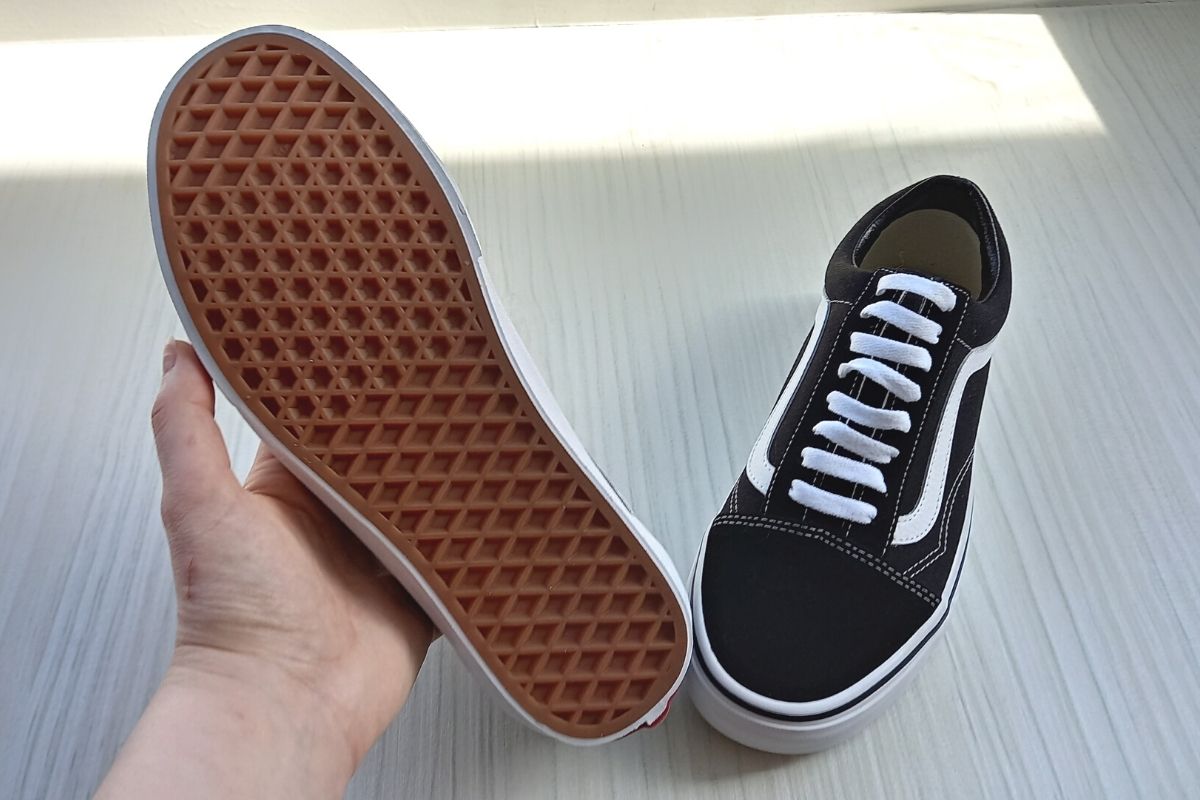
Do not assume that a waffle sole equals a non-slip sole. Look for the manufacturer’s current slip-resistant claim and compare it with your employer’s requirements.
Limited protection from impact
Most Vans work sneakers do not provide the same protection as steel-toe or composite-toe boots. They may protect against normal wear but not serious impact or compression hazards.
If your job involves heavy objects, pallet jacks, machinery, or construction materials, ask whether safety-toe footwear is required.
Water resistance is not waterproofing
A water-resistant upper can slow moisture. It does not guarantee that your feet will stay dry during deep puddles, standing water, or heavy rain.
Water can enter through seams, the tongue, and the opening around your ankle. Use waterproof footwear when your work regularly involves large amounts of water.
Comfort is not the same as support
A soft shoe may feel good at first but still lack enough arch or heel support for a full shift. Walk around in the shoes before wearing them to work.
Try them with your usual work socks. Check for heel movement, toe pressure, rubbing, and foot sliding.
Traction decreases with wear
Inspect the outsole often. Replace the shoes when the tread becomes smooth, cracked, uneven, or detached.
A common mistake is waiting until the upper looks damaged. The bottom of the shoe may lose traction first.

How to Choose the Right Vans Work Shoes
Use this simple checklist before buying:
-
Check the exact model name. Do not rely on the Vans brand alone.
-
Read the product details. Look for slip-resistant, oil-resistant, water-resistant, or workplace-specific wording.
-
Review your employer’s policy. Some workplaces require a particular standard, color, or safety feature.
-
Match the shoe to the hazard. Consider spills, impact, punctures, electricity, heat, and uneven floors.
-
Try the shoes on late in the day. Feet often swell after hours of standing.
-
Wear your work socks. Thick socks can change the fit.
-
Walk on several surfaces. Test comfort and stability on clean, dry flooring.
-
Check your toes. They should move freely without hitting the front.
-
Watch the heel. It should stay in place without excessive slipping.
-
Inspect the outsole. Avoid shoes with shallow, smooth, or weak-looking tread.
A good fit should feel secure but not tight. Your heel should stay in place, and your toes should have room to spread. If the shoe bends in the wrong place or your foot slides forward, choose another model.
Cleaning and maintenance tips
Good maintenance can help preserve traction:
• Remove dirt after each shift.
• Wash the outsole with mild soap and water.
• Let shoes dry fully before wearing them again.
• Do not cover the tread with wax, polish, or oily products.
• Replace shoes when the tread is worn.
• Keep a spare pair if your work regularly exposes shoes to water.
Clean shoes are not only more presentable. They can also maintain better contact with the floor.
Practical Experience: Mistakes Workers Commonly Make
One lesson that comes up again and again in workplace footwear is that comfort can create false confidence. A shoe may feel great during the first hour but become painful after eight hours. Another shoe may grip well on a dry floor but slide when oil or soap appears.
A common mistake is buying classic Vans because they look like work Vans. The design may be similar, but the outsole, materials, and support can differ. Always compare the exact product details.
Another mistake is wearing new shoes for a full shift on day one. Break them in with short walks first. This helps you find pressure points before they turn into blisters.
It is also wise to test shoes with caution. Never create a dangerous spill just to test traction. Instead, follow the manufacturer’s information, workplace rules, and safe shoe-testing practices.
My practical advice is simple: treat work shoes like tools. Choose the tool for the task, check it often, and replace it when it no longer performs well.
Vans vs. Other Non-Slip Work Shoes
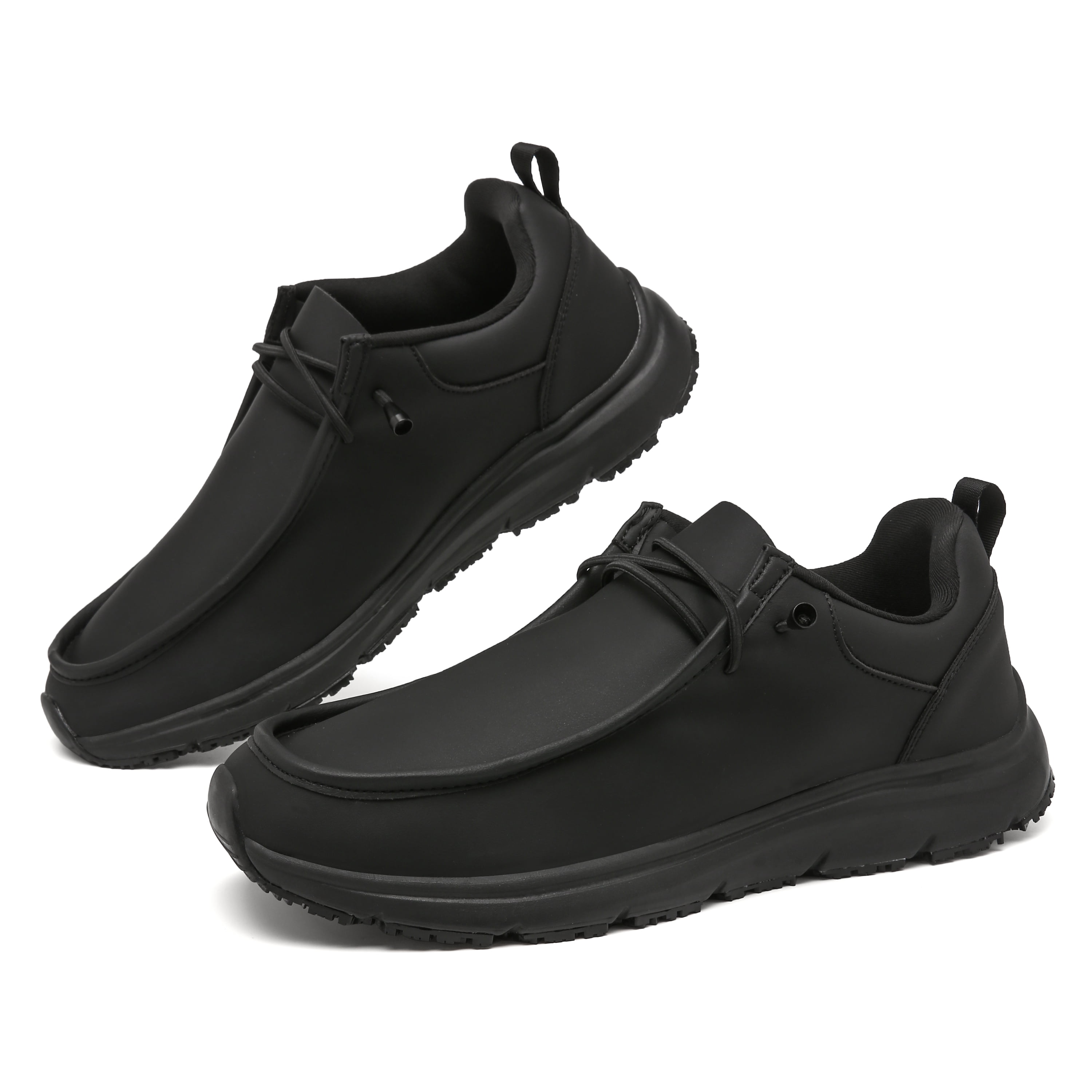
Vans work shoes compete with brands that focus more heavily on occupational footwear. The best choice depends on your priorities.
Vans may be a strong option if you want:
• A casual sneaker appearance
• Light weight
• Easy movement
• A familiar fit
• Moderate slip resistance for lower-risk work
Traditional work shoes may be better if you need:
• Safety-toe protection
• Electrical hazard protection
• Puncture-resistant soles
• High ankle support
• Heat protection
• Strong waterproofing
• Specialized medical or industrial ratings
The question “are vans non slip shoes for work” is often really a question about risk. For a café with clean floors and a work-specific Vans model, they may be suitable. For a construction site, they may be unsafe because they lack other required protections.
If you are unsure, ask your supervisor or safety manager. A short conversation is better than a foot injury or a failed uniform inspection.
Frequently Asked Questions About Are Vans Non Slip Shoes for Work
Are all Vans shoes non-slip?
No. Many classic Vans shoes are casual sneakers and do not have a verified workplace slip-resistant design. Check the exact model for clear slip-resistant labeling.
Are Vans Made for the Makers shoes good for restaurant work?
They can be a suitable option for some restaurant jobs because certain models offer slip-resistant outsoles and water-resistant materials. However, confirm that the model meets your restaurant’s footwear policy and safety needs.
Can I wear classic Vans in a kitchen?
Classic Vans are not the safest choice for a commercial kitchen. Kitchens may have oil, grease, water, and food debris, so a work-specific slip-resistant shoe is usually more appropriate.
Do Vans work shoes have steel toes?
Most Vans work sneakers are not steel-toe shoes. If your job requires impact or compression protection, choose footwear with the required safety toe and certification.
Are Vans good for standing all day?
Some Vans work models can be comfortable for long periods of standing, but comfort depends on your feet, fit, and support needs. Test the shoes with your work socks before committing to a full shift.
How can I tell if my Vans are slip resistant?
Look at the exact model description, product tag, and outsole design. A general waffle pattern is not enough; the shoe should clearly state that it is made for slip resistance or workplace use.
Are Vans waterproof?
Most Vans are not fully waterproof. Some work models may resist water, but water resistance is different from waterproof protection in deep puddles or constant wet conditions.
Conclusion
So, are Vans non slip shoes for work? Some work-specific Vans models are designed to provide better traction and comfort, but standard Vans sneakers should not be assumed to be non-slip. The right choice depends on the exact model, your work surface, spill risks, required safety features, and employer rules.
Check the label, inspect the outsole, choose the correct fit, and replace worn shoes before traction fades. If your job involves heavy impact, sharp objects, electricity, or machinery, select safety footwear made for those hazards instead.
Review your workplace policy and compare Vans Made for the Makers shoes with other certified work options before buying.

Madison Clark is a footwear expert and the voice behind MyStyleGrid.com. She specializes in honest shoe reviews, style tips, and practical guides to help readers find the perfect pair for any occasion. With years of experience in blogging and content creation, Madison makes footwear knowledge simple, stylish, and easy to follow.