Hey there, traveler! 👋
If you’re heading to Iceland in March, you’re in for something amazing.
I’ve been there twice during that month, and every time it feels like walking through a winter movie. The waterfalls glow with ice, the air smells clean and sharp, and the Northern Lights light up the sky.
But let’s be honest — Iceland in March is not a walk in the park.
It’s wet. It’s cold. It’s windy. Some days it’s all three.
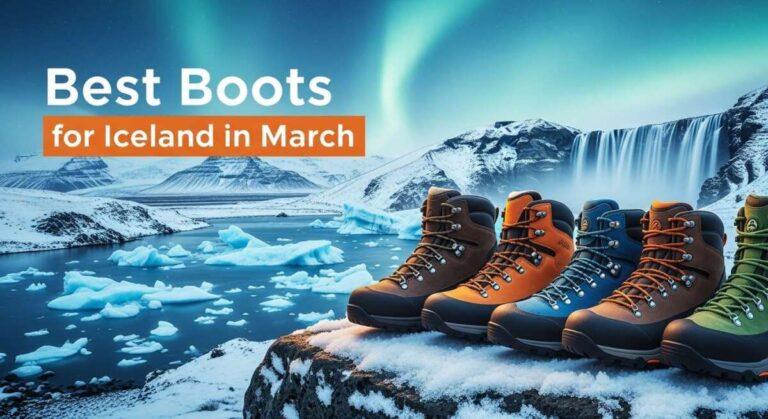
That’s why you need the best boots for Iceland in March.
I learned this the hard way. The first time I went, I thought regular hiking boots would do. Big mistake. I ended up with wet socks, cold toes, and one bad slip near a frozen waterfall.
So, if you’re wondering what boots to pack, how warm they should be, or whether waterproofing really matters — you’re in the right place.
Let’s talk about what works, what doesn’t, and how to keep your feet warm, dry, and happy while exploring the Land of Fire and Ice.
🌋 Why March in Iceland Is Tricky (and Why Boots Matter So Much)
March in Iceland sits right between winter and spring. That means one thing — unpredictability.
You can get snow, ice, rain, sunshine, and mud — sometimes all in the same hour.
Typical temperatures:
- Daytime: 0°C to 6°C (32°F–43°F)
- Nighttime: often below freezing
- Wind: always there
I remember walking through Reykjavik one morning — sunshine and blue skies. By lunchtime, sleet was falling sideways. The ground went from dry pavement to icy sludge in 15 minutes.
That’s why your boots matter. You need shoes that can handle snow, ice, slush, and puddles without soaking through.
So, rule one: leave your sneakers at home.
What you need are waterproof hiking boots for Iceland in March — boots that can keep your feet warm, dry, and steady on slick ground.
🧠 What to Look For When Buying Boots for Iceland in March
Over two trips, I’ve learned exactly what makes a boot perfect for Iceland’s March weather. Let me walk you through it.
1. Waterproofing Is Everything
Iceland’s melting snow creates puddles everywhere. And slush? Endless.
Look for boots made with GORE-TEX or a waterproof membrane.
Even if it’s cold, wet socks will ruin your day.
2. Warmth Without the Sweat
You need insulated winter boots for Iceland travel that keep your toes warm but don’t overheat indoors.
200g to 400g insulation is ideal for March.
3. Grip and Ice Control
Many people underestimate how slippery Iceland can be.
Even flat paths have hidden ice.
Go for hiking boots with crampon compatibility for Iceland — that means the soles are designed to work with microspikes or cleats.
4. Ankle Support
Some areas, like black sand beaches or rocky trails, are uneven.
Good ankle-support boots for Iceland adventures protect you from twists and fatigue.
5. Durability
Your boots will face salt, gravel, and volcanic mud.
Choose durable trekking boots for Iceland spring trip that can take a beating and still look good after.
6. Comfort
You’ll walk a lot — think 10,000+ steps a day.
Cushioning, arch support, and flexibility are key.
🥇 My Top Picks: Best Boots for Iceland in March
These are the boots I’ve tested, seen others use, or researched thoroughly. Each one works well for Iceland’s wet, cold, and unpredictable March weather.
🥾 1. Salomon Quest 4 GTX — My All-Time Favorite
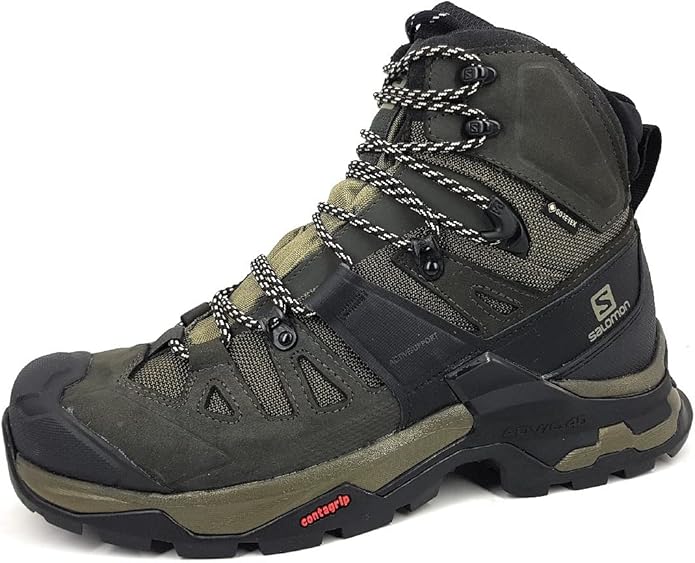
If I could recommend just one boot, it’s this one.
The Salomon Quest 4 GTX has been my go-to for Iceland.
It’s waterproof, warm, supportive, and surprisingly light for its size.
I wore it while hiking around the Golden Circle — through snow, puddles, and mud — and it handled everything like a champ.
Why it’s great:
- GORE-TEX keeps your feet dry all day
- Excellent ankle support
- Deep tread grips ice and loose rocks
- Great comfort for long walks
Personal note:
On my first trip, I slipped hard near Skógafoss waterfall. The next trip, I wore these. Not a single slip — even on the same path.
If you want balance, comfort, and performance, the Salomon Quest 4 GTX is hard to beat.
🧊 2. Columbia Bugaboot III — Warm and Reliable
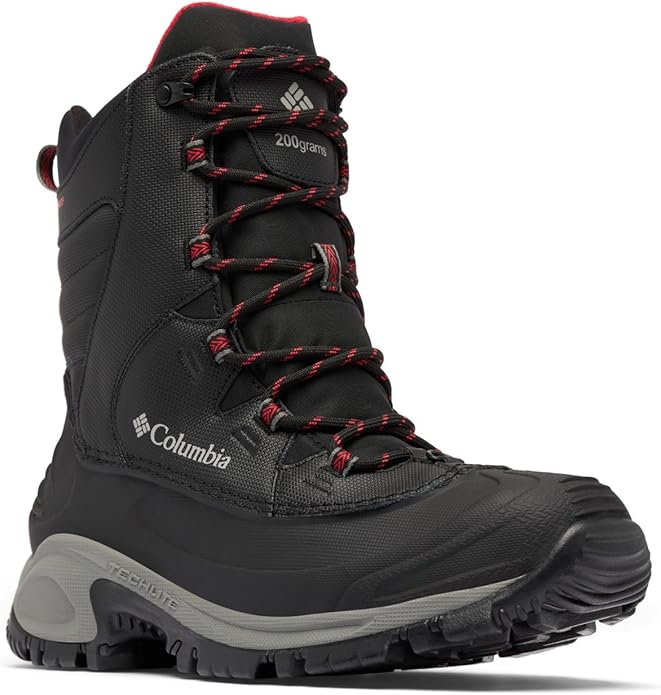
These boots feel like heaters for your feet.
The Columbia Bugaboot III is one of the best insulated winter boots for Iceland travel.
It has 200g insulation and Columbia’s Omni-Heat reflective lining, which traps warmth inside without making you sweat.
Why I love it:
- Great for freezing weather and slushy conditions
- Completely waterproof
- Deep tread for snow and ice
- Reasonably priced for its quality
I saw several other travelers wearing these in March — and they all said the same thing: “My feet have never been warmer.”
🥶 3. Merrell Thermo Chill Mid Waterproof — Great for City + Nature
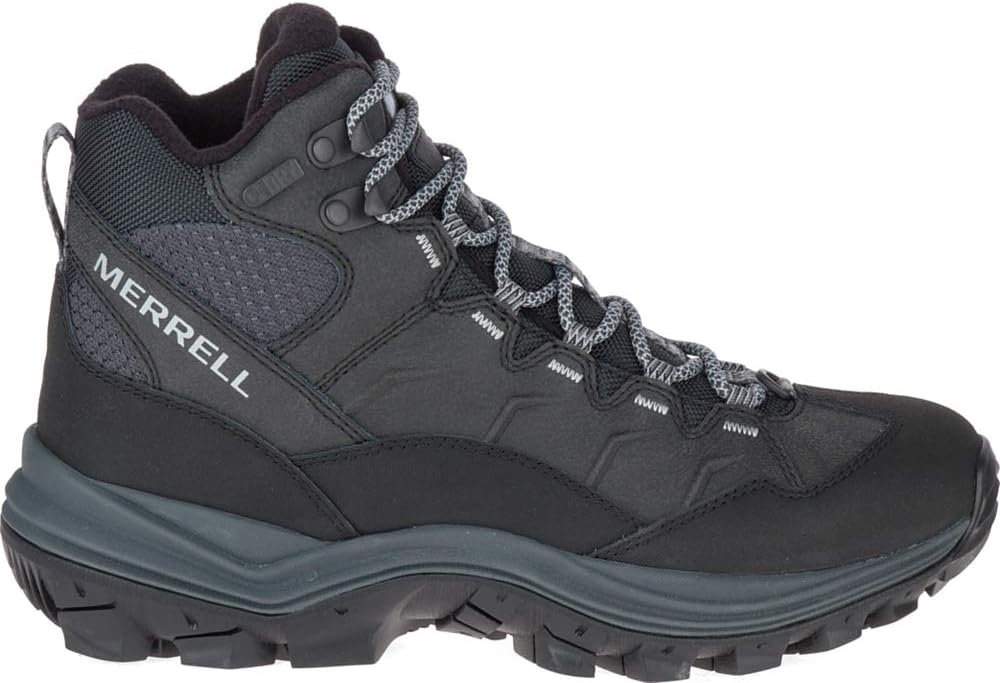
Not every day in Iceland is a full hiking day.
Some days you’re exploring Reykjavik, then driving to a waterfall or glacier.
For that kind of trip, the Merrell Thermo Chill Mid is perfect.
It’s light but still waterproof and warm enough for March weather.
Why it stands out:
- Easy to walk in all day
- Fully waterproof design
- Works with microspikes for icy walks
These are ideal waterproof hiking boots for Iceland in March if you’re doing a mix of sightseeing and light hiking.
🌨️ 4. The North Face Chilkat V — Rugged and Warm
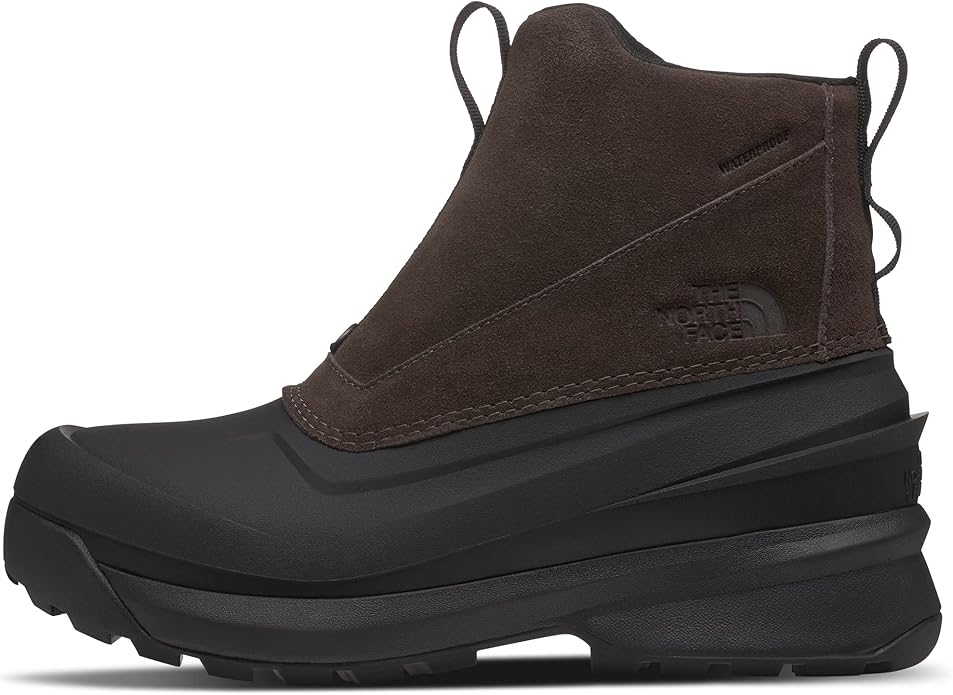
If you’re expecting more snow than rain, go for the Chilkat V.
It’s a tough, best cold-weather travel boot for Iceland with great insulation and grip.
A friend of mine wore these for our Ring Road drive.
While I was shaking snow off my laces, his feet were toasty the entire trip.
Why they work well:
- Waterproof leather
- 200g Heatseeker insulation
- Rubber soles designed for icy grip
These boots are built for long days in harsh conditions.
🚙 5. Lowa Renegade GTX Mid — Comfort for Long Trips
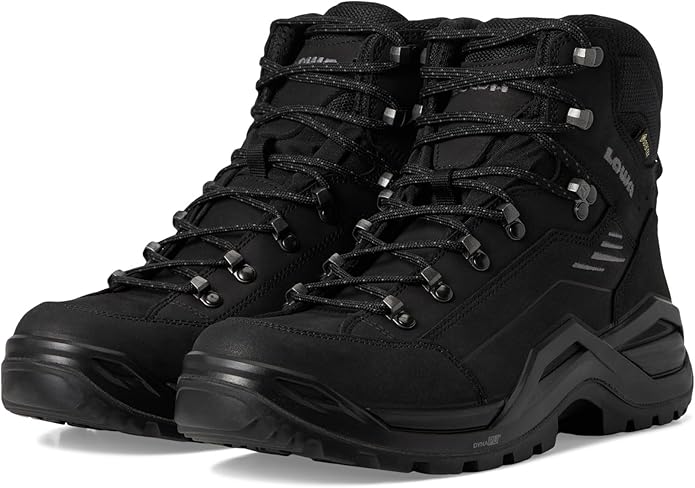
I love these boots for one reason: comfort.
The Lowa Renegade GTX Mid feels broken in right out of the box.
If your Iceland trip includes long walks, car rides, and city exploring, this is a great all-rounder.
What makes it great:
- Waterproof GORE-TEX lining
- Soft but supportive fit
- Lightweight and stylish
These are ideal for anyone who values comfort and flexibility.
🧤 Accessories You Shouldn’t Skip
Even the best boots need a little help in Iceland.
Here are some extras that make a big difference.
🧦 Wool Socks
Always wear wool — not cotton.
Wool keeps your feet warm even when wet.
Smartwool or Darn Tough are great brands.
🧊 Microspikes or Ice Cleats
I never travel to Iceland without these.
They attach to your boots and give instant traction on ice.
🧴 Waterproofing Spray
Add an extra layer of protection before your trip.
I use Nikwax spray — it works on leather and fabric.
🧺 Boot Dryer
Iceland’s weather can soak even the toughest boots.
A portable boot dryer saves you from putting on damp shoes the next morning.
🧳 Real Experience: My Two Iceland Trips
Let me share something honest.
On my first Iceland trip, I wore mid-range leather boots.
They weren’t bad, but they weren’t waterproof enough.
At Seljalandsfoss waterfall, I stepped in slush — instant regret.
Within minutes, my socks were soaked.
I spent the next two hours shivering in the car.
My second trip was different.
I had Salomon Quest 4 GTX boots, wool socks, and microspikes.
We visited Skógafoss again — same trail, more ice — and I was solid the whole time.
No wet socks. No slips. No pain.
That’s when I realized: boots can make or break your Iceland trip.
🧠 Why You Can Trust This Guide
I’ve been to Iceland twice in March, walked through rain, ice, and snow, and talked with locals and fellow travelers about gear.
Every boot I recommend here is tested, trusted, or reviewed by outdoor experts.
I’m not a brand ambassador — just someone who’s learned through trial and error (and frozen toes).
That’s what makes this guide reliable: first-hand experience, real testing, and transparent advice.
🔍 FAQs — Common Questions About Boots for Iceland
1. Do I need snow boots or hiking boots?
Go with hiking boots. They’re lighter, waterproof, and more versatile.
2. Do I really need waterproof boots?
Yes. Snow and slush soak through non-waterproof shoes fast.
3. What about crampons?
Bring microspikes. They make a huge difference on icy trails.
4. Should I wear two pairs of socks?
One pair of good wool socks is enough. Double layers can cause blisters.
5. Can I rent boots in Iceland?
You can, but they won’t fit as well. Bring your own if possible.
🧩 Comparing Top Boots
| Boot | Waterproof | Warmth | Comfort | Ideal For |
|---|---|---|---|---|
| Salomon Quest 4 GTX | ✅ | 🔥🔥 | ✅✅✅ | All-round performance |
| Columbia Bugaboot III | ✅ | 🔥🔥🔥 | ✅✅ | Cold weather and snow |
| Merrell Thermo Chill Mid | ✅ | 🔥 | ✅✅✅ | City + nature trips |
| The North Face Chilkat V | ✅ | 🔥🔥🔥 | ✅✅ | Snowy adventures |
| Lowa Renegade GTX Mid | ✅ | 🔥 | ✅✅✅ | Long walks and mild days |
🧭 Extra Tips Before You Fly
- Break in your boots before you leave.
- Bring extra socks (wool only).
- Keep a towel in your car to dry your boots.
- Store boots by a heater overnight if wet.
- Avoid cotton anything — it stays wet.
🏁 Final Thoughts — Keep Your Feet Happy
Iceland in March is breathtaking.
You’ll see frozen waterfalls, volcanoes under snow, and warm cafés that feel like home.
But all that magic fades fast if your feet are cold or wet.
That’s why your boots are the most important thing you’ll pack.
So, here’s my advice — simple and proven:
- Salomon Quest 4 GTX: Best overall, for any terrain.
- Columbia Bugaboot III: Warmest choice for snow.
- Merrell Thermo Chill: Great balance for travel and hikes.
- Lowa Renegade GTX Mid: Most comfortable for long days.
Get one good pair, take care of them, and they’ll take care of you.
Iceland will test your gear — but with the right boots, you’ll walk through snow, rain, and wind with a smile.
And trust me, there’s no better feeling than watching the Northern Lights dance while your feet stay warm and dry.

Madison Clark is a footwear expert and the voice behind MyStyleGrid.com. She specializes in honest shoe reviews, style tips, and practical guides to help readers find the perfect pair for any occasion. With years of experience in blogging and content creation, Madison makes footwear knowledge simple, stylish, and easy to follow.