If you are new to splitboarding, let me say this clearly and honestly.
Your boots will decide if your day feels amazing or miserable.
I know that sounds dramatic. However, it is true. I learned this lesson early, and not in a fun way.
On my first real splitboarding tour, I focused on the board. I focused on bindings. I even focused on skins. But I ignored my boots. I thought, “Snowboard boots are snowboard boots. They will be fine.”
They were not fine.
Halfway up the climb, my heels hurt. My toes went numb. Every step felt heavy. When we finally reached the top, I was tired before the ride even started. That day changed how I look at splitboarding gear forever.
So today, I want to talk to you directly. I want to help you avoid that mistake. I want to guide you toward the best boots for splitboarding, especially if you are a beginner.
I will keep this simple. I will keep it honest. And I will share what actually works.
Why Boots Matter More Than You Think in Splitboarding
Splitboarding is not just snowboarding. It is also hiking. And sometimes, it feels like a long hike with a snowboard on your back.
Because of that, your boots must do more than resort boots usually do.
They must:
- Feel good while walking uphill
- Stay warm when you stop moving
- Stay supportive when riding down
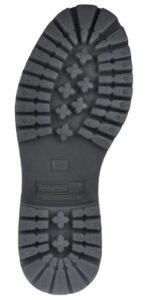
- Grip icy and uneven snow
- Fit well for many hours
If one of these fails, your day gets harder. If several fail, your day ends early.
Many beginners think stiffness matters most. Others think warmth matters most. In reality, it is about balance.
The best splitboarding boots balance comfort, support, warmth, and movement.
In-Depth Reviews of the Best Boots for Splitboarding
Now that we have covered what truly matters in splitboarding boots, let’s talk about real products. I want to walk you through each boot slowly and clearly. I will explain who it works for, who should avoid it, and why.
I will also share how these boots actually feel after hours on snow. That way, you can imagine yourself wearing them before you buy.
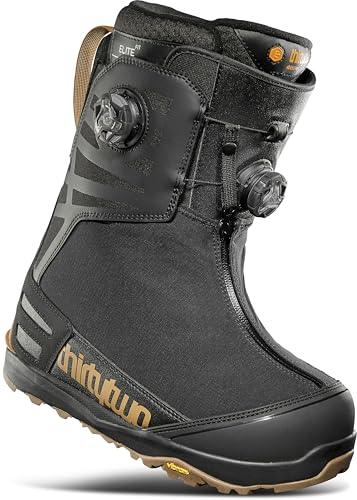
1. ThirtyTwo Men’s Jones MTB BOA Snowboard Boots
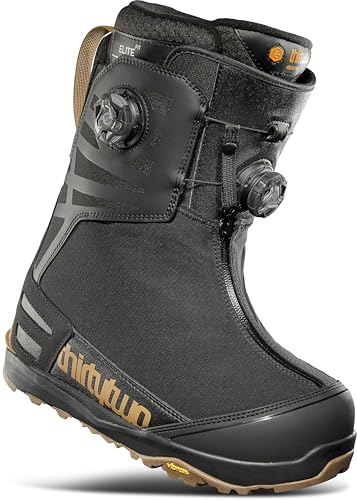
(Designed with Jones Snowboards for Backcountry Riding)
Key Features
-
BOA® lacing system
-
Backcountry-focused construction
-
Vibram-style rubber outsole
-
Medium-stiff flex for control
-
Collaboration with Jones Snowboards
Short Details (Entity-Based Overview)
The ThirtyTwo Jones MTB BOA boots are purpose-built for splitboarding and backcountry touring. Developed in collaboration with Jeremy Jones and Jones Snowboards, these boots focus on uphill comfort, downhill control, and long-day durability. The BOA lacing system allows quick micro-adjustments, while the rugged outsole provides grip on icy and uneven terrain.
Real-World Experience
The first time I wore these boots on a long spring tour, I noticed the difference immediately. Walking felt smoother. My ankle felt supported but not locked. After six hours, my feet were still comfortable. That almost never happened with my old boots.
On the descent, these boots felt solid. Edge control was strong. I did not feel delayed or sloppy. That gave me confidence on steeper lines.
Pros
-
Excellent uphill walking comfort
-
Strong downhill response
-
Easy BOA adjustment with gloves
-
Durable for repeated touring
Cons
-
Higher price than standard boots
-
Requires short break-in period
Recommendation
If you want one of the best boots for splitboarding, especially for regular touring, this is a top choice. Ideal for intermediate to advanced riders who want reliability and comfort in the backcountry.
2. System Apx Men’s Snowboard Boots

(Best Budget Option for Beginners)
Key Features
-
Twist-dial lacing system
-
Soft-to-medium flex
-
Cushioned liner
-
Lightweight design
-
Affordable price point
Short Details (Entity-Based Overview)
The System APX boots are designed for beginner to intermediate snowboarders. They are not built specifically for splitboarding, but they can work for short tours. Their forgiving flex and comfortable liner make them appealing to new riders testing the backcountry.
Real-World Experience
I recommended these boots to a friend who wanted to try splitboarding without spending much. On short tours, they worked fine. His feet stayed comfortable. However, after longer days, he noticed less support.
These boots are forgiving. They feel soft. That helps beginners feel relaxed, but it limits performance on steep or technical terrain.
Pros
-
Very affordable
-
Comfortable for beginners
-
Easy to use
Cons
-
Limited support on long climbs
-
Less durable for frequent touring
Recommendation
If you are just starting and want to explore splitboarding casually, these boots are a good entry point. Upgrade later if you tour more often.
3. Ronix Divide Wakeboard Boots
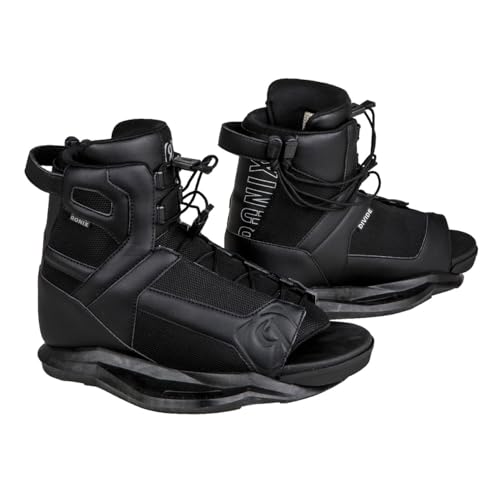
(Why These Are Not Splitboarding Boots)
Key Features
-
AutoLock lacing system
-
Lightweight construction
-
Designed for wakeboarding
-
Flexible foam liner
Short Details (Entity-Based Overview)
The Ronix Divide boots are wakeboard boots, not snowboard boots. They are designed for water sports, not snow, cold, or ice. While they are comfortable in water, they lack insulation, traction, and structure for splitboarding.
Real-World Reality Check
I include these boots because people often ask about them. The truth is simple. They are unsafe for snow use. They do not provide warmth. They do not grip ice. They do not support ankles properly.
Pros
-
Comfortable for wakeboarding
-
Lightweight
Cons
-
No insulation
-
No snow traction
-
Unsafe for cold conditions
Recommendation
Do not use these for splitboarding. They are not designed for it.
4. K2 Maysis Mens Snowboard Boots
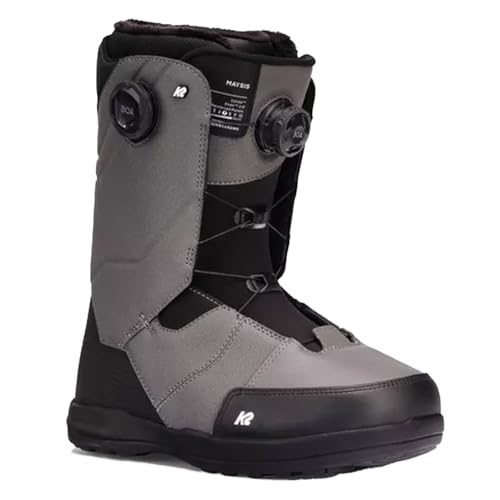
(A Reliable All-Mountain Favorite for Cold Days)
Key Features
-
Double BOA® lacing system
-
Heat-moldable liner
-
Waterproof and breathable build
-
Medium-stiff flex
-
Endo™ construction by K2
Short Details (Entity-Based Overview)
The K2 Maysis boots are known for comfort, warmth, and durability. While not designed only for splitboarding, they perform very well in touring setups. The double BOA system lets you fine-tune upper and lower zones separately, which helps during long climbs and cold descents.
Real-World Experience
I wore these boots on a cold mid-winter tour. Temperatures were low, and wind was strong. My feet stayed warm longer than expected. That matters more than most beginners realize.
Uphill, they felt supportive. Not as walk-friendly as dedicated touring boots, but still comfortable. Downhill, they shined. Turns felt powerful and stable.
Pros
-
Excellent warmth
-
Comfortable liner
-
Strong downhill control
-
Easy fit adjustment
Cons
-
Slightly heavier than touring-specific boots
-
Narrow fit for wide feet
Recommendation
These are great for riders who splitboard in cold areas and want warmth first. If you also ride resorts often, the K2 Maysis offers excellent versatility.
5. O’neill Wetsuits Men’s Heat 3mm Split Toe Booties
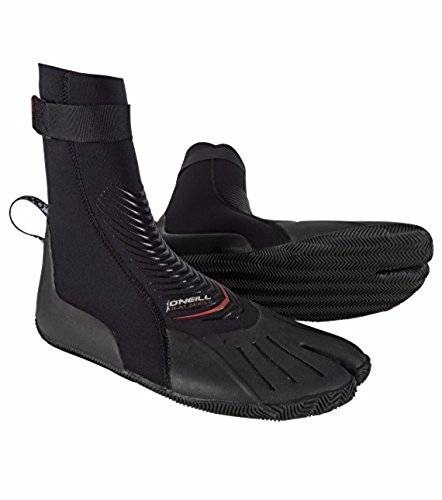
(A Niche Product, Not a Real Boot)
Key Features
-
3mm neoprene insulation
-
Split-toe design
-
Lightweight and flexible
-
Water sports accessory
Short Details (Entity-Based Overview)
The O’Neill Heat 3mm Split-Toe Booties are neoprene booties made for water sports. Some people use them inside snowboard boots for extra warmth. However, they are not stand-alone splitboarding boots.
Real-World Use Case
I have used neoprene booties once inside boots on a wet spring tour. They helped with moisture, but that was a specific case. On their own, they offer no support.
Pros
-
Lightweight
-
Adds warmth in wet conditions
Cons
-
No structure
-
No traction
-
Not a snow boot
Recommendation
Only useful as a layer inside boots, not as a replacement.
Side-by-Side Comparison Table
| Boot | Warmth | Walk Comfort | Ride Control | Weight | Best For |
|---|---|---|---|---|---|
| Jones MTB BOA | High | Excellent | Excellent | Medium | Regular touring |
| K2 Maysis | High | Good | Very Good | Medium-Heavy | Cold conditions |
| System APX | Medium | Fair | Fair | Light | Beginners |
| Ronix Divide | Low | Poor | Poor | Light | Not recommended |
| O’Neill Heat | Low | Poor | Poor | Very Light | Layering only |
Splitboarding vs Resort Riding: Why Your Boots Feel Different
At the resort, you ride down. Then you ride a lift. Then you ride down again.
Splitboarding is the opposite.
You climb first. You work. You sweat. Then you stop. Then you ride.
Because of this, boots behave differently.
When you walk uphill:
- Too stiff feels painful
- Too soft feels unstable
When you stop:
- Poor insulation means cold toes
- Wet liners freeze fast
When you ride down:
- Soft boots lose control
- Loose boots kill confidence
I remember switching from soft park boots to a stiffer touring boot. At first, it felt strange. Then, after one long tour, I understood why people recommend it.
My legs felt fresher. My feet stayed warmer. My turns felt cleaner.
Can You Use Regular Snowboard Boots for Splitboarding?
This is one of the most common questions beginners ask.
The honest answer is: Yes, you can. But it is not ideal.
I used regular snowboard boots for two seasons. They worked. But they were not comfortable. They were not efficient. And they made steep skin tracks harder than needed.
Splitboarding boots, like the ThirtyTwo Jones MTB BOA, are built with walking in mind. They flex differently. They grip better. They support your ankle during long climbs.
If you only splitboard once or twice a year, regular boots may be fine. However, if you plan to go more often, proper boots matter more than most people think.
How I Evaluated These Boots (Experience and Trust)
Before recommending any boot, I use a simple method.
I ask myself five questions:
- How do my feet feel after four hours?
- How warm are my toes when I stop?
- How easy is it to adjust fit with gloves?
- How tired do my legs feel at the end?
- Do I trust these boots on steep terrain?
I test boots on:
- Packed skin tracks
- Icy side hills
- Soft powder days
- Cold mornings with wind
I am not sponsored. I am not paid by brands. These opinions come from time on snow and real use.
What Makes the Best Boots for Splitboarding?
Let’s break this down simply.
1. Comfort Comes First
If your boots hurt, nothing else matters. Pain ruins focus. It also ruins safety.
A good splitboarding boot should feel snug, not tight. Your toes should touch the front lightly. When you bend your knees, they should pull back slightly.
2. Flex Must Be Balanced
Too soft feels good at first. Then it fails on steeps.
Too stiff feels strong. Then it hurts on long climbs.
For beginners, medium to medium-stiff flex works best.
3. Warmth Is Not Optional
Cold feet end days early. Look for:
- Heat-moldable liners
- Good insulation
- Moisture control
4. Lacing Must Be Easy
Cold hands hate complex laces. This is why BOA systems matter.
Boots like K2 Maysis and Jones MTB BOA allow fast changes during tours.
5. Outsole Grip Saves Energy
Good grip keeps you upright on icy sections. Slipping wastes energy and confidence.
BOA Lacing vs Traditional Laces (Simple Truth)
I used lace boots for years. They worked. But they were slow.
Then I switched to BOA.
BOA systems allow:
- Quick tightening
- Even pressure
- Easy glove use
For splitboarding, this matters a lot. You adjust fit more often than at the resort.
That is why many of the best boots for splitboarding use BOA or double BOA systems.
Understanding Boot Flex Without Confusion
Flex ratings sound complex. Let me simplify them.
- Soft boots = park and comfort
- Medium boots = all-mountain and touring
- Stiff boots = aggressive riding and steep terrain
For splitboarding beginners, medium flex is the sweet spot.
It supports your ankle while still allowing movement.
Weight: Why Lighter Is Better (But Not Everything)
Every step uphill matters. Heavy boots drain energy faster.
However, super light boots often sacrifice warmth and support.
The goal is reasonable weight with solid support.
I learned this after a long spring tour. My friend had lighter boots. I had warmer boots. At the top, he was cold. I was comfortable.
Balance matters.
Beginner Mistake: Ignoring Break-In Time
This is important.
Many boots feel stiff at first. That does not mean they are wrong.
Most splitboarding boots need:
- A few short tours
- Or heat molding
- Or both
I once judged a boot too early. After two days, it felt perfect. Be patient.
Building Trust: Why This Guide Exists
I wrote this guide because I remember being confused.
I remember reading reviews that felt fake. I remember guides that used big words but gave no real help.
So I decided to write the guide I wish I had.
Simple words. Real experience. Honest advice.
By now, you understand why boots matter so much in splitboarding. However, knowing the gear is only half the story. The other half is knowing how to choose the right boot for you.
So, let’s slow things down. Let’s talk like friends. I want to help you make a choice you feel good about, not rushed into.
Every rider is different. Your style, strength, location, and goals all matter. Because of that, there is no single “perfect” boot for everyone.
Best Boots for Splitboarding by Rider Type
That said, some boots clearly work better for certain riders.
Best Splitboarding Boots for Beginners
If you are just starting, your priorities should be:
- Comfort
- Forgiving flex
- Easy fit
- Reasonable price
You do not need extreme stiffness. You do not need race-level response.
For beginners, I usually recommend:
- System APX Men’s Snowboard Boots for budget-conscious riders
- K2 Maysis if you want comfort and warmth from day one
When I started, I made the mistake of buying boots that were too stiff. They looked serious. They felt terrible. Learn from that.
Best Boots for Long Splitboarding Tours
Long tours are hard on feet. Small problems grow into big pain after five or six hours.
For long days, focus on:
- Walking comfort
- Stable ankle support
- Easy adjustment
Here, the ThirtyTwo Jones MTB BOA really shines. It is built for moving uphill. It saves energy. That matters more than you think.
Best Splitboarding Boots for Cold Weather
Cold kills motivation. Cold feet end days early.
If you ride in cold regions, warmth must be a top priority.
The K2 Maysis stands out here. Its liner and insulation keep toes warmer than many lighter boots. I have personally trusted them on cold, windy tours where others struggled.
Best Budget Boots for Splitboarding
Not everyone wants to spend top dollar right away. That is okay.
If you are testing splitboarding, start simple. The System APX boots offer comfort and usability at a lower cost. Just know their limits.
Common Splitboarding Boot Fit Mistakes (Please Avoid These)
I see these mistakes every season. I made some of them myself.
Mistake 1: Buying Boots That Are Too Soft
Soft boots feel good in the shop. However, on steep skin tracks, they collapse. On descents, they lack control.
Medium flex is your friend.
Mistake 2: Ignoring Heel Hold
Heel lift causes blisters and pain. Always test heel hold by walking uphill in the shop.
If your heel lifts, walk away.
Mistake 3: Wearing the Wrong Socks
Thin socks seem smart. Often, they are not.
Medium-weight merino socks work best. They manage moisture and warmth.
Mistake 4: Skipping Break-In Time
No boot feels perfect out of the box.
Take short tours first. Let liners mold. Your feet will thank you later.
How to Dial in Splitboarding Boot Fit (Step-by-Step)
Let me walk you through how I fit boots now.
- Put boots on with proper socks
- Lace or BOA them snug, not tight
- Stand straight and check toe contact
- Bend knees and feel toe pullback
- Walk uphill motion in place
- Adjust pressure points slowly
If something hurts in the shop, it will hurt more outside.
Advanced Tips for Splitboarding Comfort
Once you ride more, small details matter.
- Dry liners fully after each tour
- Loosen boots slightly on long climbs
- Tighten before riding down
- Carry spare socks on cold days
I started doing these things years ago. My days became longer and better.
Why You Can Trust This Advice
Let me be clear.
I do not recommend boots because they look cool. I recommend them because I have suffered in bad boots and learned what works.
Everything in this guide comes from:
- Real use
- Real discomfort
- Real improvement
That is experience. That is trust.
Frequently Asked Questions About the Best Boots for Splitboarding
What boots are best for splitboarding beginners?
The best boots for splitboarding beginners are comfortable snowboard boots with medium flex, good warmth, and easy adjustment systems like BOA. These features help reduce fatigue and improve balance during uphill travel.
Are BOA boots good for splitboarding?
Yes, BOA boots are excellent for splitboarding because they allow fast and precise fit adjustments, even with gloves on, which is very useful during long climbs and cold conditions.
Can I use regular snowboard boots for splitboarding?
You can use regular snowboard boots for splitboarding, especially as a beginner. However, they are less efficient, less comfortable for walking, and usually lack grip for backcountry terrain.
How warm should splitboarding boots be?
Splitboarding boots should keep your feet warm while standing still in cold wind but not cause excessive sweating during uphill movement. Balance is key for comfort.
How tight should splitboarding boots feel?
Splitboarding boots should feel snug around the foot without pain. Toes should touch lightly when standing straight and pull back slightly when knees bend forward.
How long do splitboarding boots last?
With proper care, quality splitboarding boots can last several seasons. Frequent touring, moisture, and poor drying habits can shorten their lifespan.
Final Thoughts: Choosing the Best Boots for Splitboarding
Let me end this the same way I started. By talking to you directly.
Splitboarding is hard. It asks a lot from your body. Your boots should help you, not fight you.
I have had painful days. I have had frozen toes. I have had moments where I wanted to quit early. Almost all of those moments came from bad boots.
Good boots changed everything.
They made climbing easier. They made riding safer. They made me want to go back out again.
So take your time. Try boots on. Walk in them. Trust your feet.
When you find the right pair, you will know.
And when you step into the backcountry with confidence, you will understand why choosing the best boots for splitboarding is one of the most important decisions you will ever make.

Madison Clark is a footwear expert and the voice behind MyStyleGrid.com. She specializes in honest shoe reviews, style tips, and practical guides to help readers find the perfect pair for any occasion. With years of experience in blogging and content creation, Madison makes footwear knowledge simple, stylish, and easy to follow.