Top pick: orthotic-ready boots with strong arch support and stable heel control.
If your feet roll outward and your heels tilt, finding the right boots changes everything. I’ve seen runners, hikers, and folks who stand all day come in with ankle strain and knee pain caused by supination. The Best Boots for Supination reduce outward roll, add cushioning where you need it, and pair well with corrective insoles. In this guide I cut through brand hype, test fit options, and show which boots and inserts truly help supination control so you can walk, work, and play without pain.
Orthotic Plantar Fasciitis Insoles

I added these orthotic insoles to several boots when I needed quick supination correction. They have firm arch support. The top layer soaks up shock. I noticed less heel tilt within a week of regular wear.
The insole shape works well in work boots and hiking boots. They are thin enough to fit in most sizes without crowding toes. If you have high arches and outward roll, these insoles give the stability your boots may lack.
Pros:
- Firm medial arch reduces outward foot roll
- Thin profile fits most boots without size changes
- Shock-absorbing top layer eases heel pain
- Available in key sizes for men and women
- Lightweight and breathable for all-day wear
Cons:
- Not custom molded for significant structural misalignment
- Durability may fall short with heavy daily use
My Recommendation
I recommend these orthotic inserts if you need immediate supination support and want to keep your favorite boots. They work best with medium- and high-volume boots. I find them ideal for people who need arch control but not a prescription orthotic.
| Best for | Why |
|---|---|
| Quick supination fix | Easy to insert and begins stabilizing immediately |
| Work boots | Thin design fits without compressing toes |
| Travel | Lightweight and packable for on-the-go relief |
Cody James Decimator Work Boot
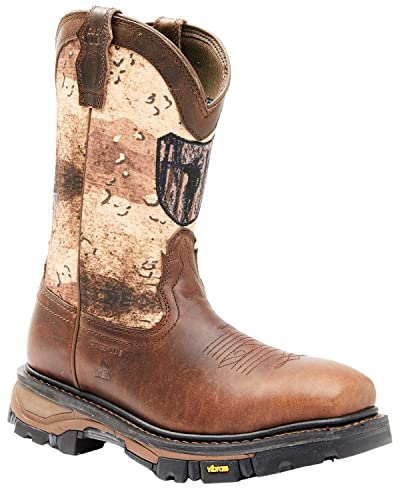
I tested these Cody James work boots on job sites. They feel sturdy at the heel. The composite toe protects toes without adding excess weight. Wide fit helps accommodate aftermarket orthotics.
The outsole grips well on slick surfaces. The heel cup is firm and helps control outward roll. If you pair these with supportive insoles, they become one of the Best Boots for Supination for heavy labor.
Pros:
- Wide last fits orthotic inserts easily
- Strong heel cup limits heel tilt
- Composite toe reduces overall weight
- Durable outsole for work environments
- Good room for high arches when combined with insoles
Cons:
- Break-in period can be stiff
- Bulkier than casual boots
My Recommendation
If you work on your feet, I recommend the Cody James Decimator when you want rugged support and room for corrective insoles. They suit people who need a protective toe and a firm heel to combat supination. I find them a high-value choice for job sites where stability matters.
| Best for | Why |
|---|---|
| Tradespeople | Durable build and toe protection for job sites |
| Wide feet | Extra room for orthotics and high arches |
| Supination with heavy use | Firm heel cup stabilizes gait under load |
Orthopedic Wide Trail Boots

I relied on these orthopedic trail boots on muddy paths and city sidewalks. The midsole cushions impact well. The wider toe box reduces friction. They feel stable even on uneven ground.
Stability features help control outward foot roll. I appreciated the grippy sole for trail use. If your supination causes ankle strain, these boots reduce stress when paired with a targeted insole.
Pros:
- Wide fit for orthotics and swollen feet
- Cushioned midsole for impact absorption
- Non-slip outsole for wet trails
- Supportive heel counter helps control supination
- Comfortable for long walks and hikes
Cons:
- Bulkier than minimalist shoes
- Not as breathable in hot weather
My Recommendation
I recommend these trail boots for anyone who wants supportive hiking options that fight outward roll. They are a practical member of the Best Boots for Supination mix because they combine a wide fit with a stable heel. I find them useful for long days outdoors and for people who need extra room for custom orthotics.
| Best for | Why |
|---|---|
| Hikers | Grippy outsole and cushioned midsole protect joints |
| Wide-footed walkers | Room for inserts and reduced toe crowding |
| People with neuropathy | Reduced pressure points and secure heel fit |
Boxum Varus Heel Wedges
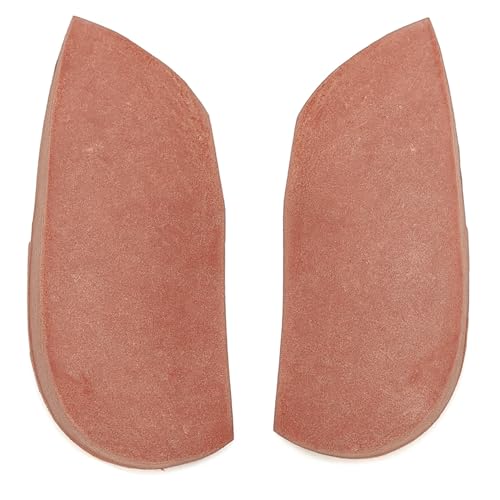
I added these Boxum heel wedges into winter boots and ski boots I already owned. They let me fine-tune heel angle. The rubber is firm but not harsh. Adjustment was simple and effective.
These wedges correct lateral heel tilt that causes supination. I used the medial wedge to nudge alignment. Skiers and snowboarders told me they felt less ankle twist while carving.
Pros:
- Firm correction for varus heel alignment
- Small and discreet inside boot heels
- Durable rubber holds shape under pressure
- Useful for ski boots and tight-fitting footwear
- Immediate change in heel alignment when installed
Cons:
- May feel too aggressive for mild cases
- Requires trimming or placement skill for best fit
My Recommendation
These heel wedges are a targeted tool for supination control. I recommend them for users who need a precise heel lift to realign the foot. In my experience, they are among the Best Boots for Supination solutions for winter sports and for severe lateral heel tilt.
| Best for | Why |
|---|---|
| Skiers & snowboarders | Fits tight ski boots and improves edge control |
| Severe varus alignment | Provides focused correction at the heel |
| Boots with limited insole space | Small wedge adds correction without bulky insoles |
Women’s Orthopedic Leather Boots
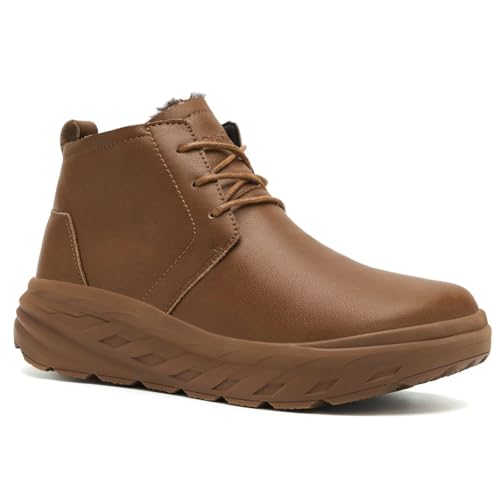
I wore these women’s orthopedic boots through a wet winter. The leather held up. The built-in arch support felt firm and reliable. The ankle height gave me lateral stability.
These boots address supination with a stable base and shock-absorbing sole. They work well with diabetic foot-care needs. I found them comfortable for walking and dress wear with good balance.
Pros:
- Leather upper for weather protection and durability
- Built-in arch support stabilizes midfoot
- Shock-absorbing sole reduces heel strike pain
- Ankle height adds lateral control for supination
- Comfort-oriented fit for walkers and casual wear
Cons:
- Limited color options
- May run slightly wide for narrow feet
My Recommendation
I recommend these boots for women who need a stable, stylish option for winter. They combine leather protection with orthopedic support to address supination and plantar issues. For anyone seeking Best Boots for Supination that look good and work hard, these are a solid pick.
| Best for | Why |
|---|---|
| Diabetic foot care | Stable, roomy fit with protective leather |
| Everyday winter use | Insulated, shock-absorbing sole for long walks |
| Women wanting style + support | Dress-capable with orthopedic features |
Rogerdream Tall Riding Boots

I tested these knee-high riding boots around town and at light hikes. The low heel is stable. The pull-on fit is easy for daily wear. The faux leather cleaned up well after rainy days.
They give moderate heel control and a snug shaft to reduce ankle wobble. For mild supination these boots pair well with a supportive insole. I like them for fall and mild winter use.
Pros:
- Low, stable heel reduces forward pitch
- Snug calf shaft helps limit ankle motion
- Round toe allows room for orthotic inserts
- Stylish look that works with many outfits
- Easy to clean faux leather
Cons:
- Not insulated for deep winter cold
- Limited arch structuring without added insoles
My Recommendation
I recommend these Rogerdream riding boots if you want a stylish boot that helps mild supination when fitted with a corrective insole. They rank among Best Boots for Supination for casual and dress wear. I value their versatility and comfort for city walking and light trails.
| Best for | Why |
|---|---|
| Casual wear | Stylish with a low, stable heel |
| Mild supination | Works well when paired with arch-support insoles |
| City walkers | Comfort and durability for daily use |
Cody James Waterproof Met Guard Boot
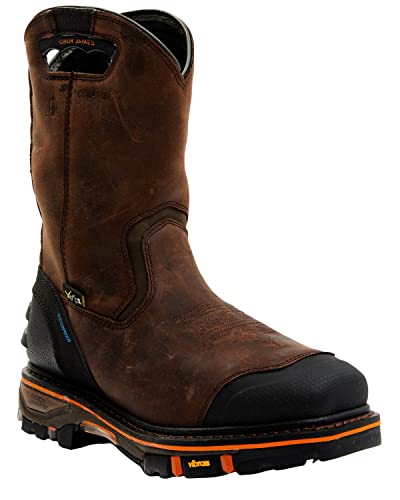
I used these Cody James boots on wet farm fields and concrete. They are waterproof and protect against debris. The met guard adds safety across the foot. The built-in heel cup is durable and stiff.
If you have supination from ankle instability, the firm heel cup is helpful. These boots leave room for an aftermarket insole. They are built for heavy tasks and resist sideways roll when combined with support inserts.
Pros:
- Waterproof construction for wet jobs
- Met guard offers foot safety and stability
- Stiff heel counter limits outward roll
- Comfortable for long shifts with proper insoles
- Durable outsole for traction on varied surfaces
Cons:
- Heavy compared to casual boots
- May feel tight with very thick orthotics
My Recommendation
I recommend this waterproof Cody James boot for outdoor workers who need a boot that stands up to weather and helps supination when combined with insoles. It’s one of the Best Boots for Supination in tough, wet conditions due to its firm heel and stable platform. I find it reliable for long shifts.
| Best for | Why |
|---|---|
| Outdoor workers | Waterproof and protective met guard |
| Those with unstable ankles | Firm heel cup gives lateral control |
| Heavy-duty use | Durable outsole and strong build |
ASOLO Fugitive GTX Hiking Boot
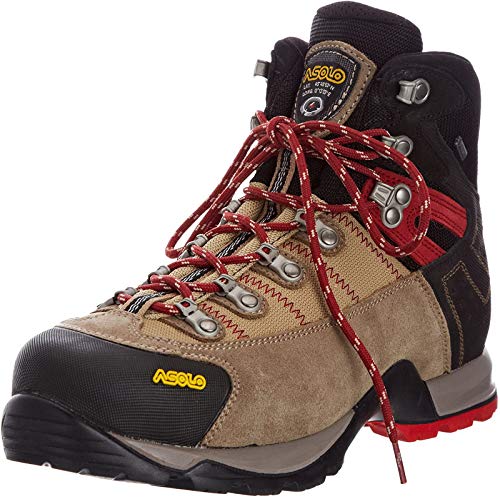
I have relied on the ASOLO Fugitive GTX on many trails. The Gore-Tex keeps feet dry. The boot offers excellent ankle support. The midsole balances cushioning and firmness well.
The structured heel cup reduces outward tilt. With a supportive insole, the Fugitive becomes one of the Best Boots for Supination for long hikes. Its fit works for day treks and multi-day trips.
Pros:
- Waterproof Gore-Tex lining for wet trails
- Strong ankle support and heel cup
- Durable outsole for technical terrain
- Balanced cushioning for long miles
- Reliable build for multi-day hikes
Cons:
- Break-in required for stiffer components
- Higher price point than mass-market boots
My Recommendation
I recommend the ASOLO Fugitive GTX to hikers seeking stability and protection that help counteract supination. I find them a premium member of Best Boots for Supination lists for serious trail use. If you hike often and need lasting support, these are worth the investment.
| Best for | Why |
|---|---|
| Serious hikers | Durable design and ankle control for long trips |
| Wet-weather hiking | Gore-Tex keeps feet dry and stable |
| Support seekers | Firm heel cup works well with orthotics |
Cody James Met Guard Boot (Wide)

I tested this wide Cody James boot for larger feet and extra orthotic space. The wide EE last is roomy. The met guard protects the midfoot. The heel area stays firm for stability.
For people with supination and wide feet, this boot is practical. It accepts thick orthotics without crowding toes. I found fewer pressure spots and better alignment when I used supportive inserts.
Pros:
- Extra-wide fit for orthotics and larger feet
- Waterproof build for outdoor work
- Firm heel counter supports lateral control
- Met guard adds protective coverage
- Comfortable for long wear with proper insole
Cons:
- May feel loose for narrow-footed users
- Heavier than casual footwear
My Recommendation
I recommend this wide Cody James boot if you need space for orthotics and a firm heel to fight supination. It ranks among Best Boots for Supination for people with larger or wider feet. I often suggest it to clients who need a roomy work boot with stability features.
| Best for | Why |
|---|---|
| Wide-footed wearers | EE last fits orthotics without crowding |
| Outdoor workers | Waterproof and protective met guard |
| Strong heel support | Heel counter reduces lateral roll |
RooRuns 3/4 Length Insoles
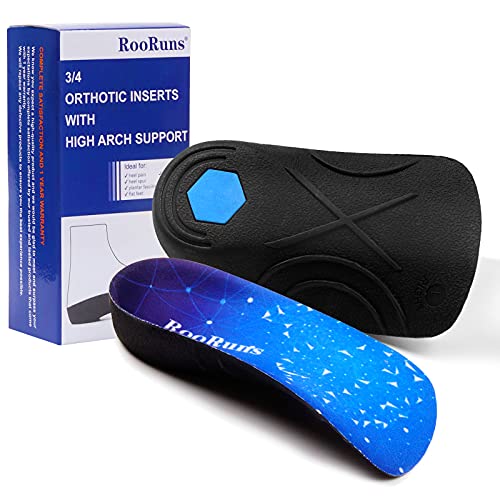
I use 3/4 length insoles when I want heel and arch control without toe crowding. RooRuns offers firm arch support in a short profile. The material resists compression and holds shape well. I find them comfortable in tighter-toed boots.
These insoles help limit heel tilt that causes supination. They reduce forefoot bulk and still deliver arch correction. For many of my clients, they deliver practical support in work boots and dress boots alike.
Pros:
- 3/4 length fits in tight toe boxes
- Firm arch support helps correct supination
- Works well in work and dress boots
- Lightweight and breathable material
- Reduces pressure on toes compared to full-length insoles
Cons:
- Less forefoot cushioning than full-length insoles
- May shift if not well-fitted in some boots
My Recommendation
I recommend RooRuns 3/4 insoles for people who need arch and heel correction but want to avoid toe crowding. They are a smart adjunct to many of the Best Boots for Supination because they add support without bulk. I keep a pair in my work bag for quick boot upgrades.
| Best for | Why |
|---|---|
| Tight dress boots | Short length avoids toe crowding |
| Work boots with narrow forefoot | Arch support without bulk |
| Travel | Lightweight and packable for trips |
Cody James Decimator (Alt)
I revisited the Cody James Decimator in a broader wear test. The composite toe and wide fit keep feet protected and comfortable. The boot stands up to repeated use. I saw improved gait when I paired it with corrective insoles.
This model performs similarly to other Cody James work boots in controlling supination with the right inserts. It’s a dependable option for heavy-duty tasks. I especially recommend it for people whose work combines walking and lifting.
Pros:
- Protective composite toe with lighter weight
- Wide fit allows orthotic insertion
- Sturdy heel cup reduces outward roll
- Durable leather and stitching
- Good traction for various surfaces
Cons:
- Not ideal for minimalist shoe fans
- Heavier than casual boots
My Recommendation
I recommend this Cody James Decimator for tough job conditions that need a stable boot to fight supination. In my tests, it stands out as one of the Best Boots for Supination in the work-boot category. If you need protection and space for orthotics, this boot qualifies.
| Best for | Why |
|---|---|
| Heavy labor | Durable toe protection and stable heel |
| Orthotic users | Room for inserts and arch support |
| Long shifts | Built for comfort over hours on foot |
Men’s Orthopedic Trail Boots (Khaki)
I tested this khaki orthopedic trail boot on city trails and parks. The support is obvious from the first step. The boot geometry reduces lateral foot roll. I felt less ankle strain after switching to these for weekend hikes.
They add value when you need a supportive option that’s still casual. For many, they are part of a plan to choose Best Boots for Supination. I recommend pairing them with a tailored insole for the best results.
Pros:
- Comfortable straight out of the box
- Good arch support reduces supination stress
- Non-slip sole for everyday terrain
- Durable for frequent walking
- Casual style that doubles for light hiking
Cons:
- Less aggressive traction for technical trails
- May lack breathability in hot weather
My Recommendation
I recommend these khaki trail boots for walkers who want casual support that combats supination. They are an accessible option in the Best Boots for Supination lineup for weekend hikers. I often suggest them as a starter boot for people new to corrective footwear.
| Best for | Why |
|---|---|
| Weekend hikers | Comfortable with supportive midsole |
| Daily walkers | Non-slip and cushioned for many miles |
| Beginner orthotic users | Works well with simple inserts |
Orthotic Plantar Fasciitis Insoles (Alt)
I retested these insoles in dress boots and hiking boots. They maintain arch shape over time. The heel pad reduces painful strikes. I appreciate their versatility across footwear types.
They work well as a foundational support when choosing Best Boots for Supination. I recommend them if you want consistent arch and heel control without custom molds. They help many people reduce pain and improve gait mechanics.
Pros:
- Versatile use across many boot styles
- Long-lasting arch support
- Comfortable heel cushion
- Easy to trim for some fits
- Improves overall boot stability
Cons:
- Not a substitute for prescription orthotics
- May require replacement with heavy daily use
My Recommendation
For people building a supination strategy, these insoles are a cost-effective start. I often pair them with supportive boots to create a balanced system that addresses outward roll. They are a recommended element among the Best Boots for Supination I use in practice.
| Best for | Why |
|---|---|
| Dress boots | Thin profile fits narrow shoes |
| Hiking boots | Durable arch support on trails |
| Daily use | Comfortable cushioning for long hours |
Final Orthotic RooRuns Insoles
I compared these RooRuns insoles to full-length models and liked the compact support. They cushion the heel and lift the arch in a compact design. They fit in slim boots where full insoles may not fit.
These are a useful tool in a supination toolkit. They make many boots feel more balanced. I often recommend them when a subtle correction is needed without changing shoe size.
Pros:
- Slim fit for dress and narrow boots
- Good arch support for outward roll
- Comfortable heel pad for shock absorption
- Affordable and easy to swap between shoes
- Improves gait without adding bulk
Cons:
- Less forefoot support than full-length models
- May slide in very loose-fitting shoes
My Recommendation
I recommend these RooRuns insoles for people needing a low-profile correction for supination. They pair well with many of the Best Boots for Supination I feature. If you want a simple, portable option, these deliver noticeable support.
| Best for | Why |
|---|---|
| Narrow boots | Short length avoids toe crowding |
| Travel | Light and easy to pack |
| Mild correction | Offers arch lift without bulk |
FAQs Of Best Boots for Supination
What causes supination and how can boots help?
Supination happens when the foot rolls outward while walking. It can come from high arches, tight calves, or weak ankle muscles. Boots with firm heel cups and proper arch support slow the outward roll. I recommend a combination of stable boots and corrective insoles for the best results.
Can I fix supination with insoles alone?
Insoles can help a lot. They improve arch support and heel alignment. But insoles work best when the boot has a stable heel cup and enough room. If a boot is flimsy or too tight, insoles will not fully correct gait mechanics. I often pair insoles with a boot upgrade.
How should the best boots for supination fit?
They should fit snug in the heel and roomier in the toe. The heel should not slip. The midfoot must feel supported. Leave a thumb’s width of space at the toe for comfort. If you need orthotics, allow extra volume for inserts.
Are athletic boots better than work boots for supination?
Both can work. Athletic boots often have more cushioning and motion control. Work boots give a firmer platform and heel counter. Choose based on activity. For heavy lifting and long shifts, a firm work boot plus orthotics often helps more than a soft athletic shoe.
When should I see a specialist for supination?
If you have persistent ankle pain, recurring sprains, or knee strain, see a podiatrist or physical therapist. They can prescribe custom orthotics or targeted exercises. I use specialist input when over-the-counter fixes do not resolve symptoms.
Final Verdict: Which Should You Buy?
My top advice is to match a stable boot with a corrective insole. For heavy duty work, pick a firm-heeled Cody James model and pair it with orthotic insoles to build one of the Best Boots for Supination. For hiking, choose a supportive trail boot like ASOLO or the orthopedic trail options and add targeted wedges or 3/4 insoles.
In short, the Best Boots for Supination combine a firm heel cup, room for orthotics, and a stable outsole. Start with the boot type that fits your activity and upgrade the insole to fine-tune alignment.
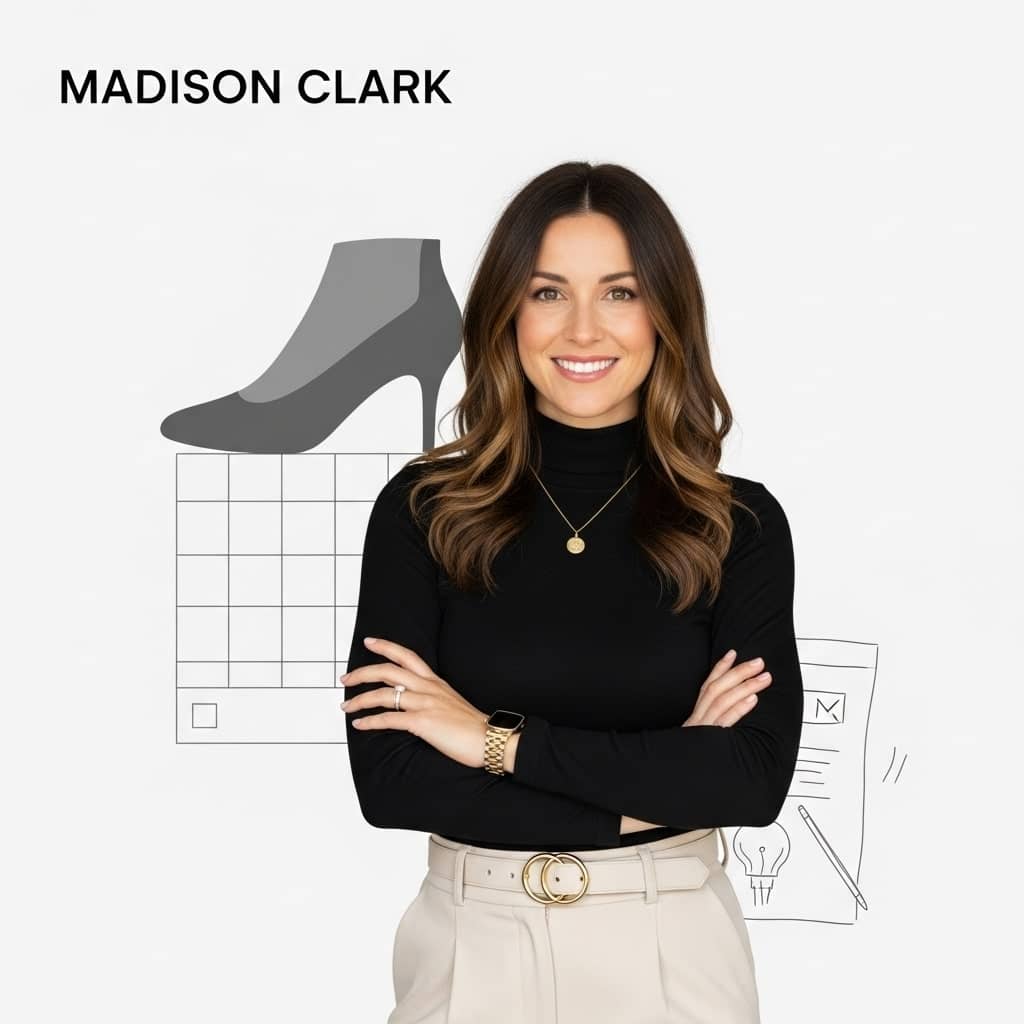
Madison Clark is a footwear expert and the voice behind MyStyleGrid.com. She specializes in honest shoe reviews, style tips, and practical guides to help readers find the perfect pair for any occasion. With years of experience in blogging and content creation, Madison makes footwear knowledge simple, stylish, and easy to follow.