The best station boots for firefighters pair fast entry, firm grip, comfort, and safety for long shifts.
A long shift can turn a good boot into a bad memory. You may move from the kitchen to the apparatus bay, cross wet floors, climb steps, and answer a call with little warning. The right station boot keeps your feet ready without the stiff feel of a turnout boot. I reviewed these options for entry speed, grip, support, comfort, safety features, and daily value. Always match the boot with your department rules and the current safety label before you buy.
Thorogood 6-Inch Quick Release Safety Boot
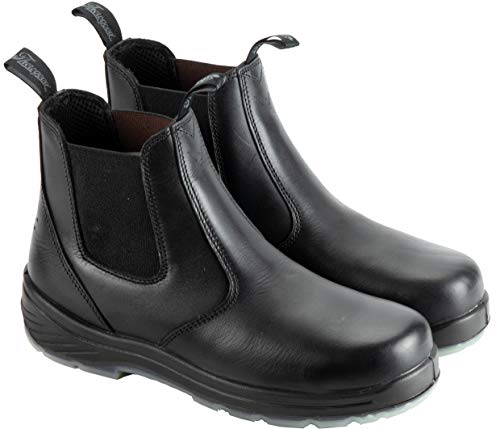
The Thorogood 804-6134M100 is a 6-inch black station boot made for quick changes and daily work. Its quick-release design helps you get the boot on or off faster than a lace-up model. The safety toe adds a useful layer of protection around tools, hose fittings, and heavy gear. Its black finish also looks clean with most station uniforms.
I like this style for firefighters who need a practical boot for station duty, not a bulky wildland or structural firefighting boot. The translucent bottom can help reduce visible floor marks, while the slip-resistant outsole suits common station surfaces. It still needs a proper break-in period, and you should confirm its exact toe and electrical ratings before purchase.
Pros:
- Quick-release entry saves time during busy shifts
- Safety toe helps protect against impact and compression
- Six-inch height offers useful ankle coverage
- Black design works well with station uniforms
- Translucent bottom may reduce floor scuff marks
- Useful for station work, maintenance, and public service tasks
Cons:
- Safety toe may feel heavier than a soft-toe boot
- May require break-in time around the heel and toe
- Not a replacement for certified turnout or structural boots
My Recommendation
This Thorogood is best for firefighters who want a safety toe and fast entry in one station-ready boot. It suits crews who spend many hours on concrete floors and need more protection than a casual slip-on shoe. In my view, it offers strong daily value if the listed safety ratings match your department’s needs. Check current sizing and availability before ordering.
SUREWAY Slip-On Composite Toe Fire Boot

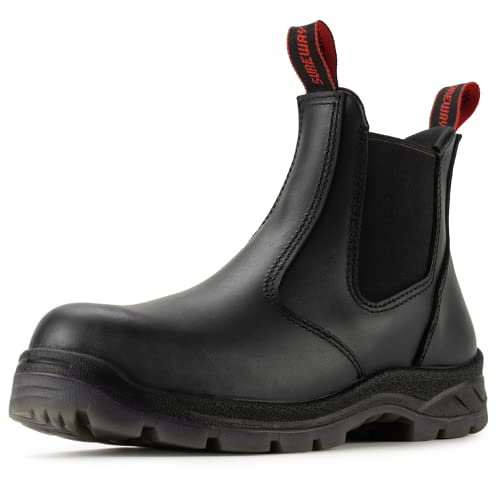
The SUREWAY slip-on fire and safety boot uses a composite toe instead of a steel toe. That can make it a useful choice for firefighters who want protection without as much metal weight. The slip-on shape supports quick entry when a call comes in. Its plain black look fits station use and many industrial work settings.
A composite toe does not conduct heat or cold in the same way as steel, but the boot still needs to meet your required standard. I would inspect the product label for the exact ASTM protection, slip rating, and electrical features. The simple design also makes this boot easy to pair with station pants and everyday work clothes.
Pros:
- Composite toe can reduce the feel of metal weight
- Slip-on design supports fast entry
- Black exterior looks professional at the station
- Suitable for routine station and facility work
- Offers toe protection for common impact hazards
- May suit users who dislike tight laces
Cons:
- Slip-on fit may feel loose on narrow feet
- Composite toe does not make the boot fireproof
- Exact certification should be checked before duty use
My Recommendation
I recommend this SUREWAY model for firefighters who value low weight and quick changes. It is especially suitable for station chores, EMS support, and work around equipment bays when a safety toe is required. It may not be the best pick for someone who needs a very locked-in fit or a tall protective shaft. As one of the Best Station Boots for Firefighters, its main appeal is simple, fast, everyday protection.
SUREWAY Slip-On Soft Toe Station Boot
This SUREWAY soft-toe station boot focuses on comfort, easy entry, and light daily wear. The slip-on build removes the delay of tying laces when you need to move quickly. Without a hard safety toe, the boot may feel more flexible during walking, driving, and station tasks. The black upper keeps the look neat and work-ready.
I see this as a comfort-first option for departments that do not require a safety toe for routine station footwear. It can work well for cleaning, cooking, desk work, training, and short trips around the bay. Still, a soft toe offers no certified impact protection, so it should not replace a safety-toe model where hazards demand one.
Pros:
- Soft toe keeps the front of the boot flexible
- Fast slip-on design is convenient during shift changes
- Light feel may reduce foot fatigue
- Black style blends with station uniforms
- Easy to remove during rest periods
- Good fit for low-hazard station duties
Cons:
- No hard toe protection
- May not meet departments requiring ASTM safety toes
- Slip-on fit may not provide enough heel hold for some users
My Recommendation
This boot is best for firefighters who need a comfortable station shoe and whose department allows a soft toe. It is a sensible backup for indoor work and relaxed station routines. I would not choose it for tasks with falling-object, crushing, or sharp-impact risks. Among the Best Station Boots for Firefighters, this one stands out for ease and comfort rather than maximum protection.
Thorogood 6-Inch Soft Toe Station Boot
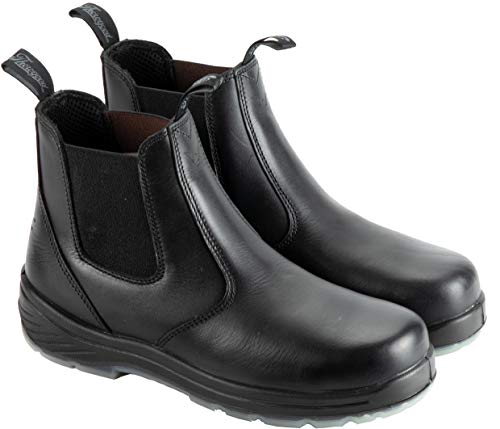
The Thorogood 6-inch slip-on station boot uses soft-toe leather with a quick-release design. It is built for firefighters and public service workers who want easy entry without giving up a structured boot shape. The slip-resistant outsole is useful on smooth floors, wet concrete, and other surfaces found around a station. Its translucent non-marking bottom is a thoughtful touch for indoor floors.
The boot also carries an electrical hazard rating as listed, but I would verify the current product details and department policy before relying on that feature. The soft toe keeps the boot more comfortable for long walks and routine work. It remains a station boot, not a substitute for boots made for direct flame, high heat, or structural firefighting.
Pros:
- Quick-release design allows rapid removal
- Soft leather toe feels flexible during long shifts
- Slip-resistant outsole supports safer movement
- Non-marking bottom helps protect station floors
- Six-inch shaft gives moderate ankle support
- Electrical hazard rating adds useful job-site protection when applicable
Cons:
- Soft toe does not protect against heavy impact
- Leather may need care to resist water and stains
- Some users may prefer a tighter lace-up fit
My Recommendation
I would choose this Thorogood for firefighters who spend most of the shift inside the station and want a polished, comfortable boot. It is a strong match for departments that permit soft-toe footwear. The floor-friendly sole and quick release give it a practical edge over ordinary work shoes. It offers good value when comfort and clean indoor use matter most.
Viking 14-Inch Felt-Lined Firefighter Boot

The Viking 14-inch boot takes a different path from short station boots. Its tall shaft and felt lining provide more coverage and warmth in cold, wet conditions. The black and yellow design is easy to spot and has a traditional emergency-service look. This style can be useful for firefighters and EMS workers who face outdoor work, standing water, or winter weather.
A tall rubber-style boot can feel secure, but it may also feel warmer and less flexible than leather station footwear. The felt lining is helpful in cold weather, though it may be too warm for hot summer shifts. I would confirm the boot’s intended use and current certification before using it for any specialized fireground task.
Pros:
- Fourteen-inch shaft offers strong lower-leg coverage
- Felt lining adds warmth in cold conditions
- Useful design for wet ground and messy outdoor work
- High-visibility yellow details improve recognition
- Easy-clean exterior suits demanding service work
- Good choice for winter response and EMS support
Cons:
- Tall shaft may limit flexibility while climbing or driving
- Felt lining can feel too warm in hot weather
- May not fit as easily under all station pants
My Recommendation
This Viking boot is best for firefighters who need tall coverage, warmth, and weather resistance. It makes the most sense for cold regions, outdoor incidents, and EMS work near wet ground. I would not select it as my only station boot in a hot climate. For the right environment, it is one of the Best Station Boots for Firefighters because it works like a sturdy shield against cold and wet conditions.
SUREWAY Full-Grain Leather Slip-On Boot

This SUREWAY slip-on work boot uses full-grain leather and targets station, mechanic, industrial, and construction use. The leather gives the boot a firm upper that can handle daily rubbing against equipment and floors. Its anti-static, water-resistant, and slip-resistant features add useful coverage for general work. The soft toe keeps the front lighter and more flexible than a safety-toe boot.
Full-grain leather often rewards simple care, such as cleaning, drying, and occasional conditioning. The slip-on shape saves time, but fit matters because you cannot use laces to fine-tune the upper. I would treat this as a durable station work boot, not as a certified structural firefighting boot unless the current label clearly says so.
Pros:
- Full-grain leather offers a sturdy daily-wear upper
- Slip-resistant design helps on slick station surfaces
- Water-resistant finish supports light wet-weather use
- Anti-static feature suits some industrial work areas
- Soft toe provides a flexible walking feel
- Slip-on entry makes shift changes simple
Cons:
- Soft toe lacks impact protection
- Leather needs regular care for best service life
- Slip-on construction offers less fit adjustment than laces
My Recommendation
I recommend this model for firefighters who want a leather station boot for mixed indoor work, mechanical tasks, and daily wear. It is a good fit for users who value a firm upper and practical surface protection. It is less suitable where a hard toe or advanced fire-service certification is mandatory. Its value is strongest for routine station use and careful owners who maintain leather.
HAIX Airpower XR1 Pro EMS Boot
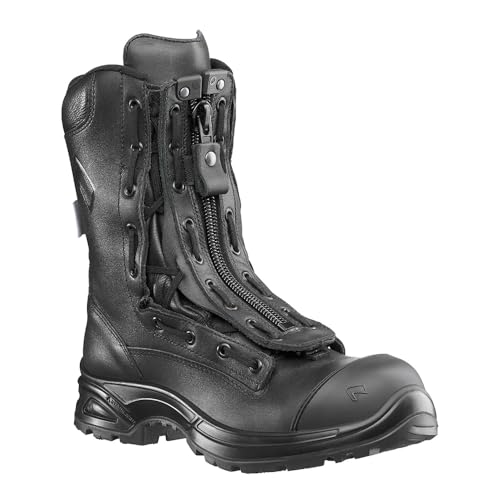
The HAIX Airpower XR1 Pro is the most technical option in this group. It is designed for EMS and public safety work and is listed with NFPA, CROSSTECH, and electrical protection features. The waterproof-breathable membrane aims to keep outside moisture away while allowing some vapor to escape. Its design suits responders who move between ambulances, stations, streets, and patient-care areas.
HAIX boots often feel more structured than casual work boots, which can help support the foot during long shifts. That structure can also mean a longer break-in period and a higher price. Because certifications can vary by model and production update, I would inspect the boot label and your department’s approved-footwear list before purchase.
Pros:
- Advanced public-safety design for EMS and response work
- Waterproof-breathable construction helps in wet conditions
- Listed NFPA features may suit approved emergency-service use
- CROSSTECH protection is useful around fluids when properly rated
- Electrical hazard protection is listed for added job-site coverage
- Structured build supports long hours on hard surfaces
Cons:
- Usually costs more than basic station boots
- Structured construction may require break-in time
- Must be checked against department-specific certification rules
My Recommendation
The HAIX Airpower XR1 Pro is best for professional firefighters, EMTs, and paramedics who need a serious public-safety boot. It is the strongest choice here for users who work around moisture, bodily fluids, electrical hazards, and long response shifts. I would pay more for this model when its listed certifications match the job. It offers premium value, but only if you need its advanced features.
Golden Retriever 6-Inch Steel Toe Boot

The Golden Retriever 6-inch station boot combines a steel toe with a traditional work-boot shape. Its listed ASTM F2413-18 protection is aimed at common toe-impact and compression hazards. The slip- and oil-resistant outsole can help when floors contain water, grease, or cleaning residue. Coolmax-related comfort features may also help manage moisture during a long shift.
Steel toes are familiar and tough, but they can feel heavier than composite alternatives. The six-inch height gives a useful balance between ankle coverage and freedom of movement. I would check the fit carefully, especially around the toe box, because a safety toe should protect without pressing against your toes.
Pros:
- Steel toe provides strong impact and compression protection
- Listed ASTM rating supports workplace safety use
- Slip-resistant outsole suits wet station floors
- Oil resistance helps around vehicle and maintenance areas
- Six-inch height balances coverage and mobility
- Moisture-focused lining may improve shift comfort
Cons:
- Steel toe can add weight
- May feel cold in low temperatures without thick socks
- Needs careful sizing around the toe box
My Recommendation
This Golden Retriever boot is best for firefighters who need a traditional steel-toe work boot at a practical price. It fits station mechanics, apparatus checks, maintenance work, and other tasks with impact risks. I would choose it over a soft-toe boot when ASTM protection is required. Confirm the latest marking and fit before making it part of your duty kit.
Bates Tactical Sport 2 Composite Toe Boot

The Bates Tactical Sport 2 brings a lighter tactical feel to station footwear. Its composite toe offers protection without the metal feel of a steel toe. The boot shape is made for walking, standing, and moving through public-service settings. It also has a clean black profile that looks at home with duty clothing.
I see this as a useful middle ground between a work boot and a tactical shoe. The composite toe can be more comfortable for users who spend time in changing temperatures or around security equipment. As with every safety boot, read the current label for ASTM, slip, electrical, and other ratings instead of assuming that a tactical look equals fireground protection.
Pros:
- Composite toe reduces metal weight
- Tactical shape supports active movement
- Black finish works with many duty uniforms
- Useful for station, EMS, patrol, and public-service work
- Good balance of flexibility and toe coverage
- May feel less bulky than a traditional work boot
Cons:
- May offer less weather protection than a waterproof boot
- Composite toe still adds some stiffness at the front
- Not designed to replace structural firefighting footwear
My Recommendation
The Bates Tactical Sport 2 is best for firefighters who want a lighter composite-toe boot with a mobile feel. It suits active station work, EMS calls, training, and daily public-safety duties. I would pick it for movement and comfort over heavy industrial protection. It is a smart choice when your department allows this type of tactical safety boot.
ROCKY Enforcer 8-Inch Waterproof Boot

The ROCKY Enforcer is an 8-inch waterproof public-service boot built for users who face rain, puddles, and changing outdoor conditions. Its taller shaft gives more ankle and lower-leg coverage than a six-inch station boot. The black design is understated and works well for public safety, security, and emergency response. Waterproof construction can be a major comfort gain when a shift moves outdoors.
This boot is a better match for wet climates than a basic soft leather slip-on. The tradeoff is a taller, more structured feel that may take more effort to pull on and break in. I would check whether the boot has every safety feature your department requires, since waterproofing alone does not confirm toe, electrical, heat, or fireground certification.
Pros:
- Waterproof build helps keep feet dry
- Eight-inch height provides added ankle coverage
- Public-service styling suits duty uniforms
- Useful for rain, puddles, and outdoor calls
- More protective coverage than a low station shoe
- Black upper hides ordinary work marks
Cons:
- Taller shaft may feel less flexible
- Waterproof boots can run warmer indoors
- Verify safety ratings before using it for hazardous work
My Recommendation
The ROCKY Enforcer is best for firefighters who work in wet regions or often move between the station and outdoor scenes. It offers a useful mix of height, weather protection, and public-service style. I would select it for rain-heavy duty, not for extreme heat or structural fire entry. It is a good value when dry feet and ankle coverage rank above quick slip-on access.
How I Evaluate Station Boots for Firefighters
Choosing the Best Station Boots for Firefighters takes more than looking at a brand name. I start with the job. A firefighter may need to stand on concrete, drive an apparatus, clean floors, lift gear, and leave the station in seconds. A boot that works for one task may fail another.
I compare the following points:
- Entry speed: Slip-on and quick-release designs save time.
- Grip: A slip-resistant outsole matters on wet or polished floors.
- Toe protection: Steel, composite, and soft toes serve different needs.
- Support: A stable heel and useful shaft height help on long shifts.
- Comfort: Cushioning, lining, breathability, and fit affect fatigue.
- Weather protection: Waterproof boots help in rain but may feel warm.
- Certification: The current label matters more than a product photo.
- Care: Easy cleaning and durable materials reduce long-term cost.
I also separate station boots from structural firefighting boots. Station boots support daily readiness and routine work. Structural boots protect against hazards that ordinary work boots cannot handle. Never assume that a black boot with a fire-service name is approved for interior fire attack.
Station Boot Safety Standards to Check in 2026
Safety labels can look confusing, but they answer important questions. ASTM F2413 is a common standard for protective footwear. A marking may show impact and compression protection, electrical hazard protection, or other tested features. The exact code matters, so I always read the label instead of relying on a marketplace title.
NFPA requirements can also apply to emergency-service footwear. The needed standard depends on the job, department, and boot type. A station boot may be approved for daily public-service work but not for structural firefighting. Your fire chief, safety officer, or department policy should be the final guide.
Electrical hazard protection has limits. It is designed for specific test conditions and does not make a person safe around every electrical source. Slip resistance also depends on the floor, oil, water, tread condition, and walking method. Think of a rating as a safety layer, not a force field.
Steel Toe, Composite Toe, or Soft Toe?
A steel toe is a classic choice for impact and compression protection. It is often strong and easy to understand. The downside is weight and the way steel can transfer cold or heat. Some firefighters prefer steel for apparatus work, tools, and maintenance tasks.
A composite toe uses nonmetal materials. It can feel lighter and may be more comfortable in cold conditions. It can also help when a department has metal-detector concerns. Composite does not mean weak, but you must confirm the exact ASTM marking.
A soft toe offers the most natural flex and often the lowest weight. It works well for low-hazard station routines if your department permits it. It does not protect against a dropped tool or crushing force. When in doubt, choose the safety toe that your work risk requires.
Why Fit Matters More Than the Brand
The best station boots for firefighters should feel secure before the first emergency call. Your heel should stay in place without painful rubbing. Your toes should have room to move, but they should not slide forward on stairs. Try boots with the socks you wear on duty.
Measure both feet late in the day. Feet often swell after hours of standing. A boot that feels perfect at breakfast may feel tight at midnight. Check the toe box, instep, heel, and ankle in that order.
Do not solve a poor fit by buying a much larger size. Extra room can cause heel lift and blisters. If the boot is too narrow, look for a wider option rather than hoping the material will stretch enough. Good fit is quiet; you should stop thinking about the boot after you put it on.
Slip-On Versus Lace-Up Station Boots
Slip-on boots offer speed. You can step in, pull the shaft, and move. They work well for station alerts and routine indoor tasks. The main concern is heel hold, especially on stairs or uneven ground.
Quick-release boots give a similar speed benefit while offering a more structured fit. They can be a strong compromise for firefighters who want easy entry and better foot control. Make sure the release system does not create pressure points.
Lace-up boots provide the best adjustment. You can tighten the heel, support the instep, and fine-tune the fit for different socks. They take longer to put on, though, and loose laces can create a trip risk. I prefer secure laces with a clear storage method when speed is not the top concern.
How to Break In New Firefighter Station Boots
Wear new boots for short periods before a full shift. Start with one or two hours at the station. Walk, climb stairs, sit, and drive while you check for rubbing. This small test can prevent a large blister later.
Use the same socks you plan to wear on duty. Thick socks can change the fit more than expected. Do not soak leather boots to speed break-in. Excess water can damage leather, adhesives, and internal materials.
Keep a backup pair during the first few shifts. If hot spots appear, stop and address them early. A blister on the heel can turn a good boot into a painful problem. Comfort should improve with use, not decline.
Care Tips for Longer Boot Life
Remove dirt after each wet or dirty call. A soft brush can clean dried mud without scraping the upper. Let wet boots dry at room temperature. Direct heat can crack leather and weaken glue.
Condition leather when it begins to look dry, but use a product made for that boot’s material. Too much conditioner can soften support or affect finishes. Follow the maker’s instructions for waterproof membranes and treated leather.
Inspect the sole, heel, seams, and toe area each week. Replace boots when the tread is worn smooth, the upper separates, or the safety toe area is damaged. A boot can still look fine while losing grip. In firefighting, the last mile of wear is not worth the risk.
Best Features at a Glance
| Best for | Why |
|---|---|
| Fast station response | Quick-release and slip-on designs reduce entry time. |
| Wet or cold outdoor work | Tall, waterproof, or felt-lined boots add weather coverage. |
| Heavy daily work | Safety toes, firm uppers, and slip-resistant soles handle more hazards. |
What I Would Look for Before Ordering
First, I would read the full listing and inspect the photos for the safety label. Product names can use broad terms such as “fire,” “tactical,” or “work.” Those words do not prove NFPA or ASTM approval. The label and department policy carry more weight.
Next, I would measure my feet and read recent fit comments. I would check if the boot runs narrow, wide, short, or large. I would also confirm the return policy. A return option matters when safety footwear does not fit correctly.
Finally, I would match the boot to my shift. For a station-only role, a quick-release soft-toe boot may be enough. For apparatus work, a safety toe may make more sense. For wet calls, waterproof height may matter more than a light feel.
FAQs Of Best Station Boots for Firefighters
What are the best station boots for firefighters?
The best pair depends on your department rules and daily hazards. The HAIX Airpower XR1 Pro is the most advanced option here for EMS and public-safety work. Thorogood models are strong choices for quick entry and station comfort, while ROCKY and Viking models suit wet or cold conditions.
Can I wear station boots for structural firefighting?
Usually, no. Station boots and structural firefighting boots serve different purposes. Use only footwear that your department approves for interior fire attack and that carries the required current certification.
Are composite-toe boots better than steel-toe boots?
Neither is always better. Composite toes often feel lighter and do not conduct temperature in the same way as steel. Steel toes offer familiar impact protection but may weigh more. Choose the toe type that fits your hazards, comfort needs, and department policy.
Should firefighter station boots be waterproof?
Waterproof boots help in rain, puddles, and wet outdoor scenes. They may feel warmer and less breathable during indoor shifts. If your climate is wet, the added protection can be worth it; if your station is hot, breathability may matter more.
How long should firefighter station boots last?
Service life depends on use, care, tread wear, and exposure. Inspect them often instead of using a fixed date alone. Replace them when the sole loses grip, seams open, the upper fails, or the safety structure shows damage.
Final Verdict: Which Should You Buy?
The HAIX Airpower XR1 Pro is my top pick for demanding EMS and public-safety work. For fast station entry at a lower cost, I favor the Thorogood quick-release safety boot.
The Best Station Boots for Firefighters should fit your risks, rules, and shift. Choose certified protection first, then comfort, grip, and easy care.

Madison Clark is a footwear expert and the voice behind MyStyleGrid.com. She specializes in honest shoe reviews, style tips, and practical guides to help readers find the perfect pair for any occasion. With years of experience in blogging and content creation, Madison makes footwear knowledge simple, stylish, and easy to follow.