Stretch, pad, and adjust boot fit to stop pressure on the top of your foot quickly.
I fix boots that hurt the top of foot for a living and have helped dozens of people end that sharp squeeze. This guide shows clear steps, simple fixes, and long-term solutions so you can wear boots without pain. Read on to learn practical ways to stop the top of foot pain and avoid the mistakes I’ve seen others make.

Why boots hurt the top of the foot
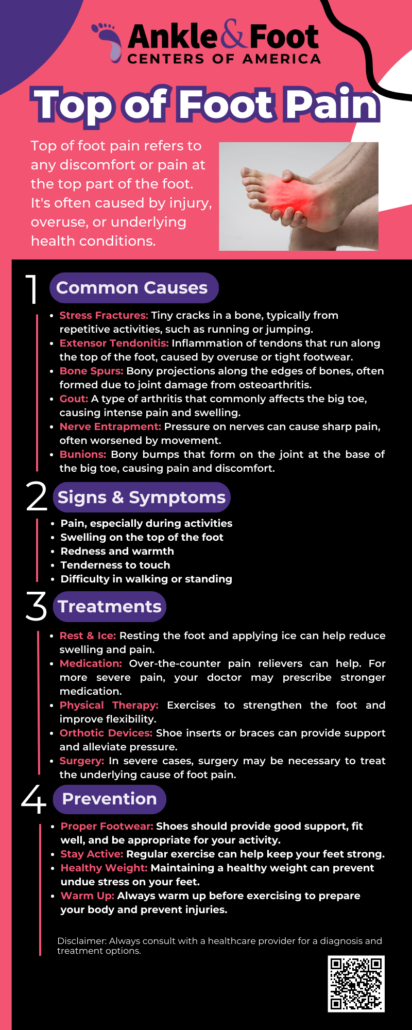
Boots press the top of the foot when they are too tight across the instep or when stiff materials dig in. Pain often comes from poor fit, tight laces, rigid vamp seams, or swelling after walking. Foot shape and conditions like high arches, bunions, or tendon irritation also make the top of foot sensitive. Knowing the cause helps choose the right fix for how to fix boots that hurt the top of foot.
Quick fixes you can try at home
Try these fast, low-cost solutions first. They often relieve pain within minutes to days and teach you whether the boots are fixable.
- Loosen laces: Loosen the top eyelets and wear the boot more loosely to cut pressure on the instep. Try alternate lacing patterns for instant relief.
- Use a soft pad: Place a thin foam or gel pad over the painful spot inside the boot to cushion the area.
- Stretch the vamp: Wear a thick sock and use a hair dryer on low heat to warm the leather, then flex the boot while it cools to expand the top area slightly.
- Adjust socks: Swap to a thinner, low-profile sock if the boot is tight, or use a seamless sock to reduce friction.
- Break them in slowly: Wear for short periods around the house and increase time daily until pain subsides.
These easy steps often solve how to fix boots that hurt the top of foot without tools or pro help.
Long-term solutions: fitting, insoles, and professional help
If quick fixes fail, try these longer-term fixes. They take a bit more time but yield lasting comfort.
- Get a fit check: Visit a shoe fitter to measure length, width, and instep height. A proper fit often eliminates top-of-foot pain.
- Use custom or supportive insoles: Insoles that lift or redistribute pressure across the arch can reduce strain on the top of the foot.
- Stretch professionally: A cobbler can stretch the vamp, add material relief, or soften stiff areas without damaging the boot.
- Replace lacing hardware: Adding speed hooks or different eyelets can change pressure patterns and allow a looser fit at the instep.
- Consider orthotics if needed: A podiatrist-prescribed orthotic addresses structural issues that cause the top of foot pain.
These options are reliable ways to fix boots that hurt the top of foot for the long term.

Common causes and how to target them
Understanding exactly why a boot hurts makes each fix more effective. Match the cause to the remedy below.
- Tight instep: Use alternate lacing, stretch the vamp, or ask a cobbler to add instep relief.
- Rigid seams or overlays: Have the seam padded or the overlay softened by a pro.
- High instep or high arch: Try shoes with higher instep volume or use thinner socks and adjustable lacing.
- Swelling during the day: Choose boots with more room or use adjustable closures to loosen as needed.
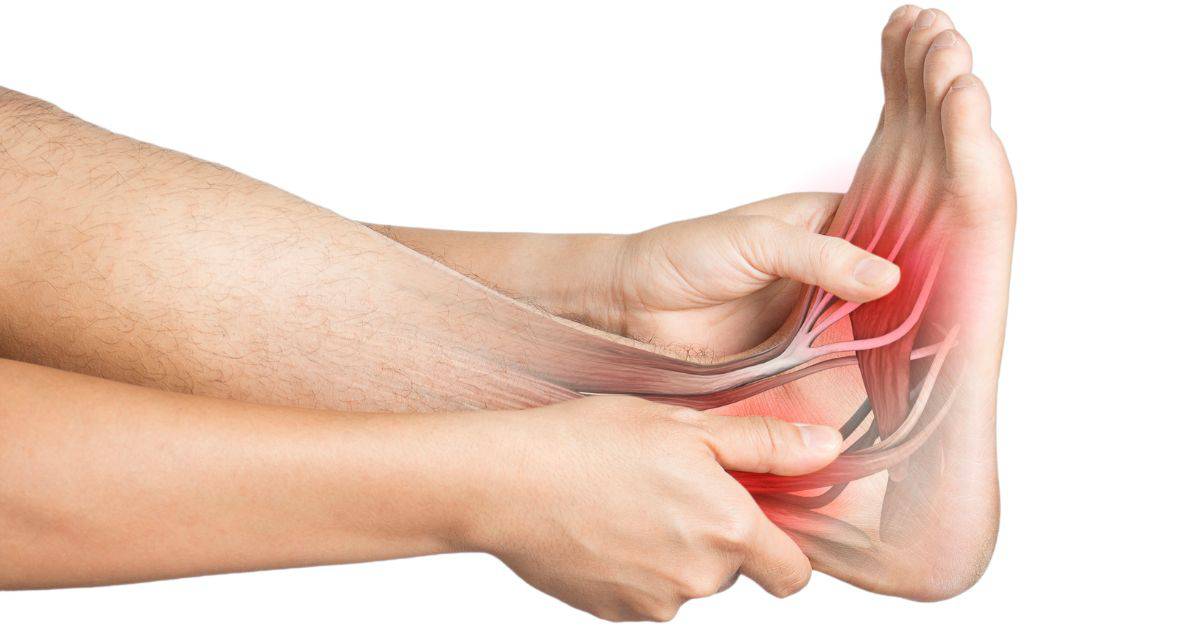
- Tendon or nerve sensitivity: Rest, anti-inflammatory measures, and podiatry evaluation may be required.
When you address the root cause, learning how to fix boots that hurt the top of foot becomes straightforward.
When to see a professional
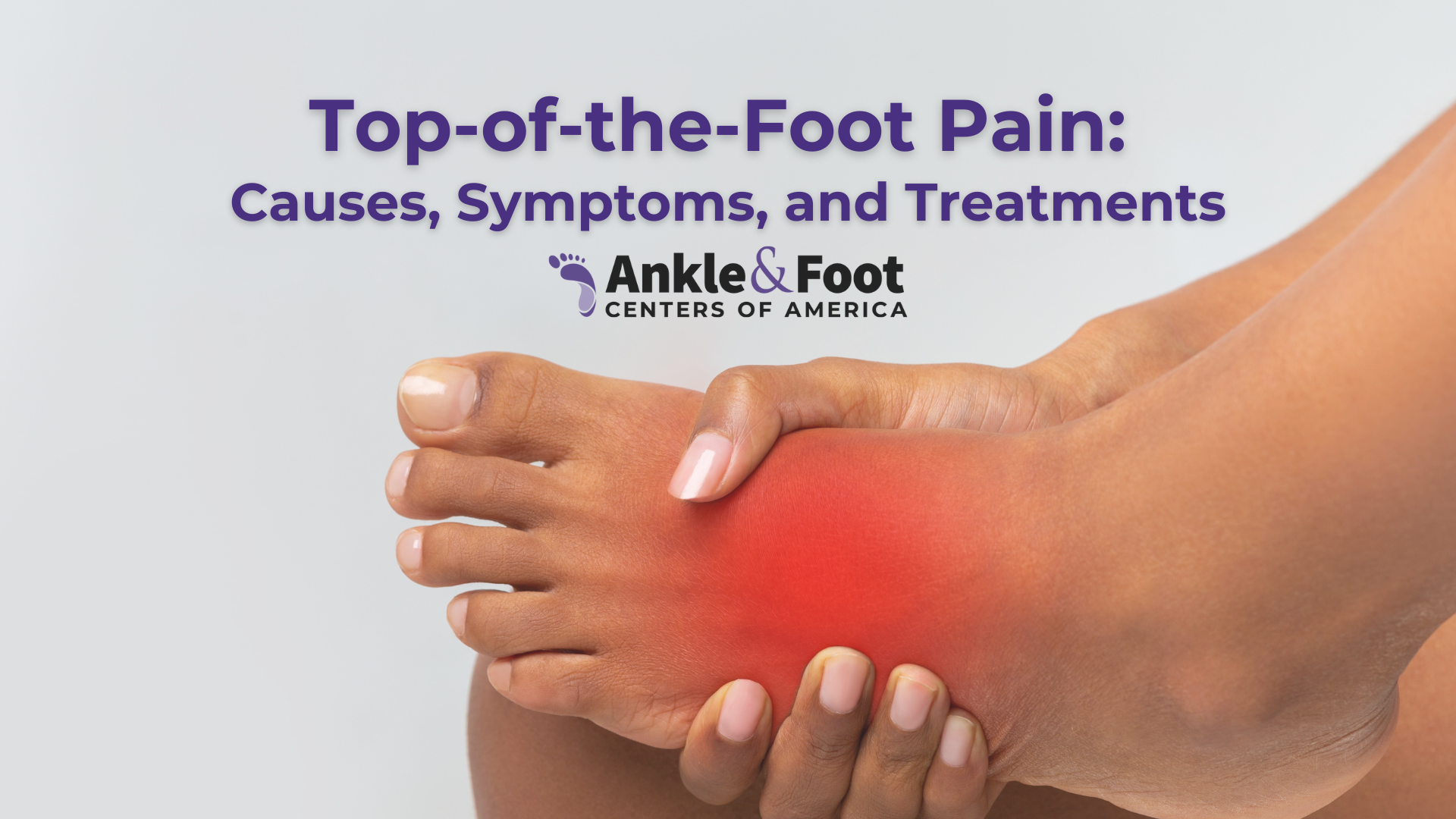
If pain is sharp, persistent, or accompanied by numbness, swelling, or bruising, seek help. A podiatrist can rule out tendonitis, nerve entrapment, or stress fractures. A professional fitter or cobbler can remodel the boot safely. Do not ignore worsening pain; treating early prevents chronic issues and helps you wear boots comfortably again.

Tips for buying boots that won't hurt the top of your foot
Good buying habits prevent repeat problems. Use these tips next time you shop.
- Shop later in the day: Feet swell, so buying in the afternoon gives a more accurate fit.
- Try with your socks: Wear the socks you plan to use with the boots for the test fit.
- Check instep clearance: Press the top of the boot; there should be a little space over the instep when laced comfortably.
- Walk around: Take 10 minutes and a few steps on different surfaces to feel pressure points.
- Prefer adjustable closures: Laces, buckles, and straps that allow fine adjustment adapt better to day-to-day changes in foot volume.
Following these tips reduces the need to learn how to fix boots that hurt the top of foot later.

Personal experience and lessons learned
I once fixed a pair of work boots that caused sharp pain across the instep within minutes. Simple lacing changes and a thin gel pad solved the problem. Later, for a hiking client, a cobbler stretch and a custom insole made the boots comfortable again on long trails. My key lessons: test fit with the right socks, don’t force a tight boot, and try inexpensive fixes before buying new footwear.

Frequently Asked Questions of how to fix boots that hurt the top of foot
Why does the top of my foot hurt after wearing new boots?
New boots are often stiff and press the instep. Break them in slowly, use softer socks, and try alternate lacing to reduce pressure.
Can I stretch boots at home without ruining them?
Yes, gentle heat and thick socks can help stretch leather slightly. For big changes, a cobbler is safer to avoid damage.
Are insoles effective for top-of-foot pain?
Yes, insoles can lift and support your arch, which redistributes pressure and reduces strain on the top of the foot.
How long should I break in boots that hurt the top of my foot?
Start with 20–30 minute sessions and add 15–30 minutes each day. Most boots soften in a week or two with gradual wear.
When is top-of-foot pain a sign to see a doctor?
See a doctor if pain is severe, persistent, or comes with numbness, tingling, or swelling. These signs may indicate a medical issue.
Conclusion
You can fix boots that hurt the top of foot by matching the cause to the right fix: loosen laces, add padding, stretch the vamp, or get a professional fit. Try quick home fixes first, then move to long-term changes like insoles or cobbler work when needed. Take action now: try one simple fix today, note the change, and consider a pro if pain continues. If this helped, leave a comment with your boot type or subscribe for more shoe comfort tips.

Rubel Miah is the Senior Editor at MyStyleGrid.com, where he brings a sharp editorial eye and an unshakable love for fashion to everything he does. A true style addict, Rubel lives and breathes trends, from streetwear to high fashion, and has a knack for turning inspiration into impactful stories. With years of experience in fashion journalism and digital media, he curates content that empowers readers to express themselves through style. When he’s not editing features or forecasting the next big thing, you’ll find him hunting down vintage pieces or capturing street style moments around the city.