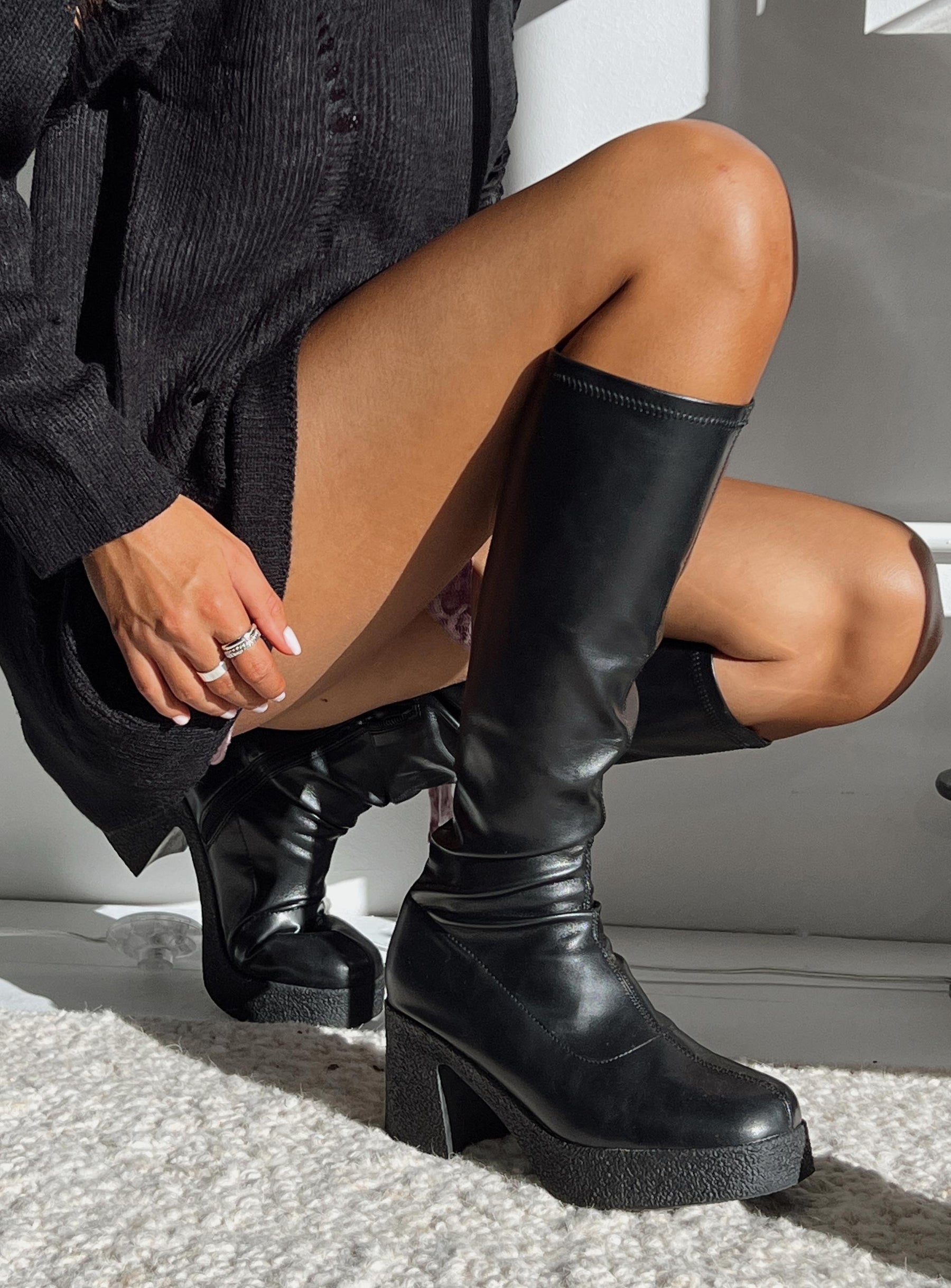
Knee high boots should feel snug around the calf but never squeeze, pinch, or cause pain.
I’ve fitted hundreds of boots and tested many styles. In this guide I’ll explain whether are knee high boots supposed to be tight, how tight is too tight, and how to find a pair that looks great and feels good. You’ll learn practical fit tips, measures to check before you buy, how materials change fit, quick fixes for common problems, and real-world advice from my experience in footwear fitting. Read on to make confident choices and avoid painful mistakes.

How to think about fit: are knee high boots supposed to be tight?
When shoppers ask "are knee high boots supposed to be tight," they mean two things: calf fit and foot fit. Both matter. A boot can be snug at the calf and still be comfortable if it allows movement and blood flow.
A proper snug fit keeps the boot from slouching. It also stops friction and rubbing. But if the boot causes numbness, red marks, or pain, it’s too tight.
From my experience fitting boots, aim for a firm feel without pressure. Try walking, sitting, and flexing your knee while standing. The boot should move with you, not restrict you.

What “tight” actually means for knee high boots
Tight can mean supportive or painful. Here are practical definitions:
- Supportive snug: The calf hugs the boot wall lightly. You can wiggle toes and bend your knee without pain.
- Form-fitting: Boot follows your leg shape with minimal extra space. Good for tall, slim styles.
- Too tight: Skin blanching, numbness, pins-and-needles, pain when sitting or standing. This is bad.
When asking are knee high boots supposed to be tight, think supportive snug as the goal. Comfort and circulation come first.
How materials and construction change fit
Materials affect how tight a boot feels over time.
- Leather: Breaks in and molds to the leg. May feel tight initially, then loosen.
- Faux leather: Less stretch. Fit stays closer to original shape.
- Suede: Soft and forgiving, but can still be snug if lined.
- Elastic panels and stretchy inserts: Allow snug fit with comfort.
- Zippers and laces: Let you adjust tightness. Lace-up boots offer the most control.
If you prefer a long-term snug fit, leather with a small break-in period is ideal. If you need instant comfort, choose boots with stretch panels or a slightly larger calf width.

How to measure your leg and pick the right size
To answer are knee high boots supposed to be tight for your legs, measure first.
- Measure calf circumference: Stand and measure at the widest part.
- Measure calf height: From floor to the top where you want the boot to sit.
- Consider foot size: Boots should fit your usual shoe size unless noted otherwise.
- Check manufacturer’s calf width chart: Use the measurements to match sizes.
I once bought boots without measuring and had to return them. Measure once and you save time and money.
Signs your knee high boots are too tight (and what to do)
Watch for these signs. If you see them, fix the fit.
- Numb toes or pins-and-needles: Too tight in foot or calf.
- Visible red lines or bruising after wearing: Too tight at contact points.
- Pain when bending knee or sitting: Tight around the back of calf or top of boot.
- Blisters after short walks: Friction from tight spots.
Fixes:
- Try a half size up or wider calf option.
- Use shoe stretchers for leather.
- Choose boots with stretch panels or looser top lines.
- Wear thinner socks or break in leather slowly.
Practical tips for buying and testing knee high boots
When shopping, test like this.
- Try boots at the end of the day when legs are slightly swollen.
- Wear the socks or tights you plan to wear with the boots.
- Walk a few blocks or move in place for 5–10 minutes.
- Sit and bend your knee to mimic everyday movement.
- Check zipper, buckle, and seam pressure points.
I recommend trying both legs in-store since calves can differ in size. If buying online, check return policies and size guides carefully.

Styling and comfort trade-offs
Tighter boots often look sleek. Looser boots feel relaxed. Decide what you want.
- Sleek, dressy look: Choose a closer fit but ensure comfort.
- Casual, slouchy look: Go a half size up in calf or choose soft suede.
- Layering with jeans or leggings: Allow extra room for fabric.
From my wardrobe tests, I keep one snug pair for dress wear and one roomier pair for daily comfort.

Common adjustments and DIY fixes
Small changes can make tight boots wearable.
- Leather stretch spray plus a boot stretcher can add a fraction of an inch.
- Wear thick socks and use a hair dryer on leather to warm and stretch a tight area.
- Use heel grips or insoles to adjust foot fit without changing calf fit.
- Visit a cobbler for targeted stretching and professional tweaks.
Be cautious with DIY methods on synthetic materials; they may not stretch well.
When to choose custom or specialty boots
If standard options fail, custom boots are worth it.
- Custom boots match your exact calf and foot measurements.
- They cost more but solve persistent fit issues.
- Consider custom if you have very large or asymmetrical calves.
I worked with a maker once who adjusted an ankle width and calf height. The result fit like a glove and lasted years.
Are knee high boots supposed to be tight for long wear? Comfort checklist
For long wear, tight should mean supportive, not restrictive. Use this checklist:
- Can you wiggle toes freely?
- Do you feel any numbness after 30 minutes?
- Can you sit and stand comfortably?
- Do you have good circulation and no pain?
If you answer yes to all, the boot is the right snugness for long wear. If not, adjust size or style.
People also ask — short answers
-
Are knee high boots supposed to be tight in the calf?
- A light snugness is normal, but tightness that causes pain or numbness is not acceptable.
-
Should knee high boots be loose at the top?
- Slight looseness can create a slouch effect. For cleaner lines, choose a close fit that still allows comfort.
-
Do knee high boots stretch over time?
- Leather usually stretches and molds. Synthetic materials stretch less, so initial fit matters more.
Frequently Asked Questions of are knee high boots supposed to be tight
What is the right amount of tightness for knee high boots?
The right amount is snug enough to stay up and avoid rubbing, yet loose enough to allow easy movement and normal circulation. You should not feel pain or numbness.
Can tight knee high boots cause long-term damage?
If boots consistently cut off circulation or cause nerve symptoms, they can lead to longer-term issues. Stop wearing boots that cause lasting pain and consult a professional if needed.
How do I know if my calf is too wide for a boot?
If you cannot zip the boot, feel severe pressure, or see deep red marks, the calf is too tight. Measure your calf and compare to the brand’s sizing chart.