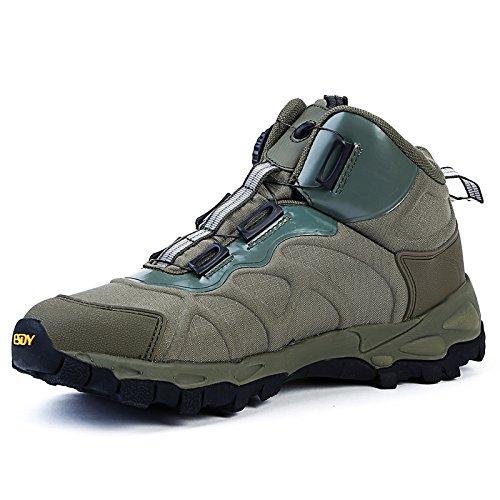
The best hiking boots for flat feet and overpronation combine firm support, wide fit, grip, and steady heel control.
A long trail can expose every weak point in a shoe. If your arches collapse inward, your ankles roll, or your heels ache after a mile, the wrong hiking boot can make the walk feel like a chore. I looked for boots with useful arch support, stable soles, roomy toe boxes, cushioning, and trail-ready grip. These picks can help hikers with flat feet, overpronation, plantar fasciitis, and tired joints walk with more comfort and confidence.
Men’s Orthopedic Wide Toe Hiking Boots
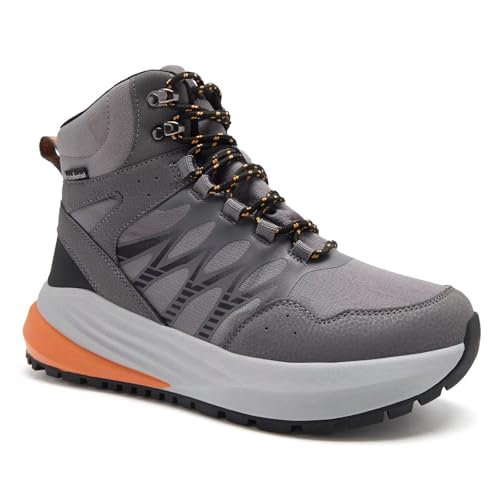
This wide-toe orthopedic hiking boot aims to give the foot more room while adding support under the arch. That matters for hikers whose toes feel squeezed in narrow footwear. The roomy front may also suit people with bunions, hammer toes, or a high instep. Its taller boot shape can add a little more ankle coverage on uneven ground.
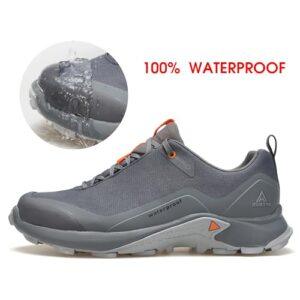
I like this style for day hikes, light backpacking, and outdoor work where comfort matters more than a very light shoe. The waterproof design can help during wet grass, shallow puddles, and light rain, but no boot stays dry forever in deep water. The sole should still be tested on the trail before a long trip, since grip can vary by terrain and weather.
Pros:
- Wide toe box reduces pressure on crowded toes
- Arch support may help limit inward foot roll
- Orthopedic design suits flat feet and plantar fasciitis
- Waterproof build helps in wet trail conditions
- High instep fit gives extra room over the foot
- Mid-cut shape adds useful ankle coverage
Cons:
- The wide shape may feel loose on slim feet
- Orthopedic support may need a short break-in period
- Size and fit should be checked carefully before hiking
FitVille Wide Men’s Orthopedic Hiking Boots

FitVille’s wide hiking boot focuses on space, cushioning, and support. The extra-wide option is useful for hikers who need more room across the forefoot or around the instep. A shock-absorbing midsole can soften hard ground and reduce the sharp feel of rocks underfoot. The design also targets people who deal with plantar fascia discomfort or flat arches.
This boot looks best suited to casual trekking, park trails, travel, and daily outdoor use. I would consider it for someone who often finishes a hike with sore feet rather than someone seeking an ultralight mountain boot. The black upper is easy to pair with outdoor clothing, and the supportive build may feel reassuring on long walks.
Pros:
- Extra-wide option helps accommodate broad feet
- Shock absorption improves comfort on firm paths
- Arch support targets flat-foot discomfort
- Good choice for walking and casual trekking
- Roomy fit can reduce side pressure
- Supportive boot structure feels stable under load
Cons:
- The larger fit may require thicker hiking socks
- It may feel less agile than a low trail shoe
- Not every foot needs such a wide platform
Men’s Orthopedic Wide Hiking Boots

This men’s orthopedic hiking boot is made for people who want a broad fit with built-in foot support. Its design focuses on arch comfort, foot-pain relief, and a steady feel during outdoor activity. The wide shape can give the toes room to spread, which may improve comfort during long walks. The ankle boot profile also provides more coverage than a standard sneaker.
I see this as a practical pick for flat-footed hikers who also spend many hours standing. It can work for outdoor chores, light hikes, travel, and easy trail days. The khaki color gives it a relaxed outdoor look, while the supportive interior may make it easier to stay on your feet without constant discomfort.
Pros:
- Wide fit supports natural toe movement
- Built-in arch support suits flat feet
- Useful for hiking and long periods of standing
- Mid-ankle shape offers added coverage
- Comfort-focused design may reduce foot fatigue
- Outdoor styling works for trail and daily wear
Cons:
- Khaki may show mud more than darker colors
- The support level may feel firm at first
- It may not suit hikers who prefer a low-cut shoe
Women’s Orthopedic Mid Hiking Boots

This women’s mid hiking boot blends an orthopedic design with a more casual sneaker-like look. It includes arch support for flat feet and aims to ease pressure linked with plantar fasciitis and metatarsal pain. The mid height can offer a balance between easy movement and ankle coverage. Its gray color also makes it suitable for daily errands and light outdoor use.
I would look at this pair for women who want one supportive boot for walking, gym use, work, and simple trails. It may be more comfortable than a stiff backpacking boot for short and moderate outings. As with any support shoe, the best result depends on matching the shape of the foot rather than choosing based on the label alone.
Pros:
- Women’s fit offers a more tailored starting point
- Arch support helps address flat-foot strain
- Mid height gives moderate ankle coverage
- Casual style works beyond the hiking trail
- Useful for gym, work, walking, and outdoor use
- Comfort design may help reduce forefoot pressure
Cons:
- May not provide enough protection for rough mountain trails
- Supportive insoles can feel firm for some users
- Fit should be checked with the socks you plan to wear
WalkHero Arch Support Insoles

WalkHero arch support inserts give hikers another way to improve an existing pair of boots. They use cushioning and arch structure to support the foot while reducing the hard feel of each step. This can be helpful when a boot fits well but lacks enough support for flat feet. Insoles also let users fine-tune comfort without buying a new boot.
I recommend introducing inserts slowly. Wear them around the house first, then take short walks before using them on a long hike. The insert must sit flat inside the boot, and the original footbed may need removal if the shoe becomes too tight. A good insole can act like a small bridge between an average boot and a more supportive setup.
Pros:
- Works with many hiking boots and walking shoes
- Max cushioning can soften hard trail surfaces
- Useful for flat feet and plantar fascia strain
- Lets users adjust support without replacing boots
- Can improve comfort in older footwear
- Simple option for hikers with changing needs
Cons:
- May make a close-fitting boot feel too tight
- Needs a gradual break-in period
- Insoles cannot correct every gait or foot problem
Women’s Waterproof Wide-Toe Hiking Boots

This women’s hiking boot brings together a wide toe box, waterproof protection, and orthopedic support. The roomy front gives the toes more freedom, which can be important when feet swell during a long hike. Its arch support targets flat feet, while heel cushioning may help reduce the pounding felt on firm surfaces. The black upper gives it a clean look for both trails and casual wear.
This is one of the more versatile choices for women who hike in mixed weather. I would use it for park paths, travel, walking, and light backpacking rather than technical alpine routes. The wide shape is especially helpful for people who dislike the pinched feel of traditional hiking footwear.
Pros:
- Wide toe box allows better toe spread
- Waterproof upper helps during wet weather
- Arch support is useful for flat-footed walkers
- Heel cushioning improves walking comfort
- Non-slip design supports everyday outdoor use
- Versatile black color suits many outfits
Cons:
- Waterproof materials may feel warmer in summer
- Wide sizing may not suit narrow feet
- Lightweight trail users may prefer a lower shoe
High Arch Support Insoles for Men and Women

These high-arch support insoles are made for men and women who want to add structure inside their hiking boots. They can help spread pressure across the foot instead of leaving the heel and forefoot to take the full load. For some people with overpronation, a supportive insert can make the boot feel more balanced. The medium size is a useful starting point, but users should confirm the fit before trimming or installing.
I would choose this style when the boot itself feels comfortable but lacks enough arch control. It may also help users switch between different shoes during the week. Start with short wear times, because a strong arch can feel strange or uncomfortable if the foot is not used to it. If pain increases, stop using the insert and seek professional advice.
Pros:
- Compatible with men’s and women’s footwear
- High arch shape can add needed foot structure
- May reduce pressure under the heel and forefoot
- Useful for hiking boots, work shoes, and sneakers
- Helps customize a less supportive boot
- Medium size offers broad fitting potential
Cons:
- High support may feel too aggressive for some feet
- May require trimming for a precise fit
- Can reduce interior space in low-volume boots
OrthoComfoot Men’s Waterproof Hiking Boots

OrthoComfoot’s men’s hiking boot stands out for its focus on overpronation correction, arch support, and waterproof use. The wide construction may suit hikers who need extra room without giving up a stable platform. A non-slip outsole is useful for wet sidewalks, work areas, and ordinary trail surfaces. The black color and protective shape make it a practical all-round outdoor boot.
This is a strong option for men who want support during hiking and daily work. I would pay close attention to the fit around the heel, since good heel hold helps the foot stay centered over the sole. The boot may feel more structured than a normal sneaker, but that firm feel can be welcome when the foot rolls inward.
Pros:
- Designed with overpronation support in mind
- Waterproof construction suits wet outdoor tasks
- Wide fit offers more room across the foot
- Non-slip outsole improves everyday traction
- Useful for hiking, work, and outdoor adventure
- Supportive shape helps keep the foot stable
Cons:
- Firm correction may not suit every wearer
- Size 13 availability may limit options for some users
- Waterproof construction can reduce warm-weather airflow
Women’s Orthopedic Waterproof Hiking Boots

This women’s orthopedic boot combines waterproof protection with arch support and a non-slip outsole. Its ankle height gives more coverage than a walking sneaker while keeping the design fairly easy to wear. The support may benefit users with flat feet, heel pain, or plantar fascia discomfort. The black fashion boot style also makes it useful away from the trail.
I would choose it for rainy commutes, casual hikes, travel, and outdoor days when a clean look matters. It is not a replacement for a technical boot on steep, rocky routes, but it may be a comfortable everyday option. The best fit should hold the heel securely without pressing the toes or top of the foot.
Pros:
- Waterproof design helps block rain and splash
- Arch support targets common flat-foot concerns
- Non-slip outsole supports wet-surface walking
- Fashion boot design works for daily use
- Ankle height gives moderate protection
- Suitable for travel, errands, and light hiking
Cons:
- May feel less breathable in warm weather
- Not intended for demanding technical terrain
- Arch shape may require a short adjustment period
PCSsole High Arch Orthotic Insoles

PCSsole high-arch insoles offer another support solution for hikers who already own a comfortable boot. The orthotic shape is intended to support the arch and help control excess inward movement. Added cushioning may make long walks feel easier on hard ground. This can be a cost-effective choice when the boot’s fit is good but its footbed feels flat.
I suggest comparing the insole shape with your own arch before use. A high arch insert should support the foot, not create a sharp pressure point. Break it in with short sessions and check for rubbing, numbness, or new pain. Used correctly, an insole like this can improve the feel of ordinary hiking footwear.
Pros:
- Adds arch structure to existing hiking boots
- May help manage inward foot rolling
- Cushioning improves comfort on hard paths
- Useful for hiking, work, and everyday shoes
- Can cost less than replacing a boot
- Helps personalize the fit of supportive footwear
Cons:
- High arch support may not match every foot
- Can crowd a boot with a narrow interior
- Requires careful fitting and gradual break-in
How I Choose Hiking Boots for Flat Feet
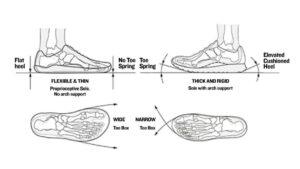
Flat feet do not always need a large, hard arch bump. Some people have flexible arches that collapse while walking, while others simply have naturally low arches without pain. I focus on balance, comfort, and control rather than a marketing claim. A boot should support the foot without forcing it into an unnatural position.
I also check the heel counter, midsole, outsole, and toe box. These parts work as a team, much like the frame, tires, and steering of a car. A supportive insole cannot fully fix a loose heel, and a strong outsole cannot make a painful upper comfortable. The best hiking boots for flat feet and overpronation should feel stable from heel strike to toe-off.
What Overpronation Means on the Trail
Pronation is a normal part of walking. The foot rolls inward to help absorb shock. Overpronation happens when that inward roll is greater than the person’s body can comfortably manage. It may place extra stress on the ankles, knees, hips, and lower back.
On a trail, uneven ground can make the problem more noticeable. A stable boot may help the foot stay aligned, but it cannot replace strength work, medical care, or a proper gait check. If pain remains, I recommend speaking with a podiatrist or physical therapist before increasing distance.
Key Features to Look For
Arch Support
Look for a footbed that supports the arch without digging into it. The correct level depends on foot shape, flexibility, and personal comfort. Removable insoles are useful because they allow hikers to add custom orthotics later.
Stable Heel Counter
A firm heel counter helps reduce unwanted movement at the rear of the boot. Your heel should stay in place when you walk downhill. If it lifts with each step, blisters and poor control may follow.
Wide Toe Box
Toes need space to spread and help balance the body. A wide toe box can also reduce pressure on bunions and thick socks. Do not confuse a wide front with a loose heel; the boot should give room in front and hold securely behind.
Firm, Flexible Midsole
A hiking boot should not fold easily through the middle. Some flex near the toes is helpful, but too much softness may let the foot roll inward. A balanced midsole can protect the feet without feeling like a board.