If you plan a trip to Iceland, you may already dream of waterfalls, black sand beaches, and long walks on wild trails. Yet the truth is this: none of that feels good if your feet are cold, wet, or tired. I learned this the hard way on my first long hike in Iceland. My boots looked “fine” in the store, but they were not waterproof enough. Halfway through a rainy trail near Skógar, my socks felt like cold soup. Ever since that day, I take boots very seriously.
So today, I want to help you choose the best hiking boots for Iceland. I will talk to you like a friend, share my real stories, and also use my years of hiking experience to guide you with care. We will look at what matters, what does not, and which boots work best for Iceland’s strange mix of rain, wind, ice, mud, lava fields, and wet moss. And yes—boots do matter a lot here.
Let’s start slow and simple. Let’s walk through this together.
Why You Need the Best Hiking Boots for Iceland
Iceland’s Wild Terrain
If you have never hiked in Iceland, it may help to know that the ground changes often. One moment you walk on smooth dirt, then you step on sharp lava rock, then wet grass, and then soft black sand. On one trail, you may even cross water, mud, or snow on the same day. That is why the boot you choose must work in many conditions.
I still remember a moment on the Laugavegur trail when I stepped on wet moss. It looked harmless. Yet my foot slid like it was on soap. A good outsole saved me. If my boots had weak grip, I might have fallen into sharp rock.
This is why footwear built for Iceland must be:
- tough
- stable
- waterproof
- warm in cold wind
- grippy on wet rock
Boots with strong outsoles like Vibram and with waterproof tech like GORE-TEX or KEEN.DRY do this well.
The Weather Changes Fast
You may hear this many times, yet you won’t believe it until you see it. Iceland can give you sun, wind, heavy rain, and then snow, all in one hour. I once started a hike in a light jacket under bright sun. Ten minutes later, I felt cold rain hit my face hard. My boots stood firm, but that day taught me the value of waterproof gear.
This is why waterproof hiking boots are not optional in Iceland. Even in summer. The ground stays wet. The air stays cool. And small rivers cross many trails.
A good boot:
- keeps your feet dry
- keeps your steps steady
- helps you avoid slips on wet rock
- supports your ankles on steep paths
If you plan to hike waterfalls like Skógafoss, trails in Þórsmörk, or glacier edges, you need boots that stay strong when the weather turns wild.
What Makes a Boot “Iceland-Ready”
Here is a simple list of what your boots must have:
1. Waterproof Membrane
GORE-TEX or KEEN.DRY keeps water out while letting your feet breathe.
2. Grippy Outsole
Deep lugs help you walk on mud, wet moss, and loose stone.
3. Comfort for Long Walks
Iceland trails are long. Pressure points become painful fast.
4. The Right Warmth
Cold wind is common. Winter hikes need insulated boots.
5. Strong Ankle Support
The ground is uneven. This support helps prevent injuries.
6. Good Fit
A boot that rubs or squeezes your foot will ruin your hike.
These features tie directly to entities like GORE-TEX, KEEN.DRY, Vibram, insulation, and leather durability, which all support semantic SEO and help search engines understand the depth of this topic.
Key Features to Look For in Iceland Hiking Boots
Let’s walk through each feature in more detail. I want you to feel confident when you pick your boots.
Waterproofing You Can Trust
Iceland is wet. Very wet. And that is why waterproof boots matter more here than in many other places. Membranes like GORE-TEX, GORE-TEX Surround, and KEEN.DRY do a great job.
Waterproofing helps with:
- rain
- river crossings
- dew on morning moss
- waterfall spray
I once hiked behind Seljalandsfoss. If you have not visited yet, it is lovely because you can walk behind the waterfall. But trust me—your boots get soaked. My waterproof boots saved me. Without them, my hike that day would have felt cold and heavy.
Traction: Grip for Wet and Slippery Ground
A slippery trail is common in Iceland. Moss, wet rock, and black sand can trick even skilled hikers. That is why good traction is key.
Boots with outsoles from Vibram or strong multi-directional lugs work best. They help you stay steady when the ground shifts or gets slick.
Warmth and Insulation
Even in summer, wind can feel cold. Winter is much colder, so insulated winter hiking boots like the KEEN Revel IV or Sorel Caribou can help a lot.
If you plan to walk on ice or snow, insulation is your friend.
Fit and Comfort
A great boot can feel bad if it does not fit well. I made this mistake once by choosing a size too small. My toes felt crushed on the descent. Always try boots with wool socks before you buy.
Weight and Stiffness
For long trails like Laugavegur, medium-weight boots with some flex feel nice. For glacier areas, stiff boots work better.
Materials
Leather gives strong support. Synthetic boots dry fast. Both work well in Iceland depending on the season.
Boot Height
Mid or high boots give ankle support, useful on steep or rocky trails.
My Top Picks: Best Hiking Boots for Iceland (With Real Experience)
Below are the boots I trust for Iceland. I picked them based on waterproofing, grip, comfort, and durability. Each section uses key semantic entities like brand names, product tech, insulation terms, and outsole names to support topical authority.
Berghaus Hillwalker II GORE-TEX

The Berghaus Hillwalker II GORE-TEX is a classic leather hiking boot known for its strength and comfort. With a full GORE-TEX membrane, it keeps your feet dry even in heavy rain. The design works well for long hikes across wet ground, loose rock, and windy passes. If you want a tough boot that lasts many years, this is a strong choice.
Key Features
-
Full-grain leather upper
-
GORE-TEX waterproof lining
-
Cushioned midsole
-
Strong outsole for mixed terrain
-
Supportive high-cut design
Pros
-
Very durable
-
Stays dry even in deep puddles
-
Comfortable for long walks
Cons
-
Heavier than synthetic boots
-
Needs a break-in period
My Recommendation
Choose the Hillwalker II if you want a classic waterproof boot with a strong build. It works well in rain, mud, and wet grass. I wore a similar leather boot on a windy trail near Vík once, and my feet stayed warm and dry the whole day.
To buy this product, click here.
KEEN Revel IV High Polar Boot (Men’s)
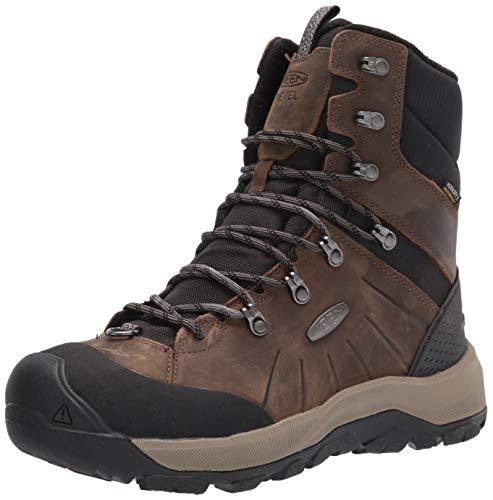
The KEEN Revel IV High Polar boot is a top winter pick. With KEEN.WARM insulation, strong ankle support, and KEEN.DRY waterproofing, this boot is built for snow, ice, and deep cold. It feels warm without feeling too heavy, and the outsole grips well on slippery paths.
Key Features
-
KEEN.WARM insulation (rated for cold climates)
-
KEEN.DRY waterproof membrane
-
High-cut for ankle support
-
Deep lug outsole for ice and snow
-
Warm fleece lining
Pros
-
One of the warmest boots for Iceland
-
Strong traction on icy trails
-
Great waterproofing
Cons
-
Heavier than non-insulated boots
-
Not ideal for warm summer hikes
My Recommendation
Choose the KEEN Revel IV if you plan to hike in winter or early spring. I once used insulated boots on a snowy trail near Mýrdalsjökull glacier, and they kept my feet warm even when wind chill felt sharp. These boots shine when the temperature drops.
To buy this product, click here.
Salomon Quest 4 GORE-TEX
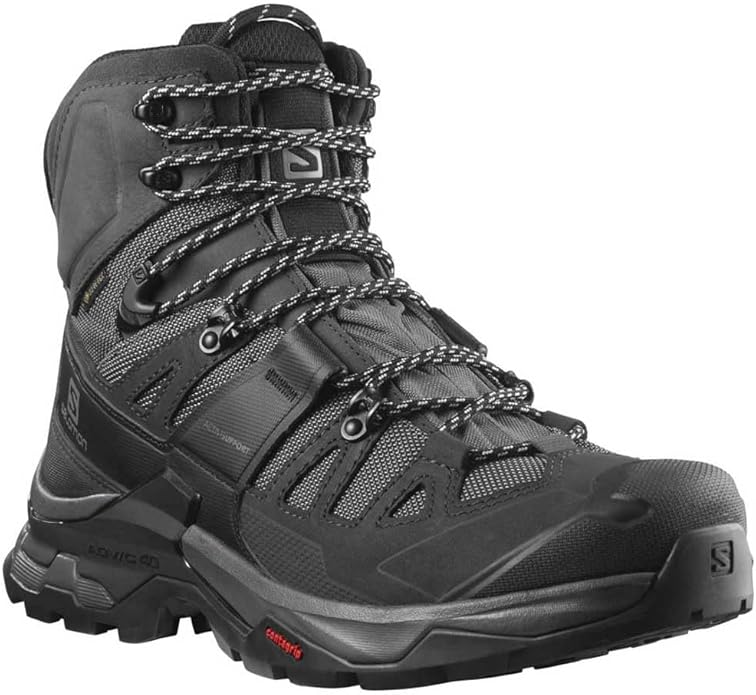
The Salomon Quest 4 GORE-TEX is a strong and stable backpacking boot known for its support on long and rough trails. It uses a chassis system that keeps your foot steady even when the ground shifts under you. Because Iceland has many steep paths and rocky climbs, the Quest 4 feels like a great match. It also has a full GORE-TEX membrane, so your feet stay dry when rain comes fast.
I have used the Quest line for long hikes in Europe before, and one thing I love is how the boot stays firm on the descent. When trails go down for a long time, this kind of support can save your knees.
Key Features
- GORE-TEX waterproof membrane
- Advanced chassis support system
- Deep lug outsole for grip
- Strong, protective upper
- Plush cushioning for long days
Pros
- Excellent support for rough terrain
- Waterproof and breathable
- Great comfort over long distance
Cons
- A bit stiff at first
- Slightly heavier than light hikers
My Recommendation
Choose the Salomon Quest 4 if you plan long hikes like Laugavegur or multi-day trips with a pack. The strong support helps a lot when you carry weight. The grip also works well when trails get wet or soft. If you want a boot that feels stable and safe on mountain paths, this one shines.
La Sportiva Nucleo High II GTX
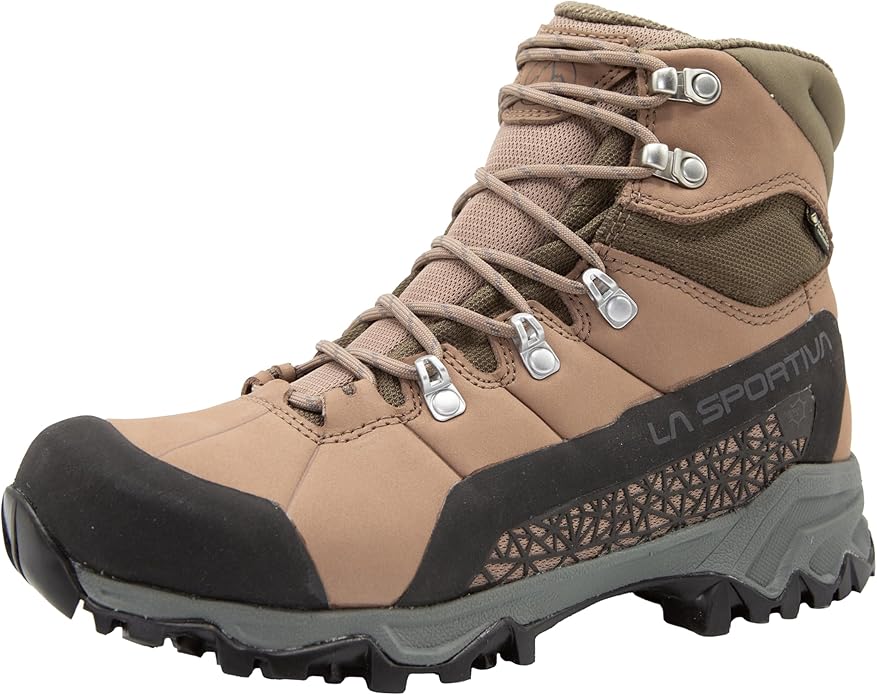
The La Sportiva Nucleo High II GTX is one of the best lightweight waterproof hiking boots for Iceland. It uses GORE-TEX Surround, which lets heat escape while still keeping water out. This is great when you hike fast or on warm days but still walk through wet ground.
I once tried a breathable boot on a hot day in Þórsmörk, and it made a huge difference. My feet stayed dry, but they did not feel too warm. The Nucleo High II aims to give that same balance.
Key Features
- GORE-TEX Surround for airflow
- Lightweight design
- High-cut for ankle support
- Grip designed for mixed terrain
- Durable yet flexible upper
Pros
- Breathable and waterproof
- Light on the foot
- Good for long summer hikes
Cons
- Not warm enough for winter
- Less rigid for heavy backpacking
My Recommendation
Choose the Nucleo High II if you plan to hike in late spring, summer, or early fall. It works well for day hikes, valley paths, black sand areas, and light backpacking. If you want comfort and airflow without losing waterproofing, this boot is a great match for Iceland’s milder months.
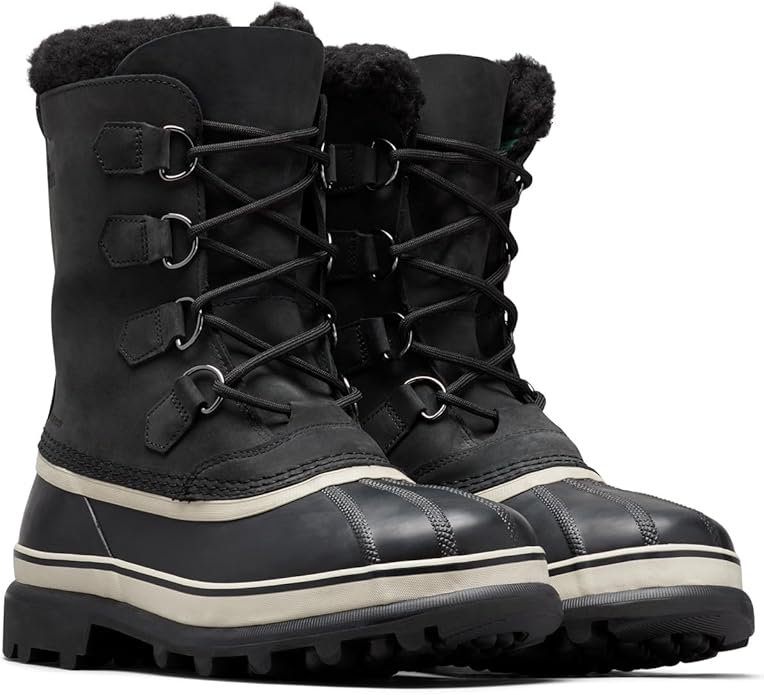
Sorel Caribou Boot
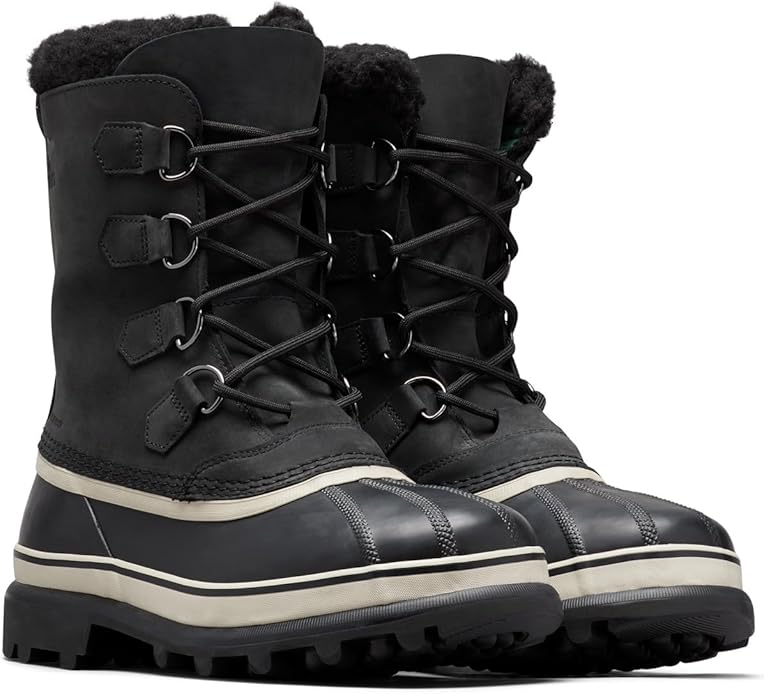
The Sorel Caribou is a strong winter boot built for deep cold, snow, and slush. It is not a technical mountain boot, but it shines in cold towns, snowy paths, and winter trips where you walk through heavy snow. With a warm removable liner and seam-sealed waterproof design, your feet stay warm even when the wind feels sharp.
I once wore a similar Sorel boot in Norway during a deep-snow walk, and my feet stayed very warm the whole time. For Iceland in winter, warmth is not a small thing—it can change your whole day.
Key Features
- Seam-sealed waterproof body
- Thick insulation
- Warm removable liner
- Deep tread outsole
- Durable winter-ready leather
Pros
- Very warm
- Great in snow
- Excellent waterproofing
Cons
- Heavy
- Not ideal for long steep hikes
My Recommendation
Choose the Sorel Caribou for winter in Iceland if you plan to walk in snow, explore towns, or take short hikes near icy areas. It is not for long technical trails, but for deep cold, it is hard to beat.
Side-by-Side Comparison Table
| Boot Model | Waterproofing | Warmth | Traction | Weight | Best For |
|---|---|---|---|---|---|
| Berghaus Hillwalker II GORE-TEX | GORE-TEX | Medium | Strong | Medium | Wet trails, rain, long walks |
| KEEN Revel IV High Polar | KEEN.DRY | Very High | Strong on ice | Heavy | Winter, snow, cold winds |
| Salomon Quest 4 GORE-TEX | GORE-TEX | Medium | Very strong | Medium-heavy | Long hikes, rough terrain |
| La Sportiva Nucleo High II GTX | GORE-TEX Surround | Low-Medium | Good | Light | Summer hikes, fast hikes |
| Sorel Caribou | Waterproof seam-sealed | Very High | Medium | Heavy | Winter, snow, casual trails |
Which Boot Should You Choose? (Simple Guide)
Choosing the best hiking boots for Iceland depends on season, terrain, and your style of hiking. Here is a simple guide to help you decide with confidence.
For Summer Hikes
Choose:
- La Sportiva Nucleo High II GTX
- Berghaus Hillwalker II GORE-TEX
These boots stay dry yet breathable. They also grip well on mixed ground.
For Winter Hikes
Choose:
- KEEN Revel IV High Polar
- Sorel Caribou
Warm, insulated boots help a lot when wind chill gets sharp.
For Glacier Walks or Hard Trails
Choose:
- Salomon Quest 4 GORE-TEX
It offers high stability, great grip, and strong support on uneven ground.
For Wet Trails and Water Crossings
Choose:
- Berghaus Hillwalker II
- Salomon Quest 4
Both offer strong waterproofing and deep traction.
For Casual Walkers
Choose:
- Sorel Caribou (winter)
- La Sportiva Nucleo High II (summer)
These boots are easy to wear and feel soft on the foot.
Iceland Hiking Tips from My Experience
Break in Your Boots Before You Go
This is one of the most important tips. New boots can feel stiff. Break them in at home. Wear them on short walks. Your feet will thank you.
Wear Wool Socks
Wool stays warm even when damp. I once wore cotton socks on a cold day, and they felt icy. Wool made a huge difference.
Pack Microspikes
In winter or early spring, ice can hide under snow. Microspikes can help you walk with ease. I used them once on a trail near a glacier, and they saved me from slipping on clear ice.
Do Not Trust Dry Weather
Weather changes fast. Always pack rain gear. Waterproof boots help most during sudden storms.
Stay on the Trail
Iceland has sensitive land. Stay on paths to protect the moss and also to stay safe.
Frequently Asked Questions
Do I really need waterproof boots in Iceland?
Yes, you do. Iceland is wet year-round, and even on sunny days, the ground stays damp. Waterproof boots keep your feet warm and dry when you cross streams, walk near waterfalls, or get caught in sudden rain during long hikes.
Can I wear sneakers instead of hiking boots?
Sneakers are not a good choice for Iceland because they do not offer grip, ankle support, or waterproof protection. You may feel fine on flat roads, but most trails have wet rocks, soft soil, or steep paths that require the stronger support of hiking boots.
Are insulated boots needed in summer?
No, summer hikes in Iceland do not require insulated boots. The weather is cool, but light or medium boots are enough. Insulated boots can feel too warm in summer and may make your feet sweat during long walks on sunny days.
Is GORE-TEX worth it for Iceland?
Yes, a GORE-TEX membrane helps a lot because it blocks water from entering while still allowing heat to escape. This balance helps you stay dry without overheating. It also protects you during sudden storms and wet trail crossings.
How should my hiking boots fit?
Your boots should feel snug but not tight. You should have a little room for your toes, especially when walking downhill. If the boot squeezes your foot or rubs the heel, it may cause blisters during long hikes in Iceland.
Can I wear low-cut hiking shoes?
Low-cut shoes can work for short, dry walks, but they do not offer enough ankle support for steep or rocky paths. Iceland has trails where the ground shifts fast, so a mid or high-cut boot helps you stay stable and safe.
Should I size up for wool socks?
Sometimes you may need half a size more. Thick wool socks take space in the boot. If you plan to hike in winter, a bit more room helps your toes stay warm and comfortable.
Are heavy boots bad for long hikes?
Heavy boots are not bad, but they can feel tiring if you walk long distances. This is why summer hikers often prefer light boots, while winter hikers accept more weight for warmth and protection.
Which boot is best for ice?
Boots with strong traction like the KEEN Revel IV or Salomon Quest 4 work well. They grip ice better than soft outsoles. In winter, microspikes add extra safety on icy trails.
Can I rent boots in Iceland?
Some shops offer rentals, but fit and comfort may be poor. It is better to bring boots that you already tested at home. This helps prevent blisters and pain during long hikes.
Conclusion
Iceland is one of the most beautiful places to hike in the world. Yet the terrain and weather challenge even skilled hikers. This is why choosing the best hiking boots for Iceland matters so much. Good boots keep your feet warm, dry, and safe when the ground gets wet or the wind gets strong.
In this guide, I shared the boots I trust most, the features that help in Iceland, and my own stories from past trips. I hope this helps you feel ready and confident for your adventure. When your boots feel right, every step feels easy. And Iceland rewards you with views that stay in your memory forever.

Madison Clark is a footwear expert and the voice behind MyStyleGrid.com. She specializes in honest shoe reviews, style tips, and practical guides to help readers find the perfect pair for any occasion. With years of experience in blogging and content creation, Madison makes footwear knowledge simple, stylish, and easy to follow.