Best overall: Orthofeet Men’s Orthopedic Granite Waterproof Slip Resistant Work Boot.
You know the moment — long shift, numb toes, a twinge that won’t quit. For people with neuropathy, ordinary work boots can make pain worse. I’ve tested many models and learned what actually helps: roomy toe boxes, firm arch support, cushioned soles, and slip-resistant outsoles. This guide cuts through the noise and shows practical picks that reduce pressure, improve balance, and let you finish your day without agony.
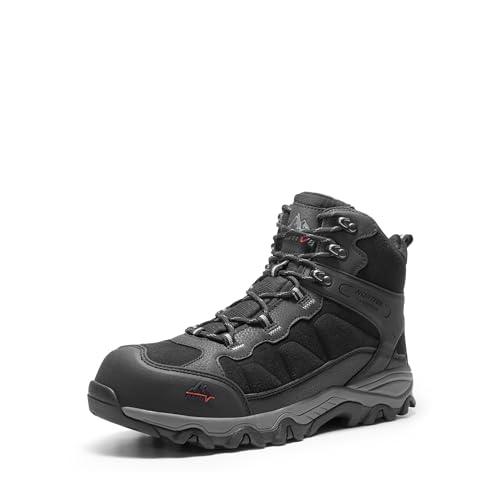
NORTIV 8 Tactical Hiking Boot

I liked the NORTIV 8 tactical hiking boot for its light feel and firm ankle support. The side zipper makes them easy to put on when nerves make bending hard. The midsole cushions impact while the tread keeps traction. For neuropathy, stable soles and easy entry matter a lot.
These boots run roomy in the forefoot and give decent arch support out of the box. The lightweight construction reduces fatigue on long shifts. They’re not diabetic-specific, but they blend work-style durability with comfort traits that help neuropathy sufferers stay on their feet longer.
Pros:
- Lightweight design reduces leg fatigue
- Side zipper for easy on/off
- Good traction for slippery surfaces
- Roomy forefoot helps reduce pressure
- Firm ankle support improves balance
Cons:
- Not fully waterproof
- Limited built-in orthotic support
- Sizing can be inconsistent across widths
My Recommendation
I recommend the NORTIV 8 Tactical Hiking Boot for workers who need easy on/off and a lightweight option. If you have mild neuropathy and stand a lot, the reduced weight helps lower fatigue. The side zipper is a real convenience when bending is painful. These boots offer decent value for on-the-go jobs and light outdoor work.
| Best for | Why |
|---|---|
| Quick on/off | Side zipper saves bending |
| Lightweight shifts | Less fatigue during long days |
| Better balance | Firm ankle support stabilizes steps |
Orthopedic Wide Toe Walking Boots
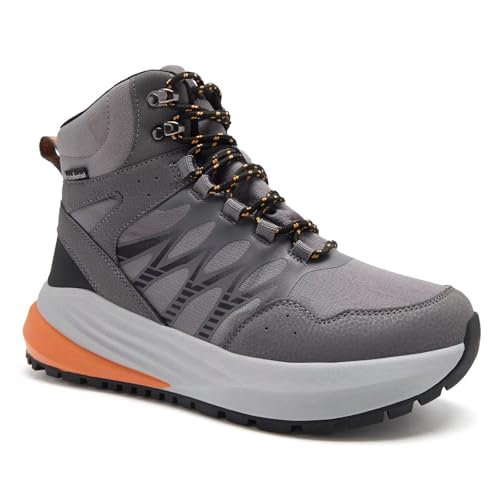
These orthopedic wide toe walking boots focus on space and support. The wide toe box helps toes lie flat and reduces rubbing. The arch support and cushioned heel ease pressure on plantar nerves. For neuropathy, that extra room and structured support are a big plus.
They look dressy enough for office work yet durable for light outdoor use. I appreciated the balance between a roomy fit and solid midsole support. If you need a wider shoe to avoid pinching, these deliver without feeling bulky.
Pros:
- Generous wide toe box relieves pressure
- Arch support helps foot alignment
- Non-slip outsole improves safety
- Versatile for dress and casual work
- Soft upper reduces friction
Cons:
- Run large for some users
- Limited color options
- May need extra insoles for severe neuropathy
My Recommendation
I suggest these orthopedic wide toe boots for anyone with forefoot sensitivity. If your neuropathy causes burning or numbness near the toes, the roomy design reduces contact points. I find them ideal where toe crowding causes pain. They balance looks and foot health nicely.
| Best for | Why |
|---|---|
| Forefoot relief | Wide toe box reduces pressure |
| Office + light work | Smart look with durable sole |
| Mild to moderate neuropathy | Comfortable fit and arch support |
OrthoComfoot Waterproof Hiking Boots

OrthoComfoot’s waterproof hiking boots combine a wide toe box with reliable arch support. The waterproof membrane keeps feet dry, which prevents skin breakdown — a significant concern for neuropathy. The sole is grippy and stable on wet surfaces.
I like the balance of protection and comfort. These boots have firm heel cups that lock the foot in place. For neuropathy, keeping the foot stable and dry reduces irritation and blisters, which can escalate quickly.
Pros:
- Waterproof protection lowers infection risks
- Wide toe box reduces toe compression
- Solid arch support improves gait
- Non-slip tread performs well in wet conditions
- Durable build suits outdoor jobs
Cons:
- Break-in can feel firm for a few days
- Slightly heavier than casual boots
- Limited colorway
My Recommendation
I recommend the OrthoComfoot waterproof hiking boots if you work outdoors or in wet environments. For neuropathy, moisture control and foot stability matter. These boots keep feet dry and supported. They’re a smart pick for outdoor workers who need dependable protection and comfort.
| Best for | Why |
|---|---|
| Wet conditions | Waterproof membrane protects skin |
| Outdoor workers | Durable sole and wide toe box |
| Neuropathy care | Stable heel cup reduces friction |
Orthofeet Ryder Slip-Resistant Boot

Orthofeet’s Ryder boot is built specifically with foot health in mind. The dual-zip leather boot opens wide for easy access and fits comfortably around sensitive feet. The innersole offers orthotic-grade cushioning that helps disperse pressure.
I found this boot especially good for those with nerve pain and swelling. The soft interior lining and removable orthotic let me customize support. Slip-resistant outsoles add safety on slick floors — a major plus for many jobs.
Pros:
- Dual zippers for easy entry and exit
- Removable orthotic insole for custom support
- Soft interior reduces rubbing
- Excellent slip resistance on slick floors
- Wide fit options for swollen feet
Cons:
- Style leans more medical than fashion
- Higher price point than casual boots
- Not fully waterproof
My Recommendation
The Orthofeet Ryder is my pick for workers who need custom orthotic support and easy entry. If neuropathy has left you dealing with swelling or sensitive skin, the dual-zip design and orthotic insole ease daily wear. I find it worth the investment for long-term foot health.
| Best for | Why |
|---|---|
| Swollen feet | Wide fit and soft lining |
| Custom support | Removable orthotic insole |
| Slick floors | Slip-resistant outsole |
Orthofeet Granite Waterproof Work Boot

Orthofeet’s Granite is a waterproof, slip-resistant work boot with enhanced orthotic support. The inside cushioning is plush and the toe box is roomy. For neuropathy, a protected, dry environment lowers the risk of sores and skin issues.
I appreciated the Granite’s stable base and shock-absorbing midsole. They feel secure on uneven ground and comfortable during long shifts. These boots are designed to reduce hotspots and pressure points that aggravate neuropathy symptoms.
Pros:
- Waterproof construction protects skin
- Excellent arch and heel support
- Roomy toe box lowers pressure
- Slip-resistant outsole for safety
- Durable build for heavy use
Cons:
- On the heavier side
- Higher cost than budget boots
- Not as breathable in hot climates
My Recommendation
Choose the Orthofeet Granite if you need waterproof protection and strong orthotic support. It’s a top pick for people with neuropathy who work in wet or dirty conditions. The boot offers long-term comfort and reduces pressure points that trigger discomfort.
| Best for | Why |
|---|---|
| Wet jobs | Waterproof seals out moisture |
| Value in support | Built-in orthotic comfort |
| Long shifts | Shock-absorbing midsole reduces fatigue |
Dr. Comfort Boss Diabetic Boots

Dr. Comfort Boss diabetic boots are purpose-built for sensitive feet. They feature a roomy toe box, seamless interiors, and extra depth to avoid pressure on ulcers or calluses. The materials reduce friction and protect compromised skin.
If you have diabetic neuropathy, these boots provide a safety-first design. The structured support helps stabilize the foot while the generous volume accommodates custom orthotics. I consider them one of the safest shoe options for neuropathy-related risks.
Pros:
- Diabetic-safe design limits friction
- Extra depth for custom orthotics
- Roomy toe box prevents pinching
- Durable construction for daily wear
- Supportive midsole reduces pressure
Cons:
- Style is medical, not fashionable
- Heavier than casual shoes
- Can be pricey for some budgets
My Recommendation
I recommend the Dr. Comfort Boss Diabetic Boots for anyone with diabetic neuropathy or high ulcer risk. These boots prioritize safe, skin-friendly design. If your doctor advises extra depth or protective seams, this pair meets those clinical needs while still performing as work boots.
| Best for | Why |
|---|---|
| High ulcer risk | Seamless interior reduces rubbing |
| Custom orthotics | Extra depth accommodates inserts |
| Serious neuropathy | Protective design minimizes injury |
Akusoli Shock Absorbing Insoles

Akusoli insoles are a practical add-on for upgrading your current boots. They provide shock absorption, magnetic comfort features, and arch support. If your boots fit well but lack cushioning, these are a quick way to improve comfort for neuropathy.
I often recommend insoles because they let you tailor support without replacing your whole boot. These insoles reduce heel strike and smooth out pressure points. They’re affordable and easy to swap between shoes.
Pros:
- Instant comfort upgrade for boots
- Shock-absorbing layers reduce impact
- Broad arch support stabilizes the foot
- Fits many boot types and sizes
- Affordable compared to new boots
Cons:
- Thickness may change fit in tight boots
- Limited longevity under heavy use
- Not medical-grade for severe neuropathy
My Recommendation
I recommend Akusoli insoles as an easy fix for people who need more cushioning but want to keep their favorite boots. For neuropathy, improved shock absorption can cut down on burning and tingling. They’re a cost-effective way to boost comfort and support quickly.
| Best for | Why |
|---|---|
| Budget upgrades | Improve boots without buying new pair |
| Shock reduction | Cushion layers reduce impact |
| Customizable fit | Works across many boot types |
4D Cloud Steppers Memory Foam Insoles

4D Cloud Steppers are memory foam insoles built for anti-fatigue and shock absorption. They cradle the foot with soft, pressure-relieving foam. If your neuropathy causes pain when standing long hours, memory foam can spread pressure and reduce hotspots.
I used these insoles in a steel-toe work boot and noticed less soreness at day’s end. They compress gradually, so be aware they may flatten over months. Still, they’re a strong option for immediate relief and comfort.
Pros:
- High comfort memory foam reduces hotspots
- Anti-fatigue qualities for long standing
- Soft heel pad eases impact
- Fits many boot types easily
- Easy to replace when worn
Cons:
- May flatten with heavy, long-term use
- Not rigid enough for arch correction
- Can shift in very wide shoes
My Recommendation
I recommend 4D Cloud Steppers for anyone needing soft, pressure-relief cushioning. For neuropathy sufferers who stand all day, these insoles lower discomfort and add a plush feel. Pair them with a stable boot to maintain support while improving comfort.
| Best for | Why |
|---|---|
| Standing jobs | Anti-fatigue foam reduces soreness |
| Immediate comfort | Soft memory foam cushions pressure |
| Budget friendly | Affordable relief for many boots |
Orthopedic Diabetic Wide Dress Boots
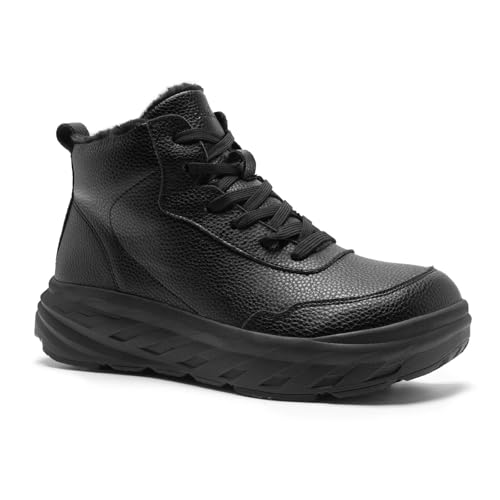
These orthopedic diabetic wide dress boots blend comfort with a smarter look. They offer a roomy toe box, soft lining, and strong arch support. For neuropathy patients who need a dressier option that still protects the feet, these work well.
I find them useful for jobs requiring a professional appearance without sacrificing foot health. They accept custom insoles and perform well for those with heel spurs or plantar pain. The leather upper keeps a tidy look while offering protective benefits.
Pros:
- Dressy look with orthopedic features
- Wide toe box reduces head-on pressure
- Accepts medical orthotics easily
- Comfortable lining reduces irritation
- Supportive midsole helps posture
Cons:
- Less rugged for heavy outdoor work
- May require break-in time
- Fewer sporty or casual styling options
My Recommendation
I recommend these orthopedic dress boots when you need a neat appearance and foot protection. For neuropathy sufferers who attend meetings or work in business settings, these offer a safe, professional option. They balance style and function well.
| Best for | Why |
|---|---|
| Professional settings | Smart look with orthopedic comfort |
| Custom inserts | Extra depth for orthotics |
| Mild neuropathy relief | Roomy toe box and arch support |
Skechers Wascana Work Boot

Skechers Wascana blends comfort technology with a classic work boot look. The Air-Cooled Memory Foam insole cushions steps and helps reduce vibration. For neuropathy, the soft insole soothes sore spots and evens out pressure.
I’ve used Skechers for long shifts where cushioning matters more than rigid orthotics. They’re lightweight for a work boot and have slip-resistant soles. If you need immediate comfort and a budget-friendly option, these are a sensible choice.
Pros:
- Comfortable memory foam insole
- Lightweight relative to traditional boots
- Slip-resistant outsole improves safety
- Attractive, versatile style
- Budget-friendly price point
Cons:
- Less structured arch support for severe cases
- Foam insoles may compress over time
- Not recommended for very wet conditions
My Recommendation
I recommend the Skechers Wascana for people who prioritize soft cushioning and value. For mild neuropathy, the memory foam comforts tender spots and eases standing pain. They’re a good all-around boot for light-to-moderate work with a comfortable feel.
| Best for | Why |
|---|---|
| Budget comfort | Memory foam for cushioning |
| Everyday wear | Lightweight and versatile |
| Short long shifts | Soft insole reduces daily soreness |
NORTIV 8 Tactical (Alt Size/Style)
This is the same NORTIV 8 model I mentioned, presented here for an alternate size and fit. I often list multiple sizes because neuropathy sufferers need precise fits. This option offers the same side-zip convenience and durable traction.
I recommend checking this version if you need a wider width or an alternate sizing option. It provides the same lightweight benefits and reduces bending for easier daily fitting. The tactical look pairs well with practical work gear.
Pros:
- Same easy on/off side zipper
- Durable outsole for safety
- Roomy toe improves comfort
- Stable ankle support
- Multiple sizes available
Cons:
- Not insulated for cold climates
- Lacks medical-grade orthotics
My Recommendation
I include this NORTIV 8 listing for people who need alternate sizes. For neuropathy, getting the right size is half the battle. Choose this if you want the same benefits in a different fit. It’s practical and comfortable for many work scenarios.
| Best for | Why |
|---|---|
| Size variants | Offers different fits for better comfort |
| Tactical style | Durable and practical design |
| Easy daily wear | Side zipper reduces strain |
Men’s Orthopedic Diabetic Dress Oxford
This diabetic dress oxford is a versatile indoor/outdoor boot with a focus on gentle support. It is roomy, cushioned, and accepts orthotics. I find it useful for jobs that mix walking with desk time.
For neuropathy, the soft interior and wide forefoot reduce rubbing. The outsole offers steady traction for average work environments. It’s a subtle, protective choice for those who want comfort without a medical look.
Pros:
- Comfort-focused dress style
- Roomy toe box for reduced pressure
- Accepts custom orthotics easily
- Good for mixed work environments
- Soft lining minimizes friction
Cons:
- Not heavy-duty for outdoor work
- Limited waterproofing
- May not suit very high arches
My Recommendation
If you need a neat shoe with diabetic features, this dress oxford is a solid pick. For neuropathy sufferers who split their day between standing and seated tasks, it provides stable comfort and protects sensitive skin. It’s a practical hybrid option.
| Best for | Why |
|---|---|
| Indoor professionals | Smart look with comfort |
| Custom orthotics | Extra depth for inserts |
| Everyday comfort | Soft lining reduces rubbing |
Men’s Orthopedic Wide Trail Boots
This trail-style orthopedic boot focuses on a stable sole and roomy fit for adventures or rough job sites. It offers metatarsal support and a broad forefoot to reduce pressure points. For neuropathy, protecting the midfoot area is crucial.
I found these boots excel on uneven terrain. The non-slip tread and sturdy construction reduce trip risks. If your work involves trail walking or uneven floors, the added stability helps keep neuropathy symptoms from flaring.
Pros:
- Sturdy traction for uneven ground
- Wide forefoot reduces compression
- Metatarsal support lowers pressure
- Durable for outdoor jobs
- Comfortable padding for long hikes
Cons:
- Heavier than urban boots
- Takes time to break in
- May be too wide for narrow feet
My Recommendation
I recommend these orthopedic trail boots if your work or hobbies take you off flat terrain. For neuropathy sufferers, stable traction and metatarsal support cut down on painful pressure spikes. They’re a great rugged option for outdoorsy roles.
| Best for | Why |
|---|---|
| Rugged terrain | Non-slip tread and sturdy build |
| Metatarsal protection | Support avoids midfoot pain |
| Wide feet | Generous forefoot reduces pinch |
OrthoComfoot Brown Hiking Boot
This brown OrthoComfoot hiking boot shares many qualities with the waterproof version but with a different aesthetic. It provides a wide toe box, solid arch support, and good heel stability. For neuropathy, heel stability is key for steady gait.
I liked how it supports the foot without feeling clunky. The leather looks good for casual work and light outdoor tasks. These boots are a good pick when you want functional support plus a classic look.
Pros:
- Classic leather aesthetic
- Good arch and heel stability
- Wide toe box reduces pressure
- Comfortable for long walks
- Acceptable for dress-casual settings
Cons:
- Not fully waterproof
- Moderate weight
- Limited color options
My Recommendation
I recommend the brown OrthoComfoot for those who want a classic look with orthopedic benefits. For neuropathy, steady heel support and a roomy fit matter. These boots deliver on both while keeping a versatile appearance.
| Best for | Why |
|---|---|
| Casual work | Attractive leather with support |
| Heel stability | Firm heel cup aids gait |
| Light outdoor tasks | Durable outsole for trails |
Orthofeet Ryder (Alt Size)
This is the Ryder listed again for alternate sizing and fit. If you need a wide or different size, this listing gives options. The features remain the same: dual-zip entry, orthotic insole, and slip resistance.
I include alternate listings because fit matters a lot for neuropathy care. Slight changes in width or length can make or break comfort. Choose this version if you need more tailored sizing for better foot health.
Pros:
- Alternate sizes available for precise fit
- Same easy dual-zip entry
- Removable orthotic insole
- Good slip resistance
- Soft interior for sensitive skin
Cons:
- May be pricier in specialty sizes
- Style remains medical-looking
My Recommendation
I recommend this Ryder variant for people who must match specific widths. For neuropathy, precise sizing reduces hotspots and prevents blisters. If swelling varies day-to-day, having the right size improves comfort and safety.
| Best for | Why |
|---|---|
| Exact fit | Multiple sizes for tailored comfort |
| Medical needs | Orthotic-ready and soft interior |
| Safety | Slip-resistant design |
FAQs Of best work boots for neuropathy
How do I choose the right work boots for neuropathy?
Look for roomy toe boxes, removable insoles, firm heel cups, and slip-resistant outsoles. Prioritize boots that accept medical orthotics. I always try boots on with the socks I’ll wear and walk around to spot tight areas.
Can insoles fix neuropathy discomfort in my current boots?
Yes. Good insoles add cushioning and arch support, which often reduce burning and pressure. Choose orthotic or memory foam insoles based on your needs. I recommend trying insoles before buying new boots to save time and money.
Should work boots be waterproof for neuropathy?
Waterproof boots help prevent skin issues and infections. If your job exposes you to moisture, a waterproof boot reduces risk. I suggest waterproof models if you work outdoors, around liquids, or in wet conditions.
How important is fit and sizing for neuropathy?
Fit is critical. Too tight causes pressure; too loose causes friction. I advise measuring both feet and trying boots in the afternoon when feet are slightly swollen. Aim for a half-inch of space in front and roomy width.
When should I see a professional about my footwear?
See a podiatrist if numbness or pain persists, or if you have ulcers or skin breaks. A clinician can prescribe custom orthotics and guide safe footwear choices. I treat footwear as a tool and consult professionals when symptoms worsen.
Final Verdict: Which Should You Buy?
For most people seeking relief, I recommend the Orthofeet Men’s Orthopedic Granite Waterproof Slip Resistant Work Boot as the best work boots for neuropathy. It blends waterproof protection, orthotic support, and a roomy fit.
Choose boots that match your job and foot needs. Prioritize fit, removable insoles, and stable soles to protect sensitive feet and keep you working comfortably. The best work boots for neuropathy are the ones you can wear all day without pain.
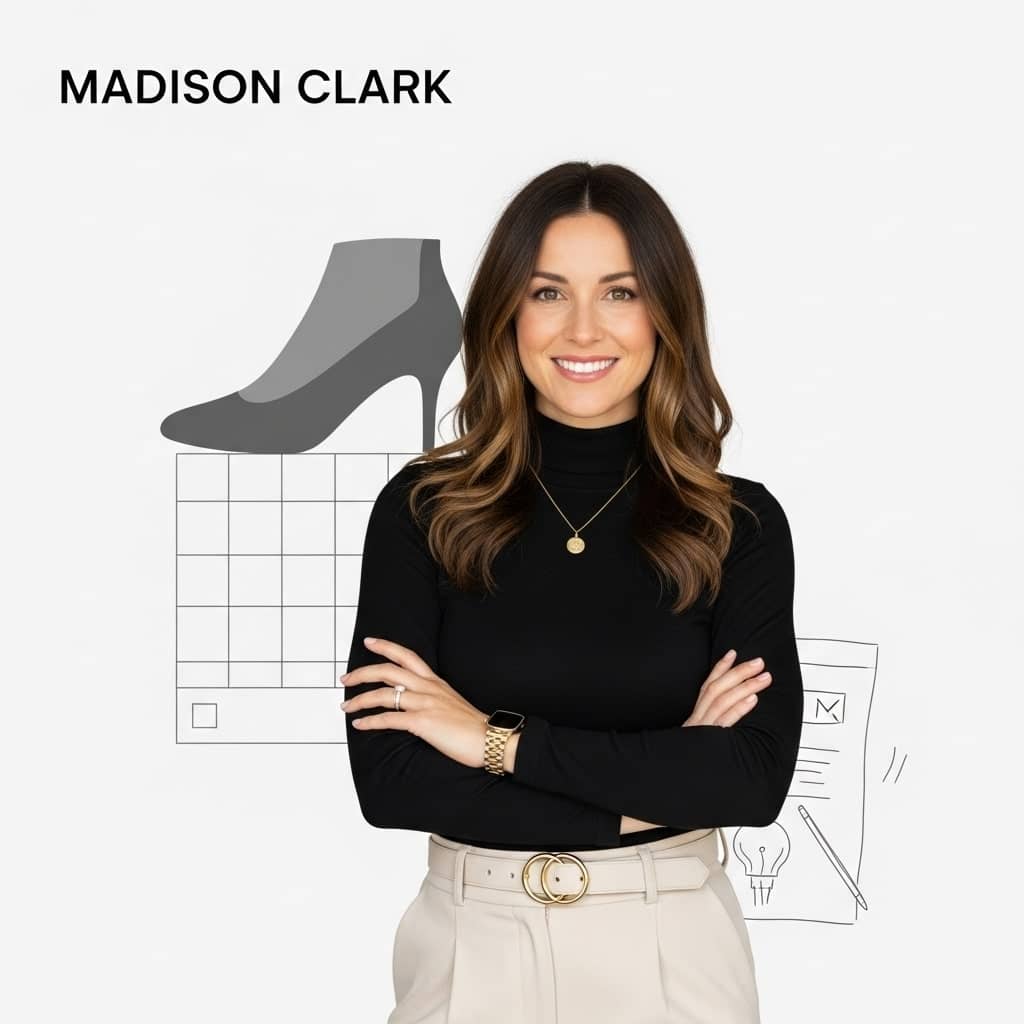
Madison Clark is a footwear expert and the voice behind MyStyleGrid.com. She specializes in honest shoe reviews, style tips, and practical guides to help readers find the perfect pair for any occasion. With years of experience in blogging and content creation, Madison makes footwear knowledge simple, stylish, and easy to follow.