The best hoof boots for laminitis cushion sore feet, protect the sole, and help horses move with less pain.
A laminitic horse may take short steps, shift weight, or stand as if every foot hurts. I know how hard that is to watch, especially when the ground is firm or the hoof has an abscess. The right boot can act like a soft shield between the hoof and the world. Still, laminitis needs prompt veterinary and farrier care. Boots support comfort and protection, but they do not replace diagnosis, diet control, medication, or a treatment plan.
Cavallo Simple Hoof Boot

The Cavallo Simple Hoof Boot is a strong choice for horse owners who want a basic, roomy boot for turnout, hand walking, or short-term hoof protection. Its simple shape leaves space for a hoof pad, which matters when a laminitic horse needs extra cushioning. The tall upper helps cover much of the hoof wall and keeps the boot from feeling like a thin slipper. I especially like this style for horses that need protection after a trim, abscess, or painful sole flare.
The boot uses a sturdy sole and a straightforward closure system, so it does not take long to put on once the fit is correct. It can help reduce the shock of hard footing, but the horse still needs a calm surface and close checks. Measure the hoof after trimming, not before, because laminitic feet can change shape quickly. A soft EVA pad or therapeutic insert may improve comfort, but ask your farrier to choose the right thickness and shape.
Pros:
- Roomy shape allows useful comfort pads
- Strong sole helps block stones and hard ground
- Simple design is easy to learn
- Useful for turnout and controlled walking
- Good coverage for tender hoof walls
Cons:
- May feel bulky on smaller or narrow feet
- Fit can loosen if the hoof changes fast
- Not a substitute for veterinary laminitis care
My Recommendation
I recommend the Cavallo Simple to owners who want dependable daily protection without a complex design. It suits horses with a fairly regular hoof shape and enough room for a cushion pad. For many users, it is one of the best hoof boots for laminitis when comfort, space, and ease matter more than a sleek profile. Its value is strongest when you measure carefully and inspect the hoof and boot each day.
| Best for | Why |
|---|---|
| Pad use | The roomy interior accepts cushioning inserts. |
| Daily protection | The firm sole helps shield tender feet. |
| New boot users | The simple layout is easy to understand. |
Jeorywoet Rubber Hoof Boots
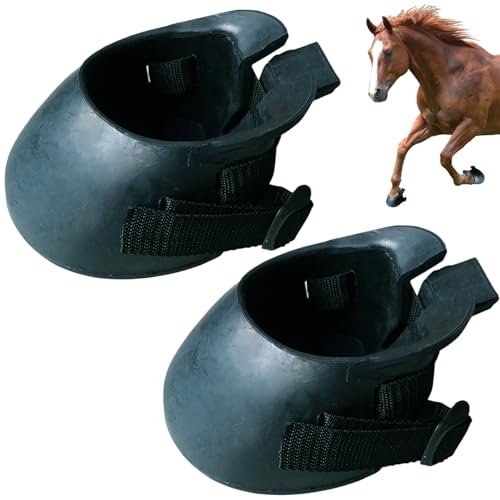
Jeorywoet rubber hoof boots are made for owners who need a protective option for hoof wounds, abscess care, or a sore laminitic foot. The thick rubber body creates a barrier against wet soil, grit, and sharp debris. This can be useful during a short recovery period when the hoof must stay cleaner than normal. I see this type of boot as a practical care tool rather than a riding boot.
Rubber can flex around the hoof and may work well for resting horses or slow, supervised movement. It can also hold a dressing or pad in place when the size allows it. Check for trapped moisture after use, since a warm, damp space may soften the hoof wall or irritate the skin. The horse should wear it only for the period recommended by the veterinarian or farrier, with regular breaks for inspection.
Pros:
- Thick rubber helps block wet dirt
- Useful for wound and abscess management
- Flexible material can fit many simple hoof shapes
- Helps protect a dressing during brief movement
- Portable design suits barn and travel care
Cons:
- May trap heat or moisture
- Not ideal for long, active turnout
- Fit may be less precise than a shaped riding boot
My Recommendation
I would choose the Jeorywoet pair for a horse that needs short-term hoof coverage during wound care or laminitis recovery. It is best for owners who can remove the boot often and check the skin, sole, and bandage. It may rank among the best hoof boots for laminitis for basic protection, but it is not my first pick for long trail use. The low cost can make it useful as a backup care boot.
| Best for | Why |
|---|---|
| Wound care | Thick rubber helps keep dirt away. |
| Short-term use | The flexible build is easy to carry and store. |
| Bandage support | The boot can help cover a protected hoof. |
yeezo Hoof Soaking Boot

The yeezo hoof soaking boot serves a different purpose from a normal hoof boot. It is designed to hold water or a veterinarian-approved soaking solution around the hoof. The included EVA pad can give the horse a softer place to stand during the session. This is helpful when a painful hoof needs soaking for an abscess or another condition linked with sudden soreness.
I like a soaking boot because it can reduce the mess that comes with buckets, bags, and improvised wraps. The fit should be snug enough to hold liquid but not so tight that it presses the coronary band. Never add salts, medicines, or very hot water unless a professional tells you to do so. After soaking, dry the hoof and skin well, then follow the care plan instead of leaving the boot on as an all-day protector.
Pros:
- Made for controlled hoof soaking
- EVA pad adds standing comfort
- Helps reduce spills around the stall
- Useful during abscess care
- Simple alternative to makeshift soaking bags
Cons:
- Not designed for riding or normal turnout
- Requires close supervision during use
- Can leak if the seal or fit is poor
My Recommendation
The yeezo is best for a barn that needs a dedicated soaking tool. I would not call it a daily laminitis boot, but it can support a larger hoof-care plan when soaking is advised. For that narrow job, it can be one of the best hoof boots for laminitis because it makes treatment cleaner and more controlled. Its overall value is good for owners who often manage abscesses or prescribed hoof soaks.
| Best for | Why |
|---|---|
| Hoof soaking | Its shape is made to hold liquid around the hoof. |
| Abscess care | It can simplify a prescribed soaking routine. |
| Cleaner treatment | The design helps limit floor spills. |
Easyboot Trail Original

The Easyboot Trail Original is aimed at light to medium riding and general hoof protection. Its polyurethane sole offers a useful balance of grip, flex, and wear resistance. The hook-and-loop closure makes it less intimidating than some performance boots with several straps. For a horse with mild hoof tenderness, it may add comfort on approved walks or easy trails.
Laminitis changes the rules, so I would introduce this boot only after the acute pain has settled and a veterinarian or farrier approves movement. The horse needs a stable fit with no rubbing at the heel bulbs or pastern. Start with a few minutes on a clean, level surface and inspect the hoof afterward. A boot that works well on one horse may twist on another because hoof shape matters more than brand name.
Pros:
- Easy hook-and-loop closure
- Durable polyurethane sole
- Useful for light riding and walking
- Can protect the hoof from rough footing
- Designed to remain useful through a trim cycle
Cons:
- Not for acute laminitis without professional approval
- May need a break-in period
- Incorrect sizing can cause twisting or rubs
My Recommendation
I recommend the Easyboot Trail Original for a sound or improving horse that needs protection during controlled activity. It is not the first boot I would reach for during a severe laminitic episode, when deep cushioning and strict rest often matter more. Still, it can become one of the best hoof boots for laminitis after recovery begins and the horse returns to gentle work. Its value comes from easy handling and trail-ready construction.
| Best for | Why |
|---|---|
| Light riding | The sole suits controlled activity on varied ground. |
| Easy fitting | The closure is quick to use. |
| Recovery walks | It can shield the hoof after professional approval. |
Tough 1 Hoof Saver Boot

The Tough 1 Hoof Saver Boot is a familiar style for basic hoof protection and temporary care. Its soft-looking upper can be easier on the pastern than a stiff shell. The boot is useful when a horse needs a cover over a tender sole, poultice, or simple hoof dressing. I also like having this type of boot in the tack room because hoof trouble rarely waits for a convenient day.
The royal blue material makes the boot easy to spot in bedding or grass. It is best suited to calm use, such as standing in a stall or taking a few careful steps. Measure the hoof width and length closely, and watch the top edge for rubbing. If the horse pulls it off, check the closure and consider whether the boot is too loose, too small, or simply not suited to that hoof shape.
Pros:
- Useful for temporary hoof protection
- Soft upper may reduce edge pressure
- Easy to see in dark bedding
- Helpful for poultices and dressings
- Practical backup for sudden hoof soreness
Cons:
- May not stay secure during active turnout
- Can wear faster on rough ground
- Does not provide a precision performance fit
My Recommendation
The Tough 1 Hoof Saver is best for stall rest, short care periods, and owners who want an affordable backup. It may help a laminitic horse stand more comfortably when paired with a proper pad and a quiet surface. I would include it among the best hoof boots for laminitis for simple home care, not for long rides. It offers useful value when you need a quick cover rather than a technical riding boot.
| Best for | Why |
|---|---|
| Stall rest | It gives a tender hoof a protective cover. |
| Dressings | The roomy style can fit basic hoof care materials. |
| Emergency backup | It is handy when soreness appears without warning. |
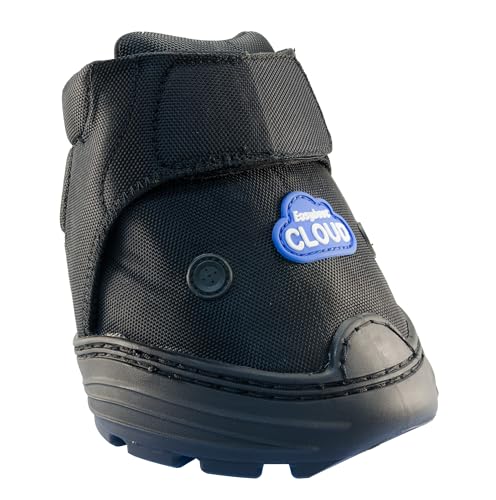
Easyboot Cloud EVA Wedge Pads

These closed-cell EVA pads are replacement comfort pads for compatible Easyboot Cloud boots. They are not complete hoof boots by themselves, but they can make a major difference inside the right boot. EVA foam spreads pressure and creates a softer landing for a sore sole. The two-degree wedge may also support a carefully planned therapeutic setup.
I would use a wedge only with guidance from a qualified farrier or veterinarian. A change in hoof angle can help one horse and worsen another, especially when the coffin bone and sole are already compromised. Closed-cell foam has an advantage because it absorbs less water than open foam. Even so, check the pad for compression, dirt, and uneven wear, then replace it when it no longer gives even support.
Pros:
- Adds soft cushioning inside a compatible boot
- Closed-cell EVA resists water absorption
- Two-degree wedge supports specific treatment plans
- Replacement pair helps refresh worn gear
- Can reduce hard-ground impact
Cons:
- Requires a compatible Easyboot Cloud
- Wedge angle is not right for every horse
- Foam compresses and needs regular checks
My Recommendation
I recommend these pads for experienced owners working with a professional on comfort support. They are best for horses that already use the matching boot and need a fresh or more cushioned insert. Among the best hoof boots for laminitis, this product stands out as a tuning part, not a complete boot. Its value is high when the fit is correct and the wedge has a clear clinical reason.
| Best for | Why |
|---|---|
| Extra cushioning | EVA softens the contact under a sore hoof. |
| Cloud boot users | The pad is made for a compatible system. |
| Guided support | The wedge can match a professional plan. |
Fiwochic EVA Hoof Pads

Fiwochic EVA hoof pads give owners a simple way to add cushioning to a hoof boot or hoof-packing setup. The four-piece pack is useful when you want spare pads for rotation and replacement. EVA can soften the feel of hard flooring and help spread load across the sole. For a horse with mild tenderness, that extra layer may turn a harsh step into a calmer one.
These pads need trimming or shaping only when the design and professional plan allow it. A pad should sit flat, avoid pressure on the frog unless intended, and never bunch under the heel. I would pair them with a well-fitting boot and a clean, dry hoof. Since foam changes under weight, inspect the pad after each early use and stop if the horse moves worse.
Pros:
- Four pieces provide useful spares
- Soft EVA adds basic shock reduction
- Can fit several hoof-care setups
- Helpful for hard stall floors
- Simple option for custom cushioning
Cons:
- May need careful shaping
- Not a complete hoof boot
- Can compress with heavy or long use
My Recommendation
I would choose Fiwochic pads for owners who already understand hoof packing and boot fitting. They are especially useful when a horse needs extra comfort but the current boot remains structurally sound. They support a best hoof boots for laminitis setup by improving the inside of the boot, rather than replacing it. The pack offers good value if you need backups and can check fit often.
| Best for | Why |
|---|---|
| Spare pads | Four pieces help keep a clean replacement ready. |
| Hard floors | EVA gives the sole a softer surface. |
| Custom fitting | The material may allow careful shaping. |
Equine Fusion Active Jogging Shoe

The Equine Fusion Active Jogging Shoe is a flexible hoof boot made for horses that need protection during active movement. Its flexible design can feel more natural than a rigid shell. It is intended for the front feet and may suit horses with a low-profile hoof shape. The sole offers protection while allowing the hoof to flex during a walk or easy jog.
Because this is an active boot, I would reserve it for a horse that is stable and cleared for exercise. A horse with acute laminitis should not be pushed into a jogging shoe simply because the boot fits. Begin with a slow test and look for rubs, twisting, and unusual steps. Correct sizing is vital, since flexible boots can still move if the hoof measurements are wrong.
Pros:
- Flexible feel supports natural hoof motion
- Designed for front-foot protection
- Useful for controlled exercise after recovery
- Less rigid than many traditional shells
- Can shield the sole from rough ground
Cons:
- Not suitable for active use during acute pain
- Fit may be difficult on unusual hoof shapes
- May need careful break-in and monitoring
My Recommendation
The Equine Fusion Active Jogging Shoe is best for an improving horse that has professional approval to walk or work. It is not my choice for a horse that cannot bear weight comfortably, but it can support a careful return to movement. For that stage, it deserves consideration among the best hoof boots for laminitis. Its main value is flexible protection that does not feel as heavy as a hard boot.
| Best for | Why |
|---|---|
| Recovery exercise | The flexible build suits controlled movement. |
| Front feet | This model is made for front-foot use. |
| Natural feel | Flex can allow more hoof movement. |
Cavallo Trek Slim Sole Boot

The Cavallo Trek Slim Sole is built for horses that need a slimmer boot profile than a standard Cavallo design. That can help when the hoof is narrow or the horse dislikes a wide, heavy feel. It offers a firm sole for protection and a closure system intended to keep the boot secure. I consider it a useful bridge between a basic hoof-care boot and a light riding boot.
A slim sole does not mean every hoof will fit it, so measure with care. Laminitic hooves can have flares, stretched white lines, or a changed toe angle, and those details affect fit. Use a pad if your farrier recommends one, but make sure the added thickness does not make the boot tight. The boot should support a comfortable step, not force a painful hoof into a shape it cannot accept.
Pros:
- Slender profile suits some narrow feet
- Firm sole protects against rough footing
- Useful for light activity and turnout
- Can feel less bulky than wide boots
- Works well for owners familiar with Cavallo fit
Cons:
- May not fit broad or heavily flared hooves
- Added pads can reduce interior space
- Needs professional input during active laminitis
My Recommendation
I recommend the Cavallo Trek Slim Sole for a narrow-footed horse that needs a lower-profile boot. It is best for owners who want protection without the feel of a large shell. Used at the right recovery stage, it can be one of the best hoof boots for laminitis for slimmer feet. The value is solid, but the fit must match the hoof rather than the other way around.
| Best for | Why |
|---|---|
| Narrow hooves | The slim shape may reduce extra side space. |
| Light turnout | The sole gives useful ground protection. |
| Lower bulk | The profile feels less wide than roomy boots. |
Tough 1 Hoof Saver Boot Small
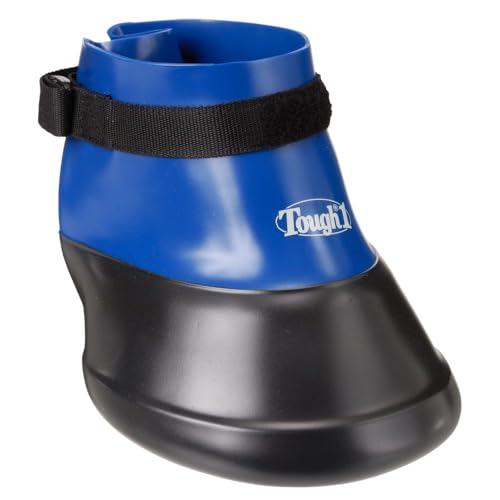
The small Tough 1 Hoof Saver Boot gives owners of ponies and smaller horses a simple way to cover a tender hoof. It can help protect a dressing, poultice, or sole from bedding and light debris. The flexible upper is less intimidating than a rigid performance boot. For a quiet horse in a stall, this type of boot can be a helpful comfort layer.
Small sizes need extra attention because a boot that is slightly too large may spin or fall off. Measure the actual hoof, then compare it with the maker’s size chart. I would remove the boot often to check the heel bulbs, pastern, and coronary band. Use it for short care periods unless a professional gives different instructions, since moisture and rubbing can create new problems.
Pros:
- Designed for smaller hooves
- Useful for dressings and poultices
- Flexible upper feels gentle in quiet use
- Easy to store as a spare
- Affordable option for basic hoof care
Cons:
- Limited use for active turnout
- Small hoof shapes still need exact measuring
- May not fit a wide pony hoof
My Recommendation
The small Tough 1 Hoof Saver is best for ponies, miniature horses, and small-footed horses that need temporary coverage. It is not a therapeutic plan by itself, but it can support comfort care when the hoof is protected and the horse stays calm. I would place it on a shortlist of the best hoof boots for laminitis for small horses needing a basic boot. Its low price also makes it a practical spare.
| Best for | Why |
|---|---|
| Small hooves | The size is aimed at smaller horses and ponies. |
| Stall care | It covers the hoof during quiet rest. |
| Budget backup | The simple design costs less than technical boots. |
How I Chose These Laminitis Hoof Boots
When I review hoof boots, I start with the horse’s comfort, not the marketing label. Laminitis can cause deep pain inside the hoof, so a boot must offer a stable base and enough room for the right pad. I also look at closure security, sole protection, moisture control, and how easy the boot is to inspect. A boot that takes two minutes to fit but rubs after ten minutes is not a good bargain.
Hoof shape matters just as much as size. A broad, round hoof may need a different boot from a narrow hoof with a long toe. Measure after the latest trim and repeat the process as the foot changes. I also separate products into three groups: daily protection boots, treatment boots, and comfort parts such as EVA pads.
This matters because not every product in a search for the best hoof boots for laminitis is intended for the same job. A soaking boot is not a turnout boot. A wedge pad is not a complete boot. A trail boot is not automatically safe for a horse in acute pain. Clear use limits help prevent a well-meaning owner from making a sore hoof worse.
What Makes the Best Hoof Boots for Laminitis?
The best hoof boots for laminitis should protect the sole while allowing the horse to stand and walk with less stress. A soft pad often matters more than a thick outer shell. The boot must hold that pad flat, without crowding the heel or pressing a damaged toe. I prefer a design that lets me remove it quickly for daily checks.
Fit is the main test. The boot should not spin, pinch, or lift at the heel when the horse takes a few steps. It should also leave enough room for an approved insert. Check for heat, sweat, red marks, and new reluctance to move. These signs mean the setup needs attention.
Weight and traction also matter. A very heavy boot may make each step tiring, while a smooth sole may slip on wet concrete. Look for a sole that gives grip without locking the hoof into an unnatural position. A calm, dry, level test area is safer than trying a new boot on a rocky trail.
Laminitis Safety Tips Before Using a Hoof Boot
Laminitis is a serious hoof condition, not a simple bruise. The horse may need an examination, pain control, dietary changes, hoof imaging, stall rest, or a special trim. Call a veterinarian promptly when you see a hot hoof, a strong digital pulse, a rocked-back stance, or sudden trouble walking. Do not wait for a boot to solve those signs.
Ask the farrier and veterinarian how the boot should be used. Some horses need a thick comfort pad, while others need a different support plan. A wedge can change loading, so never add one just because it seems soft or popular. Professional guidance is most important when the horse has rotation, sinking, a thin sole, or severe pain.
Introduce the boot slowly. Put it on for a short time while the horse stands on a clean surface. Remove it and inspect all contact points. Keep the hoof clean and dry, and do not leave a wet boot on for long periods unless the care plan specifically says so.
How to Measure for Horse Hoof Boots
Measure soon after a trim because hoof size can change during laminitis recovery. Clean the hoof first, then measure the widest part from side to side. Measure the length from the back of the heel to the end of the toe. Write down both numbers and compare them with the exact brand chart.
Do not guess from the shoe size or from another horse’s boot. Two horses with the same weight may have very different hoof shapes. If one measurement falls between sizes, ask the maker, farrier, or boot fitter before ordering. A large boot can twist, while a small boot can press the hoof wall.
After fitting, watch the horse walk on a level area. The boot should stay centered. Look at the hair and skin after the first short session. A clean fit is more important than buying the most expensive model on the market.
How to Use and Maintain Hoof Boots
Clean the hoof before each use. Remove packed mud, manure, and loose bedding from the sole and frog. Check the boot for grit, torn straps, cracked rubber, and worn tread. Small stones inside a boot can act like a sharp pebble under a bare foot.
Use a timer during the first few sessions. Start with a short period, then increase only if the horse stays comfortable and the skin remains clear. Remove the boot for regular hoof checks, even when the horse seems fine. Laminitis recovery can change the foot, so yesterday’s fit may not suit today’s hoof.
Rinse dirty boots and let them dry fully away from strong heat. Heat can damage rubber, foam, and synthetic parts. Keep pads clean and replace them when they flatten, tear, or develop an uneven shape. Good care helps a boot last longer and keeps the inside safer for the horse.
Common Buying Mistakes to Avoid
The first mistake is buying by breed or weight alone. Hoof dimensions and shape guide the fit. The second mistake is choosing a riding boot for a horse that needs stall comfort. A rugged trail sole may protect well, but it may not offer the soft support needed during acute pain.
Another mistake is adding too much padding. More foam does not always mean more comfort. Excess material can make the boot tight and increase pressure on the hoof wall. Add one change at a time, then monitor the horse.
Some owners also leave a boot on all day without checking it. That can lead to moisture, rubs, and skin damage. I treat a hoof boot like a bandage: useful, but it needs regular inspection. The best hoof boots for laminitis still require careful human attention.
FAQs Of Best Hoof Boots for Laminitis
Can hoof boots cure laminitis?
No. Hoof boots can reduce contact with hard ground and improve comfort, but they do not cure laminitis. A veterinarian and farrier should guide diagnosis, pain control, diet, rest, and hoof support.
Should a laminitic horse wear boots all day?
Only if the care team recommends it. Remove the boots often to inspect the hoof and skin. A wet, dirty, or rubbing boot can create more trouble.
Do I need pads inside laminitis hoof boots?
Many sore horses benefit from a suitable comfort pad, but the correct type depends on the hoof and treatment plan. Ask a farrier or veterinarian before using a wedge or thick insert.
Can my horse walk outside in hoof boots during laminitis?
Do not assume outdoor walking is safe. Acute cases may need strict rest and a controlled surface. Use a boot outside only after professional approval and start with a short, slow test.
How often should I replace a hoof boot pad?
Replace it when it becomes flat, torn, dirty, or uneven. Check it after each early use, since foam can compress faster under a heavy horse or on rough ground.
Final Verdict: Which Should You Buy?
For general protection, I would choose the Cavallo Simple Hoof Boot. It offers room for pads, a firm sole, and simple handling. The yeezo is best for soaking, while the Easyboot Trail and Equine Fusion suit later recovery work.
The best hoof boots for laminitis support a full care plan. Measure twice, inspect often, and follow veterinary and farrier advice for safer comfort.

Madison Clark is a footwear expert and the voice behind MyStyleGrid.com. She specializes in honest shoe reviews, style tips, and practical guides to help readers find the perfect pair for any occasion. With years of experience in blogging and content creation, Madison makes footwear knowledge simple, stylish, and easy to follow.