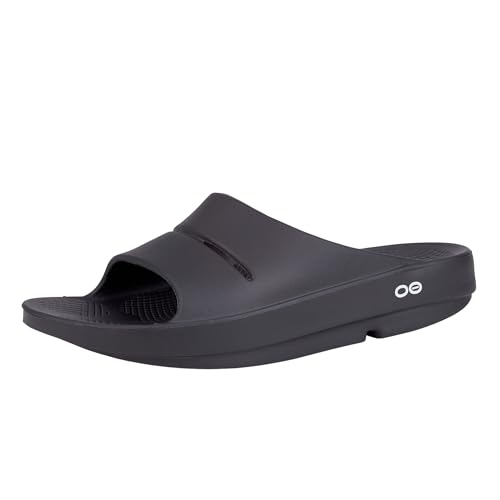
The best recovery sandals for plantar fasciitis combine firm arch support, soft cushioning, and a stable non-slip sole.
If your first steps in the morning feel like tiny nails under your heel, you are not alone. Plantar fasciitis can make a short walk to the kitchen feel much harder than it should. The right recovery sandal will not cure the condition, but it can reduce daily strain by supporting the arch and easing impact. I reviewed these options for comfort, fit, support, traction, and everyday use. I also looked for sandals that work after exercise, around the house, at the pool, or during long summer days.
KuaiLu Women’s Recovery Sandals, Green
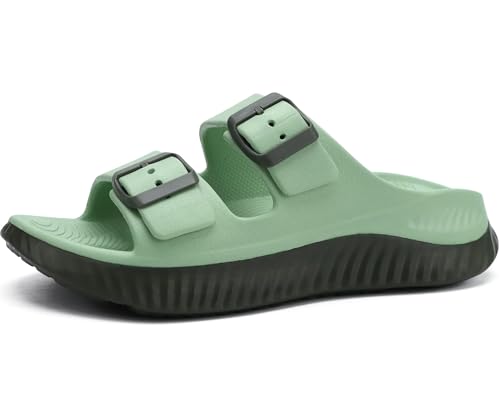
The KuaiLu women’s recovery sandal is a strong daily pick for anyone who wants a simple slide with noticeable arch support. Its open design makes it easy to put on after a workout or when your feet feel sore at home. The raised footbed helps spread pressure across more of the foot instead of letting the heel take every hit. The green color also gives this practical sandal a brighter look than many plain recovery slides.
I like this style for short walks, errands, and post-exercise wear. It offers the quick entry of a slipper but gives more structure than a flat flip-flop. The cushioned sole may feel especially helpful on hard floors, where barefoot walking can worsen heel pain. As with any sandal, fit matters, so check the size chart and allow enough room for your toes to rest naturally.
Pros:
- Supportive footbed helps reduce flat, unsupported steps
- Slip-on design saves time and effort
- Soft cushioning feels comfortable on hard floors
- Open construction promotes airflow in warm weather
- Bright green color adds a casual style option
- Useful for post-workout and home recovery
Cons:
- Open slides may not feel secure during fast walking
- Arch height may feel strong for users with low sensitivity
- One fixed color and size may limit buying choices
My Recommendation
I recommend this KuaiLu sandal for women who want an easy recovery slide with a supportive feel. It suits people with heel discomfort who spend time at home, run small errands, or need a quick shoe after exercise. It is not a replacement for medical care or a well-fitted walking shoe, but it offers useful support for casual use. Among the Best Recovery Sandals for Plantar Fasciitis, this is a practical choice when comfort and easy entry matter most.
shevalues Orthopedic Slides for Women

The shevalues orthopedic slide focuses on the needs that matter most for plantar fascia discomfort: arch support, cushioning, and easy wear. The broad slide shape gives the foot a relaxed feel without laces or straps to adjust. It can work well for people who want a sandal beside the bed for those painful first morning steps. The design also makes it useful as an indoor shoe, especially on tile, wood, or concrete floors.
In my view, this sandal has broad appeal because it does not ask the user to change a routine. You simply step into it and go. The supported footbed may help keep the heel and arch from working alone during light activity. I would still avoid using it for long hikes or demanding sports, since a slide cannot hold the foot like a closed athletic shoe.
Pros:
- Orthopedic-style footbed gives the arch more structure
- Easy slip-on shape works well for busy mornings
- Comfortable option for indoor and casual outdoor use
- Helps reduce the temptation to walk barefoot
- Light design feels simple and convenient
- Good match for users who dislike laces
Cons:
- Slides can move if the foot is narrow
- May not provide enough heel security for long walks
- Arch support may require a short break-in period
My Recommendation
I would choose the shevalues slide for women who need a supportive house sandal or an easy option for quick errands. It is especially helpful for people whose plantar fasciitis hurts more when they walk barefoot on hard surfaces. The simple design makes it easy to wear often, which is important because consistent support can matter more than occasional use. It is one of the Best Recovery Sandals for Plantar Fasciitis for home comfort and everyday convenience.
KuaiLu Women’s Recovery Slides, Black
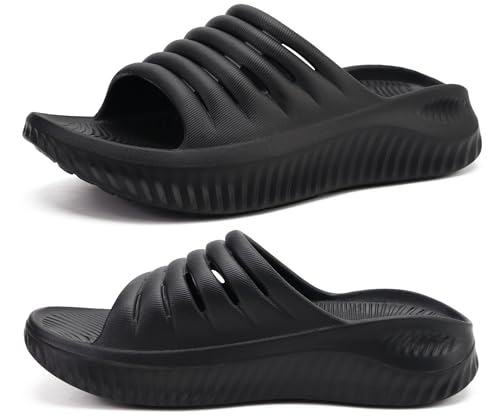
The black KuaiLu recovery slide is a versatile choice for women who want comfort without a sporty appearance. Black works with nearly any casual outfit, so this sandal can move from the kitchen to the porch and then to a quick store visit. Its supportive arch design gives the foot more guidance than a completely flat sandal. The thick-looking sole also creates a helpful buffer between the heel and hard ground.
This model makes sense for people who want one easy pair for daily recovery. I find slides most useful when they are placed where foot pain begins, such as beside the bed or near the back door. The open toe keeps the shoe airy, while the slip-on format reduces bending and fuss. Keep in mind that a loose slide can cause gripping with the toes, so a proper fit remains essential.
Pros:
- Neutral black color suits many casual outfits
- Arch support adds structure for daily standing
- Thick cushioning helps soften hard-floor contact
- Fast slip-on access is helpful during painful mornings
- Open toe allows better airflow
- Useful for home, travel, and light errands
Cons:
- Black material may show dust more than lighter colors
- Not ideal for uneven trails or vigorous activity
- Users with very wide feet should check the fit carefully
My Recommendation
This black KuaiLu slide is best for women who value a neutral look and dependable casual comfort. It suits people who need an indoor recovery sandal that can also handle short outdoor trips. I especially like it for users who want to stop walking barefoot but do not want a bulky shoe. For many shoppers comparing the Best Recovery Sandals for Plantar Fasciitis, this model offers a good balance of style, support, and daily use.
KuaiLu Women’s Recovery Slides, Purple

The purple KuaiLu recovery slide brings the same easy recovery concept in a more playful color. It has the kind of grab-and-go design that makes sense after a long shift, a workout, or a day spent on your feet. The arch support can help the foot feel less tired than it may in thin, flat sandals. The cushioned base gives each step a softer landing on common indoor surfaces.
I see this pair as a comfort-first option for users who enjoy a little color. Purple can make a recovery sandal feel less like a medical item and more like a normal part of a summer wardrobe. It is suitable for light walking and relaxed daily wear, but I would not use any loose slide for running or quick side-to-side movement. Plantar fascia pain can improve with support, yet new footwear should still be introduced slowly.
Pros:
- Colorful purple design looks less plain than basic slides
- Supportive arch can reduce the feel of unsupported steps
- Cushioned base offers comfort on firm floors
- Simple shape is easy to put on and remove
- Good airflow for warm weather use
- Helpful after exercise or long periods of standing
Cons:
- Color may not appeal to shoppers seeking a neutral sandal
- Slide design offers less security than an adjustable sandal
- May need careful sizing for a stable fit
My Recommendation
I recommend the purple KuaiLu slide for women who want recovery comfort with a brighter personal style. It is a good fit for home wear, poolside lounging, light errands, and post-workout use. Choose it if you prefer an open sandal and understand that recovery slides are not built for technical sports. It earns a place among the Best Recovery Sandals for Plantar Fasciitis because it combines simple wear with useful arch cushioning.
shevalues Women’s Arch Support Flip-Flops

The shevalues recovery flip-flop is made for shoppers who want the freedom of a toe-post sandal with more support than a flat beach flip-flop. That difference matters because thin, flexible soles often give the arch little help. The raised support under the foot may make casual summer walking feel more balanced. The open design is also convenient for vacation days, warm weather, and quick trips outside.
Flip-flops can be useful, but I always tell readers to use them with care when heel pain is active. A toe post may cause some people to grip with their toes, especially if the sandal is loose. For relaxed walking, this pair may offer a comfortable middle ground between a flat flip-flop and a closed shoe. Start with short periods and stop if the sandal increases pain instead of easing it.
Pros:
- Flip-flop style feels easy and familiar
- Arch support offers more structure than thin beach sandals
- Open design keeps feet cool in warm weather
- Light format works well for travel and vacations
- Easy to rinse and use near pools or outdoor areas
- Provides a more supported option for casual summer wear
Cons:
- Toe-post design may not suit everyone with foot pain
- Less secure than a closed shoe during longer walks
- Not the best choice for sports or uneven ground
My Recommendation
This shevalues sandal is best for women who strongly prefer flip-flops but need more support than a basic pair provides. It works for short, relaxed walks and warm-weather tasks. I would not make it the only shoe for severe plantar fasciitis, long workdays, or extensive sightseeing. Still, it is a useful option for shoppers seeking one of the Best Recovery Sandals for Plantar Fasciitis in a casual flip-flop shape.
GPOS Men’s Sport Recovery Sandals

The GPOS men’s sport recovery sandal is built around the needs of active users who want to rest their feet after training or long hours on the job. Its slide format makes it easy to wear after sports, gym sessions, or outdoor work. The arch support may help reduce the heavy, tired feeling that can follow repeated steps. Its sport-focused look also fits naturally with athletic clothing and casual shorts.
This type of sandal can serve as a useful second shoe for recovery. I would pack it in a gym bag, keep it by the entry door, or use it after wearing stiff work boots. The foot still needs a stable fit, so check that the heel does not slide off with each step. People with strong heel pain may appreciate the cushioning, but anyone with ongoing or severe symptoms should ask a qualified health professional for guidance.
Pros:
- Sporty design suits active men
- Arch support may ease post-activity foot fatigue
- Fast slip-on entry works well after exercise
- Useful second shoe for gym bags and travel
- Cushioned platform helps soften firm ground
- Open design allows airflow after sweaty activities
Cons:
- Slide format may not feel secure for fast movement
- Sport styling may not suit formal or dressy outfits
- Not a substitute for supportive athletic shoes
My Recommendation
I recommend GPOS for men who need a recovery slide after exercise, work, or long days in boots. It is particularly useful for active users who want a simple sandal with arch support rather than a thin lounge shoe. Keep it for recovery and casual use, not running or court sports. For men comparing the Best Recovery Sandals for Plantar Fasciitis, this is one of the more natural choices for an athletic lifestyle.
PIMIO Women’s Cushioned Recovery Slides

The PIMIO women’s recovery slide stands out for its focus on thick cushioning, arch support, and a non-slip design. That combination makes it appealing to anyone who feels the most pain while walking across hard floors. The lightweight slipper-like shape is easy to use in the morning, when the heel can feel stiff and tender. The simple slip-on build also works well for daily routines that require frequent entry and removal.
I consider a non-slip sole a valuable feature for home use, especially around smooth floors or slightly damp areas. Cushioning can make a step feel gentler, while arch support may help limit strain through the middle of the foot. However, softness alone is not enough; the sandal should still feel stable under the heel. This model is best introduced with short walks before you trust it for all-day wear.
Pros:
- Thick cushioning may soften painful first steps
- Arch support adds structure for home walking
- Non-slip design can improve confidence on smooth floors
- Lightweight feel reduces foot fatigue
- Easy slip-on shape is useful for daily routines
- Designed with all-day comfort in mind
Cons:
- Thick cushioning may feel less responsive to some users
- Indoor slipper styling may not suit every outfit
- Fit must be checked to prevent heel movement
My Recommendation
PIMIO is best for women who need a cushioned house sandal, especially if morning heel pain is a major concern. I also like it for people who worry about slipping on smooth indoor floors. It may be less appealing to shoppers who want a slim, dressy sandal, but its comfort features are practical. In the Best Recovery Sandals for Plantar Fasciitis category, this is a strong home-focused option.
KuaiLu Women’s Recovery Slides, Green

This green KuaiLu recovery slide offers a fresh look while keeping the main features shoppers expect from a recovery sandal. The raised arch area can help the foot feel more supported than it would in a flat sole. Its open slide shape makes it convenient for home use, casual walks, and relaxed summer plans. The green color gives it a sporty, outdoor-ready appearance without making it look like a technical hiking shoe.
I would consider this model for people who want a comfortable sandal that does not look overly medical. It can be helpful after a long day of standing, when the feet feel tired and the heel needs a softer surface. Like other recovery slides, it works best for steady walking rather than sudden turns or fast movement. Make sure the size leaves enough space at the front while keeping the sandal secure across the foot.
Pros:
- Fresh green color gives the sandal a casual outdoor look
- Arch support helps avoid a completely flat footbed
- Slip-on shape is convenient for regular use
- Useful after work, exercise, or long standing
- Open construction supports airflow
- Comfortable option for light everyday walking
Cons:
- Green color may not match every wardrobe
- Open slide design gives limited foot lockdown
- Not intended for running, hiking, or technical activity
My Recommendation
This green KuaiLu model suits women who want a casual recovery sandal with a little more color and personality. It is a good pick for light use after work, around the home, or during relaxed outdoor activities. Choose another shoe for demanding exercise or long uneven walks. It remains a worthwhile option among the Best Recovery Sandals for Plantar Fasciitis for shoppers who value arch support and simple daily wear.
How I Choose Recovery Sandals for Plantar Fasciitis
Plantar fasciitis involves irritation in the thick band of tissue that runs along the bottom of the foot. The plantar fascia helps support the arch, and repeated stress can cause heel pain. The American Academy of Orthopaedic Surgeons and other foot-care groups commonly point to support, stretching, activity changes, and suitable footwear as parts of conservative care. A sandal cannot fix every cause of pain, but it can change how the foot meets the floor.
When I review recovery sandals, I first look at arch support. A useful footbed should offer clear structure without forcing the arch into an uncomfortable position. Too little support may let the foot collapse inward, while too much pressure can feel like a hard lump. The best choice depends on your foot shape, arch height, and comfort level.
I also study cushioning. A soft sole can reduce the sharp feeling of each step, but the softest sandal is not always the best sandal. If the foot sinks too far, it may work harder to stay stable. I prefer cushioning that feels protective yet steady, like a firm pillow rather than a loose sponge.
Heel stability matters just as much. A recovery slide should not move so much that you grip it with your toes. Toe gripping can create more tension through the bottom of the foot. If a sandal slips, try a different size or shape instead of walking faster to keep it in place.
Traction is another key detail. A non-slip outsole can help on smooth indoor floors, patios, and pool areas. It cannot make every surface safe, so users should still slow down on wet ground. A sandal with a simple, stable sole is often more useful than one with a very soft but slippery base.
Finally, I consider how likely you are to wear the sandal. A supportive shoe that stays in the closet has little value. Slip-on recovery sandals work well because they are easy to keep near the bed, sofa, gym bag, or back door. That convenience can help replace barefoot steps with more supported ones throughout the day.
Important Features to Check Before Buying
Start with the size chart, not only your usual shoe size. Sandal sizing can vary by brand and shape. Measure both feet if possible and use the larger foot as your guide. Your heel should sit on the footbed, and your toes should not hang over the front.
Look at the width and upper design. A wide upper may feel better for swollen feet, but it should not let the foot slide from side to side. If your feet are narrow, a loose slide may cause toe gripping. If your feet are wide, a tight upper can create pressure and make walking less pleasant.
Think about where you will wear the sandals. A home sandal needs comfort and floor grip. A post-workout sandal should feel easy to clean and roomy enough for warm feet. A vacation sandal needs light weight, easy packing, and enough support for short walks.
Do not judge comfort by softness alone. A supportive recovery sandal should feel balanced under the heel and arch. If it creates sharp pain, numbness, or strong pressure, stop wearing it. Comfort should improve as you walk, not become a new problem.
How to Use Recovery Sandals Safely
Wear new sandals for short periods at first. Try 15 to 30 minutes around the house. This gives your feet time to adjust to the arch shape and cushioning. If your pain increases, remove them and reassess the fit.
Use recovery sandals for easy movement, not every activity. Slides and flip-flops are not ideal for running, court sports, steep trails, or long fast walks. For those tasks, a supportive athletic shoe with a secure upper is usually a better choice.
Pair footwear with other basic care steps. Gentle calf and plantar fascia stretches may help some people. Rest from activities that trigger pain, and consider ice after activity if a health professional has advised it. A physical therapist or podiatrist can help when home changes do not bring relief.
Seek medical advice if heel pain is severe, lasts for several weeks, causes major walking problems, or follows an injury. Also ask for help if you notice swelling, numbness, redness, or pain that spreads beyond the heel. The right sandals can support comfort, but they should not delay proper care.
Best For Comparison
| Best for | Why |
|---|---|
| Best overall daily slide | KuaiLu women’s black recovery slides offer a neutral look, arch support, cushioning, and easy wear. |
| Best for home cushioning | PIMIO combines a thick cushioned footbed with arch support and a non-slip design for indoor use. |
| Best for active men | GPOS sport recovery sandals suit men who want a simple post-workout or after-work slide. |
Care and Fit Tips for Longer Use
Keep recovery sandals clean and dry. Sweat, dust, and skin oils can build up on the footbed and change how it feels. Follow the care directions from the maker, and avoid high heat unless the product instructions allow it. Heat can change the shape of foam or other soft materials.
Check the sole from time to time. If the tread looks smooth, traction may have dropped. If the footbed has developed a deep permanent dip, the sandal may no longer support your foot in the same way. Replacing worn footwear can be cheaper than letting poor support keep irritating the heel.
Use socks if the material causes rubbing. Thin socks can reduce friction while your feet adjust. Blisters, hot spots, or skin irritation are signs that the fit or material may not work for you. No product deserves a painful break-in period.
Place the sandals where you will use them. A pair beside the bed can help with first steps. Another pair near the door can prevent barefoot walking to the mailbox or car. This small habit can make supportive footwear part of your normal routine.
FAQs Of Best Recovery Sandals for Plantar Fasciitis
Do recovery sandals cure plantar fasciitis?
No. Recovery sandals may reduce strain and improve comfort, but they do not cure every cause of plantar fasciitis. Use them with suitable activity, stretching, and medical advice when needed.
Should plantar fasciitis sandals have firm or soft soles?
A balanced sole usually works best. Cushioning can reduce impact, while firm structure helps keep the foot stable. Extremely soft or completely flat soles may not provide enough support.
Can I wear recovery slides all day?
You may be able to wear them for casual daily use if they fit well and do not increase pain. Avoid using loose slides for long, fast walks or demanding activities.
Are flip-flops good for plantar fasciitis?
Basic flat flip-flops often provide little support. An orthopedic-style flip-flop with arch support may work for short, relaxed use, but it may not suit every foot or every level of pain.
When should I see a doctor for heel pain?
Seek care when pain is severe, lasts for several weeks, follows an injury, or causes trouble walking. Numbness, swelling, redness, or spreading pain also deserve professional attention.
Final Verdict: Which Should You Buy?
For most women, I would start with the KuaiLu black recovery slides because they blend arch support, cushioning, easy wear, and a neutral look. PIMIO is better for home cushioning, while GPOS is my pick for active men.
The Best Recovery Sandals for Plantar Fasciitis should feel stable, supportive, and easy to wear. Choose the pair that matches your foot shape, routine, and pain level.

Madison Clark is a footwear expert and the voice behind MyStyleGrid.com. She specializes in honest shoe reviews, style tips, and practical guides to help readers find the perfect pair for any occasion. With years of experience in blogging and content creation, Madison makes footwear knowledge simple, stylish, and easy to follow.