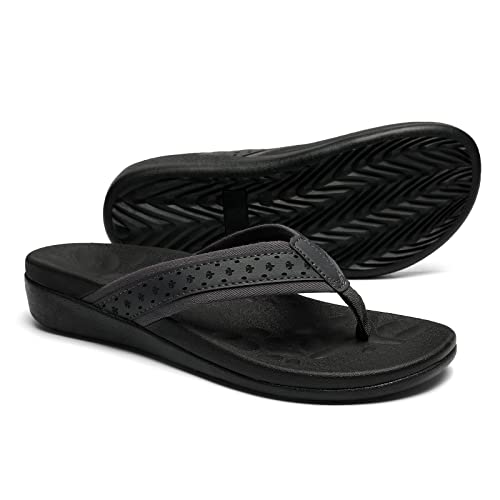
The best sandals for knee arthritis offer steady support, soft cushioning, adjustability, and a secure, non-slip sole.
A short walk can feel much harder when knee arthritis turns each step into a sharp reminder. The right sandal cannot cure arthritis, but it can reduce foot strain and help you walk with better balance. I look for a supportive footbed, a stable sole, easy straps, and enough room for tender or swollen feet. After comparing comfort features, walking needs, and everyday value, I found several strong options for home use, errands, travel, and warm-weather walks. The key is choosing a sandal that supports your whole lower body, not just your feet.
Orthopedic Wide Sandals for Arthritis

This wide orthopedic sandal is built for women who need room, support, and easy adjustment. The open design can feel less tight than a closed shoe during warm weather. Hook-and-loop straps make it easier to set the fit without bending too much or tying laces. That small detail matters when arthritis affects hand strength or knee movement.
The cushioned footbed aims to support common foot problems such as plantar fasciitis, heel pain, and high insteps. A stable athletic sole may also help create a more confident step on walks or errands. I like the practical design for people who want one sandal for daily use rather than a delicate summer shoe. Still, comfort depends on correct sizing and on how much arch support your feet need.
Pros:
- Wide shape gives toes more space
- Adjustable straps help with swelling
- Orthopedic design supports daily walking
- Useful for high insteps and tender feet
- Rubber-style sole can improve outdoor traction
- Open design helps keep feet cool
Cons:
- The sporty look may not suit dressy outfits
- Some users may need extra insole support
- Wide sizing should be checked carefully before ordering
My Recommendation
I recommend this sandal for women with wide feet, swollen feet, or a high instep who need an adjustable walking shoe. It is one of the most practical choices among the best sandals for knee arthritis because it combines room with a more active sole. It suits errands, light hikes, travel, and long summer days. Buyers should confirm the size chart and begin with short walks to test the fit.
BYRIVER Acupressure Massage Sandals
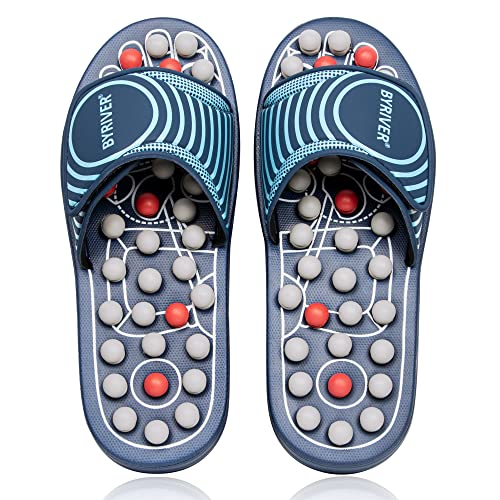
BYRIVER acupressure sandals take a very different approach. Instead of a smooth comfort footbed, they use raised massage points under the feet. The goal is to provide pressure during short periods of wear, which some people enjoy after standing or walking. They work more like a foot massage tool than a normal walking sandal.
I would treat these as a home recovery product, not as a replacement for supportive outdoor footwear. The pressure can feel intense at first, so gradual use is important. Start with a few minutes while holding a counter or chair for balance. People with reduced sensation, diabetes, open sores, poor circulation, or nerve problems should ask a health professional before using pressure-point footwear.
Pros:
- Raised points provide a massage-like feel
- Can be used at home without a separate device
- Easy slip-on design
- May feel soothing after long periods of standing
- Compact and simple to store
- Useful for people who enjoy firm foot pressure
Cons:
- Not designed for long-distance walking
- Massage points may feel too sharp for sensitive feet
- Limited stability compared with orthopedic walking sandals
My Recommendation
This pair is best for someone who wants short, controlled foot massage at home. It may suit users who like strong pressure and want to relax their feet after a busy day. I would not rank it as the main choice for knee arthritis walks because comfort and balance are more limited. Its value comes from its massage function, not from all-day orthopedic support.
MEGNYA Cushioned Walking Sandals

MEGNYA’s cushioned walking sandal focuses on light comfort for warm-weather activity. Its arch support and padded footbed may help reduce the tired feeling that builds during errands or casual walks. The rubber sole adds a useful layer of grip for common indoor and outdoor surfaces. The washable design is also handy for summer days when sandals collect dust or sweat.
This sandal has a simple shape, so it can work with shorts, casual pants, or relaxed travel clothes. It may be a better fit for people who want comfort without the bulk of a heavy orthopedic shoe. The open toe gives the foot more air, while the supportive sole helps create a steadier base. As with any sandal, I suggest checking whether the arch position matches your own foot before wearing it for several hours.
Pros:
- Cushioned footbed supports everyday comfort
- Arch support may reduce foot fatigue
- Lightweight design is easy to wear
- Washable material suits active summer use
- Rubber sole offers practical traction
- Good choice for casual walks and errands
Cons:
- May not provide enough support for severe instability
- Arch shape may not fit every foot
- Casual styling has limited formal use
My Recommendation
I recommend these sandals for women who want a light, washable pair for daily summer activity. They are among the best sandals for knee arthritis for casual users who need cushioning but do not want a rigid design. They work well for short walks, shopping, vacations, and time around the house. Buyers with serious balance problems may prefer a sandal with more structured straps.
MEGNYA Dressy Memory Foam Sandals

Many supportive sandals look too sporty for dinners, events, or summer gatherings. This MEGNYA style aims to solve that problem with a dressier shape and a memory foam footbed. The soft footbed may help cushion each step when a hard floor makes the knees feel worse. A strap helps keep the sandal in place instead of letting the foot slide forward.
I see this as a comfort-first option for light social use rather than demanding trail walks. Its lightweight build may help people who tire quickly in heavy footwear. The open design works well in warm weather, and the blue finish adds a little style without using a tall heel. If knee pain comes from poor balance, look for a low, stable sole and avoid using any sandal that feels loose.
Pros:
- Memory foam adds soft step-in comfort
- Dressier look suits social occasions
- Lightweight design reduces foot fatigue
- Strap helps improve foot hold
- Open style keeps feet cooler
- May suit users with mild plantar or heel discomfort
Cons:
- Less suited to rough outdoor terrain
- Soft foam may compress with heavy daily use
- Not a full replacement for medical orthotics
My Recommendation
This sandal is best for women who need a nicer-looking option for dinners, visits, and low-impact events. It is a smart pick when you want the comfort features found in the best sandals for knee arthritis without wearing a hiking-style shoe. I would pair it with a more stable walking sandal for long outings. Overall, it offers useful value for occasional dressy comfort.
Reflexology Massage Sandals for Home
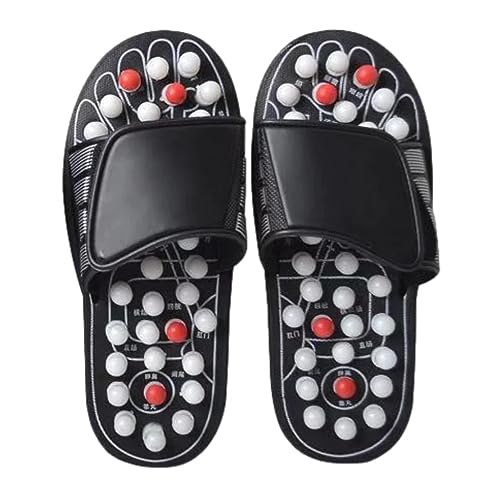
These reflexology sandals use pressure points to create a firm massage effect beneath the feet. The design may appeal to people who enjoy foot stimulation after a long day. The larger size range can help couples or families find a suitable fit. They are easy to slide on when you want a few minutes of pressure without setting up a massage mat.
These are not standard comfort sandals, and that difference deserves attention. The raised points can be hard to tolerate if your feet are tender, swollen, or numb. I recommend standing near a stable surface and using them only for a short time at first. They may help with relaxation, but they should not replace treatment for knee arthritis, nerve pain, or circulation problems.
Pros:
- Provides firm pressure-point stimulation
- Works as a simple home massage tool
- Slip-on shape makes use quick
- Large size option supports more users
- Can be shared as a gift or household item
- Easy to keep in a bedroom or living room
Cons:
- Pressure may feel painful at first
- Not suitable for long walks
- Users with numb feet need medical guidance
My Recommendation
I recommend these reflexology sandals only for people who understand that they are massage tools. They may suit healthy feet that enjoy firm pressure and short home sessions. They are not my first choice for the best sandals for knee arthritis because knee support requires stability, cushioning, and secure walking control. Their value is strongest as an occasional relaxation aid.
BYRIVER Reflexology Acupuncture Slides
BYRIVER’s reflexology slides are made for users who want strong foot pressure in a simple slide format. The massage points target areas under the arch, heel, and forefoot. Some people find this sensation relaxing, while others need time to adjust. The open slide makes them quick to put on around the house.
I would use these with care because the sole does not provide the same smooth cushioning as an orthopedic walking sandal. They can feel unstable if you rush, climb stairs, or walk on uneven ground. Begin with a short session and stop if the pressure causes lasting pain, skin irritation, or numbness. People with diabetes, neuropathy, or circulation concerns should seek professional advice before use.
Pros:
- Strong massage feel for pressure-point fans
- Easy slide-on construction
- Targets arch and heel areas
- Useful for short indoor sessions
- Small design is easy to store
- May help users relax tired feet
Cons:
- Not suitable as an all-day walking shoe
- Firm points may irritate sensitive skin
- Offers limited knee-focused stability
My Recommendation
This product is best for adults who want an occasional massage slide and already know they tolerate firm pressure. It is not the right choice for a person who needs soft cushioning, strong traction, or reliable balance support. For that reason, I would place it behind traditional orthopedic sandals for knee arthritis. It remains a useful low-cost add-on for careful home use.
MEGNYA PU Leather Support Sandals

This MEGNYA sandal blends a more polished PU leather look with everyday comfort features. The arch support may help take some load away from tired feet during light activity. Its lightweight build is useful for people who dislike thick or heavy shoes. The gray color also makes it easy to wear with many casual outfits.
The sandal is aimed at users who want one pair for errands, visits, and normal summer days. It may help people with mild heel pain when the fit is secure and the sole feels stable. I would not choose it for steep trails or long hikes, since a casual sandal cannot match a technical walking shoe. Check the strap placement and toe room before committing to extended wear.
Pros:
- More polished look than many athletic sandals
- Arch support helps reduce foot tiredness
- Lightweight for daily wear
- Versatile gray color
- Useful for casual occasions
- May support mild heel discomfort
Cons:
- PU leather may feel warm in hot weather
- Not designed for demanding outdoor use
- Support may not satisfy severe arthritis needs
My Recommendation
I recommend this pair for women who want a casual, neat sandal with some arch support. It fits the needs of shoppers looking for the best sandals for knee arthritis for simple daily tasks rather than intense exercise. It can serve well for shopping, appointments, and relaxed walks. Its overall value is strongest when style and light support matter equally.
Adjustable Memory Foam Diabetic Sandals

This adjustable sandal is designed for women who need a soft, roomy house shoe or casual slide. Its memory foam footbed can feel gentle under the feet, while the heel cup may help keep the foot from moving too much. Hook-and-loop adjustment is helpful when swelling changes throughout the day. The open toe also leaves more space around sensitive toes.
A non-slip rubber sole makes this style more useful around the home than a smooth slipper. I like it for morning routines, kitchen work, and short trips outside. The fuzzy upper may feel cozy, but it can become warm during peak summer weather. Since diabetic footwear needs careful fit and inspection, users with diabetes should follow their clinician’s advice and check their feet often.
Pros:
- Memory foam provides soft cushioning
- Adjustable closure accommodates swelling
- Heel cup can improve foot positioning
- Non-slip rubber sole suits indoor floors
- Open toe gives extra toe room
- Comfortable for home and short errands
Cons:
- Fuzzy material may feel too warm in summer
- Not ideal for long outdoor walks
- Users with diabetes must check fit and skin often
My Recommendation
This pair is best for women who need a cozy, adjustable sandal for home use or short outings. It is a strong comfort pick among the best sandals for knee arthritis when soft cushioning and easy adjustment are the main goals. It may also suit people with mild edema, but it cannot replace prescribed diabetic footwear. Choose a secure fit and inspect the sole before each walk.
How I Choose Sandals for Knee Arthritis
Good sandals for knee arthritis start with the foot, but their benefits can travel up the whole leg. When a sandal lets the foot roll or slide, the knee may work harder to keep the body steady. A stable base can help you feel more balanced. It can also make short walks feel less tiring.
I look for a footbed that feels supportive without creating a hard pressure spot. Arch support should meet the arch, not press sharply into it. Cushioning should soften contact, but too much soft foam can feel unstable. The best design depends on your feet, your gait, and the type of pain you feel.
Support and Alignment
Arthritis pain can worsen when your foot lacks support. A sandal with a shaped footbed may help guide the foot into a more natural position. This does not correct every walking problem, and it does not treat joint disease. It simply gives the foot a better platform from which to move.
If you use custom orthotics, check whether the sandal accepts them. Many open sandals do not. In that case, choose a built-in footbed that feels comfortable during a short test walk. Stop using any pair that causes new pain in the arch, ankle, hip, or knee.
Cushioning Without Too Much Softness
Foam can feel wonderful when your feet hit a hard floor. It acts like a small shock pad under each step. Yet a very soft sole may allow the foot to wobble. That wobble can make balance harder, especially when knee arthritis already affects confidence.
I prefer moderate cushioning with a firm, stable base for outdoor walking. Memory foam works well for light use and home comfort. A more structured athletic sole usually works better for longer walks. Think of cushioning as a pillow, but stability as the bed beneath it; you need both.
Adjustability and Swelling
Feet often swell after heat, standing, travel, or activity. Fixed straps may feel fine in the morning and tight by evening. Adjustable hook-and-loop straps allow you to change the fit as your feet change. They also help users who find buckles and laces hard to manage.
Do not make the straps so loose that your toes must grip the footbed. That habit can affect your stride and create fatigue. The sandal should hold the foot without squeezing it. Make sure the heel does not slide off when you take a normal step.
Traction and Walking Safety
A non-slip sole matters because a sudden slip can stress the knees and cause a fall. Look for visible tread and a sole that bends at the front but does not twist like a soft sheet. Test new sandals on a clean, dry floor first. Then try them outdoors only after you feel secure.
Even the best sandals for knee arthritis cannot make every surface safe. Wet tile, loose gravel, and steep slopes still need care. Take shorter steps when the ground feels uncertain. A walking pole or handrail may add more safety than footwear alone.
Toe Room and Skin Comfort
Your toes should have room to spread without touching the front edge. Tight straps can create hot spots, blisters, and pressure marks. This matters even more for people with sensitive skin or reduced sensation. Check your feet after wearing new sandals for the first few days.
Look for smooth seams and soft strap edges. A breathable upper can reduce heat, but open shoes still expose the skin to sun and dust. Wear sunscreen on exposed feet and avoid wearing sandals over cuts or sores. Comfort starts with prevention.
What “Orthopedic” Really Means
The word “orthopedic” appears in many product listings, but it does not guarantee medical approval or a perfect fit. Read the actual features instead. Check for arch support, heel stability, adjustability, cushioning, and traction. Those details tell you more than the label.
Marketing claims about pain relief should also be viewed with care. Sandals may improve comfort, but they do not cure knee arthritis. If pain, swelling, warmth, or weakness gets worse, contact a qualified health professional. A podiatrist or physical therapist can assess your gait and footwear needs.
Best Features at a Glance
| Best for | Why |
|---|---|
| Wide or swollen feet | The adjustable orthopedic hiking sandal offers room and a secure custom fit. |
| Daily casual walking | The MEGNYA cushioned sandal balances light weight, arch support, and a washable design. |
| Home foot massage | BYRIVER and reflexology slides provide firm pressure for short, careful sessions. |
How to Get the Right Size
Start with the seller’s size chart rather than assuming your usual size will fit. Measure both feet at the end of the day, when swelling is more likely. Use the larger foot as your guide. Wear the type of socks you expect to use, if the sandal allows socks.
Your heel should sit inside the heel area without hanging over the edge. Your toes should not extend past the front. Walk for several minutes on a clean indoor surface and notice whether your foot slides. A sandal that feels fine while sitting may fail once you move.
Width matters as much as length. If your toes feel crowded, do not hope the straps will solve the problem. Choose a wide model or an adjustable design. If your foot moves side to side, tighten the strap slightly or choose a more structured style.
Care Tips for Longer Sandal Life
Clean sandals based on the material. A washable textile sandal may handle mild soap and air drying, while PU leather usually needs a damp cloth. Avoid strong heat because it can warp foam and weaken adhesives. Let the footbed dry fully before wearing the pair again.
Inspect the tread every few weeks. A smooth sole has less grip and may increase fall risk. Check straps for fraying and look for compressed foam. Replace sandals when the footbed tilts, the sole cracks, or the heel no longer stays secure.
When to Ask a Health Professional
Footwear can support comfort, but it cannot explain every type of knee pain. Seek medical advice if your knee suddenly swells, locks, gives way, or becomes hot and red. New numbness, tingling, or weakness also deserves attention. Do not use massage-point sandals over damaged or numb skin.
A clinician can also help if one leg hurts more than the other. Uneven wear may point to a gait issue, leg-length difference, or foot problem. A physical therapist may suggest exercises, a cane, or a better walking plan. The right sandal works best as one part of a larger care routine.
FAQs Of Best Sandals for Knee Arthritis
Can sandals help with knee arthritis pain?
Supportive sandals may improve comfort by giving the feet a steadier base. They may also reduce foot fatigue during walking. However, sandals do not cure arthritis or repair damaged joints. Choose footwear based on comfort, stability, and fit.
What type of sandal is best for arthritic knees?
Look for a stable sole, moderate cushioning, arch support, secure straps, and enough toe room. Adjustable sandals are useful when feet swell. Avoid loose slides for long walks if they make you grip with your toes.
Are acupressure sandals safe for arthritis?
They may be safe for some people during short sessions, but they are not regular walking sandals. The pressure points can hurt sensitive feet. People with diabetes, neuropathy, poor circulation, or open sores should ask a health professional before use.
Should I choose soft or firm sandals?
A balanced sandal is usually better than one that feels extremely soft or hard. Soft foam can cushion impact, while a firmer base can improve stability. Your foot should feel supported, not trapped or wobbly.
How long should I wear new arthritis sandals?
Start with 15 to 30 minutes indoors. Check your feet and knees for pressure, rubbing, or new pain. Increase wear time slowly only when the sandal feels secure and comfortable.
Final Verdict: Which Should You Buy?
The wide orthopedic hiking sandal is my top choice for most users because it offers room, adjustment, support, and a stable walking sole. The MEGNYA cushioned sandal is a close pick for lighter daily use.
The best sandals for knee arthritis should fit your feet, walking style, and health needs. Choose comfort and stability first, then add style and special features.

Madison Clark is a footwear expert and the voice behind MyStyleGrid.com. She specializes in honest shoe reviews, style tips, and practical guides to help readers find the perfect pair for any occasion. With years of experience in blogging and content creation, Madison makes footwear knowledge simple, stylish, and easy to follow.