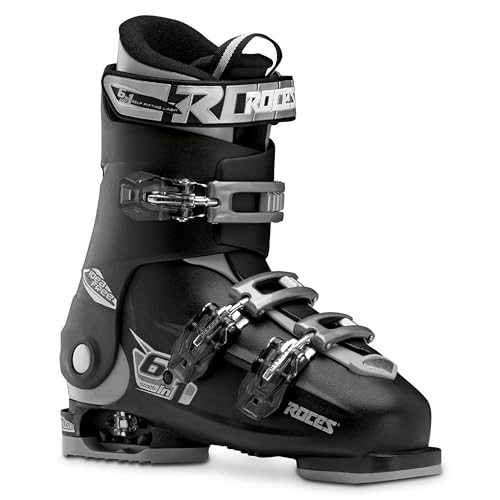
The best ski boots for flat feet combine a roomy fit, steady heel hold, and strong support without painful arch pressure.
Flat feet can make a ski day feel harder than it should. Your arches may ache, your heels may lift, and your feet may go numb inside a tight shell. I understand that battle because ski boots leave little room for error. The right boot, liner, insole, or small fit aid can turn a stiff, painful setup into a warm and controlled one. Below, I review several practical options for 2026, including high-volume ski boots, women’s boots, low-arch insoles, shims, and simple accessories that help create a better fit.
Rossignol EVO 70 HV+ Ski Boots

The Rossignol EVO 70 HV+ is one of the strongest choices here for skiers who need extra room. The “HV” design points to a high-volume fit, which can help flat feet that spread under pressure. Its softer 70-flex rating also feels less harsh for beginners and relaxed all-mountain skiers. I like this style because it gives the foot space without forcing the shell into a painful, narrow shape.
The boot still needs a proper fit, but its forgiving build makes that process easier. A flat-footed skier can pair it with a low-arch insole and gain better foot contact across the entire base. The result should feel more stable than a loose, unsupported rental boot. For many users searching for the best ski boots for flat feet, this is a sensible starting point because comfort and control stay in balance.
Pros:
- High-volume shell offers useful forefoot room
- 70-flex design feels friendly for new skiers
- Good choice for relaxed all-mountain use
- Works well with supportive ski insoles
- Roomy fit may reduce side-wall pressure
- Rossignol is a well-known ski equipment brand
Cons:
- Soft flex may feel limited for aggressive skiers
- High volume can feel loose on narrow feet
- Still requires careful sizing and heel testing
Sidas 3Feet Low-Arch Ski Insoles

The Sidas 3Feet low-arch insole is not a ski boot by itself, but it may solve the issue that causes many flat-foot problems. It is shaped for low arches and uses an EVA shell for support. That shell helps spread pressure rather than letting the middle of the foot collapse against the boot liner. The insulated design also makes sense for cold chairlift rides and long winter sessions.
I would consider this insole with a roomy boot such as the Rossignol EVO 70 HV+. A good insole should support the foot without creating a hard bump under the arch. This model targets low-arch feet, so it has a better chance of feeling natural than a tall, generic arch insert. It can also improve heel stability by giving the foot a more level platform inside the shell.
Pros:
- Designed specifically for low-arch feet
- EVA shell adds structure under the foot
- Insulation helps reduce cold-foot discomfort
- Can improve pressure distribution in ski boots
- Useful upgrade for rental or older boots
- May help limit foot collapse during turns
Cons:
- It cannot correct a boot that is the wrong size
- May reduce interior space in a snug shell
- Some skiers may need custom orthotics instead
Rossignol EVO 70 HV+ Black Ski Boots
This second Rossignol EVO 70 HV+ listing presents the same useful boot model in another Amazon listing. I include it because availability, sizes, and seller stock can vary. The high-volume shape remains the main attraction for flat-footed skiers who dislike tight shells. Its moderate flex also avoids the demanding feel of a stiff race boot.
In use, the main question is not only whether the boot feels wide. I also check if the heel stays planted when I bend my knees and pressure the tongue. The EVO 70 HV+ can work well when the skier uses the right sock, a low-profile insole, and a snug but not painful buckle setting. This makes it a practical contender among the best ski boots for flat feet for casual and intermediate users.
Pros:
- Roomy high-volume design suits broad feet
- Comfortable flex for learning and cruising
- Simple choice for recreational downhill skiing
- Pairs well with low-arch support inserts
- May reduce pressure around the midfoot
- Multiple listings may improve size availability
Cons:
- Not ideal for highly aggressive skiing
- Could feel too roomy without an insole
- Amazon stock and sizing may change
Boxum Ski Boot Shims

Boxum ski boot shims are small inserts that can make a surprisingly large difference. These 1/8-inch polyester pieces reduce extra space inside a boot. That matters when a skier has a roomy shell but still experiences heel lift. Flat feet often spread and move inside a boot, so a small volume adjustment can improve contact without crushing the arch.
I see these shims as a fit tool, not a replacement for a proper boot. They can help fine-tune a high-volume boot after the skier has selected the right length and width. Place them only where the fit specialist or product directions suggest, then test the boot with normal ski socks. A little adjustment can feel like tightening a loose glove, but too much material can create pressure points.
Pros:
- Helps reduce unwanted space inside a ski boot
- Useful for controlling heel movement
- Thin 1/8-inch profile allows small adjustments
- Lightweight polyester construction is practical
- Can improve fit without buying new boots
- Helpful for skiers between shell volumes
Cons:
- Does not add true arch support
- Incorrect placement may cause hot spots
- Best used after basic sizing is correct
Boxum Ski Boot Heel Lift Inserts

The Boxum heel lift inserts add a 3/8-inch lift beneath the heel. Some skiers use a heel lift when the rear of the foot moves too much or when the boot feels too long inside. The cushioned design may also make a hard liner feel less sharp under the heel. This is a focused solution for fit problems that arch insoles alone do not always solve.
However, I would use a heel lift with care. Raising the heel changes the foot’s position and may affect the way the leg meets the boot cuff. It can help one skier and feel strange to another. Start with a short indoor test, then take a careful run before using it for a full day. When it works, it can give flat-footed skiers a more secure base and reduce the urge to over-tighten the buckles.
Pros:
- Helps reduce heel lift inside loose boots
- Provides 3/8-inch cushioned elevation
- May improve rear-foot security
- Useful for certain long or high-volume boots
- Can reduce buckle pressure on the lower foot
- Simple and affordable fit experiment
Cons:
- Changes ankle and leg position
- May not suit every skier or boot shape
- Too much lift can create new pressure
Rossignol Kelia 50 Women’s Ski Boots

The Rossignol Kelia 50 is a women’s downhill ski boot made for skiers who value comfort and manageable flex. Its softer feel can help beginners avoid the rigid, tiring sensation of an advanced boot. Women’s boots often use a different cuff and shell shape, which may provide a more natural fit around the lower leg. For a flat-footed skier, that comfort can make it easier to maintain a relaxed stance.
This boot is best for resort skiing, gentle runs, and steady skill building. It may work especially well when matched with a low-arch insole that supports the foot without taking away toe room. I would not choose it for high-speed carving or demanding off-piste use without checking the flex and fit first. Still, it deserves attention from women who want an accessible option among the best ski boots for flat feet.
Pros:
- Women-specific design may improve cuff comfort
- Soft 50 flex suits beginners and casual skiers
- Comfort-focused feel for resort days
- Works well with a supportive low-arch insole
- Less tiring than many stiff performance boots
- Good option for learning basic ski control
Cons:
- Soft flex may limit advanced performance
- May not suit very wide feet
- Requires careful testing around the calf and heel
Rossignol Kelia 50 Black and White
This Kelia 50 listing offers another buying path for the same women’s boot. That can be useful when sizes or color options vary between listings. The boot focuses on simple downhill comfort instead of race-level stiffness. Its softer flex gives new skiers room to learn without fighting a demanding shell.
Flat feet need support, but they also need space to spread naturally. I would first confirm the correct shell length, then add a low-arch insole if the stock footbed feels flat or thin. The Kelia 50 can be a comfortable setup for short trips, lessons, and groomed trails. If you ski hard or need a very wide forefoot, ask a boot fitter to check the shell before buying.
Pros:
- Comfortable option for newer women skiers
- Gentle flex supports easy resort turns
- Women-specific cuff may improve lower-leg fit
- Simple design is easy to learn in
- Can accept a suitable aftermarket footbed
- Second listing may offer useful size access
Cons:
- Not built for aggressive expert skiing
- Stock support may feel basic for flat feet
- Color and size availability can change
SIDAS 3Feet Warm Medium-Arch Insoles

The SIDAS 3Feet Warm model targets medium arches, so it is not the first insert I would choose for a truly low arch. Still, some people describe their feet as flat while they actually have a low or flexible medium arch. This insole can offer a useful middle ground. Its EVA shell adds support, and the warm construction suits cold-weather ski use.
I recommend checking the arch height before placing this inside a ski boot. If the support sits in the right spot, it can help the foot stay aligned and reduce fatigue. If the arch feels poked or lifted, switch to the low-arch Sidas model instead. Insole comfort is personal, and the best ski boots for flat feet often need the right footbed more than a different buckle system.
Pros:
- Warm design suits winter sports
- EVA shell provides useful foot structure
- May fit flexible low-to-medium arches
- Can improve pressure spread under the foot
- Useful upgrade over thin stock footbeds
- Designed with skiing and winter use in mind
Cons:
- May feel too high for very flat feet
- Incorrect arch height can cause discomfort
- May take up extra boot volume
Nordica The Cruise Men’s Ski Boots

Nordica The Cruise is designed around comfort, making it a strong candidate for men who find traditional alpine boots too restrictive. The listed 31.5 size is large, so shoppers must confirm their own mondo size before ordering. Its comfort-fit approach may provide more room for the foot and lower leg. That extra space can help skiers who feel cramped across the instep.
A roomy boot still needs control. I would check heel hold, toe contact, and shin comfort while standing in a ski stance. Flat feet often benefit from a supportive insole inside this type of comfort shell. The Nordica can be a good fit for leisurely resort skiing, beginners, and older skiers who prefer warmth over race-level response.
Pros:
- Comfort-fit design is friendly for new skiers
- May offer more room through the instep
- Useful for relaxed all-mountain resort skiing
- Comfort focus can reduce early foot fatigue
- Can pair with an aftermarket support footbed
- Established alpine ski boot brand
Cons:
- Listed size may not suit most shoppers
- Comfort fit can feel loose on narrow feet
- May lack the response experts expect
Ski and Snowboard Boot Horn
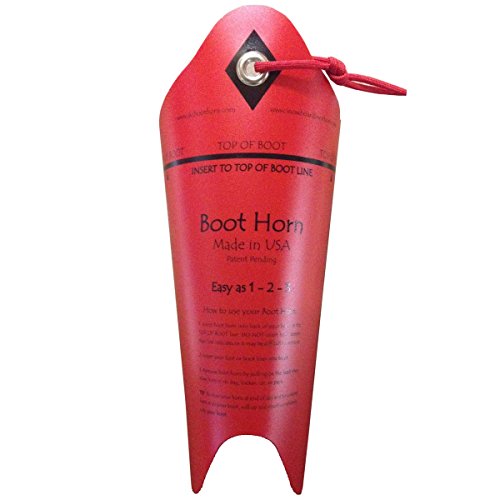
A boot horn will not support a flat arch, but it can protect the heel and liner during boot entry. Ski boots are stiff, and forcing a foot into them can fold the liner or damage the heel pocket. This simple tool gives the heel a smooth path into the boot. It is especially useful for skiers with limited flexibility or painful feet.
I like practical accessories that solve a small problem every day. A boot horn can also make it easier to use a thicker ski sock or a supportive insole without wrestling with the shell. Use it while the boot is open and the tongue is pulled forward. It is a low-cost addition that can help preserve the fit of a boot over many seasons.
Pros:
- Helps guide the heel into a stiff ski boot
- May protect the liner from repeated damage
- Useful for skiers with limited mobility
- Makes boot entry faster and less painful
- Works with ski and snowboard boots
- Small tool is easy to store in a gear bag
Cons:
- Does not provide arch or heel support
- Cannot fix a poorly sized ski boot
- May be less useful with very soft liners
My Recommendation
After comparing these options, I would start with the Rossignol EVO 70 HV+ for most men and women who need a forgiving, roomy boot. Its high-volume shape gives flat feet more room to spread, while the 70 flex keeps the ride approachable. Add the Sidas 3Feet low-arch insole if the stock footbed feels too flat. This pairing addresses both shell space and foot support.
Women who want a softer, simple resort boot should look at the Rossignol Kelia 50. Men who want a comfort-first design can consider Nordica The Cruise, but they must verify the size carefully. The Boxum shims and heel lift are best for fine tuning, not for rescuing a boot that does not fit. The table below shows the best use for each main option.
| Best for | Why |
|---|---|
| Roomy boot for flat feet | Rossignol EVO 70 HV+ offers a high-volume shell and forgiving flex. |
| Low-arch support and warmth | Sidas 3Feet low-arch insoles support the foot and add winter insulation. |
| Women learning resort skiing | Rossignol Kelia 50 provides a soft, comfortable flex and women-specific fit. |
How I Chose the Best Ski Boots for Flat Feet
Flat feet do not all look or behave the same. Some feet have a low arch but stay stable under load. Other feet roll inward and spread when the skier bends the knees. I looked for products that address the main problems: cramped forefeet, poor heel hold, weak foot support, cold feet, and painful boot entry.
I also considered how a boot behaves in real resort use. A stiff boot may offer strong response, but it can punish a beginner who lacks the strength or technique to flex it. A soft boot can feel pleasant, but it may become vague for a powerful skier. The best ski boots for flat feet must match both foot shape and skiing level.
Fit remains more important than a product label. “Wide” does not always mean comfortable, and “supportive” does not always mean correct for a low arch. I recommend measuring both feet, comparing mondo sizing, and testing the boot in a ski stance. The heel should stay in place while the toes can lightly touch the front when standing upright.
Why Flat Feet Need a Different Ski Boot Strategy
When the foot has a low arch, it may spread as body weight moves forward. That spread can make the foot feel longer and wider inside a ski boot. The skier may then tighten the buckles too much to stop movement. This often creates pressure over the instep, numb toes, and sore spots near the ankle.
A ski boot should hold the heel and midfoot without crushing the forefoot. A supportive footbed can help the foot keep a more stable shape. It should not feel like a hard lump under the arch. Think of the insole as a bridge: it supports the foot while still letting blood flow and natural movement continue.
Flat feet can also affect stance. If the ankle rolls inward, the knees may track inward as well. That can make turns feel less smooth and may increase fatigue. A qualified boot fitter can check alignment, shell width, canting, and footbed shape when a basic insole does not solve the issue.
Boot Fit Features That Matter Most
High-volume fit
A high-volume boot gives more room around the forefoot, instep, and sometimes the ankle. This can help a broad or flat foot, but extra room must not allow the heel to float. If the shell is too large, the skier loses control and may tighten the buckles until the foot hurts.
Moderate flex
A moderate flex is usually easier for beginners and casual skiers. It allows the skier to move the shin into the tongue without fighting the boot. Advanced skiers may prefer a stiffer boot, but stiffness alone does not create support. The right flex should match body weight, strength, ability, and terrain.
Secure heel pocket
Heel hold is one of my first checks. Keep the liner in place, buckle the boot lightly, and flex forward. The heel should move very little. If it lifts, try a different shell or a professional fit adjustment before simply tightening the cuff.
Useful footbed support
The stock footbed in many entry-level boots is thin. It may not offer enough support for a low arch. An aftermarket insole can improve contact and reduce foot fatigue, but the insole must match the arch height. A medium-arch product may feel wrong on a truly flat foot.
Room for ski socks
Never solve a tight boot by wearing two pairs of socks. Extra socks create folds and restrict circulation. Choose one thin, moisture-wicking ski sock. If the boot feels tight with a normal ski sock, the shell likely needs attention.
How to Size Ski Boots for Flat Feet
Ski boot sizing uses mondo points, which are based on foot length in centimeters. Measure both feet while standing, because the foot can spread under weight. Use the longer foot as your starting point, then check width and volume. Do not choose a much longer boot just to gain width.
When standing upright, your toes may lightly touch the end of the liner. When you bend your knees into a ski stance, your toes should pull back slightly. That small change is a good sign. If the toes remain crushed or curl, the boot is too short or too narrow.
Remove the liner for a shell check when possible. Place your foot inside the empty shell with your toes lightly touching the front. Check the space behind the heel. A boot fitter can measure this gap, but a home check can still reveal a shell that is clearly too long.
Also check the instep. A flat foot may not have a tall arch, but it can still spread and need room across the base of the foot. If the top of the foot feels pressed, do not assume a low arch means you need a lower-volume boot. Foot shape includes length, width, instep height, heel size, and calf shape.
How to Use Insoles in Ski Boots
First, remove the original footbed if it is removable. Place the new insole inside and check whether the heel sits flat. Trim only if the product instructions allow it, and use the old footbed as a guide. Do not force a thick insole into a boot that already feels tight.
Wear the boots indoors for 15 to 30 minutes. Stand, flex, and walk carefully. The arch should feel supported, not stabbed. You should also check the toes, heel, and sides of the foot after the test.
Give your feet time to adapt. A new insole changes the way the boot contacts the foot. Ski on easy terrain first. If pain remains sharp or causes numbness, stop and reassess the fit. Discomfort is not proof that the insole is working.
Common Mistakes When Buying Ski Boots for Flat Feet
Buying a boot that is too large
Many skiers buy extra length to gain width. This creates heel lift and weak control. A roomier high-volume shell is usually better than a longer shell. Keep the length correct, then solve volume with the right model or careful fit work.
Over-tightening the buckles
Tight buckles cannot replace a proper shell fit. They can press on nerves and restrict blood flow. Start with light tension, flex the boot, and adjust one buckle at a time. The lower buckles should not need extreme force to hold the foot.
Choosing an arch height by guesswork
A high arch insole can hurt a flat foot. A completely flat footbed may provide no useful control. Look for an insole made for low arches, then test the contact point. Your foot should feel supported across a broad area.
Ignoring boot alignment
If the knees fall inward or the ski edges feel uneven, the issue may involve alignment. A footbed can help, but not every alignment concern disappears with an insert. A professional assessment may identify canting or cuff adjustments that improve comfort and turning.
Wearing thick socks
Thick socks often make a poor fit worse. They can bunch at the toes and reduce circulation. A thin ski sock lets the liner work as designed. Warmth should come from the boot, sock material, and active movement, not excess layers.
Comfort Tips for a Full Ski Day
Start the day with warm, dry feet. Cold feet become stiff, and stiff feet do not move well inside the boot. Keep boots indoors overnight instead of leaving them in a cold vehicle. Dry the liners after each use so moisture does not reduce insulation.
Buckle the boots in the right order. Close the lower buckles enough to guide the foot, then set the upper buckles and power strap. Flex forward before making final adjustments. The boot may feel different after the liner warms and packs out.
Take short breaks if your feet start to throb. Open the top buckles while sitting, but do not walk far with loose boots. If one spot hurts every run, mark the location and have a fitter inspect it. Small shell work can often solve a problem that repeated tightening cannot.
Are High-Volume Ski Boots Always Best for Flat Feet?
No. High-volume boots help when the foot is broad or the boot feels tight across the midfoot. But some flat feet are narrow and need a closer shell with a custom footbed. The key is to match the boot to the whole foot, not only the arch.
Many flat-footed skiers need room in the forefoot but strong heel hold. That combination can be hard to find in a generic boot. A high-volume model plus a low-arch insole can work well, but it must pass the heel and stance test. If it fails, a boot fitter may adjust the shell or recommend another last.
When to Choose a Custom Footbed
A custom footbed is worth considering when store-bought insoles fail, pain returns each day, or the foot rolls strongly inward. It can give more precise support and may improve how the foot transfers force to the ski. It also helps a fitter understand your stance and pressure points.
Custom work costs more, so I would not begin there for every beginner. First confirm the boot length, width, and volume. Then try a suitable low-arch insole. If the basic fit is sound but fatigue or alignment problems remain, custom support may offer better long-term value.
Are Ski Boots for Flat Feet Good for Beginners?
Yes, if the boot fits correctly and uses a manageable flex. Beginners need comfort because pain distracts from learning balance and turns. A boot that is too stiff can make every movement feel like a fight. A moderate-flex model can help the skier learn to press the tongue and control the edges.
Beginners should not chase the widest boot available. A loose shell causes delayed response and makes the skier work harder. I prefer a secure, comfortable fit with enough room for the foot to spread. That approach offers a better path to progress than buying an oversized boot.
FAQs Of Best Ski Boots for Flat Feet
What are the best ski boots for flat feet?
The Rossignol EVO 70 HV+ is the best overall starting point in this guide. Its high-volume shape gives flat feet more room, and its moderate flex suits many recreational skiers. Pair it with a low-arch insole when the stock footbed feels weak.
Do flat feet need arch support in ski boots?
Many flat-footed skiers benefit from support, but the support must match the foot. A low-arch insole can spread pressure and reduce fatigue. If the arch feels painful, the shape or height may be wrong.
Should I buy wide ski boots if I have flat feet?
Not automatically. Choose a wide or high-volume boot only when your foot needs that space. Confirm heel hold and length first. A boot that is too wide can reduce control and cause movement inside the shell.
Can ski boot shims stop heel lift?
Thin shims can reduce extra volume and may improve heel security. They work best when the boot is close to the correct size. They cannot fix a shell that is much too large.
Are soft ski boots better for flat feet?
A soft boot may feel more comfortable for beginners, but it is not always better. Strong or advanced skiers may need more support and response. Match flex to your ability, body size, and skiing style.
Final Verdict: Which Should You Buy?
The Rossignol EVO 70 HV+ is my top pick for most shoppers. Its roomy shape and moderate flex make it a practical match for flat feet. Add the Sidas low-arch insole for better support.
For women, the Rossignol Kelia 50 is a gentle resort choice. With the right fit, these are among the best ski boots for flat feet in 2026.

Madison Clark is a footwear expert and the voice behind MyStyleGrid.com. She specializes in honest shoe reviews, style tips, and practical guides to help readers find the perfect pair for any occasion. With years of experience in blogging and content creation, Madison makes footwear knowledge simple, stylish, and easy to follow.