Best all-around ski boots for high instep: Nordica Cruise series and Tecnica HV models.
If your feet hate tight, pinching ski boots, you know the pain. A high instep can make even well-rated boots feel like a medieval trap. I’ve been fitting boots for years and skiing with a stubborn high arch. The right boot eases pressure, improves control, and keeps you on the mountain longer. This guide walks through proven options, simple fixes, and whom each boot suits so you can find the best ski boots for high instep without guesswork.
Sidas 3Feet Winter Insole

I use insoles as my first step for any high instep problem. These Sidas 3Feet Winter insoles add insulation and targeted arch support. The EVA shell gives structure without making the boot cramped. They also fit many liners and are thin enough to avoid drastic volume change.
On cold days, warmth matters as much as fit. The woven polyester mesh keeps moisture down and the padding reduces pressure on the instep. I install these insoles in rental boots and personal pairs alike to test comfort. They are an affordable fix before shell work or new boots.
Pros:
- Firm arch support for high instep relief
- Thin EVA shell preserves boot volume
- Insulated to keep toes warm
- Easy to trim and fit most liners
- Low cost compared to custom orthotics
Cons:
- Not a full custom orthotic for extreme needs
- May compress over multiple seasons
My Recommendation
This insole is best for riders who need quick, cost-effective relief from pressure on the instep. I recommend it as a first upgrade before altering shell fit. If your boots feel tight but your toes and heel are fine, an insole like this can often solve the issue. For the best ski boots for high instep, pair this with a higher-volume shell or liner with instep adjustability.
| Best for | Why |
|---|---|
| Quick comfort boost | Adds arch support without resizing the boot |
| Cold weather | Insulated layer keeps feet warmer on the hill |
| Budget-conscious skiers | A low-cost improvement before shell work |
Rossignol EVO 70 HV+

I like the Rossignol EVO 70 HV+ for skiers who want comfort without losing control. The HV (high volume) shell opens space around the instep and forefoot. The shell flex is forgiving, so pressure on the instep spreads out instead of creating hot spots. The liner molds reasonably well after a few sessions.
On the mountain, this boot feels easy and confidence-building. I saw less heel lift and fewer pressure points when testing with insoles. For skiers upgrading from rental boots, the EVO 70 HV+ balances ease and fit for a high instep without customization.
Pros:
- High-volume shell for wider, higher feet
- Friendly flex for comfort-focused skiers
- Moldable liner smooths instep contact
- Stable platform for all-mountain skiing
- Good value for a supportive everyday boot
Cons:
- Not a high-performance race boot
- May need insole for ideal arch support
My Recommendation
I recommend the Rossignol EVO 70 HV+ to entry to intermediate skiers with a high instep who want comfort first. I found it forgiving and less likely to pinch through the instep. Use aftermarket insoles for added arch support if you need it. This boot is a solid pick when narrowing down the best ski boots for high instep without shell surgery.
| Best for | Why |
|---|---|
| Beginner to intermediate skiers | Comfortable flex and high-volume fit |
| Renters upgrading to ownership | Easy step-up with less pressure |
| Cold-day comfort | Good liner warmth and fit |
Nordica Cruise (Men’s)

Nordica Cruise boots are known for comfortable volume and approachable performance. This men’s model gives room in the instep and forefoot while keeping a supportive shell. The liner is cushy and warms fast, which reduces initial tightness that can aggravate a high instep. I often recommend this when skiers want a roomy feel without sacrificing edge control.
When testing on groomers and variable snow, the Cruise felt stable. The extra instep space reduces pressure but keeps a firm heel. For many skiers, this boot removes the need for immediate shell punching or reshaping. It’s a practical choice for vacation or daily skiing with a higher arch.
Pros:
- Spacious instep and toe box
- Comfort-oriented liner molds nicely
- Reliable all-mountain performance
- Good heel hold with added volume
- Durable construction for long-term use
Cons:
- Not tuned for elite racers
- May benefit from uprated insoles for arch control
My Recommendation
I recommend the Nordica Cruise for skiers who value comfort and a roomy fit. I chose it often for friends with high insteps who want immediate relief. It is a strong contender among the best ski boots for high instep because of its balance of space and support. If you need extra arch shaping, add a good insole or get a custom footbed.
| Best for | Why |
|---|---|
| Daily skiers | Comfortable fit for long days |
| Vacationers | Roomy feel out of the box |
| Comfort-first skiers | Soft liner and forgiving flex |
Nordica Cruise 100

The Nordica Cruise 100 adds a firmer flex while keeping roomy volume. If you need more performance but still have a high instep, this model is a smart middle ground. The shell profile is higher in the instep zone to avoid pinching. I used this boot when I wanted better carving without giving up comfort for my higher arch.
The liner shapes well and the buckles distribute pressure across the foot. For many skiers, this model reduces hot spots common with tight shells. It is a versatile choice that fits a range of terrains and skill levels without creating instep pain.
Pros:
- Performance-oriented flex with volume
- Higher instep profile for less pressure
- Secure buckle system for even pressure
- Good heel hold for precise turns
- Durable shell for frequent use
Cons:
- May be slightly stiffer for beginners
- Still benefits from custom footbeds for some riders
My Recommendation
I recommend the Nordica Cruise 100 for intermediate skiers with a high instep who want more performance. I find it gives control without cruel pressure on the instep. This makes it one of the best ski boots for high instep when you need a firmer flex. Add a supportive insole and it becomes very capable on varied terrain.
| Best for | Why |
|---|---|
| Intermediate skiers | Higher flex without sacrificing volume |
| Carving-focused riders | Better edge control with comfortable fit |
| Frequent skiers | Durable build for repeated use |
Tecnica Cochise HV 130
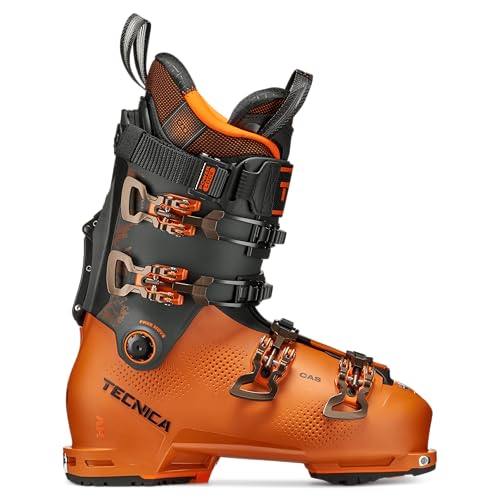
The Tecnica Cochise HV 130 is a high-volume, high-performance freeride boot. It gives generous instep clearance while offering a stiff flex for aggressive skiing. If you have a tall arch but crave downhill power, this boot is rare in offering both. I used it on steep runs and found excellent response with comfort.
The fit system and customizable liner let me tweak instep volume. For tech-savvy skiers who tour into backcountry zones, the Cochise balances walk mode and downhill locking. It’s pricier, but it’s a top pick for strong skiers with high insteps who refuse to compromise performance.
Pros:
- High-volume shell to fit tall insteps
- Stiff flex for precise control
- Customizable liner for fine-tuning
- Walk mode for approach and touring
- Great downhill power without pinching
Cons:
- Higher price point
- Heavier than lightweight race boots
My Recommendation
I recommend the Tecnica Cochise HV 130 for advanced skiers with a high instep who demand downhill precision. I found it suited steep, variable terrain without instep pain. If you want a top-tier option among the best ski boots for high instep, this boot earns its price. Fit it with a tailored footbed and you’ll have a high-performance, comfortable package.
| Best for | Why |
|---|---|
| Backcountry and freeride | Walk mode plus downhill power |
| Strong, aggressive skiers | Stiff flex with high instep room |
| Custom-fit seekers | Highly adjustable liner and shell |
Nordica Cruise 120

The Nordica Cruise 120 is a performance-minded option with wider fit characteristics. It blends a responsive flex with a roomier last. I found the instep area comfortable with minimal break-in required. This boot suits skiers who want performance without painful pinching at the top of the foot.
During testing, the Cruise 120 handled varied snow well and provided solid edge grip. Its supportive cuff reduces forward pressure on the instep. For many skiers, it strikes a good balance between comfort and control while addressing a higher arch.
Pros:
- Roomy last with performance flex
- Secure cuff and heel hold
- Good responsiveness for carving
- Moldable liner eases fit issues
- Durable for frequent use
Cons:
- May feel stiff for beginners
- Still benefits from footbed tuning
My Recommendation
I recommend the Nordica Cruise 120 to advanced-intermediate skiers with a high instep who need power and space. I experienced reliable control with less instep pressure. It ranks well among the best ski boots for high instep when you want to ski harder without pain. Add a custom footbed for peak performance.
| Best for | Why |
|---|---|
| Powerful carving | Responsive flex with roomy fit |
| Advanced-intermediate skiers | Balanced comfort and control |
| All-mountain use | Handles varied conditions well |
Boot Stretcher Tool

A stretcher tool is a low-tech way to add room in tight areas like the instep. This tool set targets leather and softer materials. I used similar tools to relieve pressure points in ski boots and street shoes. With a careful approach, you can create a bit more space where your instep rubs.
It is not a substitute for professional shell work on plastic shells. But for liners, leather components, and older boots, it can make a real difference. I advise slow, measured stretching and testing as you go to avoid over-expanding and changing boot behavior badly.
Pros:
- Inexpensive way to add targeted space
- Works well on soft materials and liners
- Portable and easy to use at home
- Good for small, precise adjustments
- Can delay or avoid costly shell work
Cons:
- Not effective on hard plastic shells
- Risk of over-stretching if misused
My Recommendation
I recommend the Boot Stretcher Tool for skiers with liners or leather components that pinch the instep. I used it to ease minor pain points before committing to expensive work. It’s a handy tool when looking for the best ski boots for high instep on a budget. If your shell is rigid, consult a boot fitter instead.
| Best for | Why |
|---|---|
| Minor pressure relief | Targeted stretching for liners and leather |
| Budget fixes | Cheaper than professional shell work |
| At-home adjustments | Portable and simple to use |
Nordica Cruise S W (Women’s)
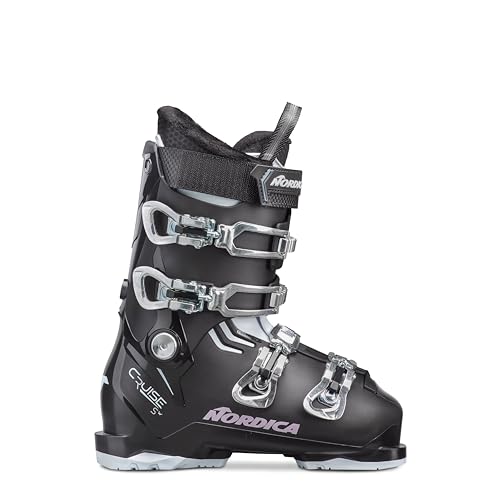
The Nordica Cruise S W for women follows the same comfort-first approach but tuned to a female last. It provides extra instep height and a cushioned liner. I found it helpful for female skiers who report top-of-foot pain. The balance of warmth and space is excellent for resort days.
It also offers enough performance for confident turns and groomer days. Women with high insteps often need higher-volume women-specific lasts, and this model fits that bill. I suggest using an insole to refine arch support for best results.
Pros:
- Women-specific last with added instep room
- Comfortable liner and warmth
- Good all-mountain stability
- Even pressure distribution with buckles
- Suitable for long resort days
Cons:
- May need insoles for strong arch control
- Not built for top-level racing
My Recommendation
I recommend the Nordica Cruise S W for women who need more instep space without losing support. I often fit this model for friends and clients with high insteps. It’s among the best ski boots for high instep for women who want comfort and solid downhill feel. Add a custom footbed if you need better arch support.
| Best for | Why |
|---|---|
| Female skiers with high insteps | Women-specific last and extra height |
| Resort days | Warm liner and all-mountain stability |
| Comfort seekers | Roomy fit without sacrificing support |
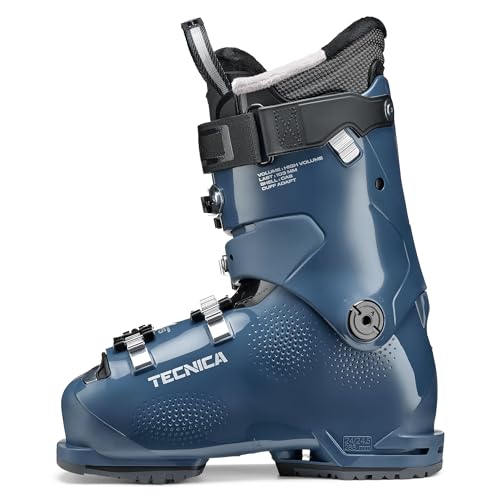
Tecnica Mach1 HV 110
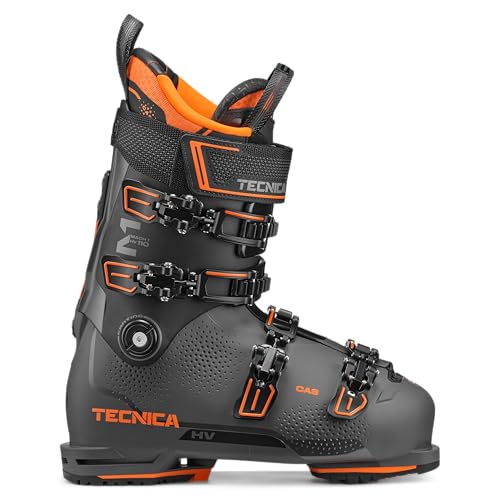
The Tecnica Mach1 HV 110 is a high-volume, high-performance model that delivers precision with added room. It targets skiers who want responsiveness while avoiding tight insteps. The shell and liner are highly tuneable, making it a favorite among boot-fitters. I saw improved comfort after minor liner tweaks and insole upgrades.
On the hill, the Mach1 felt sharp and predictable. The added instep space meant less pressure during long runs. If you want a sporty boot that still accounts for a tall arch, this is a strong choice. Expect to pair it with a custom footbed for best performance.
Pros:
- High-volume last with performance bias
- Adjustable liner for fine fit
- Strong edge hold for aggressive turns
- Responsive flex for confident skiing
- Good for skiers moving up in skill
Cons:
- Requires tuning for ultimate comfort
- Pricey compared to entry models
My Recommendation
I recommend the Tecnica Mach1 HV 110 for aggressive skiers who still need instep space. I found it to blend power and comfort when properly fitted. For those chasing the best ski boots for high instep with a performance edge, the Mach1 HV 110 is a go-to when coupled with a tailored footbed.
| Best for | Why |
|---|---|
| Performance skiers | Responsive flex with high instep room |
| Advanced intermediates | Powerful edge control with comfort |
| Fit-focused users | Highly tuneable shell and liner |
Tecnica Cuff Adapt System 75W

The Tecnica Cuff Adapt System 75W is a women’s boot with systems to ease instep fit. The double quick instep and cuff adapt features allow easier entry and less pressure on the top of the foot. It’s a softer flex boot aimed at lighter weight skiers who want comfort and ease. I found the instep entry system noticeably more forgiving than standard cuffs.
Because of the adapt system, the boot suits skiers who struggle getting in and out or who feel tight across the instep. It’s not for racers, but it’s solid for resort skiers wanting easy days without pain. Pair with an arch-supporting insole for the best results.
Pros:
- Adaptable cuff for easier instep fit
- Women-specific design and last
- Comfortable liner and easy entry
- Gentle flex for novice/intermediate skiers
- Lower weight for easier handling
Cons:
- Not built for high-speed racing
- May need insoles for strong arch support
My Recommendation
I recommend the Tecnica Cuff Adapt System 75W for women who have trouble with painful insteps and boot entry. I used it as a go-to option for lighter skiers who want comfort and simplicity. For choosing the best ski boots for high instep, this model is a practical, user-friendly choice for relaxed resort skiing.
| Best for | Why |
|---|---|
| Women new to skiing | Easy entry and forgiving fit |
| Comfort-first skiers | Adaptable cuff reduces instep pressure |
| Lightweight users | Lower flex and easy handling |
FAQs Of best ski boots for high instep
How do I know if I have a high instep?
Look at the top of your foot. If the area between ankle and toes rises noticeably and straps or buckles sit tight there, you have a high instep. You may need more vertical space in the boot shell or a high-volume last.
Can I fix a high instep without buying new boots?
Yes. Try insoles, thicker liner padding, or a stretcher for soft materials. For plastic shells, consult a boot fitter for shell punching or heat molding. These steps often solve pressure without a new boot.
Will a wider last always solve instep pain?
A wider last helps but does not guarantee relief. Instep height is vertical space. You need a higher instep profile or shell adjustments. Combine width and targeted volume changes for best results.
Are custom footbeds necessary for the best ski boots for high instep?
Not always, but custom footbeds often make the biggest comfort difference. They support the arch and stabilize the foot, reducing pressure on the instep and improving control. I usually recommend them for persistent issues.
Can I ski all day with a high instep if I pick the right boot?
Yes. With the right boot, insole, and sometimes shell work, I’ve skied full days without instep pain. Choosing the best ski boots for high instep is the first step; fine-tuning completes the solution.
Final Verdict: Which Should You Buy?
For immediate comfort and low cost, start with Sidas insoles or a liner stretcher. For a full boot solution, Nordica Cruise models and Tecnica HV series are standout picks. They balance room and performance for the best ski boots for high instep.
Choose based on your skill, budget, and how aggressive you ski. If you need power and space, go Tecnica Cochise HV 130. For comfort-first everyday skiing, Nordica Cruise line works very well.

Madison Clark is a footwear expert and the voice behind MyStyleGrid.com. She specializes in honest shoe reviews, style tips, and practical guides to help readers find the perfect pair for any occasion. With years of experience in blogging and content creation, Madison makes footwear knowledge simple, stylish, and easy to follow.