Best overall: Meindl EuroLight Hunter — ultralight Gore-Tex stalking boots for hunting.
You know that moment before glassing a green ridge or crawling through frost — the ground is loud, your feet are cold, and one wrong step ruins the stalk. I’ve spent years testing boots on slippery rocks, wet swamp, and frozen cornfields. The right stalking boots for hunting quiet your steps, keep your feet dry, and let you move with confidence across any terrain. Below I walk you through top options I trust, why they work, and which boot fits your specific style of stalking.
Nomad BA Rubber Ankle Boot – Bottomland

I like the Nomad BA Rubber Ankle Boot for short, wet-day stalks where ankle mobility and quick entry are priorities. These boots are low-cut rubber with a comfortable neoprene liner that keeps water out but still lets your foot flex naturally. They’re lightweight and packable, so I toss them in a duck vest or treestand haul pack for quick runs to wet draws.
On soft mud and shallow water they track quietly. The tread offers decent bite on clay and loam but won’t grip icy ruts the way a lugged leather boot would. If you hunt in heavy brush, the shorter shaft helps prevent snagging and keeps you agile when you need to crawl or duck under branches.
Pros:
- Low profile for better ankle mobility while stalking
- Waterproof rubber shell with neoprene comfort
- Lightweight for long glass-and-go hunts
- Easy to slip on/off at stands or blinds
- Quiet on wet ground compared to hard-soled boots
Cons:
- Not insulated enough for deep winter stalking
- Limited traction on ice or steep rock faces
- Less ankle support for heavy pack days
My Recommendation
I recommend the Nomad BA Rubber Ankle Boot for hunters who value mobility during short stalks in marshes and wet fields. If you need light, quiet footwear for sneaking through cattails or working a flooded field, this is a solid choice. It’s a practical, affordable option among the best stalking boots for hunting when warmth and heavy support aren’t required.
| Best for | Why |
|---|---|
| Marsh & wet fields | Low cut and waterproof for shallow water |
| Quick runs to stand | Lightweight and easy to pack |
| Brushy country | Less snagging, greater ankle flex |
Nomad BA Rubber Ankle Boot – Greenleaf

The Greenleaf colorway of the Nomad BA keeps the same functional DNA: waterproof rubber body with a neoprene liner and low profile. I’ve used both color schemes. The green camo blends into woodline edges and early-season alfalfa fields better than bright patterns. Fit runs true to size and the ankle flex makes crawling into close cover easier.
These boots thrive in temps above freezing and wet-season hunts. They shed water and mud, and they dry fast. I’d pair them with thin merino liners for cooler mornings, which helps when I stalk from damp grass into a tree line without changing footwear.
Pros:
- Quiet rubber sole for stealthy step-downs
- Neoprene liner for comfort and fit
- Camouflage Greenleaf blends well in timber edges
- Easy to clean and maintain in the field
- Good value for seasonal hunters
Cons:
- Limited insulation in cold weather
- Light sole wear on rocky ground
- Not ideal for long backpacking stalks
My Recommendation
Choose the Nomad BA Rubber Ankle Boot in Greenleaf if you need low-profile waterproof footwear that blends with cover. It’s one of the best stalking boots for hunting in wet, mild conditions and for hunters who favor stealth over extreme warmth. Overall value is strong for occasional wet-season stalks.
| Best for | Why |
|---|---|
| Timber edges | Camouflage helps conceal movement |
| Wet-season stalking | Waterproof design keeps feet dry |
| Compact pack hunters | Lightweight and packable |
GIEESHIELD Neoprene Rubber Boots

GIEESHIELD’s neoprene-insulated rubber boots are built for wet and cold stalking when you need warmth without bulk. The 6mm neoprene liner traps heat and the ultra-light construction keeps weight down. I tested them in muddy wet woods and early winter bogs and found they kept toes warm during long sits and sneaks.
The anti-slip sole gives confidence on slick logs and wet rock. They’re easier to move in than heavy ice boots and quieter than hard rubber soles on crusty leaves. If you stalk through flooded meadows or soggy drainages, these boots balance warmth, stealth, and mobility well.
Pros:
- 6mm neoprene insulation for cold, wet hunts
- Ultra-light construction reduces fatigue
- Anti-slip sole for traction on wet surfaces
- Comfortable fit for long wear times
- Camouflage option available for concealment
Cons:
- Not as durable on sharp, rocky trails
- Bulkier than low-cut stealth boots
- Sizing can be snug with thick socks
My Recommendation
I recommend GIEESHIELD neoprene rubber boots for hunters who stalk soggy draws or run-and-gun cold-weather hunts. They stand out among the best stalking boots for hunting when insulation plus waterproofing is critical. If you need warm feet without sacrificing stealth, these are worth considering.
| Best for | Why |
|---|---|
| Soggy fields & bogs | Neoprene keeps water out and warmth in |
| Early winter stalks | Insulation without heavy weight |
| Wet logs & rocks | Anti-slip sole improves traction |
Irish Setter Elk Tracker 12″ Boot

The Irish Setter Elk Tracker is a classic for a reason: it blends waterproofing, substantial insulation (1000g in this model), and a stiff sole that supports long hikes. I rely on boots like these when my stalking day includes long approaches on rough terrain followed by glass-and-sneak moves. The 12-inch shaft gives real ankle support and keeps brush out while climbing hills.
The insulated design handles sub-freezing mornings without freezing toes. Traction is solid on packed dirt and scree, and the build resists abrasion when I bushwhack through cedar tangles. For hunters who stalk into higher elevations or cold early-season fields, this boot is a workhorse.
Pros:
- 1000g insulation for cold-weather comfort
- 12″ shaft for ankle support on rough terrain
- Durable construction for long approaches
- Good traction on packed slopes
- Waterproof to keep feet dry in wet conditions
Cons:
- Heavier than ultralight stalking boots
- Less silent on brittle leaves than soft-soled boots
- Overkill for warm-season glass-and-go hunts
My Recommendation
The Irish Setter Elk Tracker is best for hunters tackling long approaches, higher elevations, and cold-weather stalking. It ranks among the best stalking boots for hunting when warmth, support, and durability matter more than minimal weight. I choose this boot for multi-mile stalks where comfort and protection pay off.
| Best for | Why |
|---|---|
| Cold, high-elevation stalks | 1000g insulation keeps toes warm |
| Long approaches | Stiff sole and ankle support reduce fatigue |
| Brushy cover | Tall shaft prevents debris entry |
TIDEWE Neoprene Rubber Hunting Boots
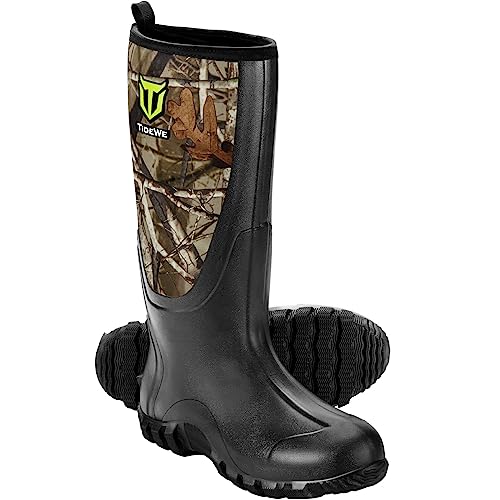
TIDEWE’s neoprene hunting boots combine a layered rubber exterior with a 6mm neoprene lining and a steel shank for midfoot support. I appreciate the extra rigidity underfoot during long hikes while still getting neoprene’s warmth. They handle mixed terrain—from soggy bottomlands to gravel roads—without feeling sloppy under load.
The steel shank helps when you’re moving across ankle-twisting rubble and keeps the foot from fatiguing on extended stalks. These boots also have a deeper lug pattern for better shedding of mud and improved bite on wet roots. They’re a great all-season waterproof option for hunters who want warmth, clearance, and support.
Pros:
- 6mm neoprene for warmth in cool weather
- Steel shank for underfoot support on long hikes
- Durable rubber that resists wear
- Good mud-shedding tread for wet conditions
- Sturdy build for regular field use
Cons:
- Heavier than low-cut stealth boots
- Not as nimble for tight tree stalking
- Warm for hot-season hunts
My Recommendation
I recommend the TIDEWE neoprene rubber hunting boots for hunters who need a blend of warmth and support on long stalking days. They sit comfortably among the best stalking boots for hunting when you’ll cover miles and cross mixed wet terrain. The steel shank makes them especially useful for loaded hunting trips.
| Best for | Why |
|---|---|
| Mixed-terrain hikes | Steel shank reduces foot fatigue |
| Soggy early-season stalks | Neoprene insulation and waterproofing |
| Muddy fields | Lugged tread sheds mud well |
RealTree Merino Wool Boot Socks
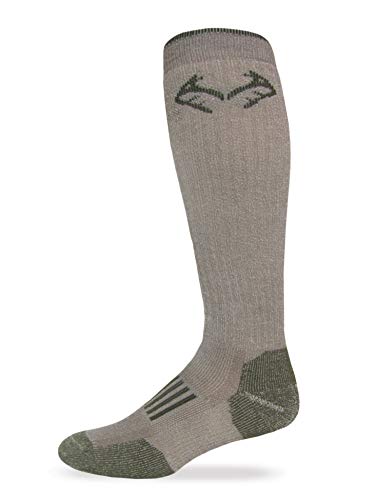
Quality socks change how boots feel. The RealTree heavyweight merino wool boot socks are my go-to liner for many of the boots on this list. Merino breathes well, controls odor, and keeps feet warm even when damp. These socks have a tall profile that works with both full-height rubber boots and mid-cut leather boots.
In my experience, adding merino liners to a stealthy soft-soled boot reduces noise from foot friction and blisters. They wick sweat during long, hot stalks and retain warmth on cool mornings. For anyone assembling a kit of the best stalking boots for hunting, invest in good socks—your feet will thank you.
Pros:
- Merino wool warmth without bulk
- Long cuff fits tall boots well
- Good moisture wicking and odor control
- Durable knit for repeated use
- Improves boot fit and reduces blisters
Cons:
- Adds cost to your base layers
- Requires proper care to avoid shrinkage
- Not a substitute for insulated boots in extreme cold
My Recommendation
RealTree merino wool boot socks are essential for anyone serious about the best stalking boots for hunting. They improve comfort, control moisture, and reduce noise—three things that help you stalk closer. Use them as liners with neoprene or leather boots for the best field experience.
| Best for | Why |
|---|---|
| Sweaty feet | Merino wicks moisture and reduces odor |
| Cold mornings | Retains heat even when damp |
| Long hikes | Reduces friction and blisters |
Meindl EuroLight Hunter Boots

The Meindl EuroLight Hunter is my pick for the best stalking boots for hunting when stealth, weight, and weatherproofing all matter. It’s ultralight, flexible, and built with a Gore-Tex membrane that keeps feet dry without trapping sweat. I’ve used these boots for long glass-and-move hunts where silence and comfort are essential.
The supple sole and leather upper let me feel the ground and place each step deliberately. That tactile feedback reduces noisy missteps and helps when moving over rock slabs or packed dirt. If you stalk in mixed conditions and want one pair that covers most seasons, Meindl is hard to beat.
Pros:
- Gore-Tex waterproofing with breathability
- Ultralight and flexible for quiet stalks
- Excellent fit and ground feel
- Durable leather with quality construction
- Great for long days on varied terrain
Cons:
- Less insulation for extreme cold
- Higher price point than basic rubber boots
- Needs break-in to reach full comfort
My Recommendation
I consider the Meindl EuroLight Hunter one of the best stalking boots for hunting if you prioritize stealth and all-day comfort. It’s perfect for hunters covering ground and needing a responsive, weatherproof boot. Expect excellent long-term value and versatility in most hunting seasons.
| Best for | Why |
|---|---|
| Glass-and-move stalking | Lightweight and quiet underfoot |
| Variable weather | Gore-Tex keeps feet dry and breathes |
| Long hikes | Comfortable fit reduces fatigue |
Dryshod Evalusion Hunt Max Boot

Dryshod’s Evalusion Hunt Max is built for extreme cold and deep water with a gusseted, full-height rubber shaft and heavy insulation. I’ve used similar boots to punch through ice-crusted wetlands and still keep toes functional. The fully sealed rubber exterior prevents water entry better than stitched leather on long wet stalks.
The downside is bulk: these boots are heavier and louder on dry leaves than soft-soled alternatives. But when you need absolute waterproofing and insulation in deep snow or flooded fields, this boot excels. It’s a specialized tool for specific stalking conditions where dry feet trump stealth.
Pros:
- Extreme waterproofing for deep water and snow
- Heavy insulation for very cold conditions
- Gusseted shaft seals out debris and water
- Rugged build for prolonged wet exposure
- Comfortable for standing and slow creeps
Cons:
- Heavy and bulkier than minimalist options
- Noisy on dry leaves and twigs
- Too warm for moderate temperatures
My Recommendation
Pick the Dryshod Evalusion Hunt Max Boot when you face extreme wet or cold conditions and must keep feet dry at all costs. It’s among the best stalking boots for hunting in flooded fields and snowy lowlands. If your hunts regularly cross water or ice, this boot is a safe bet.
| Best for | Why |
|---|---|
| Flooded fields | Fully sealed rubber prevents water entry |
| Cold snow stands | Heavy insulation keeps toes warm |
| Wet marsh stalking | Gusseted shaft blocks debris |
HISEA Neoprene Waterproof Hunting Boots
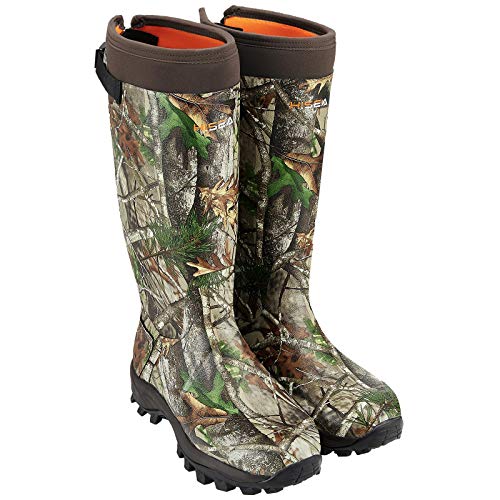
HISEA offers camouflage neoprene-insulated boots that balance warmth and agility. They’re tall enough to protect against brush and shallow water, yet not so heavy they slow you down. The adjustable straps at the calf help seal out debris and let you fine-tune the fit when wearing liners.
Traction is reliable on wet logs and muddy slopes, and the neoprene absorbs noise better than hard rubber. For run-and-gun stalks that hit both wet flats and timber, these boots are a useful compromise between insulation and movement.
Pros:
- Adjustable calf straps for a custom fit
- Neoprene insulation for wet-cold protection
- Camo patterns blend into diverse terrain
- Quieter on leaf litter than stiff-soled boots
- Good value for multi-season use
Cons:
- Not as durable on sharp, rocky trails
- Can feel warm in late-season heat
- Limited arch support for very long hikes
My Recommendation
I recommend HISEA neoprene waterproof hunting boots to hunters who stalk through mixed wet and timber country. They rank well among the best stalking boots for hunting when you need warmth, camouflage, and quiet movement. Use liners or quality socks for longer hikes to improve comfort.
| Best for | Why |
|---|---|
| Mixed wet & timber | Camo and adjustable fit for varied terrain |
| Quiet stalks | Neoprene dampens noise on leaves |
| Multi-season use | Warm enough for cool seasons, breathable for mild days |
Extremus MudRidge Neoprene Boots

Extremus MudRidge boots combine 6mm neoprene insulation with a rubber shell for all-weather hunting. I’ve put these through wetter, muddier hunts and found they hold warmth and repel water reliably. The anti-slip rubber sole gives confidence moving across slick roots and wet stone.
They’re heavier than low-profile boots but lighter than full cold-weather rubber galoshes. For hunters who face variable early-season conditions—mud, frost, and cold rain—they’re a versatile option that balances quiet movement and protection.
Pros:
- 6mm neoprene for warmth without bulk
- Anti-slip sole for wet traction
- Waterproof rubber shell for soggy conditions
- Reasonable weight for long hunts
- Durable construction for repeated use
Cons:
- Can be warm in summer stalks
- Less precise ground feel than ultralight boots
- Not ideal for steep, rocky ascents
My Recommendation
I recommend Extremus MudRidge neoprene boots for hunters who need a dependable, all-weather hunting boot. They represent solid choices among the best stalking boots for hunting when you want waterproofing, warmth, and traction without excessive bulk. Great for muddy fall stalks.
| Best for | Why |
|---|---|
| Muddy fall hunts | Neoprene and rubber shed water and mud |
| Wet log crossings | Anti-slip sole increases safety |
| Early season | Warmth without excessive weight |
FAQs Of best stalking boots for hunting
How do I choose the right sole for stalking?
Pick a sole based on terrain. Soft, flexible soles give silence and ground feel on leaf litter and rocks. Lugged rubber soles shed mud and grip wet roots. For mixed terrain, a mid-lug sole balances quiet and traction.
Should I buy insulated boots or use socks?
Insulated boots are best for sustained cold and deep water. For variable conditions, use quality merino liners or insulated socks. That approach gives flexibility: remove liners when it warms up and keeps boots usable across seasons.
How important is waterproofing for stalking?
Waterproofing matters if you cross wetlands, dew-soaked meadows, or wet brush. Waterproof membranes or full rubber shells keep feet dry and prevent blisters. If you mainly stalk dry ridges, breathability may be more important than waterproofing.
Do lighter boots make stalking easier?
Yes. Lighter boots reduce fatigue and help you move quietly. Ultralight Gore-Tex or soft-soled boots are ideal for glass-and-move stalking. However, heavier boots offer protection and warmth for long approaches or extreme conditions.
How should stalking boots fit?
Fit snugly but allow room for toes and a thin sock. Your heel should lock with minimal slip. Try boots with the socks you’ll use in the field. A good fit reduces noise, blisters, and foot fatigue during long stalks.
Final Verdict: Which Should You Buy?
Choosing the best stalking boots for hunting depends on your terrain and season. For all-around stealth and comfort, the Meindl EuroLight Hunter is my top pick. It blends Gore-Tex waterproofing, ultralight construction, and ground feel for most stalking scenarios.
If you need cold-water protection, pick insulated neoprene or full-rubber options like Dryshod or GIEESHIELD. Match your boot to environment, and pair it with quality merino socks for the best field performance.

Madison Clark is a footwear expert and the voice behind MyStyleGrid.com. She specializes in honest shoe reviews, style tips, and practical guides to help readers find the perfect pair for any occasion. With years of experience in blogging and content creation, Madison makes footwear knowledge simple, stylish, and easy to follow.