The best USMC boots for rucking balance low weight, firm support, grip, and comfort over long miles.
A long ruck can turn small boot flaws into hot spots, sore arches, and tired legs. I look for boots that stay stable under a loaded pack, shed water well, and keep their grip on loose ground. The right pair should feel secure without feeling like heavy work shoes. Below, I compare seven strong options for training, field use, hiking, and daily tactical wear so you can choose with less guesswork.
Rocky USMC Tropical Boot

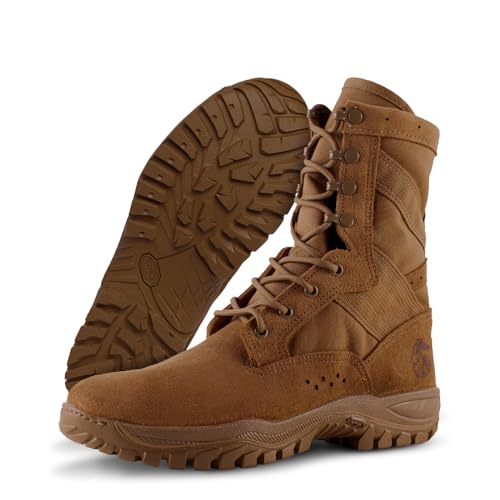
The Rocky USMC Tropical Puncture Resistant Boot is built for warm, wet, and rough ground. Its design suits users who need a military-style boot with added protection underfoot. The coyote brown color fits many uniform and outdoor setups. For rucking, I value its firm structure because it helps keep the foot from rolling when a pack shifts.
This boot makes the most sense for tropical training, trail work, and land where sharp debris may be a concern. The upper offers a more protective feel than a simple hiking shoe, while the boot height gives useful ankle coverage. It may feel stiff at first, so I would break it in with short walks before a long ruck. Once the fit settles, it can serve as a dependable choice for users who put durability ahead of a soft, sneaker-like feel.
Pros:
- Puncture-resistant build adds protection on rough ground
- Military-style height supports the ankle
- Coyote brown color suits tactical and outdoor use
- Firm structure works well with a loaded pack
- Good match for warm and wet field conditions
- Protective design can reduce worry around sharp debris
Cons:
- May need a longer break-in period
- Feels heavier than an ultra-light assault boot
- Not the best pick for users who want a soft running-shoe feel
My Recommendation
I recommend the Rocky Tropical Boot for ruckers who want protection and a solid military boot platform. It is especially useful for field training, brush, rocky paths, and wet climates. If your route includes debris or uncertain ground, the puncture-resistant design offers peace of mind. Among the best USMC boots for rucking, this is a protection-first option with strong value when durability matters more than the lowest possible weight.
Belleville 520MOTO Ultra Light Boot

The Belleville 520MOTO is aimed at ruckers who want to cut down on boot weight. Its eight-inch profile gives more coverage than a low hiking shoe, but the ultra-light design helps reduce leg fatigue. The EGA styling gives it a clear USMC-inspired look. I pay close attention to weight in a rucking boot because every extra ounce can feel larger after several miles.
This boot should appeal to fast movers, service members, and hikers who prefer a more athletic ride. The lighter build may help during speed marches, hill work, and daily training. Still, a light boot cannot replace a careful fit, so check the size and width before ordering. I would also test it with the socks and insoles you plan to use, since small fit changes can affect heel lock and toe room.
Pros:
- Ultra-light design can reduce fatigue over long distances
- Eight-inch height offers useful ankle coverage
- Athletic feel suits speed work and fast rucks
- USMC-inspired styling fits military and tactical use
- Less bulk makes it easier to move at a brisk pace
- Good option for users who dislike heavy combat boots
Cons:
- Lightweight materials may not feel as rugged as heavy-duty leather
- Less protective than a puncture-resistant field boot
- Fit may require careful attention to width and sock choice
My Recommendation
The Belleville 520MOTO is my pick for users who rank low weight near the top of the list. It fits speed ruckers, active-duty users, and hikers who want less drag during long walks. It is also a good choice for warm-weather training when a bulky boot feels tiring. For many shoppers comparing the best USMC boots for rucking, this model offers one of the most athletic designs in the group.
OTB Pirata Mid Maritime Boot

The OTB Pirata Mid is a lightweight maritime tactical boot made for users who may move through wet areas. Its quick-dry drainage system is the main feature that separates it from many standard ruck boots. The mid height gives some ankle support without the tall, locked-in feel of a full combat boot. I see it as a practical choice for water crossings, humid trails, boating tasks, and wet training areas.
The Grip Stik outsole is designed to help maintain traction on changing surfaces. That matters when a wet sole meets rock, mud, wood, or a slick deck. The Cordura construction also helps keep the boot light and flexible. It is not the first boot I would choose for extreme cold or heavy snow, but it has a clear role for warm, wet routes where drainage matters more than full waterproofing.
Pros:
- Quick-dry drainage system suits wet environments
- Lightweight design helps during long movement
- Mid-cut height balances mobility and ankle coverage
- High-traction outsole supports varied surfaces
- Cordura build offers a flexible tactical feel
- Useful for maritime work, wet trails, and warm climates
Cons:
- Drainage means water can enter during deep crossings
- May not provide enough insulation for cold weather
- Mid height offers less coverage than an eight-inch boot
My Recommendation
I recommend the OTB Pirata Mid to people who ruck in heat, rain, marsh, or around water. It is a smart fit for outdoor instructors, boat crews, and hikers who need wet feet to dry fast. Choose it over a waterproof boot when drainage and quick recovery matter more than keeping every drop out. In the best USMC boots for rucking category, it stands out as the wet-weather specialist.
OTB M-Flex 8 Waterproof Boot
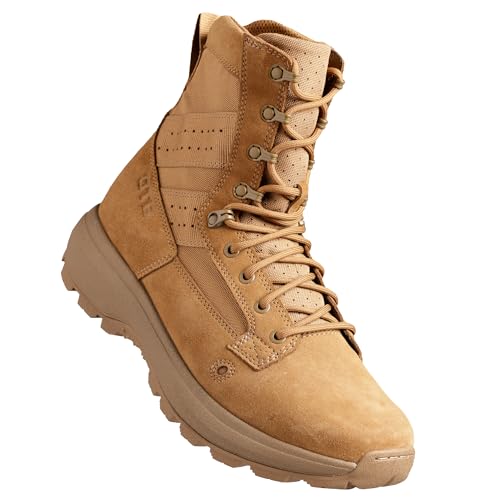
The OTB M-Flex 8 is a tall tactical boot for users who need more coverage in wet conditions. Its waterproof leather gives it a more sealed feel than a drainage-focused maritime boot. The eight-inch height can help shield the lower leg from brush, mud, and shallow water. For rucking, I like this type of design when the route is wet but not so deep that water will pour over the boot collar.
The slip-resistant sole adds confidence on paved areas, wet paths, and mixed terrain. The boot also aims to stay flexible, which can help it feel less rigid than a traditional combat boot. Waterproof boots can run warmer, so I would pair this model with moisture-managing socks in hot weather. It is a strong all-around option for users who want protection, water resistance, and a familiar tactical shape.
Pros:
- Waterproof leather helps block rain and surface moisture
- Eight-inch height offers broad ankle and lower-leg coverage
- Slip-resistant sole supports wet and smooth surfaces
- Flexible design can improve walking comfort
- Works for tactical duty, hiking, and outdoor labor
- Coyote color fits many field and uniform settings
Cons:
- Waterproof construction may feel warm in hot climates
- Not designed to drain water after a deep crossing
- May feel less nimble than a low-cut or ultra-light boot
My Recommendation
The M-Flex 8 is best for ruckers who often deal with rain, wet grass, and muddy trails. It suits users who prefer a tall boot and want a more sealed upper than the OTB Pirata. I would choose it for patrol-style work, everyday outdoor use, and moderate-distance rucks. Shoppers seeking the best USMC boots for rucking with waterproof coverage should place this model high on their list.
OTB Pirata Mid in Coyote
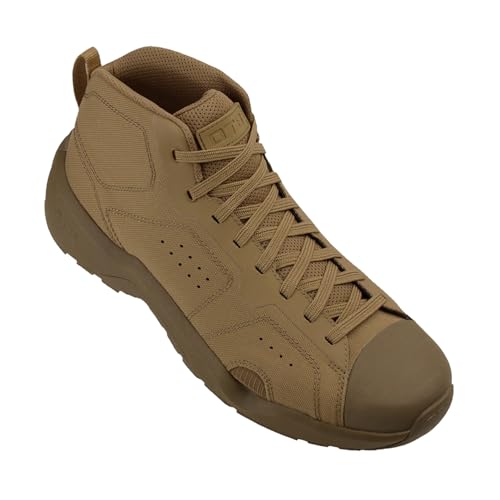
This coyote version of the OTB Pirata Mid offers the same basic maritime concept in a color that fits many military-style kits. It is made for people who want a light tactical boot with quick drying and strong grip. The mid-cut profile gives more support than a trail shoe while keeping the ankle freer than a tall boot. That balance can feel good during daily rucks and warm-weather hikes.
The Pirata Mid is most useful when water is part of the route. Instead of holding moisture inside for hours, its drainage-focused design helps the boot recover after a splash or crossing. I would not treat it as a waterproof boot, and that distinction matters when choosing gear. If you want a breathable, flexible boot for humid ground, this coyote model gives you a practical mix of speed, traction, and tactical style.
Pros:
- Quick-dry design helps reduce soaked-foot discomfort
- Mid-cut shape supports movement and ankle control
- High-traction outsole works on many outdoor surfaces
- Lightweight feel suits long walks and training
- Cordura-style upper supports flexible movement
- Coyote color blends well with tactical clothing
Cons:
- Not waterproof for prolonged rain or deep water
- Less ankle coverage than an eight-inch combat boot
- May offer less protection against sharp rocks than a reinforced boot
My Recommendation
I recommend this coyote Pirata Mid for warm-climate ruckers who cross wet ground but still want quick foot recovery. It is a good match for recreational hikers, military trainees, and outdoor workers who value low weight. The size 14 listing may also help shoppers who struggle to find larger tactical footwear. For the best USMC boots for rucking in humid conditions, this is a flexible and useful choice.
OTB M-Carbon 6 Boot

The OTB M-Carbon 6 uses a six-inch tactical profile with a carbon plate in the sole. That design targets users who want a supportive platform without the height of a full eight-inch boot. A carbon plate can add stiffness and help the sole feel more stable under load. For rucking, this may be helpful when the path is hard, uneven, or packed with gear.
The lower profile can also improve freedom around the ankle. That makes the M-Carbon 6 attractive to people who move between rucks, hikes, gym work, and daily wear. A stiff sole is not ideal for every foot, however, and some users may prefer a more flexible boot for natural foot movement. I suggest easing into this model and checking how the plate feels during short sessions before increasing distance.
Pros:
- Carbon plate adds underfoot structure and support
- Six-inch height balances mobility and protection
- Lightweight design can reduce effort over distance
- Slip-resistant sole helps on mixed terrain
- Works for rucking, hiking, and tactical daily wear
- Lower cut allows more ankle freedom than an eight-inch boot
Cons:
- Stiffer sole may not suit every walking style
- Less lower-leg coverage than a tall combat boot
- Carbon construction may cost more than a basic tactical boot
My Recommendation
The M-Carbon 6 is best for ruckers who want a stable, modern sole and more ankle freedom. It can suit people who carry moderate loads and spend time on firm trails, roads, or hard-packed ground. I would consider it for users who dislike soft, collapsing footwear. In a search for the best USMC boots for rucking, this model is a good pick for structured support in a lighter package.
Belleville Khyber TR550WPINS Boot

The Belleville Khyber TR550WPINS is a more traditional tactical boot for users who want dependable support and weather protection. Its wide 10.5 option is important for people who need extra room across the forefoot. A cramped boot can cause numb toes, blisters, and poor control, especially when feet swell during a long ruck. The Khyber design gives this boot a practical role for heavier loads and longer days.
The waterproof build makes it a better fit for rain, damp trails, and cold ground than a drainage boot. It may take more time to break in, but the tradeoff is a sturdy feel that many users prefer in a duty boot. I would use thick but breathable socks and adjust the laces from the lower eyelets upward. That method can improve heel hold while leaving enough room for natural toe spread.
Pros:
- Wide sizing helps accommodate broader feet
- Waterproof construction suits wet and cool conditions
- Traditional tactical shape supports loaded movement
- High boot profile adds ankle and lower-leg coverage
- Durable feel works for duty and outdoor work
- Good choice for users who prefer a roomy fit
Cons:
- Heavier and less agile than ultra-light models
- May require a longer break-in period
- Waterproof materials can feel warm in summer
My Recommendation
I recommend the Belleville Khyber TR550WPINS for ruckers with wide feet or those who carry heavier loads. It is also a strong choice for cool, wet routes where a sealed boot is more useful than fast drainage. The wide size can improve comfort when standard boots pinch at the sides. If your priority is a supportive and weather-ready boot, this model deserves serious attention among the best USMC boots for rucking.
Best For
| Best for | Why |
|---|---|
| Fast, light rucks | The Belleville 520MOTO keeps bulk low and feels more athletic. |
| Wet and maritime routes | The OTB Pirata Mid dries fast and offers strong traction. |
| Wide feet and heavy loads | The Belleville Khyber offers wide sizing and a sturdy boot feel. |
How I Judge Boots for Rucking
Rucking is not just walking with a pack. The load changes how your foot lands, how your ankle moves, and how hard your knees work. A good boot should help you stay steady without adding needless weight. I judge each pair by fit, support, traction, moisture control, durability, and comfort after several miles.
I also look at the sole shape and the way the boot holds the heel. A boot can have a strong outsole but still fail if the foot slides inside. That movement creates heat and friction, much like a small stone inside a shoe. Good lacing, the right sock, and enough toe space matter as much as the brand name.
Weight and Fatigue
Boot weight matters most when the route is long or the pace is high. Light boots can help your legs feel fresher, but they may give up some protection. Heavy boots can feel secure, yet they may slow you down and increase fatigue. I prefer a middle ground for most ruckers unless the mission calls for either extreme.
The Belleville 520MOTO and OTB models focus on low weight. The Rocky and Khyber boots lean toward protection and structure. The M-Carbon 6 sits between both groups. Match the boot to your route instead of chasing the lowest listed weight.
Fit and Toe Room
Fit is the first test for the best USMC boots for rucking. Your heel should stay in place, but your toes should still move. Leave enough space for mild swelling and downhill steps. If your toes hit the front, no amount of cushioning will make the boot comfortable on a long ruck.
Measure both feet late in the day, since feet often expand after hours of standing. Wear the socks you plan to use. Also check the width, not just the length. The Belleville Khyber listing in a wide size may help users who feel pressure along the sides of the foot.
Support Under Load
A ruck places extra force through the heel, arch, and ankle. A firm midsole can help the foot stay aligned when the pack is heavy. Still, very stiff boots can feel harsh if your feet need more flex. The best choice depends on your load, terrain, and normal walking style.
The M-Carbon 6 adds a carbon plate for a structured feel. The Rocky and Khyber boots provide a more traditional protective platform. The lighter Belleville 520MOTO and OTB Pirata favor easier movement. None of these features replaces gradual training. Increase pack weight and distance in small steps.
Traction on Mixed Terrain
Ruck routes often change without warning. You may start on pavement, cross gravel, then climb dirt or wet rock. Look for a sole with clear tread and a rubber compound that grips more than one type of surface. Deep lugs can help in mud, but they may feel less smooth on hard roads.
The OTB Pirata models focus on high traction for maritime and outdoor use. The M-Flex 8 and M-Carbon 6 offer slip-resistant designs for varied ground. Always clean mud from the tread after a route. A clogged sole cannot grip well, no matter how good the original pattern is.
Waterproof Versus Quick-Dry Boots
Waterproof and quick-dry boots solve different problems. A waterproof boot helps stop rain and shallow surface water from entering. A quick-dry boot lets water leave after a crossing. Neither option is perfect in every climate.
Choose waterproof protection for steady rain, cool weather, and wet grass. Choose drainage for hot routes, streams, marsh, and situations where your feet may get soaked. The OTB Pirata is designed around drainage, while the OTB M-Flex 8 and Belleville Khyber favor a more sealed design. The Rocky Tropical Boot also fits users who need added field protection in warm conditions.
How to Break In New Ruck Boots
Do not wear a new boot for a 12-mile ruck on day one. Start with a short walk around the house. Then take a one- to two-mile walk with light socks and a small pack. Check for pressure at the heel, ankle, tongue, and little toe.
Next, add distance before adding a heavy load. If a hot spot appears, stop and fix it at once. Change the lacing pattern, try a different sock, or use a blister patch. Pain is not a normal part of boot break-in. It is a useful warning that the fit or setup needs work.
How to Pair Socks and Insoles
Socks should move sweat away from the skin and reduce friction. Cotton often holds moisture, so I prefer wool blends or synthetic hiking socks for long rucks. Choose a thickness that fills the boot without making it tight. A thick sock cannot fix a boot that is too short.
Insoles can change the feel of a boot, but they also take up space. If the original footbed feels flat, try a supportive replacement with a similar shape. Test it before a long trip. If your toes feel crowded or your heel lifts, the insole may be too thick.
Care Tips for Tactical Ruck Boots
Clean dirt from the upper after each major outing. Use a soft brush and mild soap instead of harsh chemicals. Let the boots dry at room temperature. Direct heat can damage adhesives, leather, and synthetic parts.
Remove the insoles after wet use so air can reach the inside. Do not store damp boots in a closed bag. Check the sole, eyelets, stitching, and heel counter from time to time. Early care can stop a small issue from becoming a boot-ending failure.
Common Buying Mistakes
The most common mistake is buying by appearance alone. A boot may look rugged but still pinch the toes or slip at the heel. The second mistake is choosing waterproof boots for every climate. In hot weather, a sealed boot can trap heat and sweat.
Another mistake is using a new pair for a major event without testing it. I also see shoppers focus on boot height while ignoring the sole and fit. For rucking, comfort comes from the full system: boot, sock, insole, lacing, pack, and training plan.
FAQs Of Best Usmc Boots for Rucking
What makes a boot good for rucking?
A good ruck boot fits securely, supports the foot under load, grips mixed terrain, and manages moisture. It should also match your climate and pack weight. Comfort over distance matters more than a rugged look alone.
Are eight-inch boots better for rucking?
Not always. Eight-inch boots give more ankle and lower-leg coverage, but shorter boots may feel lighter and more flexible. Choose based on terrain, load, ankle needs, and personal comfort.
Should I choose waterproof or quick-dry boots?
Choose waterproof boots for rain, cool weather, and shallow wet ground. Choose quick-dry boots for hot routes, stream crossings, and humid conditions. A waterproof boot can stay wet inside if water enters over the collar.
How much toe room should ruck boots have?
Your toes should move without touching the front of the boot. Leave extra room for swelling and downhill walking, but do not allow the heel to slide. Test the fit with your ruck socks before buying.
Can I use hiking boots for military rucking?
Yes, if they provide enough support, traction, and durability for your load. Tactical boots offer military styling and features, but a well-fitted hiking boot can also work. The route and pack weight should guide the choice.
Final Verdict: Which Should You Buy?
For most users, the Belleville 520MOTO is the best USMC boots for rucking choice when low weight and an athletic feel matter. Pick the Rocky or Khyber for stronger protection, and choose an OTB Pirata for wet routes.
Match your boots to your feet, load, and climate. The right Best Usmc Boots for Rucking can make each mile steadier, cooler, and far less painful.

Madison Clark is a footwear expert and the voice behind MyStyleGrid.com. She specializes in honest shoe reviews, style tips, and practical guides to help readers find the perfect pair for any occasion. With years of experience in blogging and content creation, Madison makes footwear knowledge simple, stylish, and easy to follow.