The best winter boots for bunions offer a wide toe box, soft warmth, stable traction, and room for custom inserts.
Cold weather can make bunion pain feel worse. Thick socks crowd the forefoot, stiff leather presses on the joint, and slippery paths can turn each step into a worry. I know that the right winter boot must do more than block snow. It should let the big toe rest in a natural line, protect tender skin, and keep the foot steady. The picks below focus on width, comfort, warmth, support, and real daily use. Always check the size chart, and ask a foot specialist about severe pain, swelling, numbness, or skin changes.
OrthoComfoot Wide Leather Winter Ankle Boots
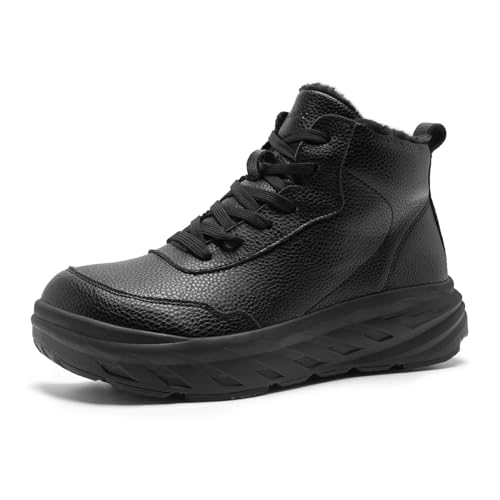
This wide leather ankle boot is built for people who need extra space across the front of the foot. Its short height feels easy to wear with jeans, work pants, or travel clothes. The product is described for bunions, hammer toes, plantar fasciitis, and recovery use, so it aims at several common foot concerns at once. I especially like the roomy shape for winter days when thick socks can make a regular shoe feel tight.
The ankle design gives useful coverage without the bulk of a tall snow boot. An arch-support footbed may help reduce the tired feeling that can build during long walks or errands. The black color also makes this pair more useful for daily wear than a bright outdoor boot. Still, buyers should confirm the actual width and fit because “wide” can vary from one foot to another.
Pros:
- Wide shape gives a bunion more breathing room
- Leather upper offers a more polished look
- Ankle height works well for everyday outfits
- Arch support may ease foot fatigue on walks
- Room for thicker winter socks
- Useful for travel, errands, and casual work
Cons:
- Short ankle height gives less snow protection than a tall boot
- Leather may need care to keep it looking fresh
- Fit can still vary for very wide or swollen feet
OrthoComfoot Wide Leather Dress Ankle Boots

This second OrthoComfoot option has a dressier profile for shoppers who do not want a sporty winter shoe. Its wide construction targets bunions and other forefoot pressure points. The ankle cut can pair with office clothes, skirts, or simple casual outfits. For anyone who spends part of the day indoors, this style may feel more natural than a heavy snow boot.
Arch support is the main comfort feature to watch here. A supportive footbed can help spread pressure over more of the sole, though it cannot correct a bunion or replace medical care. The Oxford-inspired design may suit driving, shopping, and walking on cleared sidewalks. I would treat this as a comfort ankle boot first, not as a deep-snow boot for long outdoor exposure.
Pros:
- Dressier look suits work and social settings
- Wide fit helps reduce side pressure near the bunion
- Arch support can improve all-day comfort
- Ankle shape feels less bulky than a snow boot
- Works for driving and indoor use
- Black styling hides normal winter marks
Cons:
- Not the best choice for deep snow or slush
- May need extra warmth in very cold weather
- People with severe swelling should check the opening carefully
OrthoComfoot Wide Leather Travel Boots

This model has a similar orthopedic goal but a more relaxed travel and walking focus. Its wide toe area can be helpful when the big-toe joint rubs against a narrow boot wall. The low ankle profile makes it simple to wear around town, at the airport, or on a winter trip. I see it as a practical middle ground between a casual sneaker and a bulky snow boot.
The support features may appeal to people who feel pain under the heel or arch as well as near the bunion. A roomy boot is only helpful if the heel stays secure, so I would walk indoors first and check for slipping. This pair may also work well for someone who wants comfort without an overly medical look. Its limits are the same as many short boots: less protection from deep snow and standing water.
Pros:
- Comfort-focused shape supports daily walking
- Wide toe area helps reduce bunion rubbing
- Travel-friendly ankle height
- Arch support may help with plantar foot fatigue
- Casual design works with many outfits
- Room for a thin orthotic or winter sock, depending on fit
Cons:
- Not designed for high snow coverage
- May feel warm but not enough for extreme cold
- Some feet may need a more adjustable closure
SHIBEVER Waterproof Non-Slip Winter Boots
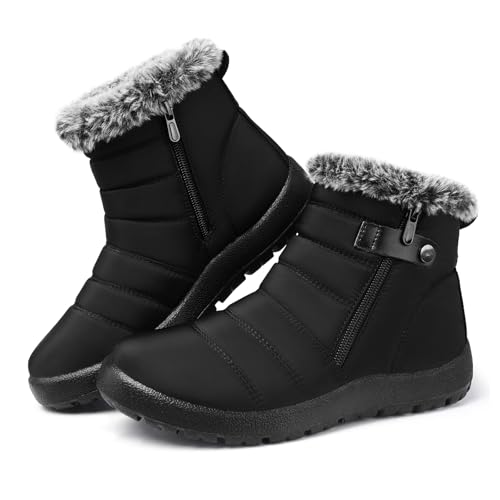
SHIBEVER focuses on the outdoor side of winter footwear. The product is made for snow, wet ground, and cold days when traction matters as much as comfort. A waterproof boot can help keep moisture away from the skin, which is important because damp feet feel colder and may become more prone to rubbing. The non-slip outsole is a useful feature for sidewalks, driveways, and light outdoor chores.
For bunions, the key question is not only whether the boot keeps snow out. It is whether the front has enough width and soft flex to avoid pressing the big-toe joint. I would check customer photos and the size chart before ordering, then test the boot with the socks you plan to wear. This is a stronger outdoor choice than a dress ankle boot, but it may not offer the same orthopedic footbed or arch support.
Pros:
- Water-resistant design suits snow and wet surfaces
- Non-slip sole adds confidence on slick ground
- Outdoor shape offers better weather coverage
- Warm construction helps protect against winter chill
- Useful for walks, chores, and casual outdoor use
- More practical for messy weather than a dress boot
Cons:
- Toe width may not match a true orthopedic wide boot
- Less focused on arch support and bunion relief
- Could feel bulky for indoor or office wear
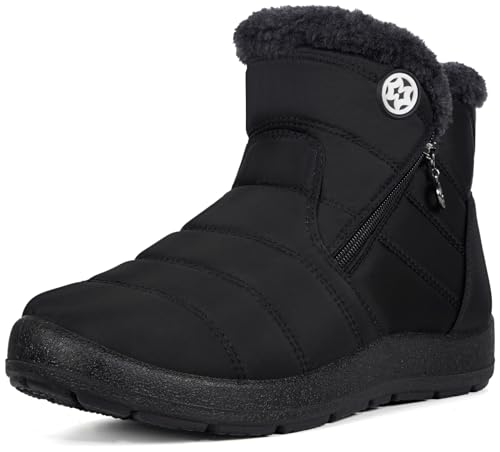
HARENCE Fur-Lined Waterproof Snow Boots
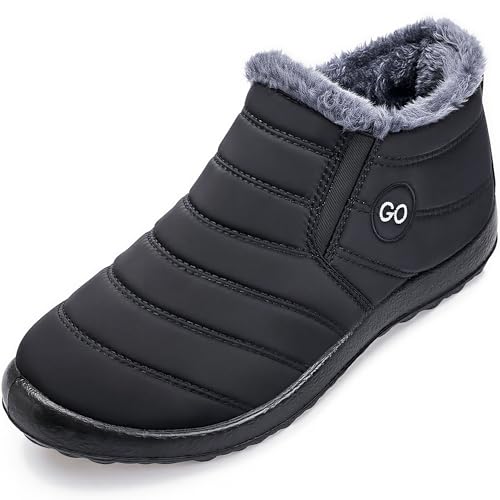
HARENCE snow boots take a simple approach: warm lining, waterproof protection, and an easy ankle-boot shape. The fur lining can feel soft against the foot and may add comfort on cold mornings. The short design is easy to pull on for quick trips outside. This makes the pair appealing for dog walks, school runs, shopping, and light snow.
People with bunions should pay close attention to the toe shape. Soft lining can reduce friction, but it cannot make a narrow toe box wide. I recommend wearing a thin sock during the first indoor test and checking whether the big toe can move without touching the side. This pair is a good weather-first option, while shoppers seeking strong orthopedic support may prefer one of the wide leather or Orthofeet models.
Pros:
- Warm fur lining feels soft in cold weather
- Waterproof design helps keep feet dry
- Short boot is easy to put on and remove
- Useful for light snow and wet sidewalks
- Casual style suits daily winter errands
- Often easier to pack than a tall snow boot
Cons:
- Toe box may not provide enough room for larger bunions
- Limited built-in orthopedic support
- Short height may allow deep snow to enter
Orthofeet Florence Wide Orthopedic Boots

Orthofeet is well known for comfort-minded footwear, and the Florence is the most focused orthopedic choice in this group. This black boot comes in a wide size and is designed for people who need more room and support. A wide fit can help reduce direct pressure on the bunion, while a cushioned footbed may make long periods on your feet easier. The classic black finish also keeps it suitable for work and everyday outfits.
I would consider this boot when foot comfort matters more than a rugged snow-boot look. Orthopedic shoes often provide a better starting point for people with bunions, flat feet, heel pain, or sensitive soles. Even so, a wide label does not guarantee the right shape for every foot, so measure both feet and compare those numbers with the brand chart. Use extra care if you need strong waterproofing or a high shaft for deep snow.
Pros:
- Wide size is a strong match for bunion comfort
- Orthopedic design supports foot-sensitive users
- Cushioned footbed may reduce impact during walks
- Black style is easy to wear with work clothes
- Good option for people with more than one foot concern
- Less bulky than many heavy snow boots
Cons:
- May cost more than basic winter boots
- Not the best choice for deep snow without added protection
- Some users may need time to adjust to the support
Wide Toe Box Zero-Drop Snow Hiking Boots

This unisex winter boot stands out with a wide toe box and zero-drop sole. The wide front lets the toes spread instead of forcing them into a pointed shape. That feature can be helpful for people whose bunion pain grows when the big toe is squeezed inward. The fur lining, water-resistant build, and non-slip sole also give it a clear outdoor purpose.
Zero-drop footwear keeps the heel and forefoot at a similar level. Some people enjoy that natural feel, while others need a gradual transition from raised-heel shoes. I would start with short walks and stop if the arch, calf, or heel feels strained. This model is especially interesting for shoppers who want a roomy toe area and a light hiking feel, but it may not suit someone who relies on a firm medical arch correction.
Pros:
- Wide toe box gives toes more natural space
- Zero-drop platform may feel balanced underfoot
- Warm lining supports cold-weather use
- Non-slip outsole suits outdoor walks
- Unisex design offers flexible sizing options
- Lightweight shape may reduce leg fatigue
Cons:
- Zero-drop shoes may require a slow break-in period
- Arch support may feel too mild for some users
- Water resistance is not the same as full waterproofing
Orthofeet Alps Waterproof Snow Boots

The Orthofeet Alps is the most complete winter-weather option for shoppers who also want orthopedic comfort. It combines a waterproof snow-boot design with a roomy fit and support-focused construction. The higher shape can help keep snow and slush away from the ankle. Beige offers a softer look for people who want something different from black.
This boot makes sense for winter travel, snowy sidewalks, and outdoor tasks. The extra coverage may also help users who need to wear thicker socks, although socks should never make the forefoot feel cramped. I would give this model a close look if bunion pain comes with flat feet, heel pain, or poor balance. As with any structured boot, it may feel firmer and heavier than a soft short boot.
Pros:
- Waterproof build suits snow and slush
- Orthopedic design targets comfort and support
- Roomy fit helps reduce forefoot crowding
- Higher shaft gives better winter coverage
- Good traction focus for outdoor walking
- Works well for people with several foot needs
Cons:
- Heavier than a casual ankle boot
- Beige may show salt and dirt more easily
- Higher price may not fit every budget
OrthoComfoot Hook-and-Loop Wide Boots
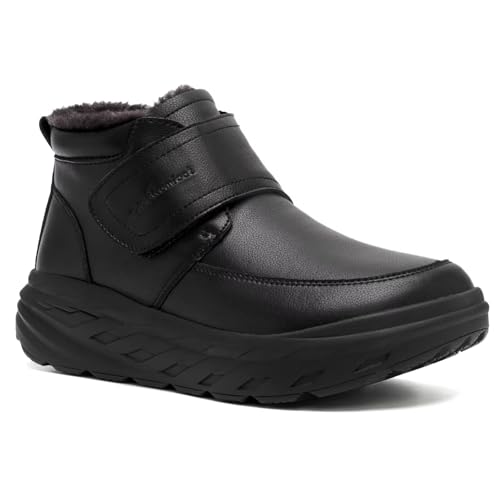
This OrthoComfoot boot is designed for people who need flexible adjustment. Its hook-and-loop closure can be useful when feet swell during the day or when laces are hard to manage. The wide leather shape gives the bunion area more room than many fashion boots. It also has a simple black look that can work for walking, errands, and daily tasks.
Adjustability is the main reason I would suggest this pair to someone with changing foot volume. You can loosen the closure over a tender area rather than forcing the foot into a fixed opening. The support features may also help people with flat feet or plantar discomfort. However, hook-and-loop straps may look more casual, and users should check that the closure stays secure during longer walks.
Pros:
- Adjustable closure helps accommodate swollen feet
- Wide leather upper gives the bunion room
- Easy to fasten for users with limited hand strength
- Arch support may improve walking comfort
- Black design hides everyday wear
- Useful for variable foot volume
Cons:
- Strap styling looks less dressy than a lace boot
- May not provide enough coverage for deep snow
- Closure must be set firmly to prevent heel movement
My Recommendation
These boots suit different winter needs, so I would not choose only by appearance. For the strongest blend of bunion room, orthopedic support, and snow protection, the Orthofeet Alps is the leading choice. For a lighter daily boot, the Orthofeet Florence or the wide OrthoComfoot ankle styles make more sense. If swelling changes your fit during the day, the hook-and-loop OrthoComfoot model deserves special attention.
| Best for | Why |
|---|---|
| Best overall winter support | Orthofeet Alps combines a roomy orthopedic build with waterproof snow coverage. |
| Best for daily city wear | Orthofeet Florence offers a wide fit, support, and a clean black style. |
| Best for swollen feet | The OrthoComfoot hook-and-loop boot lets you adjust the fit as foot volume changes. |
When I compare the best winter boots for bunions, I look first at toe space and then at stability. A soft upper helps, but it cannot solve a cramped shape. The big toe needs room to rest, and the heel needs enough hold to keep the foot from sliding forward. That balance helps reduce rubbing and keeps each step more controlled.
How I Choose the Best Winter Boots for Bunions
Bunion-friendly winter footwear starts with the toe box. The American Academy of Orthopaedic Surgeons notes that shoes with a wide toe box can help reduce pressure on a bunion. A boot should not taper sharply near the toes or force the big toe toward the smaller toes. I also look for a smooth inner lining, since seams over the joint can cause hot spots.
Width alone does not tell the whole story. The boot must also hold the heel so the foot does not slide forward into the toe area. A stable sole can reduce twisting on snow and ice, while a flexible upper can move with the foot. I prefer a boot that bends near the ball of the foot without folding across the bunion.
Toe Box Shape
A round or anatomical toe box is usually more helpful than a narrow pointed one. Measure your foot at the end of the day, when swelling may be greatest. Measure both feet because many people have one foot that is slightly larger. Leave a little space in front of the longest toe, but do not size up so much that the heel slips.
Try the boot with the socks and inserts you plan to use. Thick wool socks can take up more space than expected. If the boot feels tight indoors, cold weather will not make it better. Pressure near the bunion is a clear sign to try a wider size or a different shape.
Width and Adjustable Fit
Look for wide, extra-wide, or adjustable designs. A lace, zipper, gusset, or hook-and-loop strap can help you control the fit. Adjustable boots are useful for people whose feet swell after standing or walking. They also help when one foot has a larger bunion than the other.
Do not confuse a wide outsole with a wide toe box. Some boots look broad from the outside but taper inside. Read the fit notes, study the shape, and check the return policy before wearing the pair outdoors. A good return policy lowers the risk of buying winter shoes online.
Warmth Without Excess Pressure
Insulation keeps feet warm, but thick lining can make a boot too tight. I prefer warmth that comes from a lined upper and a reasonably roomy footbed. The foot should stay warm without losing toe movement. If your toes cannot wiggle, the boot may restrict circulation and create more discomfort.
People with diabetes or reduced sensation should be extra careful. A tight boot may cause damage before the wearer notices it. Check the skin after wearing new footwear, and ask a clinician for personal advice when nerve or blood-flow issues are present. Warmth matters, but safe fit matters more.
Traction and Winter Safety
A non-slip sole is important because pain can change the way a person walks. A boot with poor grip may increase the chance of a slip on wet leaves, packed snow, or ice. Look for a tread pattern with clear grooves and a sole that feels stable under the heel. No outsole can make glare ice fully safe, so take short steps and use handrails when needed.
A stable heel counter can also help. It keeps the rear of the foot aligned and may reduce side-to-side movement. I favor a low, broad heel over a narrow raised heel for daily winter walking. The best winter boots for bunions should feel steady before they feel stylish.
Arch Support and Cushioning
Bunion pain centers on the big-toe joint, but the whole foot shares the load. Arch support and cushioning can make long walks more comfortable. The American College of Foot and Ankle Surgeons also advises choosing shoes that fit well and do not crowd the toes. Still, support is personal, and a very firm arch can feel wrong if your foot is not used to it.
Removable insoles offer more flexibility. They create space for a prescribed orthotic or a preferred insert. Before adding an insert, remove the original footbed if possible. Stacking inserts can lift the foot and make the upper feel tighter across the bunion.
Waterproofing and Snow Coverage
Water resistance helps with light rain and damp sidewalks. Waterproof construction is more useful for slush, puddles, and longer outdoor exposure. Check the tongue, seams, and opening because water can enter through any weak point. A taller shaft protects better than a short ankle boot when snow is deep.
Keep in mind that waterproof materials may feel less breathable. Moisture from sweat can build up inside, even when outside water stays out. Let boots dry fully between wears, but do not place leather or glued footwear directly on a hot radiator. Heat can damage the upper and shorten the life of the boot.
Common Mistakes When Buying Bunion-Friendly Winter Boots
The most common mistake is buying a larger length instead of a wider fit. Extra length can make the foot slide, which increases pressure at the front. A wider shape is usually the better answer when the bunion is the problem. Another mistake is choosing a soft boot with no heel hold, then tightening it until the forefoot feels squeezed.
Some shoppers also focus on arch support and forget the toe box. A boot can have a strong footbed but still press on the bunion. I check both features together. Comfort should feel even across the foot, not like one hard point under the arch or one tight edge beside the big toe.
Finally, avoid judging a boot after one minute. Walk on a clean indoor floor for 10 to 15 minutes. Sit, stand, climb a few steps, and wear the socks you plan to use. Look for rubbing, heel lift, toe pressure, and numbness. These simple checks can prevent a painful winter purchase.
How to Make Winter Boots More Comfortable With Bunions
Start with the right size and shape. No pad can turn a narrow boot into a wide boot. If the boot already fits well, a soft bunion sleeve may reduce friction. Use only a thin layer if space is limited, and stop using it if it increases pressure.
Moisture control also helps. Wear socks that move sweat away from the skin, and change them if they become damp. Keep toenails trimmed and check the bunion area for redness after each new wear. A red mark that lasts or skin that breaks needs medical attention.
Break boots in slowly. Wear them indoors for short periods on the first few days. Increase time only when the foot feels calm. This slow approach is especially wise with waterproof boots, firm orthopedic shoes, and zero-drop designs.
Are Orthopedic Boots Better for Bunions?
Orthopedic boots are not automatically better, but they often provide useful features. These may include a wider fit, removable insoles, cushioning, a stable sole, and better adjustment. Those features can lower pressure and improve comfort. They do not remove the bunion itself.
The right choice depends on the foot, the level of pain, and the activity. Someone with a mild bunion may prefer a soft wide snow boot. Someone with a bunion plus plantar fasciitis may prefer an orthopedic footbed. A podiatrist can help when pain continues despite roomy shoes.
FAQs Of Best Winter Boots for Bunions
What boot features help bunions most?
A wide, rounded toe box is the most important feature. Soft materials, smooth seams, stable traction, and a secure heel also help. Removable insoles and adjustable closures add useful fit options.
Should I buy winter boots one size larger for thick socks?
Usually, choose the correct length and look for more width instead. A boot that is too long may let your foot slide forward. Try the boot with your real winter socks before making a final choice.
Are waterproof boots good for bunions?
They can be, if the waterproof boot has enough toe room. Waterproofing protects against cold moisture, but it does not guarantee a bunion-friendly shape. Check width, lining, seams, and heel hold together.
Can winter boots cure a bunion?
No. Comfortable footwear may reduce pressure and pain, but it cannot reverse the bone change. Seek medical advice if you have lasting pain, swelling, numbness, or trouble walking.
Can I use orthotics in these boots?
Many boots with removable footbeds can accept an orthotic. Remove the original insole first if the design allows it. Make sure the insert does not crowd the toes or lift the foot into the upper.
Final Verdict: Which Should You Buy?
For most shoppers, Orthofeet Alps is the best overall choice because it blends bunion-friendly room, orthopedic support, waterproof coverage, and winter traction. Choose Orthofeet Florence for lighter daily wear or the adjustable OrthoComfoot boot for swollen feet.
The best winter boots for bunions should feel roomy, warm, and stable from the first indoor test. Compare the fit, read the size chart, and choose comfort before fashion for safer winter walks.

Madison Clark is a footwear expert and the voice behind MyStyleGrid.com. She specializes in honest shoe reviews, style tips, and practical guides to help readers find the perfect pair for any occasion. With years of experience in blogging and content creation, Madison makes footwear knowledge simple, stylish, and easy to follow.