The best women’s boots for Achilles tendonitis offer a stable heel, soft collar, firm support, and enough room for swelling.
A sore Achilles can make a simple walk to the mailbox feel like a steep hike. The wrong boot may rub the tendon, trap your heel, or make each step harder. I looked at supportive boots, inserts, heel cups, sleeves, braces, and recovery boots because pain relief often depends on the full setup, not the shoe alone. This guide helps you match each option to your needs, from mild daily soreness to post-injury support. Always ask a podiatrist or physical therapist before using a medical walking boot or strong stretch brace.
PROFOOT Achilles Heel Cup for Women

The PROFOOT Achilles Tendonitis Orthotic Heel Cup is a small insert made for women’s shoes in sizes 6 through 10. It cushions the heel and may help reduce the sharp impact that travels up the back of the foot. The cup also helps hold the heel in a more centered position. That can make a firm boot feel less harsh during daily walks.
I like this option for people who already own a good pair of boots but need more heel comfort. It can fit many casual shoes, work shoes, and supportive ankle boots, though space inside the shoe matters. The soft cup may also help limit heel movement, which can reduce rubbing near the tendon. It is not a cure, and it should not replace medical care for swelling, weakness, or sudden pain.
Pros:
- Adds cushioning under the heel
- Helps limit excess heel motion
- Useful with many existing shoes
- Simple design with no straps
- Good choice for mild daily soreness
- May improve comfort in firm boots
Cons:
- Only covers a limited women’s size range
- May feel tight in low-volume boots
- Does not provide ankle support
My Recommendation
I recommend this heel cup for women who want a low-cost way to improve the comfort of their current boots. It suits mild Achilles irritation, heel impact, and shoes that feel too hard underfoot. It works best when paired with a stable boot that already has a low, broad heel and a soft top edge. For many shoppers seeking the Best Women’s Boots for Achilles Tendonitis, this insert can turn an acceptable boot into a more comfortable daily option.
Women’s Waterproof Orthopedic Trail Ankle Boots

These women’s orthopedic trail shoes combine the feel of a walking sneaker with the coverage of a short ankle boot. The waterproof build can help keep feet dry on wet paths and during outdoor work. Their design focuses on arch support, heel comfort, and a stable sole. Those traits matter because a soft but unstable shoe can let the heel slide and place extra strain on the Achilles tendon.
This pair makes the most sense for women who walk outdoors, work on their feet, or need a shoe for light trail use. The ankle height can offer more coverage than a flat sneaker, while the athletic shape keeps the shoe from feeling as stiff as a work boot. I would wear them with moisture-wicking socks and check the heel collar before a long walk. Waterproof shoes can feel less flexible, so break them in with short outings first.
Pros:
- Water-resistant design for wet conditions
- Supportive shape for walking and light trails
- More ankle coverage than a low sneaker
- Useful for work, errands, and outdoor use
- Room for supportive insoles in many cases
- Sporty look that suits casual clothing
Cons:
- May run warm in mild weather
- Waterproof materials may need break-in time
- Fit can vary with thick socks or inserts
My Recommendation
I recommend these orthopedic trail ankle shoes for active women who need one pair for wet walks, light work, and everyday wear. They are a stronger candidate for the Best Women’s Boots for Achilles Tendonitis than a flat fashion boot because the sole and upper focus on stability. They are not designed to treat a serious tendon tear or severe injury. Still, for steady support and outdoor comfort, they offer a useful balance of protection, grip, and athletic flexibility.
BraceUP Ankle Brace for Achilles Support

The BraceUP Ankle Brace adds compression and stability around the ankle. It can help people who feel unsteady or notice discomfort when the foot rolls during a step. The brace is slimmer than a medical walking boot, so it may fit inside a roomy sneaker or ankle boot. Its support can also help protect the area during normal daily movement.
I see this as a support layer rather than a replacement for a well-made boot. A brace may reduce unwanted motion, but it cannot fix poor shoe fit or a worn-out sole. Wear it for short periods at first and check the skin for pressure marks. If numbness, tingling, color change, or increased pain appears, remove it and seek professional advice.
Pros:
- Provides adjustable ankle compression
- May improve a sense of ankle stability
- Lower profile than a fracture boot
- Useful during errands and light activity
- Can fit some roomy boots and sneakers
- Works for several common ankle complaints
Cons:
- May not fit narrow fashion boots
- Compression can feel warm
- Incorrect tightness may cause discomfort
My Recommendation
This brace is best for women who need extra ankle control but do not need full immobilization. It suits mild tendon irritation, mild ankle weakness, and daily tasks where a loose heel feels risky. For shoppers comparing the Best Women’s Boots for Achilles Tendonitis, this brace can make a supportive boot more useful without adding a bulky medical shell. I would choose it only after confirming the size and learning the correct fit.
BraceAbility Sleeping Stretch Boot
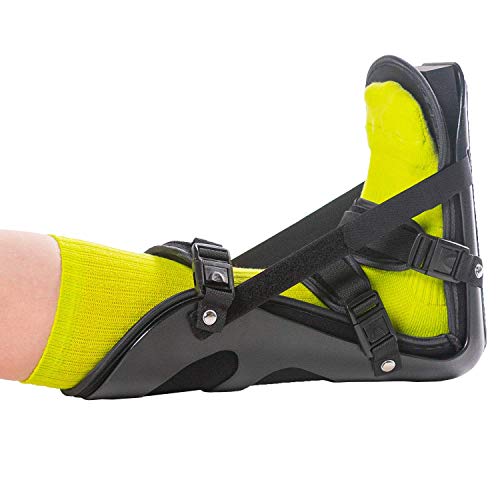
The BraceAbility Sleeping Stretch Boot is made for rest, not regular walking. It holds the foot in a gentle flexed position to provide a stretch through the calf and the bottom of the foot. That setup may help some people who wake with tightness or pain after long periods of rest. The adjustable design allows users to control the tension instead of forcing a deep stretch at once.
This product requires more care than a standard shoe insert. Achilles pain can come from several causes, and a strong stretch may not suit every stage of recovery. I suggest starting with little or no added tension and following advice from a health professional. Never use this splint for walking, driving, or exercise, and stop if it causes sharp pain, numbness, or skin irritation.
Pros:
- Designed for overnight stretching
- Adjustable fit and tension
- May ease morning tightness
- Can support calf and foot stretching
- Helpful for people with limited daytime rest
- Does not replace a daytime walking shoe
Cons:
- Not intended for walking
- May take time to sleep comfortably in
- Stretching may not suit an acute tendon injury
My Recommendation
I recommend this sleeping boot for women who have a clinician-approved need for gentle night stretching. It is not one of the Best Women’s Boots for Achilles Tendonitis for errands, but it may complement a stable daytime boot. People with a recent tear, major swelling, or unclear pain should ask a professional before use. Its value comes from controlled rest support, not from everyday walking comfort.
PGRODE Achilles Tendon Sleeve
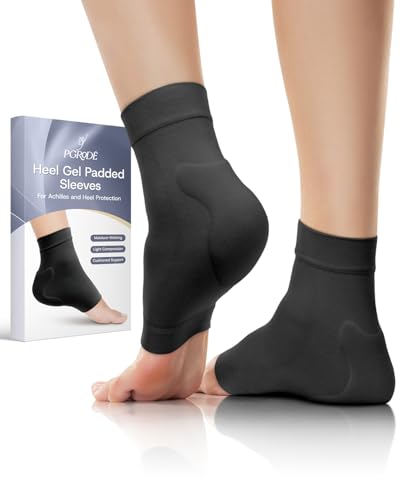
The PGRODE Achilles Tendon Sleeve uses compression and a silicone heel pad to cushion the back of the foot. It sits under the shoe, so it may help protect the tendon from direct rubbing. The sleeve is less bulky than a rigid brace and can be worn with many walking shoes. It may also feel useful when a boot collar presses on a sensitive spot.
I would consider this sleeve for mild pain, light activity, and people who dislike hard supports. Compression can make the area feel held together, but it does not provide the same control as a structured ankle brace. The right size matters because a loose sleeve can move, while a tight sleeve can irritate skin. Wash it as directed and let the skin dry between uses.
Pros:
- Combines compression with heel cushioning
- Low profile under many shoes
- May reduce rubbing from boot collars
- Light and easy to pack
- Suitable for mild daily support
- Less rigid than a medical brace
Cons:
- May slide during heavy activity
- Does not fully stabilize the ankle
- Can feel warm under thick socks
My Recommendation
This sleeve is best for women who want light compression and a soft barrier between the Achilles area and the shoe. It can improve a basic boot, but it cannot turn an unstable boot into a supportive one. Among options related to the Best Women’s Boots for Achilles Tendonitis, it is a practical add-on for mild symptoms and travel. I would not use it to mask worsening pain during exercise.
High Arch Support Work Boot Insoles

These high arch support insoles are built for work boots and other shoes used for long hours. They aim to spread pressure across the foot and add shock absorption under the heel. That can help reduce the hard feeling caused by concrete floors or stiff boot soles. They may also help people whose flat feet contribute to poor foot control.
Insoles are personal, so I would not assume that a high arch suits every woman. Some feet need more space, while others feel worse when an arch pad presses too hard. Trim only if the instructions allow it, and remove the original liner when needed to avoid a cramped fit. Give your feet a short adjustment period, then judge comfort by the whole leg, not just the arch.
Pros:
- Designed for long hours in work boots
- Adds arch structure and heel cushioning
- May reduce foot fatigue on hard floors
- Can support flat-footed users
- Useful in roomy boots
- May improve overall step control
Cons:
- High arches may feel too firm for some users
- May reduce toe room in snug boots
- Needs break-in time
My Recommendation
I recommend these insoles for women who stand or walk at work and have enough boot space for an added footbed. They may suit flat feet, tired arches, and hard work surfaces that increase heel impact. They are a good support tool when building a setup around the Best Women’s Boots for Achilles Tendonitis. Choose a size that matches the product guide, and stop if the arch creates new pain or pressure.
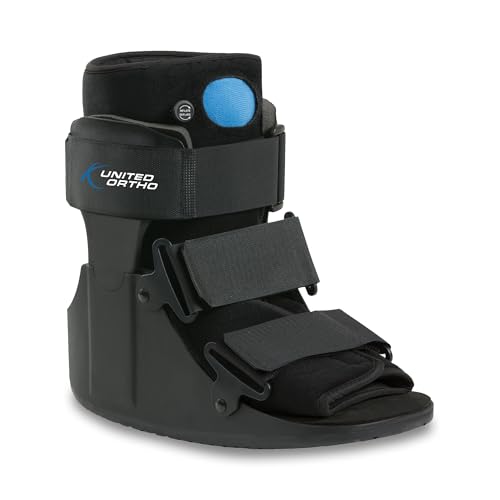
Mathgetin Air Walker Medical Boot

The Mathgetin Air Walker is a short medical boot with an inflatable air cushion. It is made for injury recovery, including ankle sprains, foot fractures, and some Achilles problems. The rigid outer frame can limit motion more than a normal ankle boot. The air feature may let the user adjust the fit around swelling, but it should never feel painfully tight.
This is the most protective item in this guide, and that also makes it the one that needs the most caution. I would use it only when a doctor or other qualified clinician recommends a walking boot. A medical boot changes gait and can place extra load on the other leg, knee, or hip. Check circulation often, use the prescribed weight-bearing plan, and do not treat it like a casual fashion boot.
Pros:
- Offers more protection than a soft brace
- Inflatable air cushion allows fit adjustment
- Useful during certain injury recovery plans
- Short design may feel easier to walk in
- Helps limit unwanted ankle motion
- Can accommodate some swelling
Cons:
- Should be used with medical guidance
- Bulky for normal daily wear
- May alter walking mechanics
- Not suitable for sports or casual use
My Recommendation
This boot is best for women recovering from a diagnosed injury when a clinician has advised immobilization or protected walking. It is not my first pick for mild Achilles tendonitis. For severe pain, a tear, or post-injury recovery, it may be more appropriate than the Best Women’s Boots for Achilles Tendonitis sold as regular footwear. Its overall value depends on correct medical use, careful fit, and a clear recovery plan.
SIIHEA Adjustable Heel Lifts

The SIIHEA heel lifts raise the heel by about one-quarter inch. A small lift may reduce the amount of stretch placed on the Achilles during each step. This can feel helpful when a flat boot makes the tendon pull sharply. The lifts are simple, light, and easy to move between compatible shoes.
I view heel lifts as a comfort tool, not a long-term answer for every person. Both shoes should use the same lift so the legs stay balanced. A lift can also change pressure under the forefoot, so increase wear time slowly. Women with leg length concerns or ongoing tendon pain should ask a clinician to check whether a lift makes sense.
Pros:
- Provides a modest heel raise
- May reduce Achilles stretch during walking
- Easy to move between shoes
- Light and discreet in many boots
- Useful for some flat-footwear users
- Simple design with no straps
Cons:
- Can change balance and pressure
- May slide in loose shoes
- Not a full ankle support
My Recommendation
I recommend these lifts for women whose pain feels worse in flat shoes and whose boots have enough heel space to hold them securely. They may be a useful part of a Best Women’s Boots for Achilles Tendonitis setup when used in both shoes. I would start with short indoor wear and watch for new forefoot or knee pain. If symptoms grow, remove them and ask for professional advice.
Memory Foam Work Boot Insoles

These memory foam and gel insoles target people who stand all day in work boots. They combine cushioning with arch support to make hard floors feel less punishing. The softer foam can provide a plush first step, while the gel area helps absorb some shock. They are listed for foot fatigue, flat feet, plantar discomfort, and Achilles tendonitis.
Soft padding feels pleasant, but comfort alone does not guarantee good support. I would use these in a stable boot with a firm heel counter and a sole that does not twist easily. Check the product’s size guidance because the listed size may not match women’s sizing in the same way as a shoe label. Replace the original liner only when the new insole fits without lifting the heel too high.
Pros:
- Comfortable for long standing periods
- Memory foam gives a soft step
- Gel may reduce heel shock
- Useful in roomy work boots
- May reduce general foot fatigue
- Supports several common foot concerns
Cons:
- Soft foam may compress over time
- Can make a snug boot feel tight
- Less controlling than a rigid orthotic
My Recommendation
These insoles are best for women who need comfort during long shifts and prefer a softer feel underfoot. They work well as part of a supportive boot system, especially when hard floors cause fatigue. For the Best Women’s Boots for Achilles Tendonitis, I would pair them with a roomy, stable ankle boot rather than a loose fashion boot. Their value is strongest for everyday comfort, not for serious injury control.
BraceAbility Plantar Fasciitis Night Splint Sock

The BraceAbility night splint sock is a lighter alternative to a hard sleeping boot. It uses a sock-like design with an adjustable strap to help keep the foot in a stretched position. Some users may find this format easier to wear in bed than a rigid brace. It may help with morning tightness linked to the calf, plantar fascia, or Achilles area.
This product belongs in a recovery routine, not in a list of boots for daytime walking. The stretch should feel mild and steady, never sharp or forceful. I recommend checking the strap and the skin after the first few uses. People with poor circulation, nerve problems, diabetes, or a recent injury should get medical advice before wearing a night splint.
Pros:
- Lightweight night-splint format
- Adjustable strap for gradual stretching
- Less bulky than many hard braces
- May help reduce morning tightness
- Useful for rest-based support
- Easy to store and travel with
Cons:
- Not made for walking
- May take time to sleep in comfortably
- Can irritate skin if worn too tightly
My Recommendation
I recommend this splint sock for women who want a gentler, lower-profile night option and have received approval to stretch the area. It does not replace a supportive daytime shoe or a medical boot. It can complement the Best Women’s Boots for Achilles Tendonitis by addressing rest-time tightness while a stable boot handles daily steps. Use it slowly and stop if pain rises.
How Achilles Tendonitis Changes Boot Choice
Achilles tendonitis affects the thick tendon that connects the calf muscles to the heel bone. Repeated load, sudden activity changes, poor conditioning, and stiff footwear can all play a role. The pain often sits above the heel and may feel worse after rest or activity. Some people also notice swelling, warmth, or tenderness when a boot collar touches the area.
A good boot does not need to be hard or heavy. It needs to help the foot move in a calm and steady way. I look for a firm heel counter, a stable sole, a soft collar, and enough room for the toes to spread. A small heel rise can feel easier than a very flat sole, but the right amount depends on the person and the cause of pain.
Women’s feet also change in size during the day. Swelling can make a boot that fits at 8 a.m. feel tight by late afternoon. I suggest trying boots with the socks and inserts you plan to use. Walk on a safe surface for several minutes and check for heel slip, pressure, and rubbing.
What I Look For in the Best Women’s Boots for Achilles Tendonitis
Stable heel counter
The heel counter is the part of the shoe that wraps around the back of the heel. A firm counter can limit unwanted side-to-side motion. It should hold the heel without digging into the tendon. A soft edge is important because even a stable counter can hurt if the top rubs the sore area.
Moderate heel height
A completely flat boot may increase the stretch felt by the Achilles. A modest heel-to-toe drop can feel more comfortable for some people. I do not suggest a tall fashion heel because it can shift body weight forward and reduce stability. A low, broad heel is often a safer daily choice.
Flexible forefoot
The front of the boot should bend near the toes. If the entire sole bends in the middle, the boot may lack support. If it never bends, the foot may work too hard with each step. The best balance is a stable middle with controlled flex near the front.
Room for swelling and inserts
Extra room does not mean a sloppy fit. The toes need space, but the heel should stay secure. Look for a removable insole, adjustable laces, or a wide opening. These features make it easier to add a heel cup, sleeve, or orthotic without crushing the foot.
Traction and weather protection
A slip can place a sudden load on the Achilles. A rubber outsole with clear tread can help on wet sidewalks and uneven paths. Waterproof materials may help outdoor users, but they can feel warmer and less flexible. Choose weather protection based on your real use, not just the label.
Boot Features That May Increase Achilles Pain
Some boots look stylish but create a poor setup for a sore tendon. A narrow toe box can change how the foot lands. A stiff collar can press directly on the tender spot. A loose heel can slide up and down, causing repeated rubbing with each step.
I would also avoid worn soles, thin hard footbeds, and unstable platforms. A boot that twists like a towel gives the foot little help. Tall heels can feel fine for a short event but may not suit long walks or work shifts. If a boot causes pain within minutes, do not expect your body to “get used to it.”
How to Fit Boots for Achilles Tendonitis
Measure both feet near the end of the day. Use the larger foot as your guide. Wear the socks that you normally use, and place any insert inside the boot before testing the fit. Keep about a thumb’s width between the longest toe and the front of the boot.
Next, walk on a clean indoor floor. Your heel should stay mostly in place, but a small amount of natural movement is normal. The collar should not scrape the tendon. Try stairs if the store or home setting allows it, because a boot may feel fine on flat ground but rub during a step-up.
Break in new boots in short sessions. Start with 15 to 30 minutes, then remove them and inspect the skin. Increase time only when the foot and tendon feel calm later that day. This slow plan can prevent a small pressure point from becoming a large problem.
Boots, Inserts, and Braces: Which Combination Works?
A supportive boot forms the base. An insert can add arch control or heel cushioning. A sleeve can reduce rubbing, while a brace can limit movement. You do not need every layer at once. Too many products can crowd the shoe and create new pressure.
I prefer to change one part at a time. First, test the boot with normal socks. Then add an insole if the boot has room. Try a sleeve on a different day, and check whether it changes the fit. This method helps you learn what works instead of guessing.
Medical walking boots are different. They can protect an injured foot, but they also change the way you walk. Use one only under a clear care plan. If pain comes from a tendon tear, infection, fracture, or another serious condition, a standard comfort boot is not enough.
Signs You Should Stop Wearing a Boot
Remove the boot if you notice numbness, tingling, unusual coldness, blue or pale skin, or sharp new pain. Blisters and lasting red marks also signal a fit problem. Mild pressure during a first fitting may be normal, but pain that grows with each step is not.
Seek prompt medical care for a sudden pop, major swelling, bruising, a deep dent in the tendon, or trouble pushing off the toes. These signs may point to more than routine tendon irritation. A professional can examine strength, motion, gait, and the need for imaging.
Best For Comparison Table
| Best for | Why |
|---|---|
| Daily walking and light trails | Orthopedic waterproof ankle shoes combine support, grip, and outdoor coverage. |
| Long work shifts | Arch-support work insoles add cushioning and help reduce fatigue on hard floors. |
| Diagnosed injury recovery | The Mathgetin Air Walker offers stronger motion control when a clinician recommends it. |
Care and Use Tips for Longer Comfort
Keep boots dry and let them air out between wears. Damp interiors can soften skin and increase rubbing. Clean removable insoles as directed, and replace them when they flatten or develop a permanent tilt.
Do not lace so tightly that the back of the ankle feels squeezed. Use the upper eyelets for a secure heel when the boot allows it, but leave the collar comfortable. A smooth sock with a little padding can reduce friction without adding too much bulk.
Stretching and strengthening may form part of Achilles care, but the right plan depends on the injury stage. Gentle movement may help some people, while heavy loading during a flare can make symptoms worse. I would follow a physical therapist’s plan rather than copy a random routine online.
FAQs Of Best Women’s Boots for Achilles Tendonitis
What are the best women’s boots for Achilles tendonitis?
The best pair usually has a stable heel counter, a soft collar, a low broad heel, good grip, and enough room for swelling or an insert. The waterproof orthopedic trail ankle shoes in this guide are a strong daytime choice for walking and outdoor use. Your foot shape and the cause of pain still matter most.
Should I wear flat boots with Achilles tendonitis?
Some people tolerate flat boots, but a very flat sole may increase the stretch felt at the back of the ankle. A modest heel rise may feel better during a flare. Avoid making a sudden change in heel height, and stop if the new boot increases pain.
Can insoles help Achilles tendonitis?
Insoles may improve cushioning, arch control, and pressure spread. They cannot repair a damaged tendon. Use them only when they fit without making the boot tight, and introduce them for short periods.
Is a walking boot safe for Achilles tendonitis?
A medical walking boot may be useful for a diagnosed injury, but it can alter gait and create stress elsewhere. Use it only when a qualified clinician recommends it. Do not self-treat a suspected tear with a boot bought online.
How long should I wear a supportive boot?
Wear time depends on your symptoms, activity, and care plan. Start with short sessions and check your skin and pain later in the day. A boot should support activity, not allow you to ignore worsening symptoms.
Final Verdict: Which Should You Buy?
For daily use, the waterproof orthopedic trail ankle shoes are my top pick because they balance grip, support, and comfort. Add a heel cup or insole only if the fit has enough space. The Mathgetin Air Walker is best for clinician-guided injury recovery.
The Best Women’s Boots for Achilles Tendonitis should fit calmly, protect the heel, and support steady steps. Choose comfort over fashion, break boots in slowly, and seek care for severe or sudden pain.

Madison Clark is a footwear expert and the voice behind MyStyleGrid.com. She specializes in honest shoe reviews, style tips, and practical guides to help readers find the perfect pair for any occasion. With years of experience in blogging and content creation, Madison makes footwear knowledge simple, stylish, and easy to follow.