Yes — most Ariat boots with Goodyear welt or stitch down construction can be resoled.
I’ve worked with boots and cobblers for years, and I’ve studied Ariat’s construction methods closely. This article explains when and how can Ariat boots be resoled, which models are best for resoling, how much you can expect to pay, and tips to get the job done right. Read on for practical steps, real-world experience, and clear recommendations so you can decide if resoling your Ariat boots makes sense.

Can Ariat boots be resoled? Detailed answer and overview
Most Ariat boots can be resoled if they use a welted construction or have a durable stitch-down build. Ariat makes boots with Goodyear welt, cemented soles, and flexible constructions. Goodyear welt and stitch-down styles are the easiest and most cost-effective to resole. Cemented soles and fused rubber soles are harder and may not be worth resoling.
Key points at a glance:
- Goodyear welt and stitch-down = good candidates for resoling.
- Cemented/fused soles = limited or no resoling options.
- Heel replacement is often easier than full sole replacement.
- Wear pattern, upper condition, and age affect whether resoling is worth it.
I’ve sent Ariat boots to both factory repair and local cobblers. In my experience, a well-made Ariat with a solid upper and welt will take new soles and return to near-original comfort. If the leather upper is cracked, thin, or badly misshapen, resoling won’t fix those issues. Throughout this article I’ll describe how resoling works, costs, choices for materials, and practical tips to preserve your investment.
How resoling works: methods and what to expect
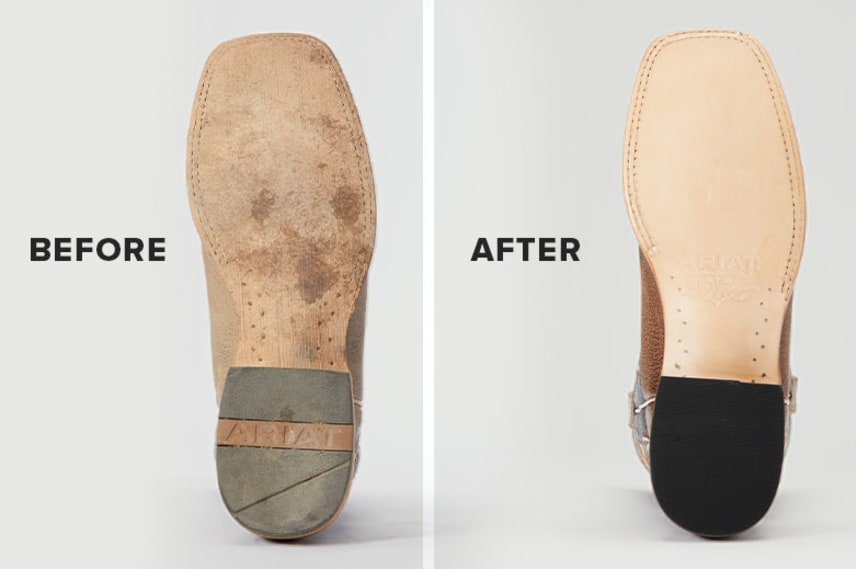
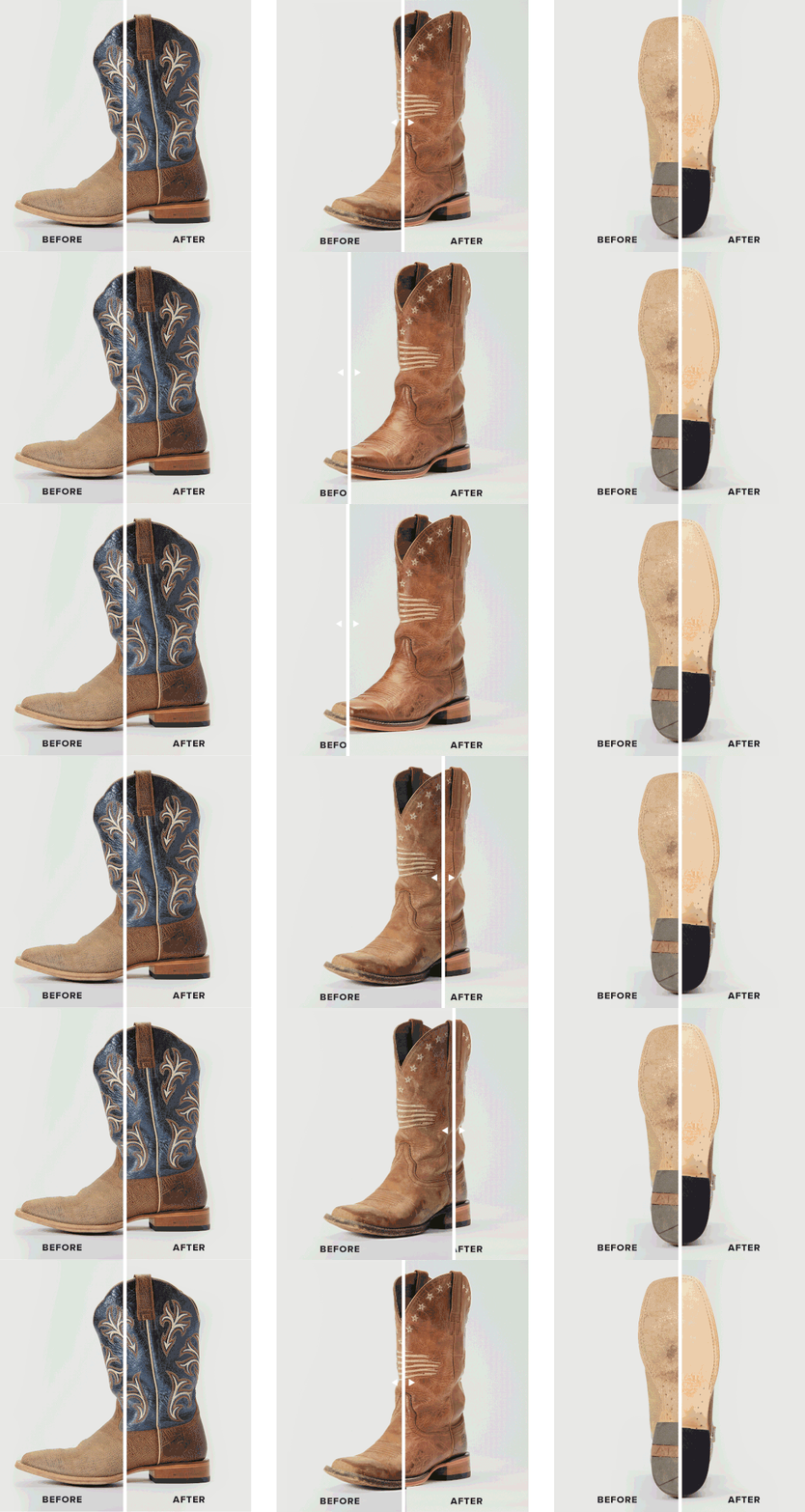
Resoling replaces worn outsole material with new material. The cobbler removes the old sole, inspects the welt and upper, repairs or replaces the welt if needed, and attaches a new sole. The method depends on original construction.
Resoling methods:
- Goodyear welt resoling: Old sole removed; new sole stitched to the welt. This method creates a durable, water-resistant join and is preferred.
- Stitch-down resoling: The sole is re-attached by stitching the turned-down upper edge. Works well when the boot was built this way.
- Cemented sole replacement: Old glue is removed and a new sole is glued on. This is quicker but less durable than stitching.
- Partial or top-sole replacement: Only the very bottom layer is replaced to preserve original profile and reduce cost.
What to expect after resoling:
- Stiffer break-in for a short time if thicker soles are used.
- Resoled boots may look slightly different, but will perform well if done correctly.
- Lifespan depends on sole material and how you care for the boots.

Which Ariat models are good candidates for resoling
Not all Ariat boots are built the same. Here’s how to judge if your pair can be resoled.
Good candidates:
- Boots labeled Goodyear welt or welted construction.
- Stitch-down work and western models built with leather welts.
- Higher-end Ariat dress boots and heritage lines.
Poor candidates:
- Lightweight cemented-fashion boots with glued-on rubber.
- Boots with fused, molded single-piece soles.
- Very cheap or heavily glued soles that weren’t meant for resoling.
Check your boots for a visible welt seam between the upper and the sole. If you see stitching there, you likely have a resolable boot. If the sole looks molded to the upper with no stitch or welt, resoling will be difficult.
Cost breakdown: how much does it cost to resole Ariat boots?
Costs vary by method, materials, and location. Expect these rough ranges:
- Heel replacement only: $20–$50.
- Basic rubber resole (glued): $40–$80.
- Goodyear welt resole with quality leather or rubber: $80–$180.
- Premium Vibram or specialty soles: $120–$250.
Factors that affect price:
- Type of sole material (leather, rubber, Vibram).
- Extent of repair (welt replacement, upper repairs).
- Labor rates in your area or cobbler expertise.
- Additional services (edge finishing, polishing).
I once paid $150 to resole a Goodyear-welted Ariat. The boots came back sturdy and comfortable. If the boots are valuable to you, paying for a high-quality resole is usually cheaper than buying a new pair of similar quality.
Where to get Ariat boots resoled: factory vs. local cobbler
You have choices. Each has pros and cons.
Authorized Ariat repair:
- Pros: brand experience, warranty on workmanship.
- Cons: slower turnaround, limited repair options, higher cost.
Independent cobbler:
- Pros: faster service, more custom options, often lower cost.
- Cons: quality varies; choose experienced cobbler familiar with welt work.
How to choose a cobbler:
- Look for examples of Goodyear welt work.
- Ask about specific sole brands (Vibram, Dainite).
- Read reviews and ask for references.
- Request a written estimate and expected turnaround.
I prefer a reputable local cobbler for most resoles. They give clearer estimates and I can inspect materials before work starts. For rare or under-warranty items, use the factory repair.

Best sole materials for resoling Ariat boots
The right sole depends on your needs. Here are common choices:
-
Leather soles
- Classic look and good breathability.
- Less grip on wet surfaces; better for dress use.
-
Rubber soles
- Durable, shock-absorbing, and slip-resistant.
- Great for work, hiking, and wet conditions.
-
Vibram soles
- High-performance rubber with excellent traction.
- Popular for work and outdoor boots.
-
Dainite or commando soles
- Chunky lug patterns for traction.
- Good for all-weather wear.
Choose leather for style and breathability. Choose rubber or Vibram for daily work, wet climates, and long wear. Your cobbler can recommend thickness and tread pattern to match your boot’s look.
When NOT to resole your Ariat boots
Resoling isn’t always the best option. Avoid resoling when:
- The leather upper is cracked, thin, or losing structural integrity.
- Stitching on the upper is damaged beyond reasonable repair.
- Boots are heavily water-damaged or rotted.
- The cost to resole approaches the cost of a new pair.
If the upper can’t support a new sole, resoling will feel like a short-term fix. I once tried to resole a pair with shredded lining and lost shape; the repair didn’t hold because the upper was compromised. Save your money for a better pair if the upper is failing.

How to prepare your Ariat boots for resoling
A smooth process helps keep costs down.
Steps to prepare:
- Clean your boots well. Remove dirt and salt with a brush and mild cleaner.
- Condition leather lightly if dry. Do not over-saturate.
- Remove old insoles if requested by the cobbler.
- Point out any damage like broken eyelets or torn lining.
- Ask the cobbler to photograph the boots before work if desired.
A clean, dry boot makes the cobbler’s job easier. It reduces surprises and can lower labor costs.
Maintenance tips to extend sole life after resoling
Good care keeps your new soles working longer.
Simple maintenance:
- Rotate footwear. Don’t wear the same boots every day.
- Keep them clean. Brush off mud and salt after use.
- Condition leather uppers every 3–6 months.
- Replace heel blocks early when they show wear.
- Use resoling as part of long-term ownership, not a last resort.
I rotate three pairs in my work rotation. That simple habit doubled the times I could resole them before replacing the boot entirely.
Personal experience and common mistakes to avoid
From years of testing and repairs, I’ve learned practical lessons.
What worked for me:
- Choosing cobblers who specialize in welt work yields the best results.
- Upgrading to a Vibram sole improved traction and comfort.
- Spending a bit more on a quality resole saved me money long-term.
Common mistakes:
- Choosing the cheapest resole without checking the method.
- Resole when the upper is damaged — this creates wasted expense.
- Ignoring proper break-in after resoling. New soles need short adjustment time.
Be frank with your cobbler about how you use the boots. That helps them advise the best sole and thickness.
People also ask — quick answers (PAA-style)
Can all Ariat boots be resoled?
No. Only Ariat boots with welted or stitch-down constructions are easily resoled. Cemented or fused soles are much harder or not cost-effective.
How long does resoling take?
Typically 1–3 weeks depending on demand and repair complexity. Some local cobblers can do it in a few days.
Will resoling change fit or comfort?
It can slightly change feel during break-in, but a proper resole restores support and can improve comfort with modern sole materials.
Is resoling worth it for cheap Ariat boots?
Usually not. If the original cost was low and the upper is thin, buy a new pair instead.
How many times can Ariat boots be resoled?
Welted boots can be resoled multiple times until the welt and upper wear out. Often 2–5 times depending on wear and care.
Frequently Asked Questions of can ariat boots be resoled
Are Ariat work boots typically resoleable?
Yes. Many Ariat work boots that use welt or stitch-down methods are resoleable, especially higher-end lines.
How do I know if my Ariat boots are Goodyear welted?
Look for a visible stitched welt between the upper and the sole, often showing a row of stitching around the boot perimeter.
Can I resole Ariat cowboy boots?
Most cowboy-style Ariat boots with leather welts can be resoled. Choose a cobbler experienced with western boot profiles.
Will Ariat replace soles under warranty?
Ariat warranty usually covers manufacturing defects, not wear. Sole wear is typically a maintenance issue, not warranty-covered.
Does resoling affect water resistance?
A proper Goodyear welt resole maintains or improves water resistance; poor glue-only resoles may reduce it.
Can I change the sole type when resoling Ariat boots?
Yes. You can often switch from leather to rubber or to a Vibram sole to suit your needs and improve durability.
How much should I tip for a cobbler who resoles Ariat boots?
Tipping is not required. Many clients leave positive reviews or return for repeat business instead of tipping.
Conclusion
Resoling is a smart way to extend the life of many Ariat boots. If your boots are welted or stitch-down and the uppers are sound, resoling can restore function, improve traction, and save money over buying new shoes. Choose quality materials, pick a skilled cobbler, and maintain the boots afterward to get the most value. Evaluate upper condition, get an estimate, and then decide.
Take action: inspect your Ariat boots today, check for a welt, and get a quote from a trusted cobbler. If you found this helpful, leave a comment or share your resoling story.

Rubel Miah is the Senior Editor at MyStyleGrid.com, where he brings a sharp editorial eye and an unshakable love for fashion to everything he does. A true style addict, Rubel lives and breathes trends, from streetwear to high fashion, and has a knack for turning inspiration into impactful stories. With years of experience in fashion journalism and digital media, he curates content that empowers readers to express themselves through style. When he’s not editing features or forecasting the next big thing, you’ll find him hunting down vintage pieces or capturing street style moments around the city.