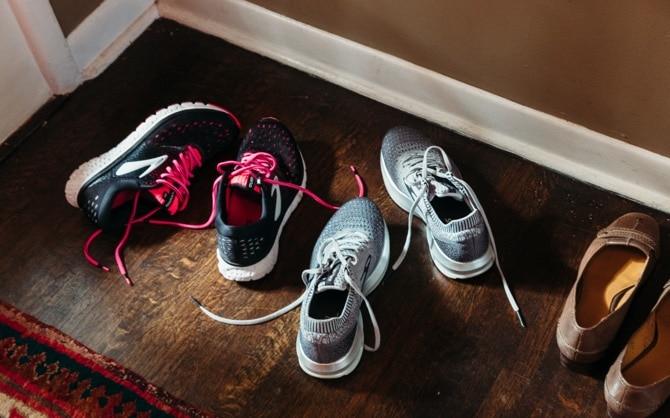
Most Brooks running shoes last about 300–500 miles, depending on use and care.
I’ve tested many Brooks models and worked with runners for years, so I know what affects shoe life and when to replace them. This guide breaks down real-world lifespan estimates for Brooks running shoes, explains the signs of wear, lists easy steps to extend life, and helps you pick a model that fits your needs. Read on to learn exactly how long do brooks running shoes last and how to get the best value from every pair.
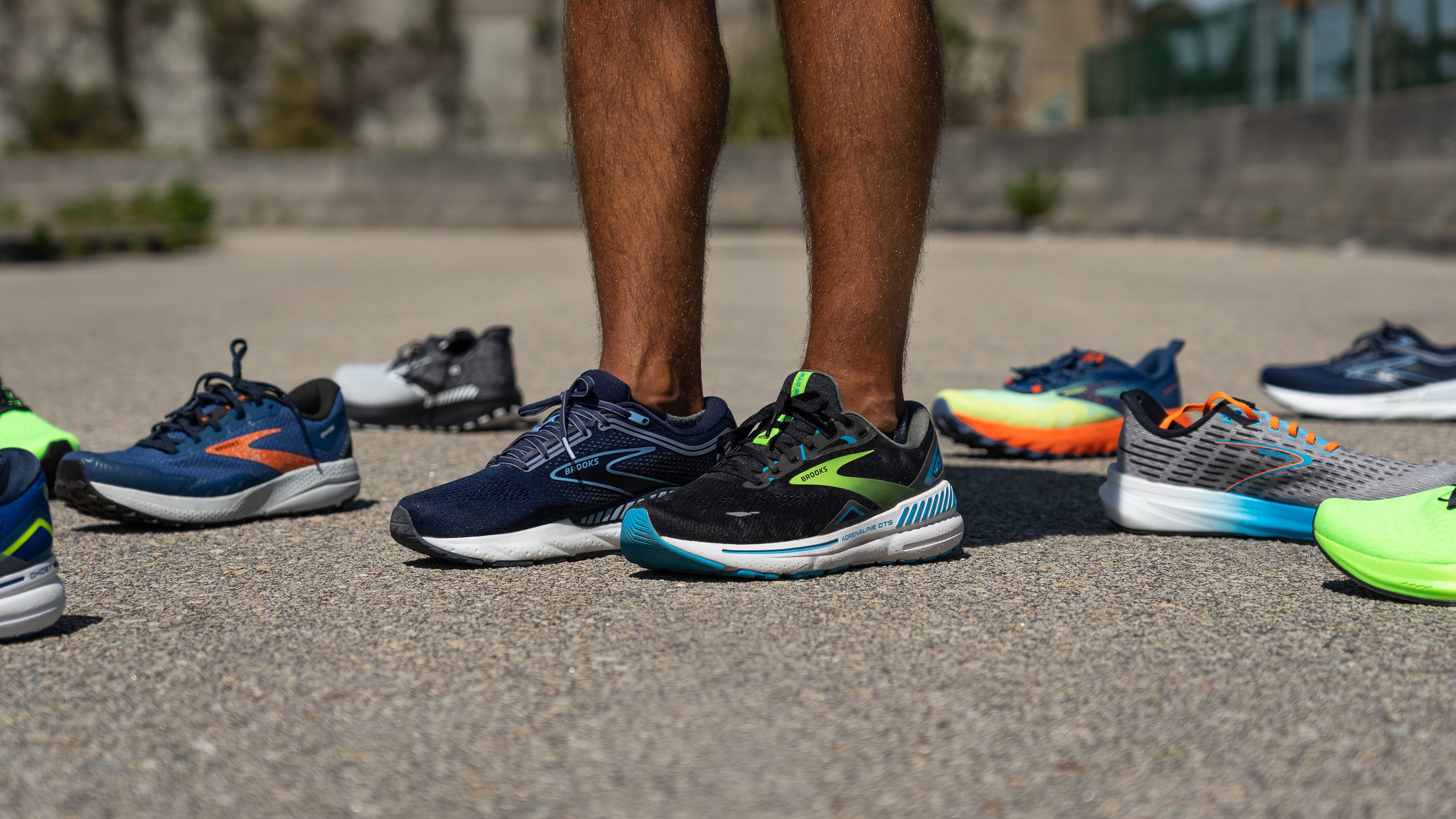
How long do Brooks running shoes last: general lifespan
Most runners can expect Brooks running shoes to last between 300 and 500 miles. Lighter trainers and racing flats tend toward the lower end. Cushioned daily trainers usually hit the higher range if cared for well.
Here are typical lifespan ranges by use:
- Daily training: 350–500 miles for cushioned models.
- Tempo/race shoes: 200–350 miles for lightweight racers.
- Trail shoes: 300–500 miles, depending on terrain and outsole wear.
These ranges are rough. Your mileage will vary with your body, form, routes, and how you maintain the shoes. If you track runs, note mileage per shoe to make replacement decisions clear.
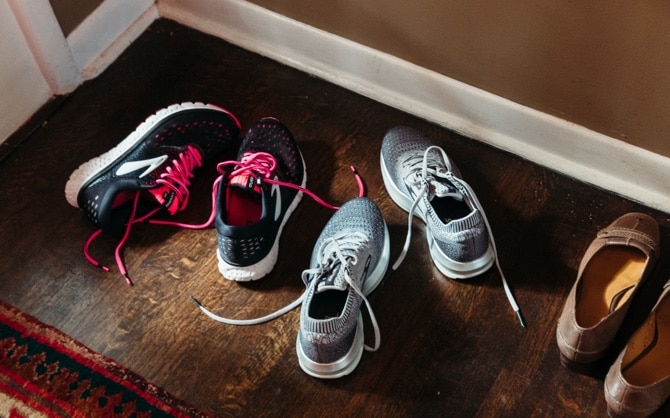
Factors that affect how long do Brooks running shoes last
Many variables change shoe life. Knowing them helps you predict when to swap pairs.
- Runner weight and stride: Heavier runners and strong heel strikers compress midsoles faster.
- Weekly mileage and frequency: More miles per week mean faster breakdown.
- Surface and terrain: Paved roads wear out cushioning and outsoles differently than rough trails.
- Shoe purpose and construction: Foam type and outsole rubber vary across Brooks models and affect lifespan.
- Gait and cadence: Low cadence or uneven gait raises local wear.
- Climate and storage: Heat and humidity degrade foam faster; dry, cool storage helps.
- Shoe rotation and care: Rotating pairs and cleaning them gently extends life.
Understanding these factors answers part of why lifespan ranges differ so much. Track both miles and feel to make better decisions.
How to tell when your Brooks running shoes need replacement
Use objective signs and how they feel on runs. The body often tells you before the shoe does.
- Cushioning feels flat or less responsive during normal runs.
- Midsole compression or visible creasing, especially in the forefoot and heel.
- Outsole rubber shows deep wear patterns or holes, exposing midsole foam.
- New aches, knee or hip pain, or a different gait when running in the shoes.
- Increased foot slippage or recurring blisters where fit changed.
A practical rule: if the shoes feel different and your form suffers, they’re likely past their best. Track mileage and check shoes every 50–100 miles for early signs.

Extending the life of your Brooks running shoes
You can get more miles from a pair with simple habits. These tips preserve foam and structure.
- Rotate two or more pairs so foams decompress between runs.
- Use each shoe for its intended purpose (don’t use road trainers as hiking shoes).
- Air dry wet shoes, avoid direct heat and tumble dryers.
- Clean soles and remove grit that speeds wear; avoid harsh detergents.
- Replace insoles when needed to maintain comfort and hygiene.
- Store shoes in a cool, dry spot away from sunlight.
- Track mileage in a running app or log to know when you’re nearing replacement.
These actions don’t stop wear, but they slow it. From my experience, simple rotation adds 20–30% more usable life.
Picking the right Brooks model for longevity
Choice of model matters for lifespan. Brooks uses different foams and designs that balance weight, cushion, and durability.
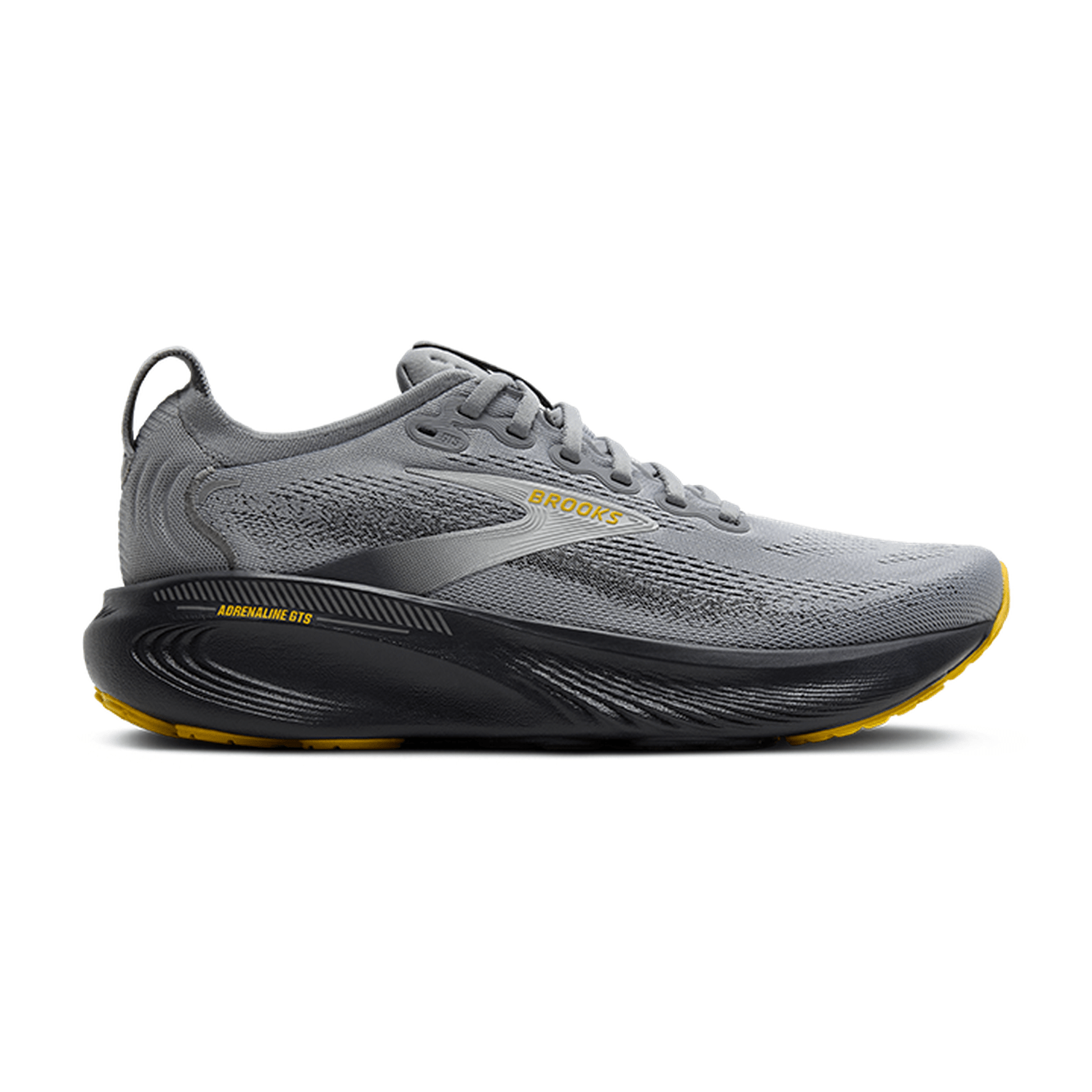
- Daily trainers (Ghost, Adrenaline): Built for many miles with durable foams and rubber. Expect closer to 400–500 miles.
- Premium cushion (Glycerin, Levitate): Soft foams give comfort but may compress quicker under heavy use; expect 300–450 miles.
- Light trainers and racers (Launch, Hyperion): Lighter foams and less rubber mean shorter life, around 200–350 miles.
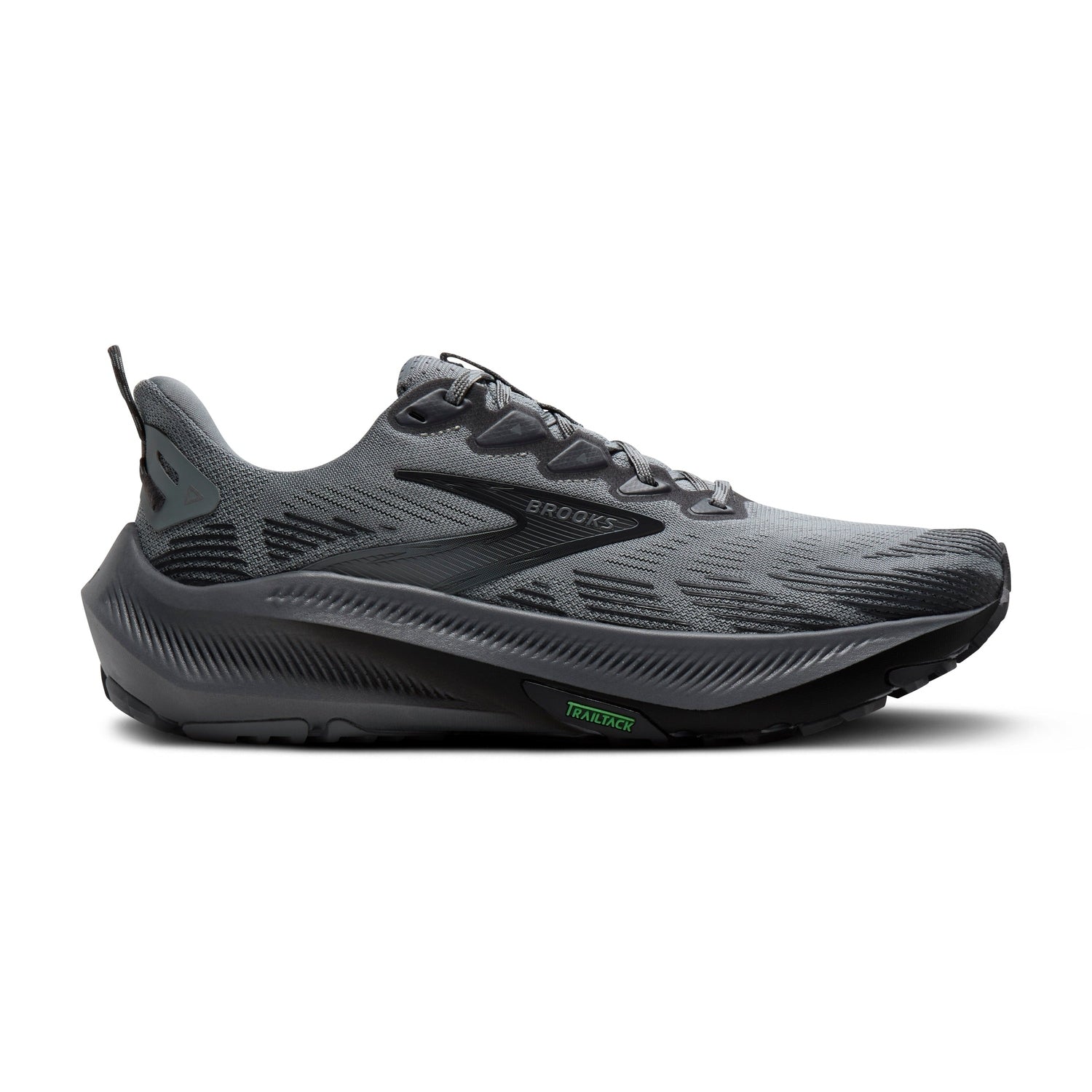
- Trail models (Cascadia): Durable outsoles and reinforced uppers for rough terrain; mileage varies by trail type.
If longevity matters most, choose a daily trainer with robust outsole rubber and a firmer midsole compound. Ask a specialty store to compare models based on your running style.
How long do brooks running shoes last: real-world experience and mistakes to avoid
I’ve used Brooks pairs for tempo runs, long runs, and races. Here’s what I learned the hard way.
- Mistake: Using a single pair for every run. Result: early midsole collapse and niggling injuries.
- Best fix: Rotate a trainer and a light trainer. The trainer handles volume; the light shoe gives speed without killing the daily pair.
- Mistake: Ignoring small changes in feel. Result: form breakdown and longer recovery times.
- Best fix: Log mileage and pay attention to comfort; swap shoes when cushioning fades.
In my coaching work, runners who rotate shoes and track miles report fewer aches and get close to the top range of expected mileage. Trust how a shoe feels and replace when performance drops.
Frequently Asked Questions of how long do brooks running shoes last
How many miles should I expect from Brooks running shoes?
Most Brooks running shoes last about 300–500 miles, with lightweight racers at the lower end and daily trainers at the higher end. Exact miles depend on weight, gait, and surface.
Can I extend the life of Brooks shoes by washing them?
Hand washing with mild soap and air drying is fine, but avoid washing machines and dryers; heat and agitation can weaken foam and glue. Clean soles and remove debris to slow outsole wear.
Do Brooks shoes wear out faster on trails or roads?
Rough trails can abrade outsoles faster, while roads compress foam more. Trail shoes with rugged outsoles often last longer off-road than road shoes used on trails.
Is it okay to resole or rebuild Brooks shoes?
Most modern running shoes aren’t designed for resoling; replacing insoles is helpful, but resoling is rarely cost-effective. It’s usually better to buy a new pair when cushioning and fit degrade.
How can I track when to replace my Brooks shoes?
Log miles per shoe in a running app or notebook and check for signs like loss of cushion, new aches, or visible wear after 300–400 miles. Replace sooner if you notice problems.
Conclusion
Brooks running shoes typically last 300–500 miles, but real lifespan depends on body, use, and care. Watch for loss of cushioning, outsole wear, and new pains as clear signals to replace a pair. Rotate shoes, clean them gently, and pick a model suited to your needs to get the most miles.
Take action: check your running log, inspect your current pair, and plan replacements before performance drops. If you found this useful, leave a comment with your model and mileage or subscribe for more gear guides and practical running tips.

Madison Clark is a footwear expert and the voice behind MyStyleGrid.com. She specializes in honest shoe reviews, style tips, and practical guides to help readers find the perfect pair for any occasion. With years of experience in blogging and content creation, Madison makes footwear knowledge simple, stylish, and easy to follow.