Ever wondered if your Birkenstock clogs can handle rain, puddles, or a quick rinse without wrecking their comfort and style? I’ve been wearing and fitting Birkenstocks for years, and I’ve tested them in real life—on rainy school runs, beach trips, and long days on my feet. Here’s what happens when they get wet, which models cope better, and exactly how to care for them so they last.
Your shoes are an investment. You want the fit to stay perfect, the footbed to keep its shape, and the leather to age well. Below, you’ll learn how different Birkenstock materials react to water, what to do if your clogs get soaked, and the simple care routine I follow to keep mine fresh. Read on to protect your pair—and enjoy them in more places with confidence.
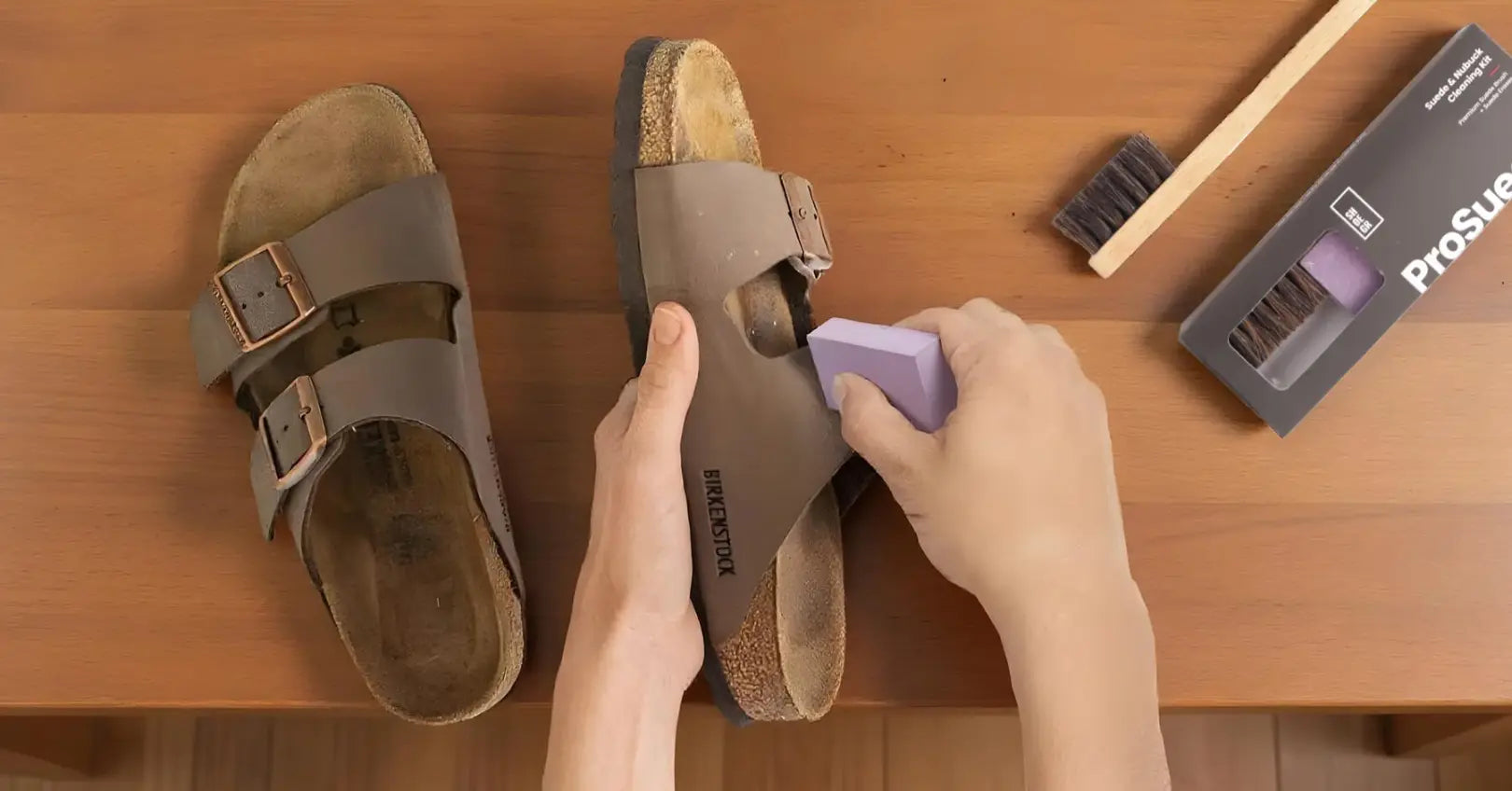
<p class="wp-block-paragraph">Credit: www.shoegr.com </p>
Birkenstock Clogs And Water Exposure
Birkenstock clogs are loved for their support and timeless look. But can they handle water? The short answer: it depends on the model and the materials. Knowing how each part reacts to moisture is the key to smart care and longer life.
Not all Birkenstocks are built the same. Classic clogs with a cork-latex footbed and leather or suede uppers need more care around water. Others, like EVA or PU-based clogs, are far more water-friendly. Understanding the differences can save your favorite pair.
Materials Used In Birkenstock Clogs
Birkenstock clogs come in a mix of natural and synthetic materials. Each has pros and cons around water.
- Cork-latex footbed: The signature support and contour. Light, springy, and breathable.
- Leather (smooth, oiled, or nubuck): Durable and ages beautifully with care. Can dry out if soaked.
- Suede: Soft and cozy, but shows water spots and needs gentle cleaning.
- Birko-Flor and microfiber (vegan options): Synthetic uppers that resist stains better than suede and many leathers.
- EVA (Ethylene Vinyl Acetate): Foam-like, ultra-light, waterproof, and quick-drying. Great for beach, pool, or showers.
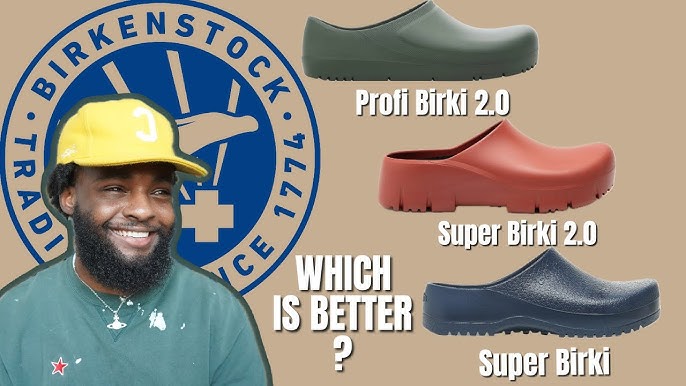
- PU (Polyurethane) clogs like Super Birki/Profi Birki: Hard-wearing, oil- and water-resistant, and easy to wash.
How Water Affects Different Materials
Water affects each material in its own way. Here’s what I see most often:
- Cork: Absorbs water and can swell if soaked. Repeated soaking can lead to cracking, crumbling, and loss of shape. Edge sealing helps a lot.
- Leather: Gets stiff, loses natural oils, and can crack as it dries. Needs slow drying and conditioning to stay supple.
- Suede: Spots and roughens with water. Benefits from a suede brush and a protective spray.
- Birko-Flor/Microfiber: More forgiving around light moisture; still avoid full soaking.
- EVA & PU: Handle water well. These are your “don’t stress” options for wet use.
Bottom line: avoid soaking cork and leather. If they do get wet, dry them low and slow—no heat guns, radiators, or direct sun. That simple rule extends the life of your clogs by years.
Model-Specific Water Tolerance (Quick Guide)
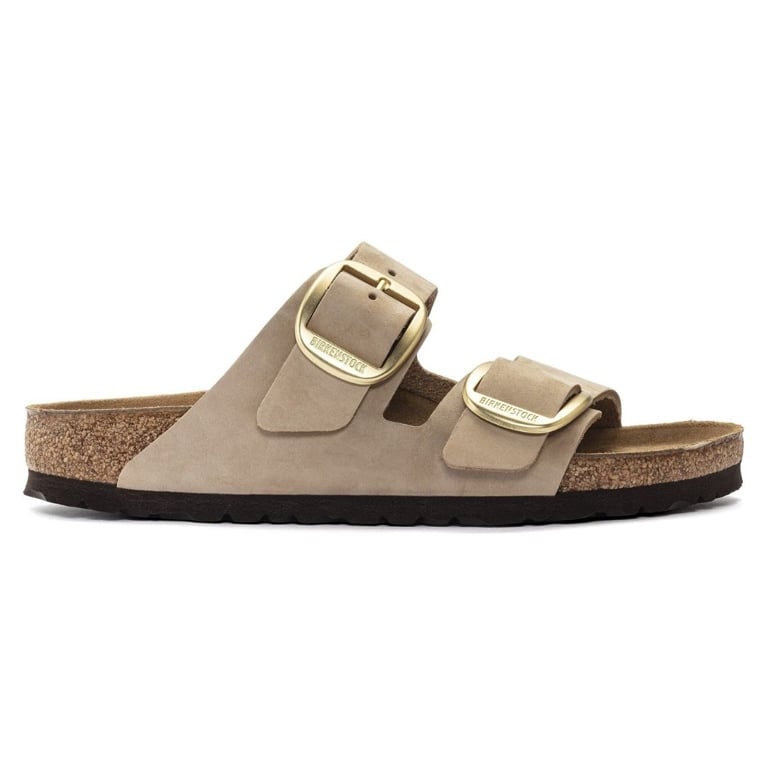
- Boston (cork footbed + leather/suede): Not water-resistant; treat with care in rain.
- Super Birki / Profi Birki (PU clogs): Water- and oil-resistant; great for kitchens, gardens, and wet work.
- EVA clogs/sandals: Fully waterproof; ideal for beach, pool, and showers.
- Arizona with cork footbed: Same rules as Boston—limit water; dry with care.
<p class="wp-block-paragraph">Credit: chatelaine.com </p>
Risks Of Getting Birkenstock Clogs Wet
Yes, you can get caught in the rain now and then. That’s life. But frequent or deep soaking causes issues that add up. Here are the big risks and what I’ve learned from fixing and wearing them.
Impact On Cork Footbed
The cork-latex footbed is the heart of a Birkenstock. When it gets soaked:
- Swelling and softening: The footbed can deform and lose that precise arch and heel cup.
- Cracking over time: Repeated wet-dry cycles dry the cork out, leading to chips and cracks—often at the edges.
- Delamination risk: Moisture can weaken the bond between layers.
Once the footbed shape goes, comfort drops fast. It’s hard to get that exact feel back without a professional repair.
Effect On Leather And Suede
Leather and suede look and feel amazing—until they’ve been soaked and rushed to dry.
- Leather: Can stiffen, lose oils, and show water spots or salt stains. Needs slow drying and a conditioner.
- Suede: Shows tide marks and can feel rough. A suede brush helps, but deep water spots can be stubborn.
My rule: if leather or suede gets wet, treat it that evening. It takes minutes and saves headaches later.
Potential For Odor And Mold
Damp, dark footbeds are a playground for bacteria and mold. That leads to:
- Persistent odor: Hard to shake if moisture lingers in the footbed or lining.
- Mildew growth: Can stain and break down materials further.
Good airflow and complete drying stop almost all odor issues before they start.
Safe Ways To Clean Wet Birkenstock Clogs
If your clogs get wet, don’t panic. With the right steps, you can protect the cork, keep the leather soft, and prevent odor. Here’s my simple, proven routine.
Drying Techniques To Avoid Damage
- Blot off excess water with a clean towel—do not wring or twist.
- Air dry at room temperature, out of direct sun. No heaters, radiators, or hair dryers.
- Lightly stuff the clogs with paper towels to draw out moisture. Replace as they dampen.
- Give them space and airflow. A fan on low across the room helps.
- Let the cork dry fully before wearing again. Rushing this step shortens the life of the footbed.
Cleaning Products That Work
- Mild soap + lukewarm water: Wipe leather, Birko-Flor, or EVA with a soft cloth. Rinse cloth and repeat as needed.
- Soft brush: Lift dirt from suede or footbed gently. A suede brush revives nap after drying.
- Cork sealant: Re-seal the exposed cork edges to lock out moisture and prevent crumbling.
- Leather cleaner/conditioner: Keeps leather supple and prevents cracking after it dries.
What To Avoid When Cleaning
- No soaking. Dunking damages cork and stains leather.
- No bleach or harsh detergents. They dry out materials fast.
- No washing machines or dryers. Agitation and heat can warp, shrink, or delaminate components.
- No aggressive scrubbing. Gentle, repeated passes work better and protect finishes.
Step-by-Step: My Quick Recovery Routine After Rain
- Remove surface water with a towel.
- Loosen straps to open airflow inside the clog.
- Stuff with paper towels; replace once.
- Let dry overnight in a cool, shaded spot.
- Next day: brush suede or wipe leather, then condition leather lightly.
- Inspect cork edges; apply cork sealant if the finish looks dry or worn.
Deep Clean For Mud, Salt, Or Stains
- Mud: Let it dry, then brush off. Spot clean with mild soap on a damp cloth.
- Salt rings (winter streets): Wipe with a damp cloth, then condition leather. For suede, use a suede eraser and brush.
- Persistent odor: Sprinkle a light dusting of baking soda on the dry footbed overnight; brush off in the morning.
Preventing Water Damage
A little prep goes a long way. With a few habits and the right products, you can wear your clogs more often without worry.
Water is tough on leather and cork. Stains, shrinkage, and loss of shape happen when moisture sneaks in. Prevent it at the source, and your clogs will look and feel great for years.
Waterproofing Tips
- Use a water-repellent spray made for leather, suede, or microfiber. It helps water bead off instead of soaking in.
- Apply to clean, dry uppers in a light, even coat. Let cure before wearing.
- Reapply every few months, or sooner in rainy seasons.
- Keep the cork edges sealed. A thin layer of cork sealant every so often prevents drying and chipping.
Using Protective Sprays
- Match the spray to the material (leather vs. suede vs. microfiber).
- Spray lightly; more is not better. Avoid saturating the surface.
- Allow full dry time. Rushing can trap moisture and cause spotting.
Best Practices For Outdoor Use
- Steer clear of deep puddles and wet grass when possible.
- After wet wear, clean light dirt right away and let the clogs breathe.
- Rotate pairs. If one gets damp, give it a full day off to dry.
- Choose the right model for the day—EVA or PU clogs for heavy rain or garden work.
Water-Friendly Birkenstock Options (When You Expect To Get Wet)
Some Birkenstocks are built for wet conditions. If you live in a rainy area or want beach-ready footwear, these are smart picks:
- EVA sandals and clogs: Fully waterproof, super light, and easy to rinse. Ideal for pool, beach, or travel.
- Super Birki / Profi Birki (PU): Durable, water- and oil-resistant clogs used by chefs, gardeners, and healthcare workers. Washable and tough.
- Removable insoles (on some PU models): You can take them out to clean and dry faster.
For classic cork-footbed clogs like the Boston, think “light rain is fine, soaking is not.” For water-heavy days, swap to EVA or PU, then slide back into your cork footbed when things are dry.
Real-World Scenarios: How I Wear Mine
Rainy Commutes
If rain is on the radar, I treat the leather the night before and bring a backup pair for the office. If they do get wet, I stuff and air dry at my desk. No heat vents.
Beach And Pool Days
I leave the cork-footbed clogs at home and grab my EVA pair. They rinse clean in seconds and dry fast.
Gardening And Yard Work
Super Birkis shine here. They handle mud, hose water, and long hours. A quick scrub and they’re ready for the next round.
Travel And Airports
I pack one cork-footbed clog for support and one EVA option for rain or hotel pools. Lightweight, flexible, and I’m covered for any forecast.
When To Seek Professional Care
Birkenstock clogs are tough, but water can cause cumulative damage. Some problems look simple but need expert hands. Early care saves comfort and money.
Signs Of Serious Water Damage
Watch for these red flags:
- Deep cracks in the footbed or sole.
- Cork edges that crumble or feel spongy.
- Leather straps that are stiff, peeling, or warped.
- Persistent musty odor that returns after drying.
- Loss of shape or support that you can feel when walking.
Finding A Reliable Repair Service
Choose a shop that knows Birkenstocks. Ask about methods, parts, and experience. Pros can re-seal cork, replace footbeds or soles, and revive leather. Avoid shortcuts that use harsh heat or cheap adhesives. Done right, repairs can add years to your clogs.
Typical Repairs And Costs To Expect
- Cork edge rebuild/seal: For chips and dried edges.
- Footbed work: For cracking or delamination.
- Resole: When tread wears thin or separates.
- Leather revival: Clean, condition, and fix minor surface damage.
Prices vary by region and severity, but quality repair beats replacing a broken-in pair you love.
<p class="wp-block-paragraph">Credit: m.youtube.com </p>
Frequently Asked Questions
Can Birkenstock Clogs Get Wet Without Damage?
Birkenstock clogs can handle light rain now and then, but long or repeated soaking harms cork and leather. Dry them at room temperature, away from heat and sun, to keep their shape and support.
Are Birkenstock Clogs Waterproof Or Water-resistant?
Classic cork-footbed clogs are not waterproof or water-resistant. Natural materials like leather, suede, and cork absorb water. For wet use, choose EVA or PU models such as Super Birki or EVA sandals.
How To Dry Birkenstock Clogs After Getting Wet?
Blot with a towel, stuff with paper, and air dry in the shade. No heaters, hair dryers, or direct sun. Once dry, condition leather and re-seal cork edges if needed.
Can Water Ruin The Cork Sole Of Birkenstock Clogs?
Yes. Water can swell and weaken cork, leading to cracks. A cork sealant on exposed edges helps protect the footbed and extend its life.
Can I Wear Birkenstocks In The Rain?
Light rain is usually fine for short periods if you dry them well after. For heavy rain or puddles, switch to EVA or PU clogs to avoid damage.
How Do I Remove Odor After They Get Wet?
Let them dry fully first. Then sprinkle baking soda on the dry footbed overnight and brush off. Good airflow and complete drying prevent most odors from returning.
Is Sunlight Good For Drying?
Avoid direct sun. UV and heat can warp the footbed, fade uppers, and dry out leather. Shade and airflow are best.
What If My Clogs Were Submerged?
Act fast. Blot water, remove dirt, stuff with paper, and air dry slowly. Once dry, condition leather and re-seal cork. If the footbed feels misshapen or spongy, consult a repair specialist.
Conclusion
Birkenstock clogs and water can mix—if you’re smart about it. Dry them slowly, skip heat, and re-seal the cork when it looks dry. Condition leather and brush suede. For heavy weather or wet work, reach for EVA or PU models. That’s what I do, and my pairs last.
With a simple routine and the right model for the day, you can enjoy Birkenstock comfort in more places—rain or shine—without sacrificing style or support.

Madison Clark is a footwear expert and the voice behind MyStyleGrid.com. She specializes in honest shoe reviews, style tips, and practical guides to help readers find the perfect pair for any occasion. With years of experience in blogging and content creation, Madison makes footwear knowledge simple, stylish, and easy to follow.