Usually, no—running shoes work in a pinch, but indoor soccer shoes offer safer traction and better ball control.
Can I wear running shoes for indoor soccer? The answer depends on the court, your playing level, and how often you play. Running shoes are built for forward motion on roads or treadmills, while indoor soccer shoes are made for quick cuts, stops, and sideways movement. This guide explains the key differences, the risks, and the best choice for your feet and your game.
Can I Wear Running Shoes for Indoor Soccer?
Yes, you can wear running shoes for indoor soccer in some situations, but they are not the best choice. They may work for a casual game, a short practice, or an emergency situation when you have no other footwear.
The main issue is design. Running shoes support forward movement. Indoor soccer demands rapid turns, sudden stops, pivots, and lateral sprints. These actions place stress on parts of the foot that running shoes do not always protect well.
Running shoes also tend to have a taller, softer sole. That design can feel comfortable on pavement, but it may make you less stable on a flat indoor court. A low-profile indoor soccer shoe keeps your foot closer to the ground and helps you react faster.
So, can I wear running shoes for indoor soccer without a major problem? You might get through one game, but regular use can reduce grip, control, and stability.
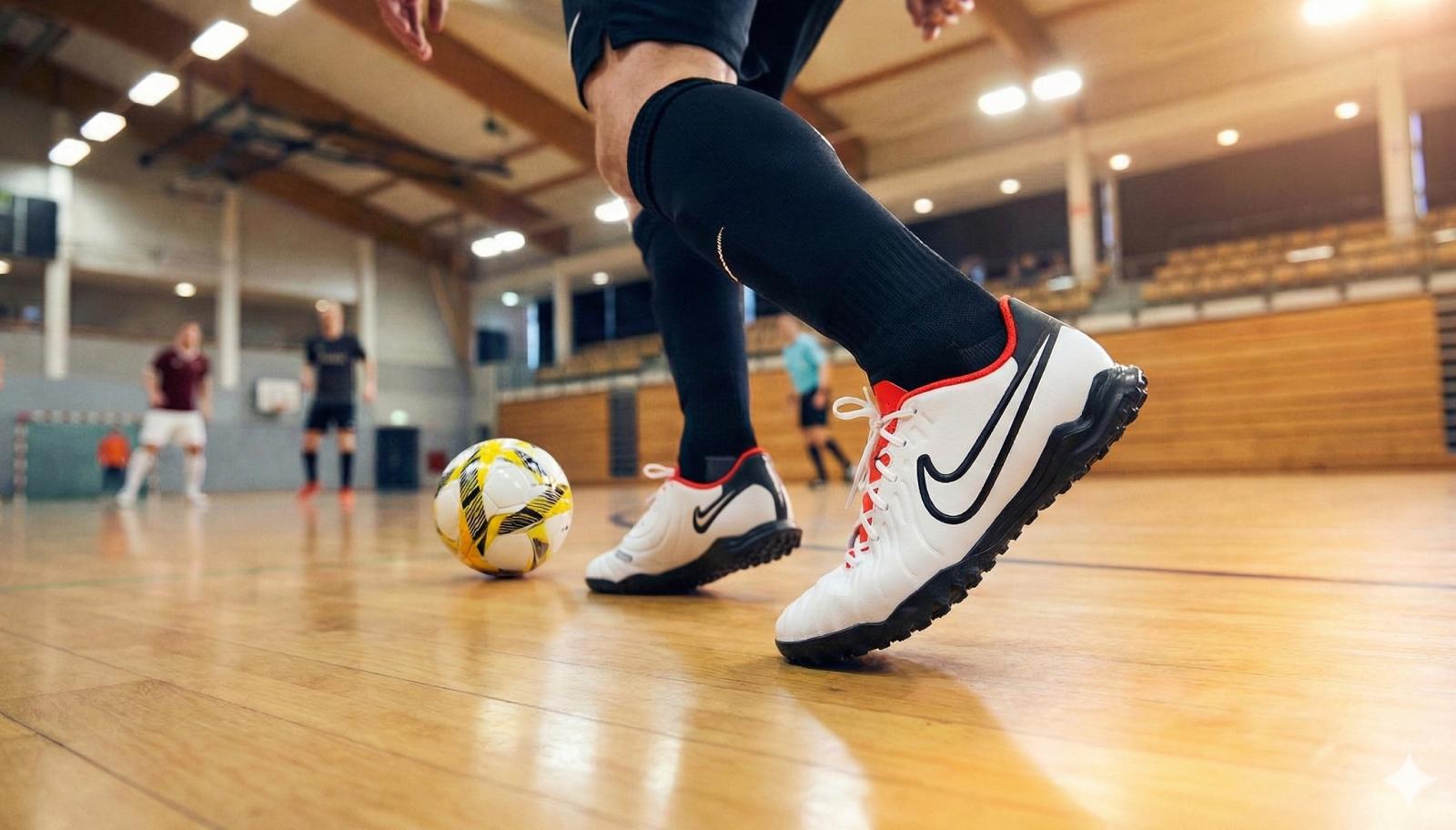
Why Running Shoes Are Different From Indoor Soccer Shoes
Running shoes and indoor soccer shoes serve different purposes. Understanding the design helps explain why one performs better.
Running shoe design
Running shoes usually include:
• Cushioning for repeated forward strides
• A curved sole that supports a heel-to-toe roll
• Mesh uppers for airflow
• A thicker midsole to absorb impact
• Outsoles designed for roads, tracks, or treadmills
These features are useful for jogging. They are less useful when you need to stop fast or move sideways.
Indoor soccer shoe design
Indoor soccer shoes usually include:
• A flat, low-profile rubber outsole
• A non-marking tread for gym floors
• Strong side support
• A snug fit for ball control
• A smooth striking area on the upper
• Light cushioning that keeps you close to the floor
Indoor soccer shoes are sometimes called futsal shoes or court soccer shoes. They do not have the small rubber or plastic studs found on outdoor cleats.
The difference is similar to using a road bicycle on a basketball court. The bicycle may move, but it is not made for that setting. In the same way, running shoes may let you play, but they are not tuned for indoor soccer.

The Main Problems With Wearing Running Shoes Indoors
The biggest concern is not that running shoes will instantly fail. The concern is that they may give you less control during fast movements.
Reduced side-to-side stability
A running shoe often has a narrow base and a soft, raised midsole. When you cut sharply, your foot may roll outward more than it would in a flat court shoe.
This can make your ankle work harder. It may also increase the chance of a twist, especially if you are tired or playing on a crowded court.
Poor traction or too much traction
The outsole may not match the floor. Some running shoes have tread made for pavement. Others have smooth rubber that can slide on dusty gym floors.
A shoe with too much grip can also be a problem. Your foot may stick while your body keeps moving. That sudden load can stress the ankle, knee, or hip.
Less ball feel
Indoor soccer relies on close touches. A bulky, cushioned running shoe can make the sole feel less precise. You may struggle to trap the ball, roll it under your foot, or pass with the correct pace.
This matters most in futsal, where the ball stays close and the court is small.
Faster shoe wear
Indoor court floors can wear down running shoe rubber quickly. Dust, rubber particles, and hard stops may damage the tread. A worn outsole can make the shoe even less safe during later runs.
For these reasons, can I wear running shoes for indoor soccer is not only a comfort question. It is also a question of traction, movement, and injury risk.
When Running Shoes May Be Acceptable
There are times when running shoes are a reasonable temporary option. The choice becomes more practical when the game is relaxed and the court is forgiving.
Running shoes may be acceptable when:
• You are playing casually for a short time
• You are joining a low-speed recreational game
• The facility allows them
• The outsole is clean and provides steady grip
• The shoes fit securely around your heel and midfoot
• You have no history of ankle, knee, or foot problems
Before playing, test the shoes on the court. Walk, stop, and make a few gentle side steps. If the sole slides, catches, or feels unstable, do not use them.
Avoid running shoes if you are playing in a competitive league. They are also a poor choice for frequent training, fast futsal matches, or games with many sharp cuts.
The surface matters, too. Indoor soccer can take place on polished wood, sport court tiles, artificial turf, or concrete covered by a thin playing surface. A shoe that feels fine on turf may slide on a dusty gym floor.

Can I Wear Running Shoes for Indoor Soccer on Turf?
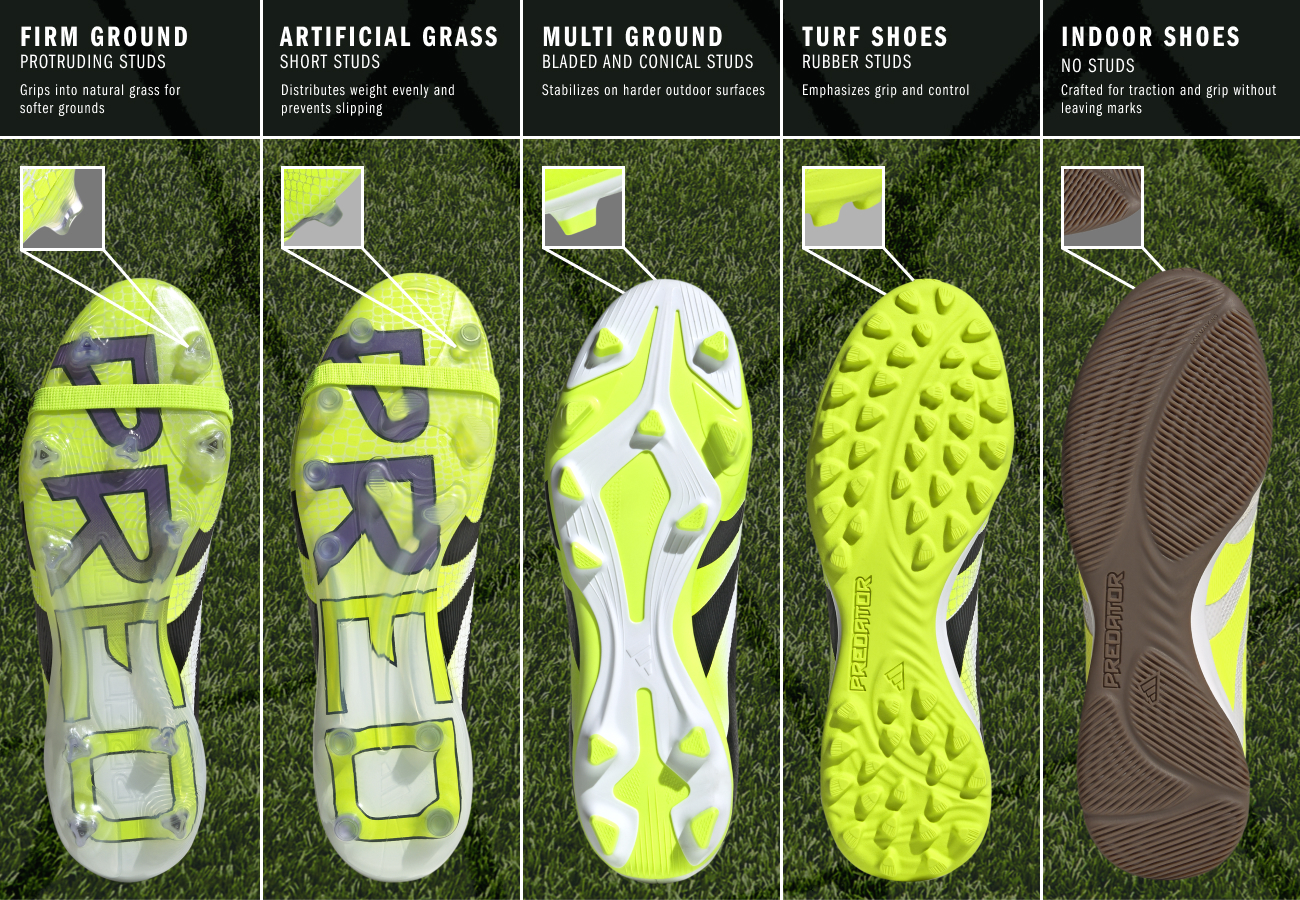
You can sometimes wear running shoes on indoor turf, but the answer depends on the turf and the shoe outsole. Many indoor soccer facilities use short artificial turf. These surfaces often work best with turf soccer shoes or shoes made for artificial grass.
Regular running shoes may lack the small, dense rubber pattern needed for turf grip. A flat outsole can feel slippery when you accelerate. A road-running shoe may also collect turf debris and lose contact with the surface.
Do not use outdoor soccer cleats on indoor turf unless the facility specifically allows them. Firm-ground cleats can damage the turf and may create too much pressure under your feet.
For indoor turf, consider:
• Turf soccer shoes with many small rubber nubs
• Artificial-grass shoes approved by the facility
• Clean, flexible shoes with a secure heel
• A sole that does not leave marks
If the venue has artificial turf, ask which outsole type it recommends. Facility rules are important because floors and turf systems vary.
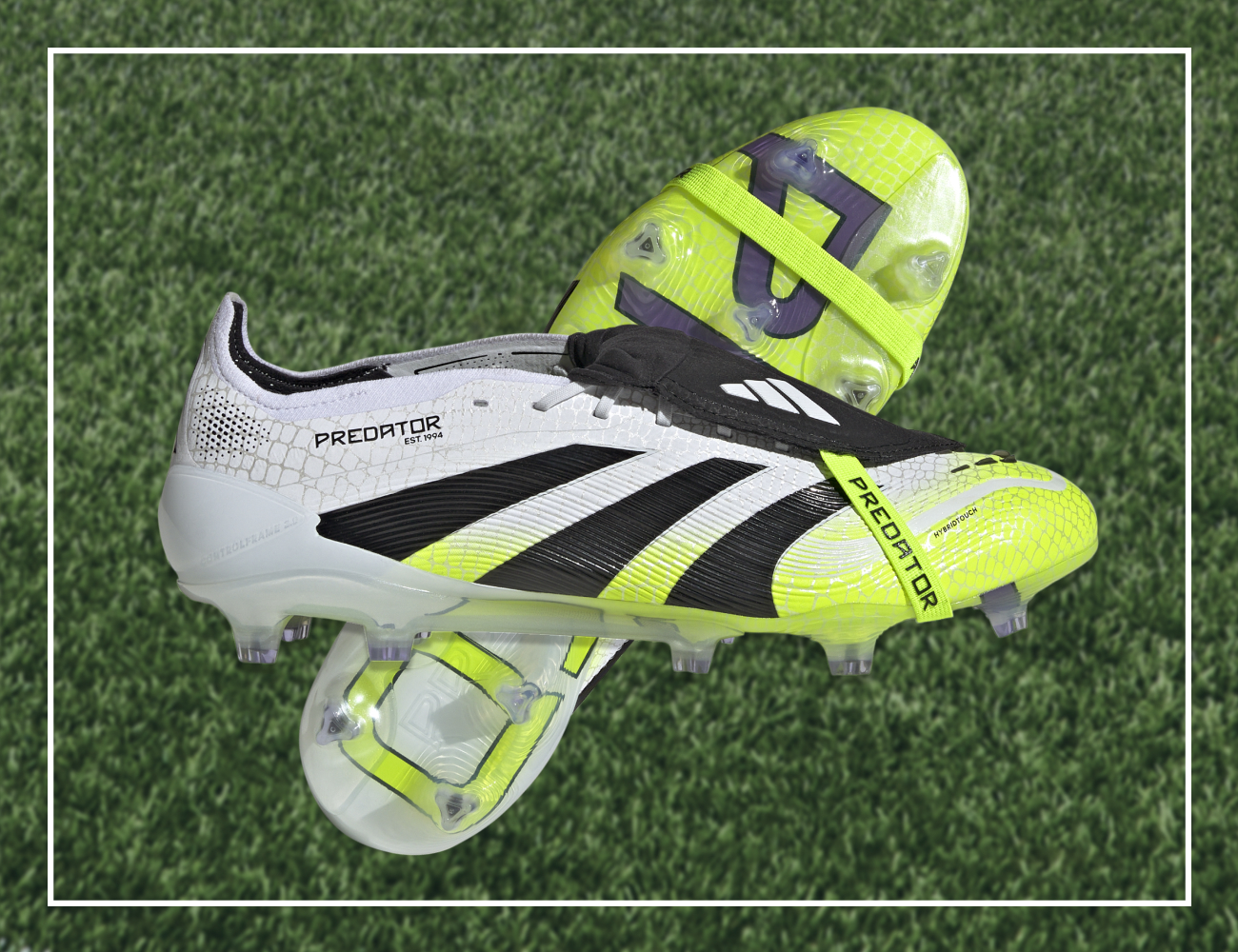
How to Choose the Best Indoor Soccer Shoes
The right shoe should feel stable, light, and secure. It should support natural movement without feeling stiff.
Look for a flat, non-marking outsole
A flat rubber outsole is usually best for smooth indoor courts. It should grip without leaving black marks. Most gyms require non-marking shoes, so check the rules before arriving.
Choose a secure fit
Your heel should stay in place when you stop. Your toes should have enough room to move, but your foot should not slide inside the shoe.
A useful test is to lace the shoes and perform a gentle side shuffle. If your heel lifts or your foot shifts, try another size or shape.
Check the upper material
Synthetic leather and soft mesh can both work well. The upper should bend near the toes but still offer some support around the sides.
A reinforced toe can help if you often pass or strike the ball with the front of your foot.
Avoid excessive cushioning
Some cushioning is helpful, especially on hard courts. Too much cushioning can make the shoe feel tall and unstable. Indoor soccer usually rewards a close-to-the-ground feel.
Match the shoe to your court
Use indoor court shoes for smooth gym floors. Use turf shoes for short artificial turf. Never assume that every indoor facility uses the same surface.

How to Test Running Shoes Before a Game
If running shoes are your only option, test them before the match. A few minutes of testing can reveal problems that are hard to notice while standing still.
Follow these steps:
- Clean the outsoles. Remove dust, mud, and loose debris.
- Walk across the court and check for slipping.
- Stop quickly from a slow jog.
- Take gentle side steps in both directions.
- Try a controlled pivot on each foot.
- Check for heel movement, pressure, or rubbing.
- Stop if your foot feels unstable or your shoe catches on the floor.
Do not test the shoes for the first time during a tournament. New shoes can create hot spots and blisters, while old running shoes may have hidden outsole wear.
A simple rule is this: if the shoe feels safe during slow movement but unsafe during side movement, it is not ready for indoor soccer.
This test also answers the practical question, can I wear running shoes for indoor soccer today? If they fail during basic movement, choose another pair.
Injury Prevention Tips for Indoor Soccer
Footwear is only one part of injury prevention. Warm-up, court awareness, and strength also matter.
Start with five to ten minutes of easy movement. Jog lightly, move side to side, and perform controlled leg swings. Then practice a few short accelerations and stops.
Keep your laces tight enough to hold the heel. Replace shoes when the outsole is worn smooth or the midsole feels uneven. Rotate shoes if you play several times each week.
Pay attention to warning signs:
• Repeated ankle rolling
• Pain along the arch or heel
• Knee pain during cutting
• Numb toes
• Burning or rubbing on the skin
• A feeling that the shoe slides inside
If pain continues after rest, speak with a qualified health professional. Footwear advice cannot diagnose an injury, and people with past ankle or knee problems may need individual guidance.
Research on sports injuries consistently shows that movement demands, fatigue, previous injury, playing surface, and equipment can all affect risk. No shoe can prevent every injury, but a stable and properly fitted shoe can help you move with more control.
If you often ask, can I wear running shoes for indoor soccer without hurting myself, remember that fit and movement matter as much as the brand. A proper warm-up and a stable shoe work together.

Common Mistakes to Avoid
Many players focus only on comfort. Comfort matters, but it does not tell the whole story.
Avoid these common mistakes:
• Wearing outdoor cleats on a smooth indoor court
• Choosing shoes with a worn or dirty outsole
• Buying a size that is too loose
• Using a tall, soft running shoe for fast games
• Ignoring facility footwear rules
• Playing through sharp foot or ankle pain
• Assuming a popular shoe will fit every foot
Another common mistake is buying shoes based only on appearance. Bright colors and famous brands do not guarantee the right outsole or fit.
Try shoes late in the day if possible. Feet can swell slightly after normal activity. Wear the socks you plan to use for soccer, and test both shoes before buying.
A Practical Decision Guide
Use this simple guide when deciding whether running shoes are suitable for your next game.
Choose indoor soccer shoes when:
• You play every week
• You play competitively
• You make frequent cuts and sprints
• You play futsal
• You have a history of ankle instability
• The facility requires court-specific footwear
Running shoes may work temporarily when:
• The game is casual
• The court allows them
• The outsole is clean and stable
• You can move sideways without slipping
• You do not feel pain or pressure
If you are unsure, indoor soccer shoes are usually the safer long-term investment. A basic pair often costs less than dealing with a preventable injury or replacing running shoes damaged by court play.
Can I wear running shoes for indoor soccer and still perform well? Some players can, especially beginners in relaxed games. However, proper shoes make it easier to stop, turn, pass, and stay balanced.
Can I Wear Running Shoes for Indoor Soccer: Final Recommendation
Running shoes are not automatically dangerous, but they are not designed for indoor soccer. Their forward-focused shape, thicker cushioning, and different tread can reduce stability during quick lateral movements.
For occasional casual play, clean running shoes with a secure fit and reliable grip may be acceptable. For regular games, choose indoor soccer shoes with a flat, non-marking rubber outsole and a snug, flexible upper.
The best choice also depends on the surface. Use court shoes on smooth floors and turf shoes on artificial turf. When in doubt, ask the facility what it recommends.
Frequently Asked Questions About Can I Wear Running Shoes for Indoor Soccer
Can I wear running shoes for indoor soccer once?
Yes, running shoes can work for one casual game if they fit well and have good grip. Test them with gentle stops and side steps before playing.
Are running shoes allowed for indoor soccer?
Some facilities allow them, while others require non-marking indoor court shoes. Check the venue’s rules before arriving.
Can running shoes cause injuries during indoor soccer?
They may increase instability during sharp cuts if the sole is tall, soft, worn, or poorly matched to the court. Injury risk also depends on fatigue, movement, past injuries, and playing conditions.
What shoes are best for indoor soccer?
Indoor soccer shoes with a flat, non-marking rubber outsole are usually best for smooth courts. Turf shoes are more suitable for short artificial turf.
Can I wear trail-running shoes for indoor soccer?
Trail-running shoes may provide strong grip, but their tread and raised sole may not suit a smooth indoor court. They can also mark the floor or catch during pivots.
Are basketball shoes good for indoor soccer?
Basketball shoes can offer useful side support and court grip, but they may feel heavier and less flexible than indoor soccer shoes. They can be a reasonable backup if the outsole is clean, non-marking, and stable.
Should indoor soccer shoes feel tight?
They should feel secure, not painful. Your heel should stay in place, your midfoot should not slide, and your toes should have enough room to move naturally.
Conclusion
Can I wear running shoes for indoor soccer? Yes, for occasional casual play, but they are not the ideal choice for speed, control, or stability. Indoor soccer shoes are better because they match the court, support lateral movement, and help you stay close to the floor.
Before your next game, inspect the outsole, test your grip, and confirm the facility rules. If indoor soccer is part of your regular routine, invest in a proper pair and let your feet move with confidence.

Rubel Miah is the Senior Editor at MyStyleGrid.com, where he brings a sharp editorial eye and an unshakable love for fashion to everything he does. A true style addict, Rubel lives and breathes trends, from streetwear to high fashion, and has a knack for turning inspiration into impactful stories. With years of experience in fashion journalism and digital media, he curates content that empowers readers to express themselves through style. When he’s not editing features or forecasting the next big thing, you’ll find him hunting down vintage pieces or capturing street style moments around the city.