Yes, you can wear sandals for trekking on easy, warm, dry trails with secure foot protection.
The answer to “can I wear sandals for trekking” depends on the trail, weather, terrain, and your foot needs. After reviewing hiking safety guidance and common trail conditions, this guide explains when trekking sandals work, when boots are safer, and how to choose the right pair.
Can You Wear Sandals for Trekking?
Yes, you can wear sandals for trekking, but only in the right conditions. Trekking sandals work best on short or moderate routes with firm ground, warm weather, and little risk from sharp rocks, mud, snow, or biting insects.
They are not a universal replacement for hiking shoes. Sandals leave parts of your feet exposed, so they offer less protection from rocks, roots, thorns, cold, and ankle injuries.
Before you decide, ask yourself:
• Is the trail easy or highly technical?
• Will your feet get wet?
• Is the weather warm and stable?
• Will you carry a light or heavy backpack?
• Do you need strong ankle support?
• Are there sharp rocks, loose scree, snakes, or biting insects?
If the answers point to a simple trail, sandals may be comfortable and practical. If the route is steep, rough, remote, or unpredictable, closed hiking footwear is usually the safer choice.

When Trekking Sandals Are a Good Choice
The best use for trekking sandals is on trails where airflow, water drainage, and comfort matter more than full foot coverage. They can be useful for day hikes, river walks, summer trails, and travel routes with mixed pavement and light dirt.
You may safely wear sandals for trekking in conditions such as:
• Dry, warm weather
• Smooth dirt paths
• Well maintained forest trails
• Beaches and coastal paths
• River crossings and wet canyon routes
• Short walks near a campsite
• Easy hikes with limited elevation gain
Trekking sandals are also useful when you expect your feet to get wet. Unlike many hiking shoes, they do not hold water for long. This can reduce the discomfort of walking in soaked socks and heavy footwear.
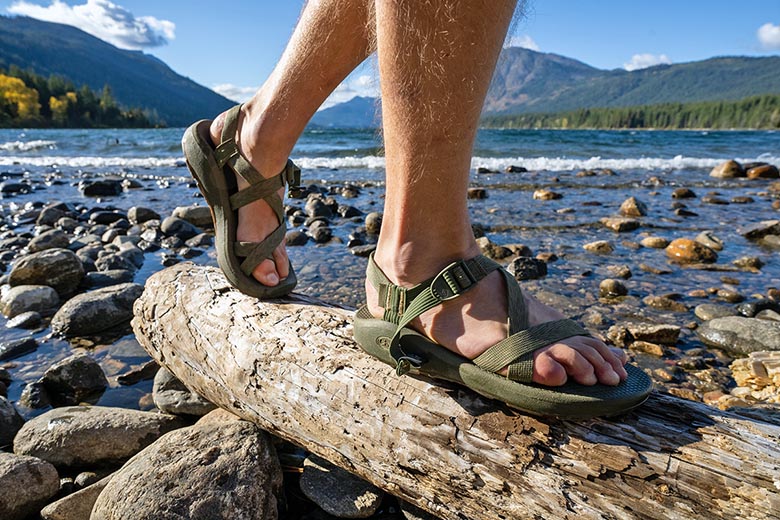
However, water does not automatically make sandals safe. Wet rocks can be very slippery. A sandal with a poor sole or loose strap may increase your risk of falling.
Main Benefits of Wearing Sandals for Trekking
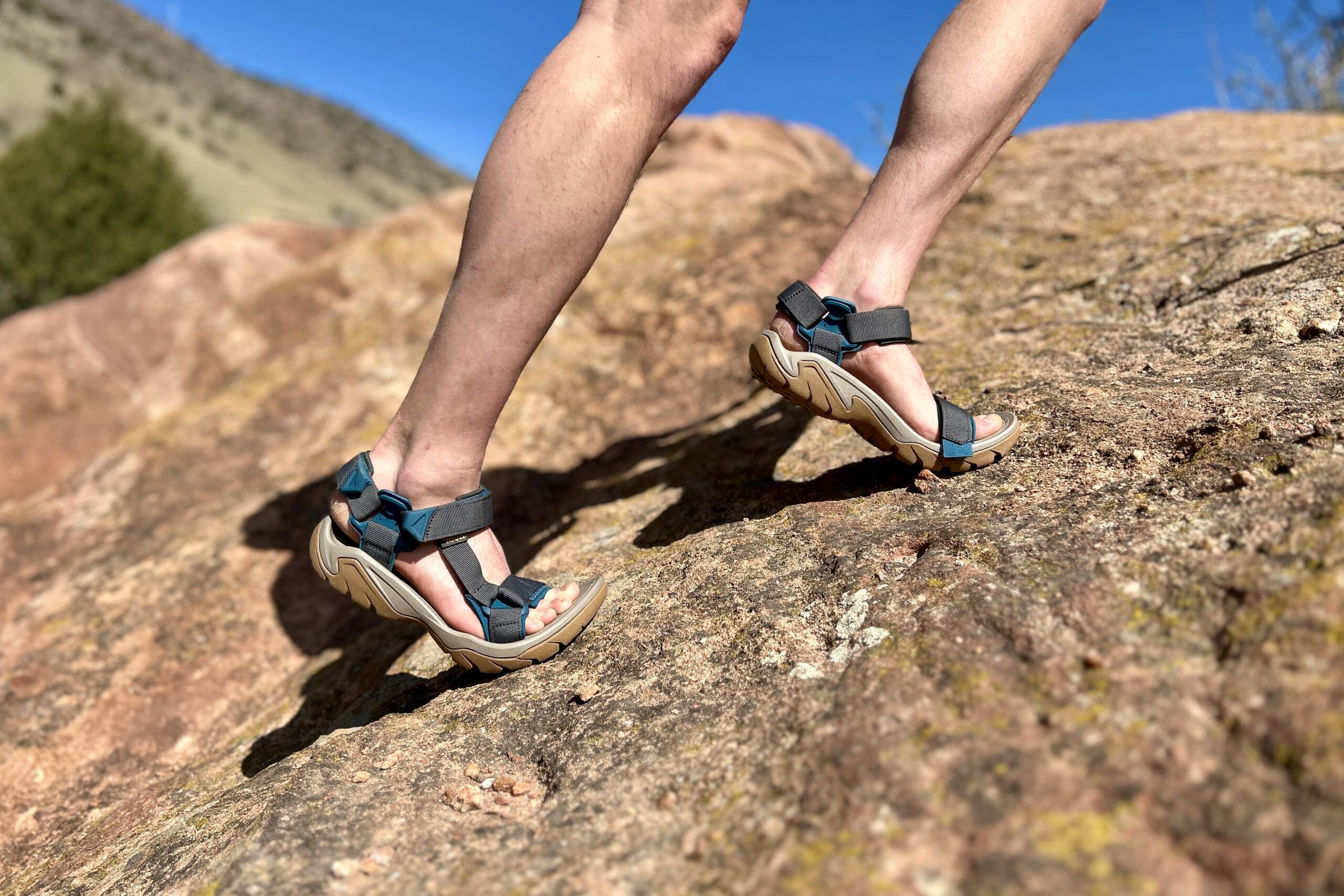
Trekking sandals have several strengths. The key is to match those strengths to the trail instead of treating sandals as all purpose hiking gear.
Better airflow
Open designs allow air to move around your feet. This can help reduce heat and sweat during warm weather. Less trapped moisture may also lower the chance of soft, wrinkled skin that can lead to blisters.
Fast water drainage
Sandals dry much faster than padded hiking shoes. This makes them useful for routes with shallow streams, wet grass, or repeated water crossings.
Lightweight comfort
Many hiking sandals weigh less than boots. Less weight on your feet can make a noticeable difference over a long day. Still, a light shoe is not always a safer shoe.
Easy cleaning
Dirt, sand, and small stones can often be rinsed away. This is helpful on beach trails, desert washes, and muddy paths.
Flexible use during travel
A sturdy pair can serve as walking shoes, camp shoes, and casual footwear. That makes sandals convenient for backpacking trips where you want to reduce the amount of gear you carry.
A good sandal should feel like a secure platform, not a loose flip flop. The difference is similar to comparing a seat belt with simply holding onto a car door.
The Risks of Wearing Sandals on Trails
The biggest concern is exposure. Open footwear protects less of your foot than a hiking shoe or boot.
Sandals can leave you more vulnerable to:
• Cuts from sharp stones
• Scrapes from roots and branches
• Bruised toes
• Insect bites
• Sunburn
• Poison ivy and other irritating plants
• Cold injury
• Loose gravel entering the sandal
• Toe injuries during downhill walking
Another issue is stability. Many sandals have little structure around the heel and ankle. This may be fine on flat ground, but rough terrain can place more stress on your feet and ankles.
Sandals also provide limited protection when carrying a heavy pack. A loaded backpack changes your balance and increases the force on each step. If your feet already feel tired, the risk of a misstep rises.
The National Park Service commonly advises hikers to choose footwear based on terrain, weather, distance, and emergency conditions. That principle matters here. A trail may look easy at the trailhead but become rocky, muddy, or cold several miles later.

How to Choose the Best Trekking Sandals
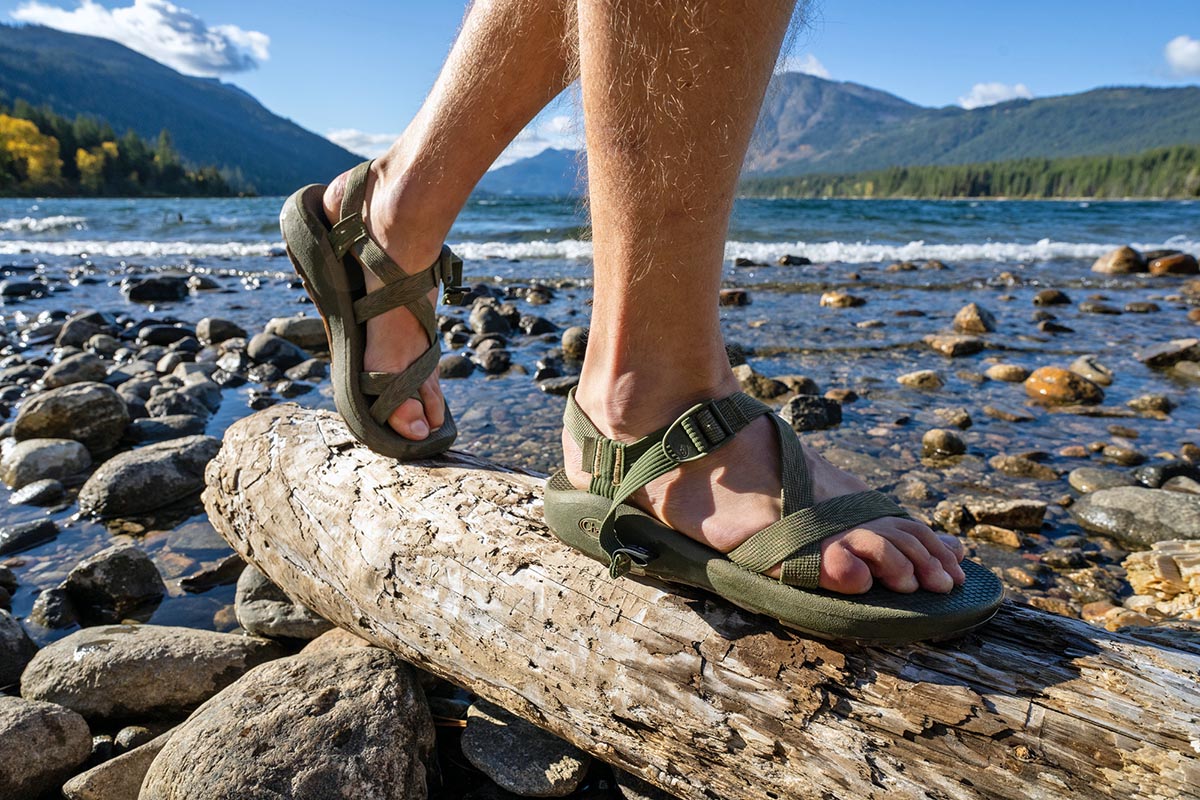
If you decide to wear sandals for trekking, choose a model designed for hiking or water sports. Casual sandals and flip flops do not provide enough grip or support for most trails.
Look for these features.
A strong, grippy outsole
The sole should have deep rubber tread that grips rock, dirt, and wet surfaces. Examine the pattern before buying. Flat soles often slide on mud and smooth stone.
Adjustable straps
Choose sandals with secure straps across the toes, middle of the foot, and heel. You should be able to adjust them without creating pressure points.
A firm heel hold
Your heel should stay in place when you walk uphill and downhill. If it lifts or slides, the sandal may cause blisters and reduce control.
A protective toe design
Some trekking sandals include a closed toe cap. This does not provide the same protection as a hiking shoe, but it can reduce damage from rocks and roots.
A supportive footbed
The footbed should support your arch without feeling hard or painful. It should also hold your foot securely when the sandal becomes wet.
Quick drying materials
Synthetic webbing and rubber parts usually dry faster than thick leather. Fast drying materials are useful for river crossings and humid climates.
A comfortable fit
Leave a small amount of space in front of your toes. Your foot may swell during a long hike, and your toes need room when walking downhill.
How Should Trekking Sandals Fit?
A trekking sandal should feel secure from the first step. Do not expect a long break in period to fix a poor fit.
Use this simple fitting check:
-
Stand up with your full weight on both feet.
-
Check that your toes do not hang over the front edge.
-
Walk uphill and downhill if possible.
-
Make sure your heel does not slide from side to side.
-
Tighten the straps until your foot feels held, but not squeezed.
-
Check for rubbing around the toes, heel, and strap edges.
Try sandals late in the day when your feet are slightly swollen. This gives you a more realistic fit for hiking.
Wear the same socks you plan to use on the trail. Some hikers prefer barefoot use, while others need thin hiking socks to reduce friction. Test both options before your trip.
When You Should Not Wear Sandals for Trekking
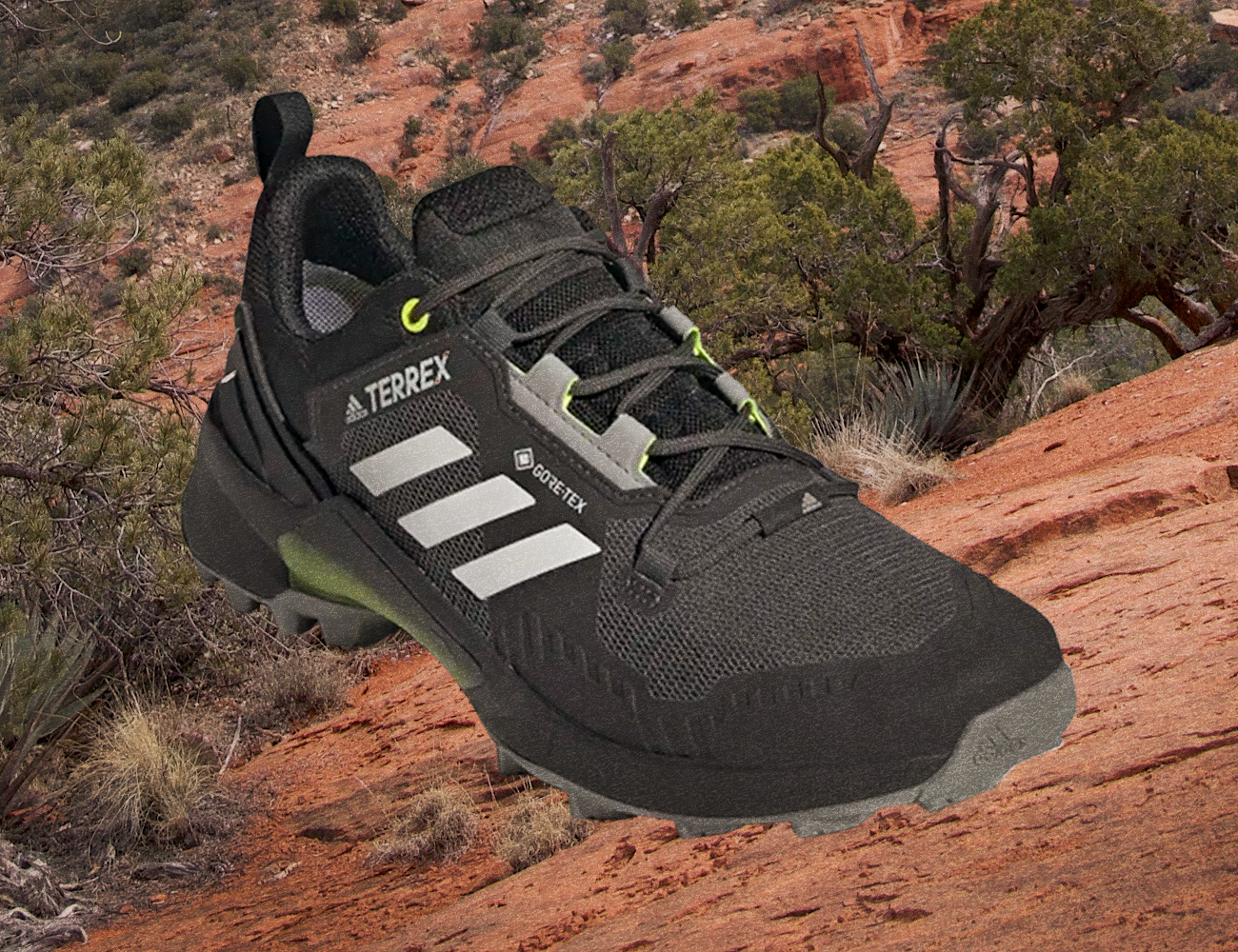
There are situations where sandals are a poor choice. In these cases, closed hiking shoes or boots offer better protection and control.
Avoid sandals for trekking when the route includes:
• Snow or ice
• Freezing temperatures
• Dense brush
• Sharp volcanic rock
• Loose scree
• Steep scrambling
• Long, remote sections
• Heavy rain and cold wind
• Aggressive insects
• Poisonous plants
• Deep mud
• A heavy backpack
• A high chance of ankle rolls
Mountain trails deserve special care. A sandal may work on a warm approach trail but become unsafe near a rocky summit. Weather can also change quickly in high areas, and exposed feet lose heat fast.
For routes with uncertain conditions, choose a lightweight hiking shoe instead. It offers a useful middle ground between an open sandal and a heavy boot.
Sandals Versus Hiking Shoes and Boots
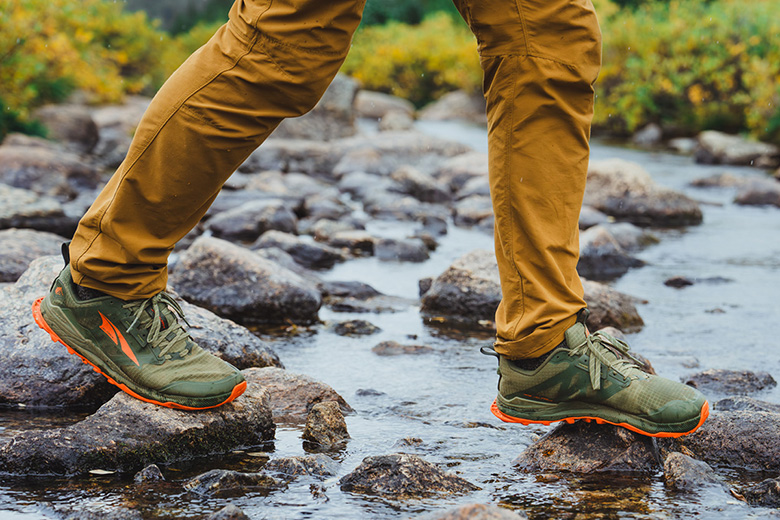
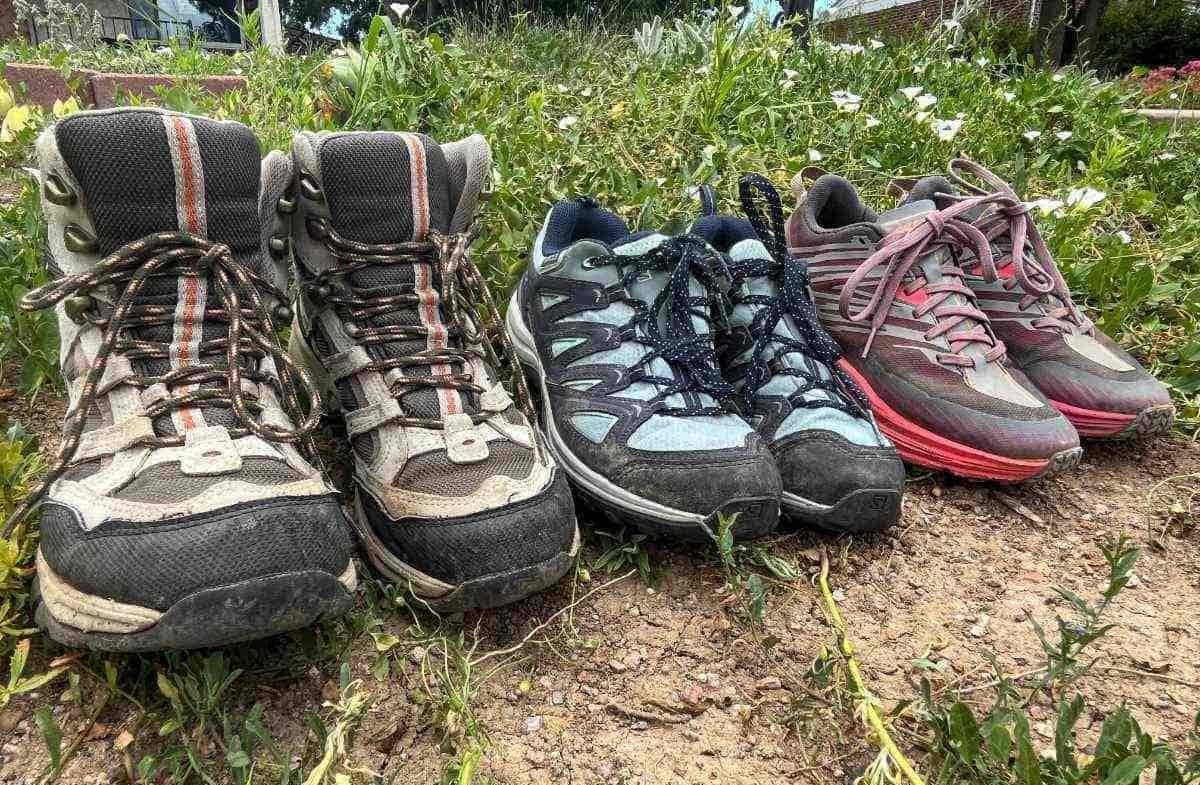
The best footwear depends on the job. Sandals are comfortable and cool, but hiking shoes and boots provide more protection.
| Footwear | Best for | Main advantage | Main limitation |
|---|---|---|---|
| Trekking sandals | Warm, easy, wet, or flat trails | Airflow and quick drying | Exposed feet |
| Hiking shoes | Mixed terrain and longer day hikes | Balance of grip and protection | Less airflow |
| Hiking boots | Rough terrain and heavy loads | Support and protection | Heavier and warmer |
| Trail running shoes | Fast movement on moderate trails | Light weight and flexibility | Less protection than boots |
| Flip flops | Showers and short camp walks | Easy to pack | Unsafe for trekking |
Many hikers choose hiking shoes for the main route and sandals for camp or water crossings. This two shoe system can offer comfort without sacrificing safety.
If you are unsure whether you can wear sandals for trekking on a specific route, check recent trail reports. Look for details about mud, water levels, rock exposure, snow, and trail damage.
Tips for Trekking Safely in Sandals
Good preparation can make sandals much safer. It cannot remove every risk, but it can prevent common problems.
• Break them in before your trip with several short walks.
• Apply anti chafing balm to areas that rub.
• Keep toenails short to reduce pressure during downhill walking.
• Carry blister care, tape, and a small first aid kit.
• Bring thin socks if the weather may cool.
• Use trekking poles on loose or steep ground.
• Slow down on wet rock.
• Step carefully through grass and brush.
• Check your feet during rest breaks.
• Carry a backup footwear plan on remote routes.
Take extra care with wet surfaces. Rubber can grip well, but no sole prevents every slip. Place your whole foot on stable ground instead of stepping on small, rounded rocks.
Do not tighten wet straps too much. Feet may swell, and tight straps can cause pressure, numbness, or poor circulation.
Common Mistakes Hikers Make
One common mistake is confusing comfort with protection. Sandals may feel wonderful during the first hour, but exposed toes and tired feet can become a serious problem later.
Another mistake is using casual sandals because they look similar to trekking sandals. Casual styles often lack deep tread, heel control, and durable straps.
New sandals are also a risk. Even a high quality pair can rub in places you did not expect. Test them on short walks before committing to a long trek.
A practical lesson from many trail experiences is to plan for the worst realistic condition, not the best one. If the forecast says warm and dry but the route has cold stream crossings or sharp rocks, pack footwear that can handle those details.
Finally, do not ignore pain. A hot spot, loose strap, or sore arch rarely improves after several more miles. Stop early, adjust the sandal, and treat the problem before it becomes an injury.
A Simple Decision Checklist
Use this checklist before wearing sandals for trekking:
• The trail is easy or moderate.
• The weather is warm and stable.
• The ground is mostly firm.
• Your sandals have strong tread.
• The heel strap holds securely.
• You have tested the sandals before.
• You are carrying a light pack.
• There are no major risks from snow, cold, brush, or sharp rock.
• You have basic foot care supplies.
If you check most of these boxes, sandals may be a suitable choice. If several answers are no, select hiking shoes or boots instead.
Your footwear should match the weakest part of the plan. A beautiful trail, good fitness, and clear skies do not make unsafe footwear safe.
Frequently Asked Questions About Can I Wear Sandals for Trekking
Can I wear sandals for trekking on a mountain trail?
You can wear sandals on a low, warm mountain trail if the surface is smooth and dry. Avoid them on steep, rocky, cold, or exposed routes where you need more foot and ankle protection.
Are trekking sandals safe for long hikes?
They can be safe for long hikes when the trail is easy, the sandals fit well, and your feet are used to them. For rough terrain or heavy packs, hiking shoes usually provide better support and protection.
Can I wear sandals for trekking in water?
Yes, trekking sandals are often useful for shallow water crossings and wet trails. Choose a pair with a secure heel strap and a grippy sole, and move slowly on slippery rocks.
Are sandals better than boots for trekking?
Neither is always better. Sandals are cooler and lighter, while boots offer more protection, warmth, and support on difficult terrain.
Can I wear socks with trekking sandals?
Yes, thin hiking socks can reduce rubbing and help keep your feet comfortable. Test the combination before your trek because socks may change the sandal’s fit.
Can I wear flip flops for trekking?
Flip flops are not suitable for most trekking routes. They lack heel control, reliable traction, and protection from rocks, roots, and uneven ground.
Conclusion
So, can you wear sandals for trekking? Yes, but only when the footwear matches the trail. Trekking sandals are a good option for warm, easy, dry, or wet routes where airflow and quick drying matter.
Choose sandals with strong tread, secure straps, a stable heel, and a comfortable fit. Avoid them on cold, steep, rocky, remote, or heavily overgrown trails. When in doubt, hiking shoes provide a safer balance of comfort and protection.
Check the route, test your footwear, and prepare for changing conditions before you leave. Share your favorite trekking footwear tips or explore more trail safety guides to plan your next hike with confidence.

Rubel Miah is the Senior Editor at MyStyleGrid.com, where he brings a sharp editorial eye and an unshakable love for fashion to everything he does. A true style addict, Rubel lives and breathes trends, from streetwear to high fashion, and has a knack for turning inspiration into impactful stories. With years of experience in fashion journalism and digital media, he curates content that empowers readers to express themselves through style. When he’s not editing features or forecasting the next big thing, you’ll find him hunting down vintage pieces or capturing street style moments around the city.