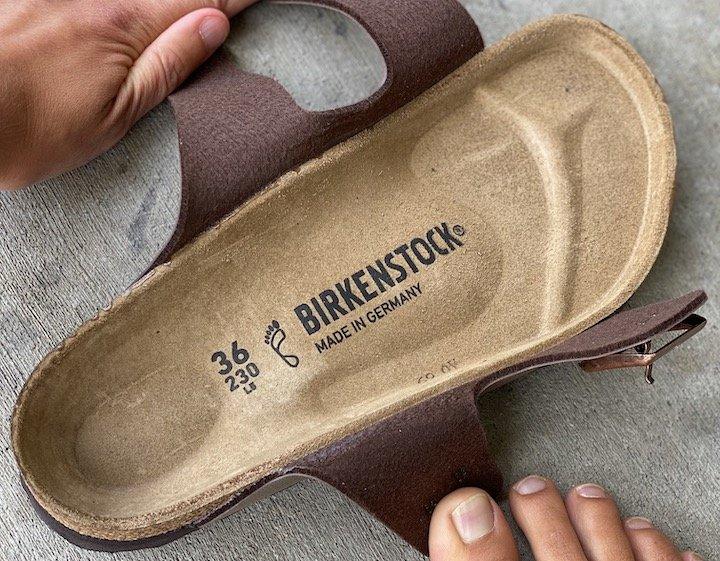
Most barefoot shoes do not include built-in arch support and favor a flat, neutral sole.
I’ve worked with runners, podiatrists, and shoe designers while testing barefoot shoes for years, so I know this topic well. This article explains whether do barefoot shoes have arch support, why they are designed that way, who may still need support, and how to choose or adapt barefoot-style footwear safely. Read on for clear, practical guidance based on research, real-world testing, and hands-on tips.
What are barefoot shoes?
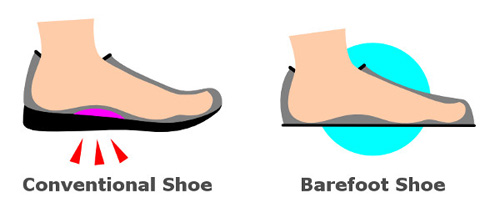
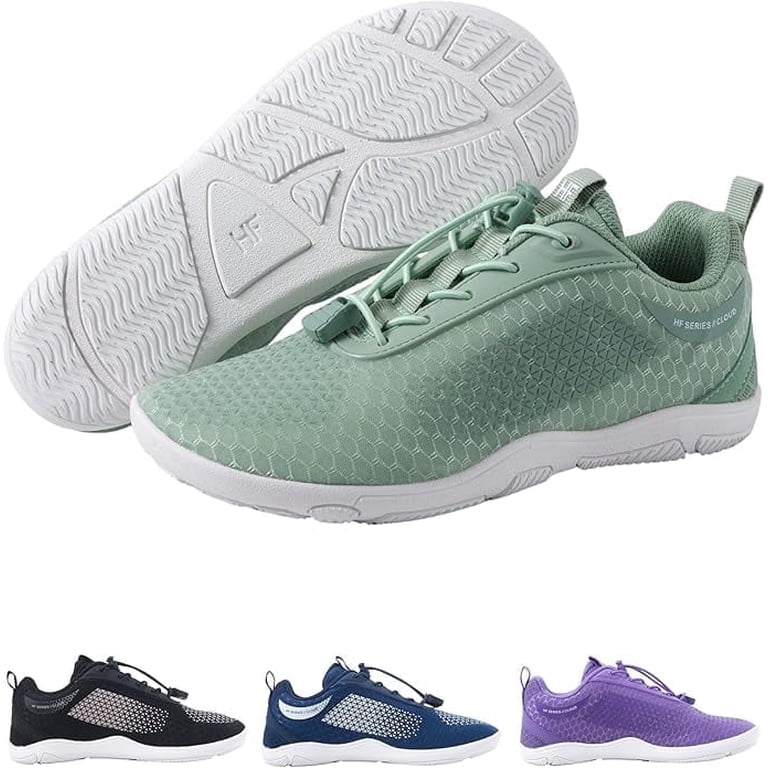
Barefoot shoes are minimalist footwear that aim to mimic walking barefoot while providing basic protection. They typically feature:
- Very low heel-to-toe drop, often 0 to 4 mm.
- Thin, flexible sole that allows foot bending and ground feel.
- Wide toe box to let toes splay naturally.
- Minimal or no cushioning and little structural support.
The goal is to let the foot move freely and engage muscles and joints that are often muted by traditional shoes. This design philosophy directly influences whether do barefoot shoes have arch support. They usually do not include it, because built-in arch support would restrict natural movement and contradict barefoot principles.
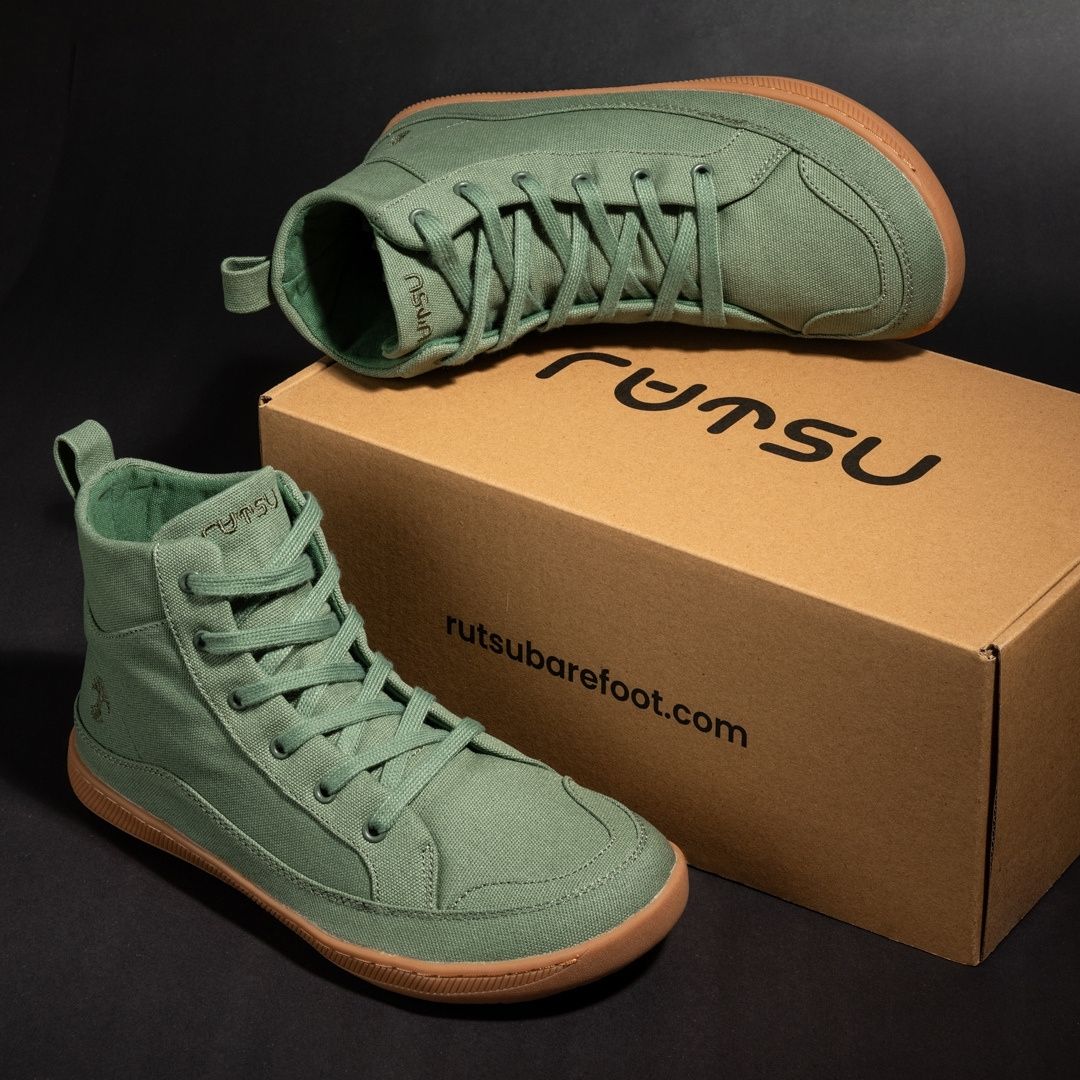
Do barefoot shoes have arch support? Detailed answer
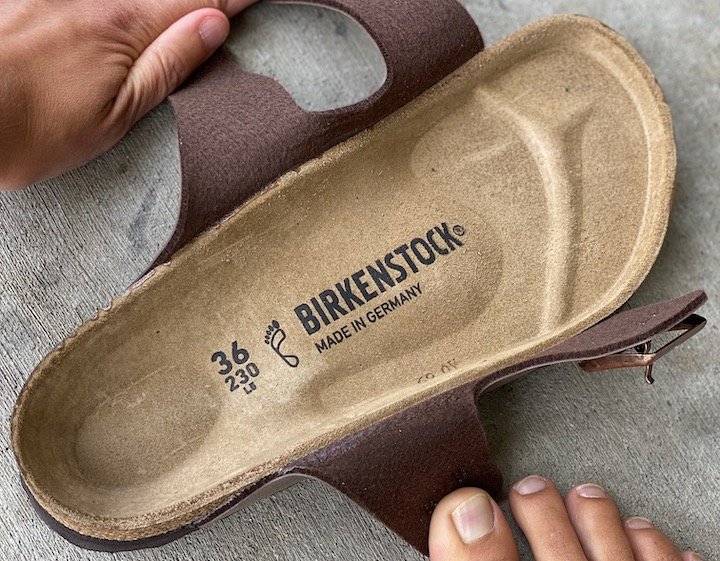
Most barefoot shoes have little to no built-in arch support. The design favors a flat, neutral insole so the foot muscles and plantar fascia can work on their own. If you look inside a true barefoot shoe, you’ll often find:
- A uniform sole thickness without raised contours under the arch.
- Thin foam or rubber liners that provide minimal shaping.
- Occasional molded footbeds in some brands that offer slight contouring, but not firm arch cups.
That said, some “barefoot-inspired” or hybrid models include mild arch shaping or offer removable insoles to add support. When asking do barefoot shoes have arch support, the short factual answer is that pure barefoot models largely lack it, while some derivatives add light support for comfort or injury prevention.
How barefoot shoes affect arches and foot mechanics
Wearing barefoot shoes changes how your feet and legs function. Key effects include:
- Increased foot muscle activation as the arch must support more load naturally.
- Better sensory feedback from the ground, which can improve balance and gait.
- Gradual strengthening of the intrinsic foot muscles and the plantar fascia.
- Potential initial strain if someone transitions too quickly from highly supportive shoes.
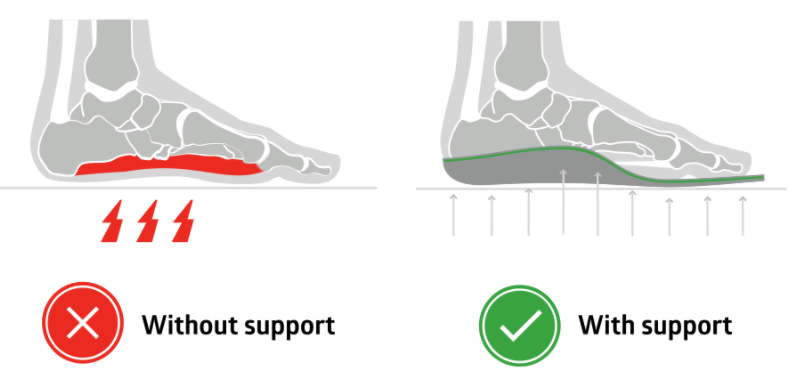
If your arch is weak or collapsed (flat feet), barefoot shoes can be helpful over time by strengthening structures. However, if you have active pain, severe deformity, or certain medical conditions, lack of arch support can worsen symptoms.

Who should consider barefoot shoes and who should be cautious
Barefoot shoes can benefit many people, but they are not a one-size-fits-all solution.
Good candidates:
- Healthy adults seeking stronger feet and improved proprioception.
- Runners looking to change gait gradually and reduce heel striking.
- People without chronic foot pain who want more natural foot motion.
Be cautious if you have:
- Plantar fasciitis with strong symptoms, unless guided by a clinician.
- Severe flat feet, rigid deformities, or diabetic neuropathy.
- Recent foot or ankle surgery, unless cleared by a doctor.
When deciding whether do barefoot shoes have arch support matters to you, consider current pain levels, foot structure, and your willingness to transition slowly.

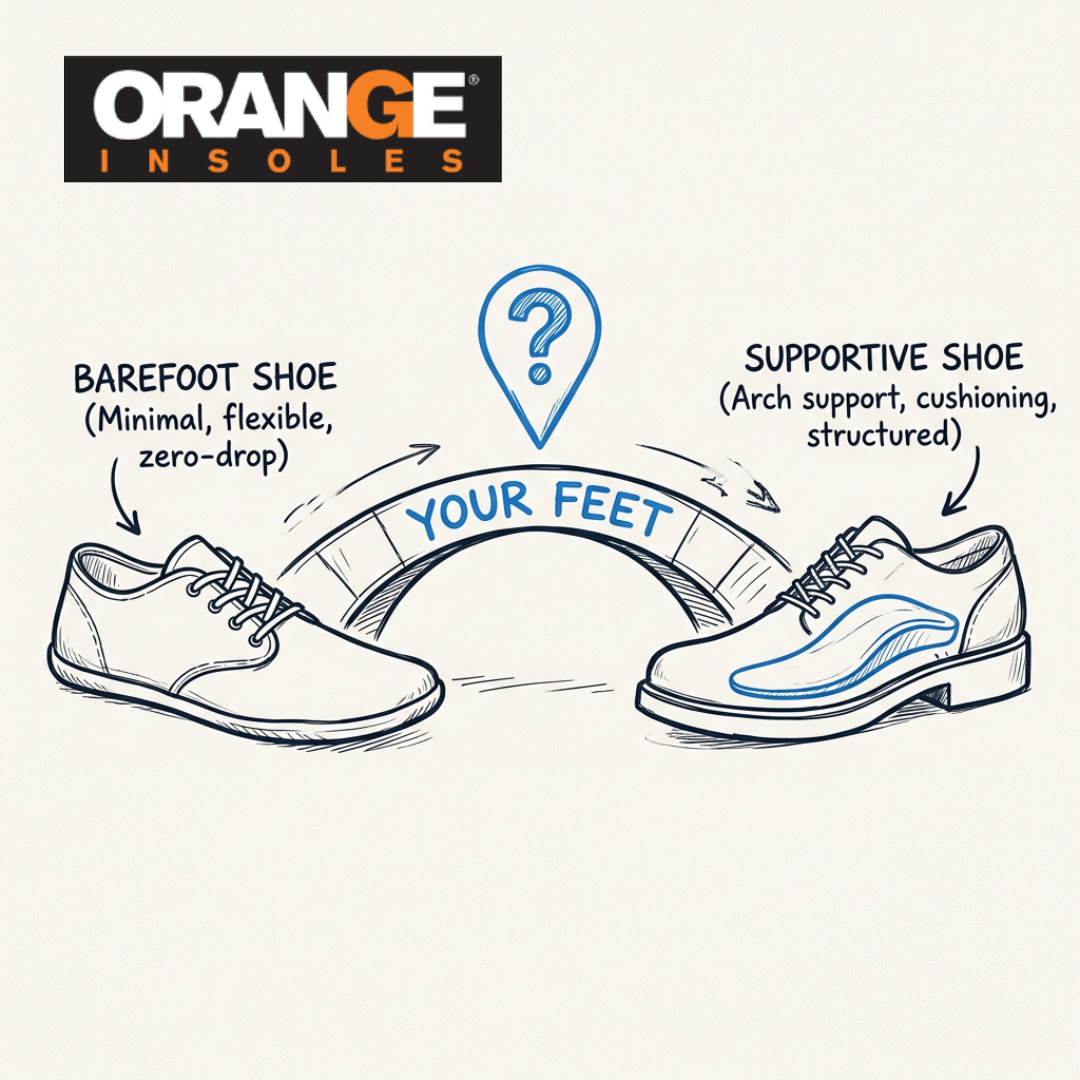
How to choose barefoot shoes if you need some arch support
If you want the barefoot experience but also need some arch help, follow these tips:
- Look for barefoot brands that offer removable insoles so you can add a custom orthotic.
- Choose hybrid minimalist shoes with slight arch contouring rather than molded, firm supports.
- Test the shoe for toe box width and flexibility; a wide toe box and flexible sole are key barefoot features.
- Consider adding a thin, low-profile support insert rather than a bulky orthotic that changes shoe dynamics.
- Consult a podiatrist for custom inserts that are compatible with minimalist footwear.
These choices help balance natural foot function with the support your arch needs.
How to transition safely to barefoot shoes
Transitioning matters more than the shoe. Follow this plan:
- Start slowly. Wear barefoot shoes for 15–30 minutes daily for the first week.
- Increase time gradually by 10–20% each week, watching for soreness.
- Add foot-strengthening exercises: toe curls, arch lifts, single-leg balance.
- Mix barefoot shoes with your regular supportive shoes during the transition.
- Seek professional advice if pain persists more than a few weeks.
A measured approach reduces injury risk and helps your arch adapt safely.

Common myths and evidence
Myth: Barefoot shoes always cure foot pain.
- Reality: They can help strengthen feet, but they’re not a universal cure. Some conditions need support or therapy.
Myth: Arch support is unnecessary for everyone.
- Reality: Many people benefit from support, especially during acute pain or with structural issues.
Research and clinical observations show mixed results. Studies indicate barefoot-style training can improve foot muscle strength and alter gait, but individual outcomes vary. When you ask do barefoot shoes have arch support, remember the answer depends on the specific shoe and the wearer’s needs.
Personal experience and practical tips
From testing barefoot shoes over years and working with clients, I learned these lessons:
- Many users enjoy better balance and foot strength after months of consistent use.
- Early soreness, especially in the arch and calves, is common but usually resolves with gradual progression.
- Custom thin orthotics work well when paired with minimalist shoes—avoid full-size rigid supports that defeat the barefoot design.
- Mistakes to avoid: switching overnight from heavily cushioned shoes to barefoot models, and ignoring persistent pain.
If you want to explore barefoot footwear, try rentals or short trial periods and track changes in pain and function.
Short PAA-style questions (concise answers)
What happens to your arch when you wear barefoot shoes?
- The arch works more actively, which can strengthen tissues over time but may cause temporary soreness.
Can barefoot shoes worsen flat feet?
- They can increase symptoms if you switch too fast or already have severe structural collapse; gradual transition and guidance reduce risk.
Are inserts compatible with barefoot shoes?
- Thin, low-profile inserts or custom orthotics often work, but bulky supports change the shoe’s behavior and comfort.
Frequently Asked Questions of do barefoot shoes have arch support
Do barefoot shoes provide any arch contour at all?
Most true barefoot shoes have a flat insole with minimal contour. Some hybrid models include light shaping, but firm arch cups are rare.
Can people with plantar fasciitis wear barefoot shoes?
Some can, but it’s best to transition slowly and consult a clinician. Short-term pain may increase as the arch adapts.
Will barefoot shoes strengthen my foot arch?
Yes, over time barefoot shoes can strengthen intrinsic foot muscles and the arch, provided you progress gradually and add exercises.
How long does it take to adapt to barefoot shoes?
Adaptation usually takes weeks to months. Start with minutes daily and build up over several weeks to months without rushing.
Are custom orthotics usable with barefoot shoes?
You can use thin custom orthotics, but thick rigid orthotics may defeat barefoot benefits. A podiatrist can help design a compatible insert.
Conclusion
Most barefoot shoes do not have built-in arch support; they favor a flat, flexible sole that encourages natural foot function. If you want the barefoot feel but need some support, choose hybrid models, removable insoles, or thin custom orthotics and transition slowly. My practical advice: start small, strengthen your feet with targeted exercises, and listen to your body—gradual change leads to lasting gains. Try a careful trial of barefoot-style shoes, track your comfort, and share your experience or questions below to learn more.

Rubel Miah is the Senior Editor at MyStyleGrid.com, where he brings a sharp editorial eye and an unshakable love for fashion to everything he does. A true style addict, Rubel lives and breathes trends, from streetwear to high fashion, and has a knack for turning inspiration into impactful stories. With years of experience in fashion journalism and digital media, he curates content that empowers readers to express themselves through style. When he’s not editing features or forecasting the next big thing, you’ll find him hunting down vintage pieces or capturing street style moments around the city.