Pick a Brooks model based on your gait, cushioning preference, and running goals.
I’ve spent years testing road and trail shoes, helping friends and clients find the right pair, and logging hundreds of miles in Brooks models. This guide breaks down how to answer which brooks shoe is best for me with clear steps, model matches, fit tips, and real-life testing notes so you can choose confidently.
How to decide which Brooks shoe is best for me
Start with simple facts about your feet and runs. Know your foot shape, gait, weight, and main running surface. Decide if you want soft cushioning, a stable ride, or a fast, light shoe.
Key steps to find the right Brooks shoe:
- Identify foot type: neutral, flat, or high-arched.
- Check pronation: neutral, mild overpronation, or severe overpronation.
- Use your running goals: daily training, long runs, tempo, or trails.
- Note weight and mileage: heavier runners often need more cushion or support.
These steps make choosing which brooks shoe is best for me logical and repeatable. I use this checklist when testing shoes for clients and myself. It prevents impulse buys and saves money.

Brooks models explained — which brooks shoe is best for me for different needs
Brooks builds focused models. Each fits a use case. Below I explain core Brooks shoes and who they serve.
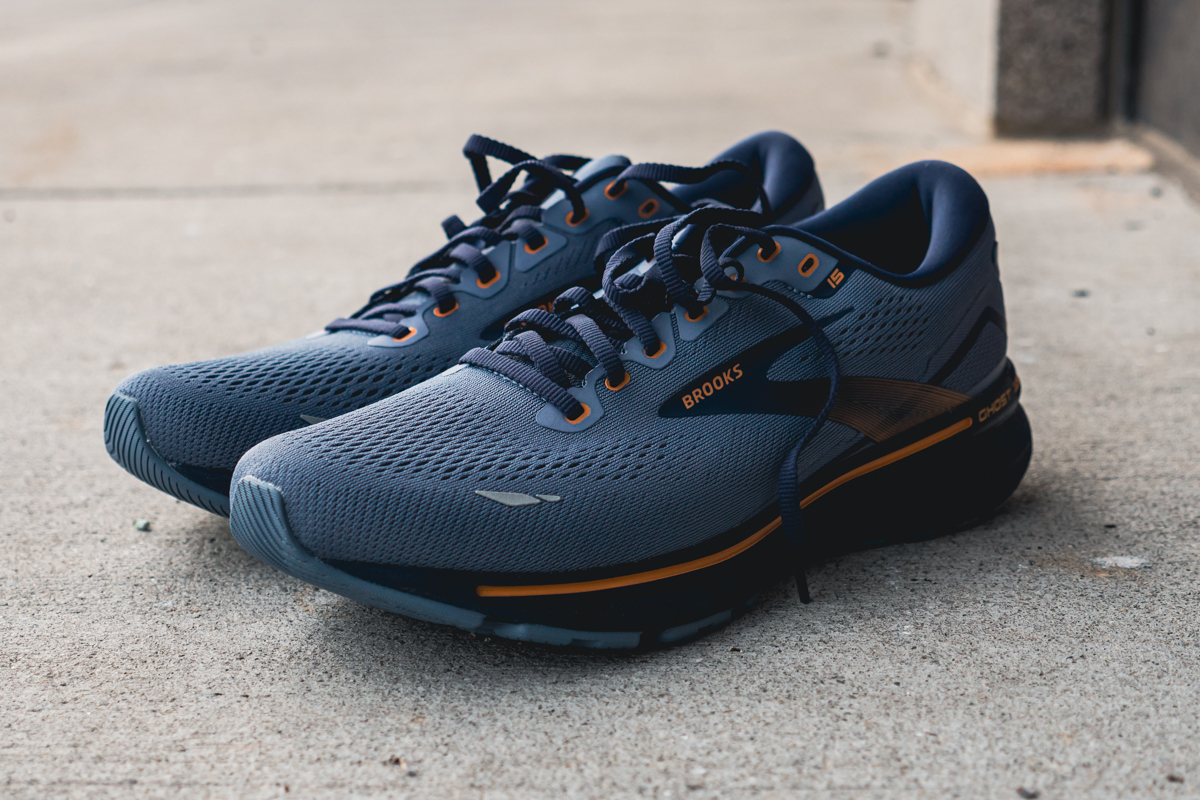
Ghost — Best for neutral daily training
- Smooth ride and medium cushion.
- Works for many runners as a go-to trainer.
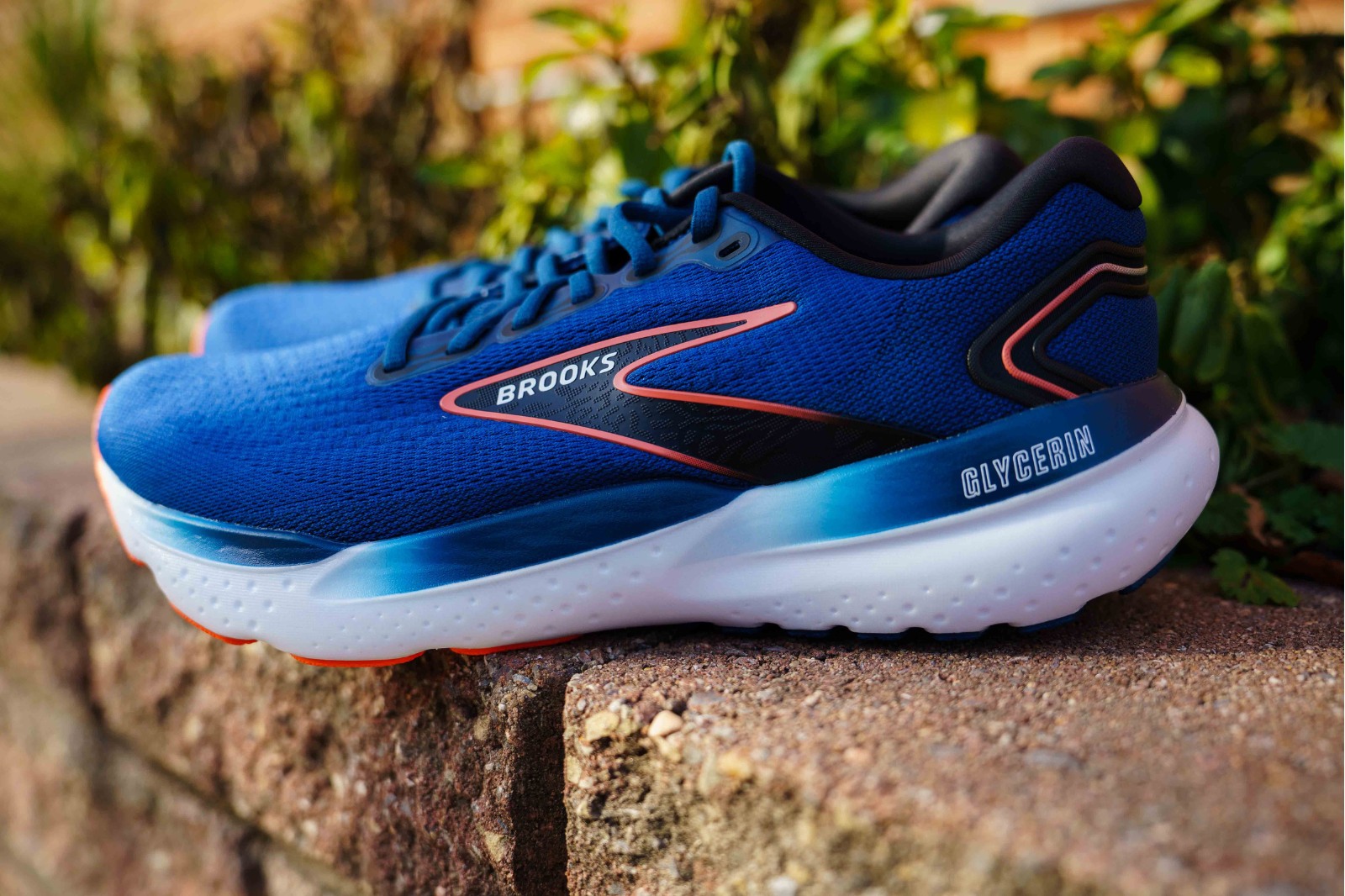
Glycerin — Best for plush comfort
- Maximum soft cushioning.
- Great for recovery runs and comfort seekers.
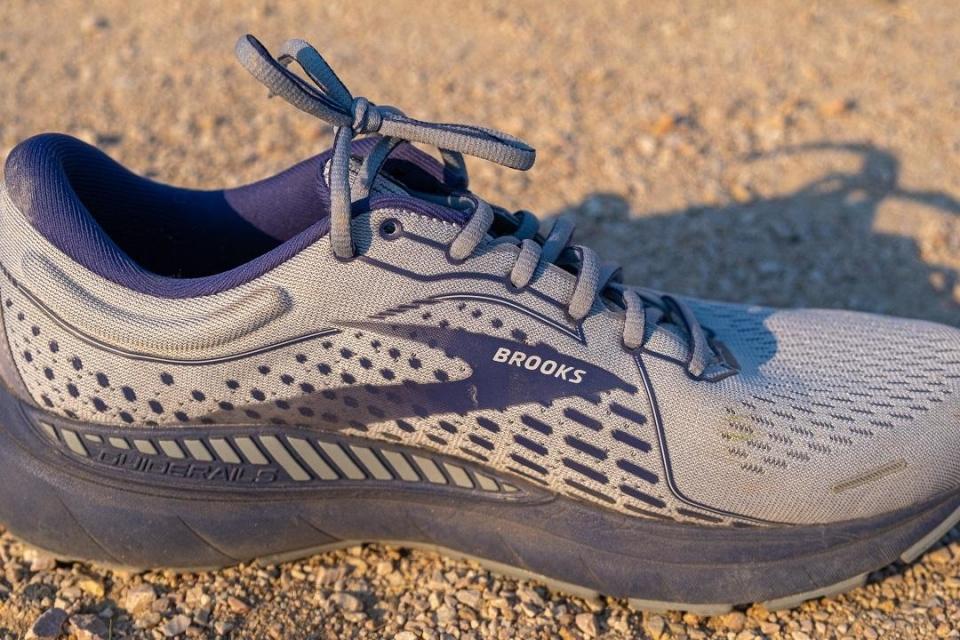
Adrenaline GTS — Best for stability
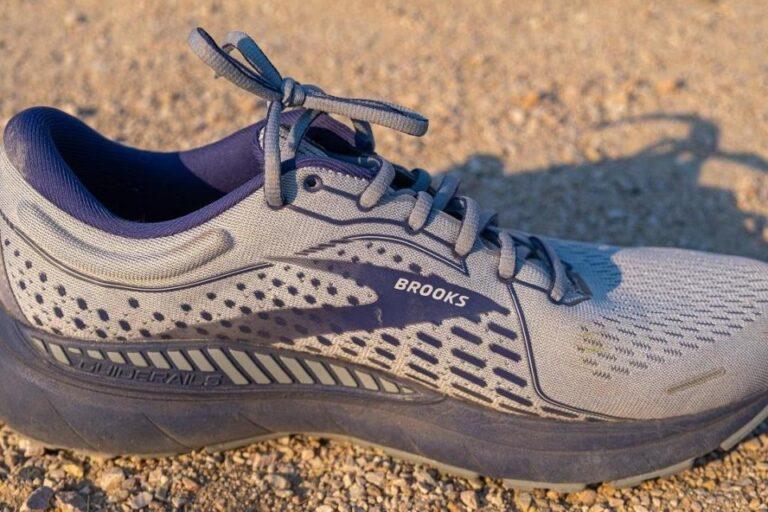
- GuideRail support for mild overpronation.
- Good for daily miles with extra control.
Launch — Best for speed and tempo
- Light and responsive.
- Great for workouts and race pace runs.
Cascadia — Best for trail running
- Durable outsole and rock protection.
- Built for trails and mixed terrain.
Beast/Ariel — Best for motion control
- Strong support and wide fit.
- Suits heavy runners needing firm control.
For most people asking which brooks shoe is best for me, the Ghost or Adrenaline GTS will be the right start. These two cover a wide range of runners and are often safe first choices.
Match shoes to foot type and pronation
Understanding pronation helps answer which brooks shoe is best for me. Pronation is how your foot rolls inward on landing.
Neutral runners
- Use neutral shoes like Ghost, Glycerin, or Launch.
- Look for comfort and fit first.
Mild overpronators
- Try stability shoes like Adrenaline GTS.
- GuideRails help without feeling heavy.
Severe overpronators
- Consider motion-control options such as Beast or Ariel.
- Or visit a specialist for custom solutions.
Flat feet or high arches
- Flat feet often benefit from stability or supportive trainers.
- High arches usually need neutral shoes with good cushioning.
Testing your gait at a running store helps. I have seen many runners choose the wrong shoe online. A quick gait check solves that and clarifies which brooks shoe is best for me.

Match shoes to running goals and surfaces
Your goal shapes the choice. Ask: are you training, racing, or hitting trails?
Road training and daily runs
- Ghost or Adrenaline GTS for durability and comfort.
- Glycerin for extra plush recovery days.
Tempo runs and races
- Launch or Hyperion for light weight and snap.
- Keep a stable trainer for base miles.
- Cascadia for trails, grip, and protection.
- Look for lug depth and toe guard.
Walking or cross-training
- Glycerin or a trainer-style shoe offers comfort for long walks.
- Stability models help if you need control.
When you match goal and shoe, the question which brooks shoe is best for me becomes simple. Pick one primary shoe for weekly miles and a lighter pair for speed or race days.
Sizing, fit, and try-on tips to answer which brooks shoe is best for me
Fit matters more than model name. A perfect model can feel wrong if the size or shape is off.
Try these fitting tips:
- Measure your feet later in the day when they swell.
- Leave a thumb’s width in the toe box.
- Wear the socks you plan to run in when trying shoes.
- Test run or jog in-store if possible to check heel lockdown.
If a Brooks model feels tight across the forefoot, try a different width or a model with a wider toe box. I once kept a pair because I liked the color and regretted it on long runs. Fit wins over looks every time.
:max_bytes(150000):strip_icc()/brooks-cascadia-16-trail-running-shoes-d1876d7e35c44d17945f8b0c949d10d0.jpg)
My testing notes and personal recommendations
I run mixed paces and surfaces. I’ve logged hundreds of miles in Ghost, Adrenaline GTS, Glycerin, and Cascadia. That experience shaped my top picks.
What I learned
- Ghost: reliable and forgiving for most runners. I used it for long runs and easy days.
- Adrenaline GTS: stable and secure. It helped a friend with mild overpronation avoid knee pain.
- Glycerin: plush but heavy for fast days. Best for recovery or long easy miles.
- Cascadia: tough on trails and long hikes. It saved my feet on rocky sections.
For most people asking which brooks shoe is best for me, start with Ghost for neutral needs and Adrenaline GTS for stability needs. Then add a Launch or Cascadia for speed or trail work.
:max_bytes(150000):strip_icc()/shape-brooks-running-shoes-tout-3bdcd3a3a94445a994c6204b074141db.jpg)
Care, replacement, and buying tips
Keeping shoes in good shape helps performance and budget. Know when to replace them.
Care and lifespan
- Rotate two pairs if you run several times per week.
- Clean dirt off after trail runs to avoid outsole wear.
- Replace every 300–500 miles depending on weight and surface.
Buying tips
- Try shoes in the late afternoon for fit accuracy.
- Check return policies for online purchases.
- Look for last-season colors to save money.
These steps make sure your choice of which brooks shoe is best for me stays good for many miles and feels right at purchase.
Frequently Asked Questions of which brooks shoe is best for me
What Brooks shoe is best for flat feet?
For flat feet, a stability shoe like Adrenaline GTS usually works well. It offers support and reduces excess inward roll.
Which Brooks shoe is best for long runs?
Glycerin or Ghost are good for long runs due to cushioning and comfort. Glycerin is plusher while Ghost balances cushion and responsiveness.
Are Brooks shoes good for trail running?
Yes, Brooks Cascadia is their trail leader with durable traction and rock protection. Other Brooks road shoes are not ideal off-road.
How do I know if I need a stability shoe?
If your knees or ankles collapse inward or you see strong inward roll in gait checks, a stability shoe can help. A specialist or gait analysis confirms this.
Can I use Brooks Launch for daily training?
Launch is designed for speed and tempo and can handle moderate weekly miles. For heavy mileage, pair it with a more cushioned trainer like Ghost.
How often should I replace my Brooks shoes?
Replace shoes every 300–500 miles. Heavier runners and trail surfaces often shorten that lifespan.
What size should Brooks shoes be for running?
Measure feet and allow about a thumb’s width in the toe box. Try shoes with the socks you plan to run in for best fit.
Conclusion
Choosing which brooks shoe is best for me comes down to simple facts: know your foot type, your running goals, and how the shoe fits. Start with a neutral trainer like Ghost if you’re unsure, choose Adrenaline GTS for added support, and add a Launch or Cascadia for speed and trails. Test fit carefully, rotate pairs, and replace shoes before they wear out to protect your body and performance.
Take action: measure your feet, list your main runs, and try two models in store or buy with a good return policy. Share your experience or questions below to get tailored advice.

Rubel Miah is the Senior Editor at MyStyleGrid.com, where he brings a sharp editorial eye and an unshakable love for fashion to everything he does. A true style addict, Rubel lives and breathes trends, from streetwear to high fashion, and has a knack for turning inspiration into impactful stories. With years of experience in fashion journalism and digital media, he curates content that empowers readers to express themselves through style. When he’s not editing features or forecasting the next big thing, you’ll find him hunting down vintage pieces or capturing street style moments around the city.