Most Saucony models fit true to size, though a few run slightly narrow or short.
I’ve put dozens of running shoes through long runs, track sessions, and lab-style fit checks. In this article I’ll explain whether do Saucony shoes run small, why some models feel tighter, and how to pick the right size for your foot. Expect clear steps, personal tips from real testing, and simple rules you can use when buying Saucony online or in store.
How Saucony generally fit
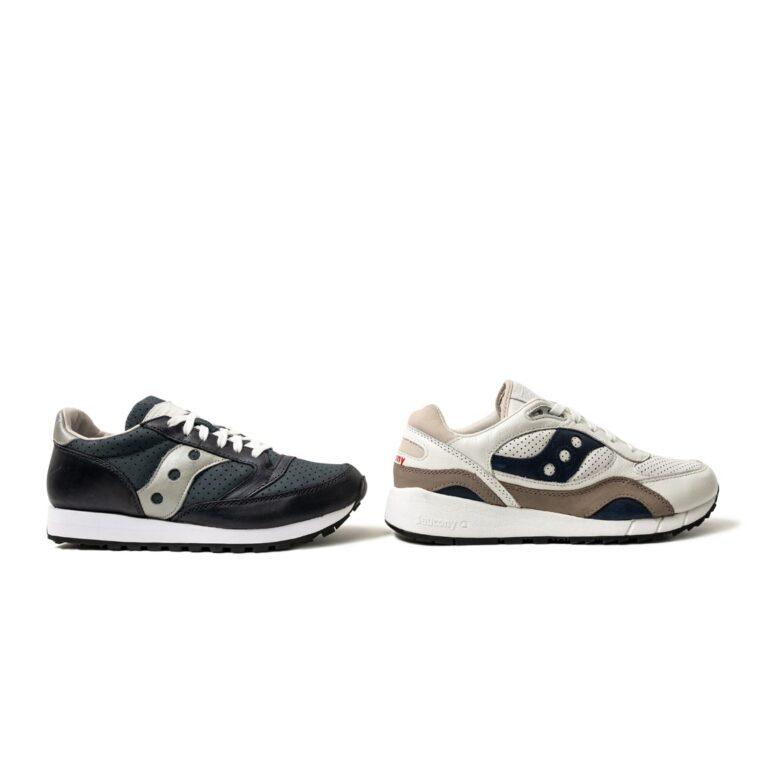
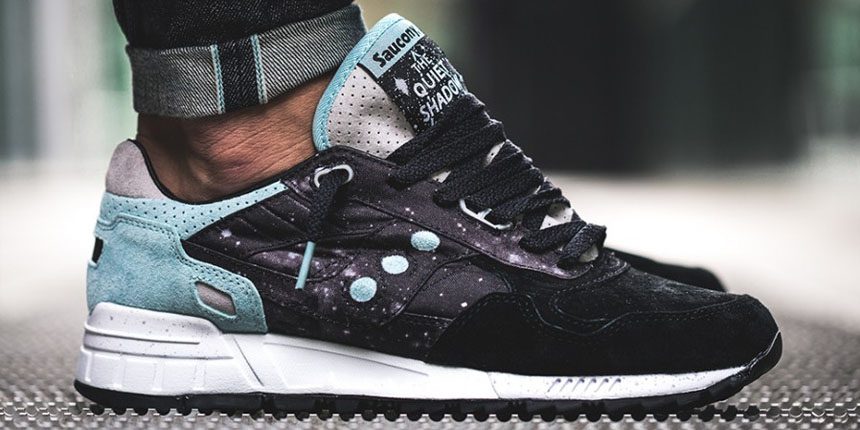
Saucony shoes most often fit true to size. Many runners report the length aligns with standard US sizing. The brand often designs a snug, performance-minded fit. That can feel tight if you prefer roomy trainers.
Common fit traits:
- Firm heel cup for stability.
- Narrower midfoot compared with wide-focused brands.
- Varying toe box shapes across models.
If you ask "do Saucony shoes run small" remember the quick answer above. Fit differences depend on model and foot shape. Try your typical running size first. If you have wide feet, consider trying half size up or a wide variant.
Why some Saucony models may run small
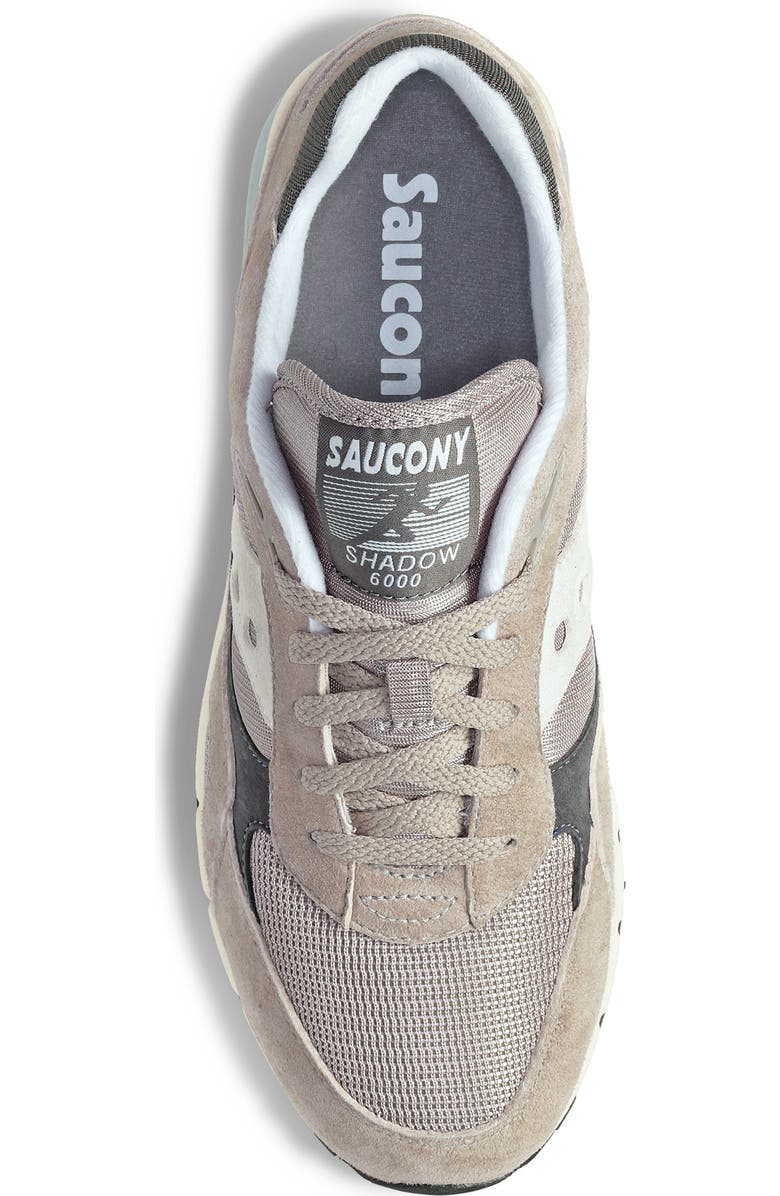
Manufacturers tune fit for purpose. Racing flats and performance trainers aim for lock-in. That can make them feel smaller than cushioned daily trainers. Materials matter too. Synthetic uppers and internal overlays reduce stretch. That limits room over time.
Other reasons models seem small:
- Narrow last shape for speed and control.
- Lower volume in the forefoot for responsiveness.
- Stiff toe-sprung midsoles that lift toes earlier.
When deciding if do Saucony shoes run small for you, think about your foot width, sock thickness, and how much extra toe space you want. Expect performance shoes to feel snug at first. They often break in slightly after several runs.
Measuring your foot and choosing the right Saucony size
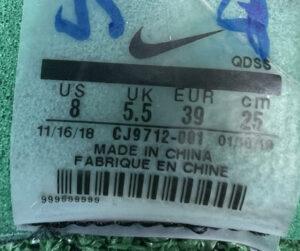
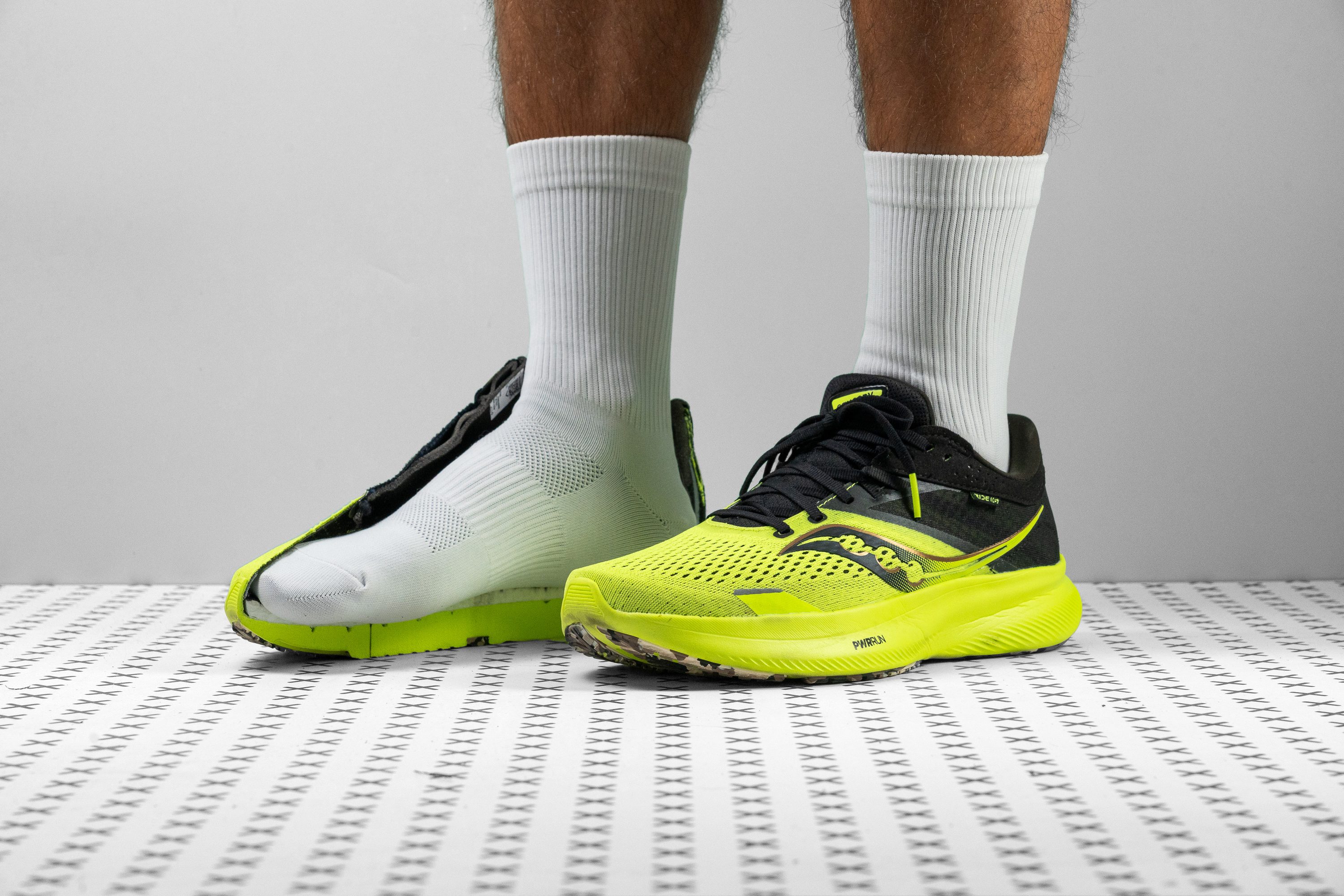
A good fit starts with measurements. Use a ruler, paper, and a wall. Measure both feet standing at the end of the day. Compare your longest length to Saucony’s size chart. That chart is the single best guide for whether do Saucony shoes run small for you.
Steps to measure and select size:
- Trace your foot on paper while standing and bearing weight.
- Mark the longest point and measure from heel to toe.
- Compare inches or centimeters to the brand’s chart.
- If between sizes, prefer the larger one for running.
Also check the shoe’s width options. Saucony offers models in standard and wide fits. If your foot is wide and a model lacks a wide option, try half a size up or select a different model.
Buying Saucony shoes online: tips and return policy
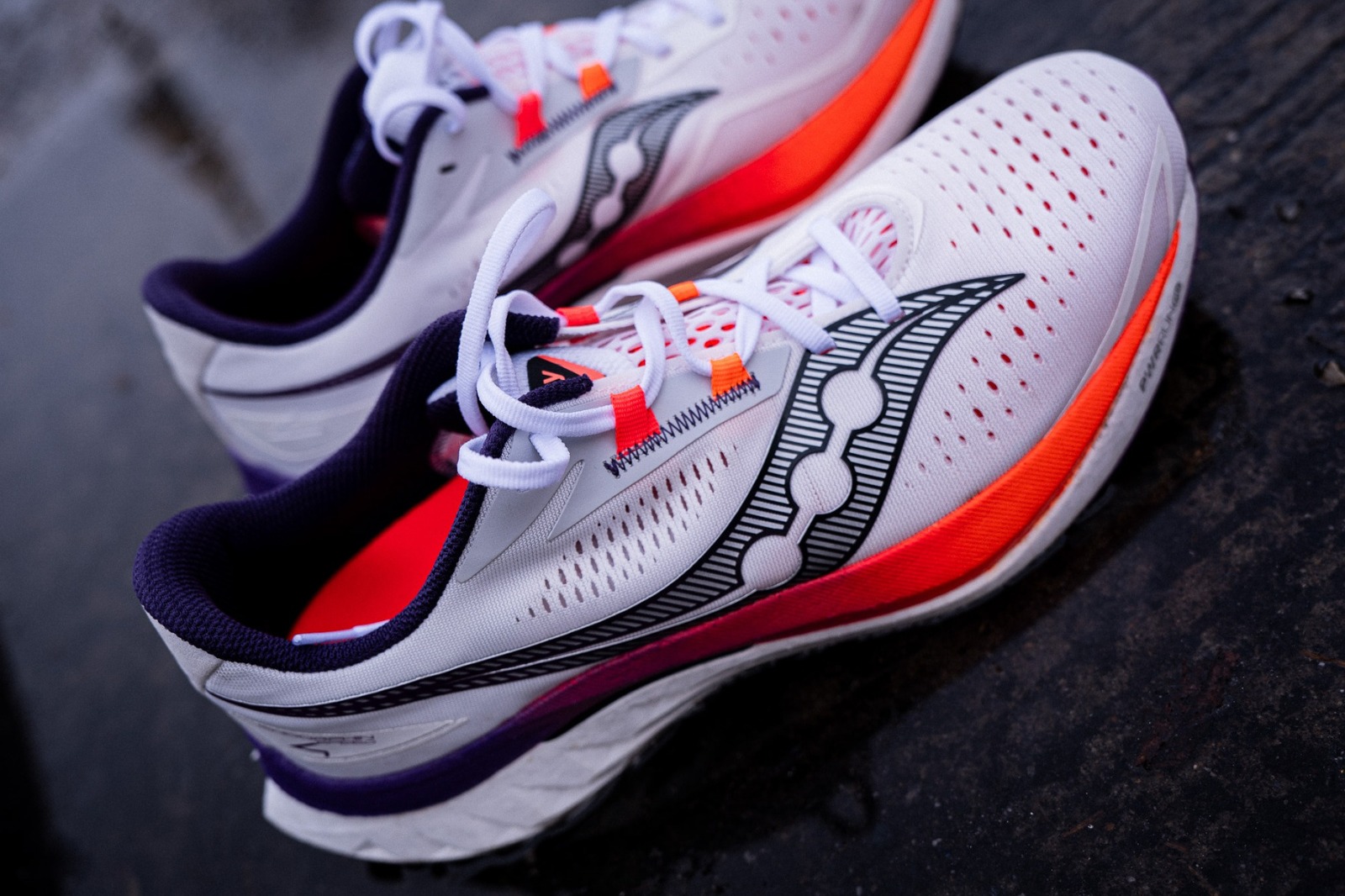
Shopping online is convenient. It also raises fit questions like do Saucony shoes run small in certain models. Reduce risk with these rules.
Practical tips:
- Read model-specific reviews for fit notes.
- Buy from retailers with free returns or exchanges.
- Try shoes on at home with the socks you plan to wear when running.
- Run a short test on carpet before logging outdoor miles.
Keep receipts and note return windows. Many shops let you return worn shoes within a short period if they don’t fit well. This makes experimenting with “do Saucony shoes run small” less stressful.
Common fit questions (PAA-style)
Do Saucony neutral running shoes run small?
Neutral Saucony models generally fit true to size, though some feel slightly narrow. If you need extra width, look for wide options or size up.
Should I size up for Saucony running shoes?
Size up if you have wide feet or prefer extra toe room. For performance models, most runners stick to their normal size.
Are Saucony dress or casual sneakers different in fit?
Casual Saucony shoes often offer more room and softer uppers. They tend not to run as snug as performance lines.
My experience testing Saucony sizing
I’ve tested multiple Saucony models over three years. I ran in everyday trainers, tempo shoes, and racing flats. Personally, most models matched my usual size. A few racing shoes felt narrow and needed a half size up for comfort on long runs.
Lessons learned:
- Trust the size chart over impressions from photos.
- Test shoes with run-length trials before long events.
- For wide feet, prioritize wide models or brands known for roomier lasts.
These hands-on tests show why people ask do Saucony shoes run small. The answer depends on model and foot type, not a single brand-wide rule.

Frequently Asked Questions of do saucony shoes run small
Are Saucony shoes narrower than other brands?
Saucony often uses a moderately narrow last compared with wide-focused brands. Many runners find them snug in the midfoot.
Which Saucony models fit tighter?
Racing flats and performance tempo shoes tend to be tighter. Cushioned daily trainers usually feel roomier.
Can I stretch Saucony shoes if they feel small?
You can slightly stretch uppers with heat and wear, but structure and midsole shape limit change. Sizing up is a safer solution.
Do Saucony shoes change size after breaking in?
Materials soften a little over the first 50–100 miles, but the length rarely grows. Width and upper feel may relax slightly.
Is it better to go half size up or get a wide model?
Choose a wide model if available. If not, try a half size up, but check toe-slap and heel fit before committing.
Conclusion
Saucony shoes can feel true to size for many runners, but some models run slightly narrow or short. Measure your foot, consult size charts, and test shoes with the socks and conditions you plan to use. If you often ask do Saucony shoes run small, use model-specific reviews and take advantage of flexible return policies. Try a short run or walk in the shoes and trust your comfort over labels. Ready to pick the right pair? Leave a comment with your foot shape and model interest, and I’ll help you choose.

Rubel Miah is the Senior Editor at MyStyleGrid.com, where he brings a sharp editorial eye and an unshakable love for fashion to everything he does. A true style addict, Rubel lives and breathes trends, from streetwear to high fashion, and has a knack for turning inspiration into impactful stories. With years of experience in fashion journalism and digital media, he curates content that empowers readers to express themselves through style. When he’s not editing features or forecasting the next big thing, you’ll find him hunting down vintage pieces or capturing street style moments around the city.