Most LL Bean boots run true to size, though some styles fit slightly roomy for layering.
I’ve tested and fitted dozens of boots, and I can walk you through whether do ll bean boots run big and how to pick the best size. I’ll explain fit differences by model, materials, and use. Expect clear sizing steps, real-world tips, and mistakes to avoid so you can buy with confidence.
How do ll bean boots run big? Fit overview and key factors
Many shoppers ask do ll bean boots run big. The short answer is that most styles fit true to size. Some models feel roomier because they are built for socks and insulation. Leather uppers and rubber bottoms move differently. Lined versions add bulk and can feel snugger at first.
Fit depends on these factors:
- Boot model. Classic Bean Boot vs. 8-inch insulated models vary.
- Lining type. Thinsulate or wool makes boots feel tighter.
- Sock thickness. Heavy socks need extra space.
- Break-in. Leather softens and the fit loosens with wear.
If you wonder do ll bean boots run big for you, measure your feet and compare to the brand’s size chart. This reduces guesswork.
Sizing by model: which LL Bean boots run bigger and why
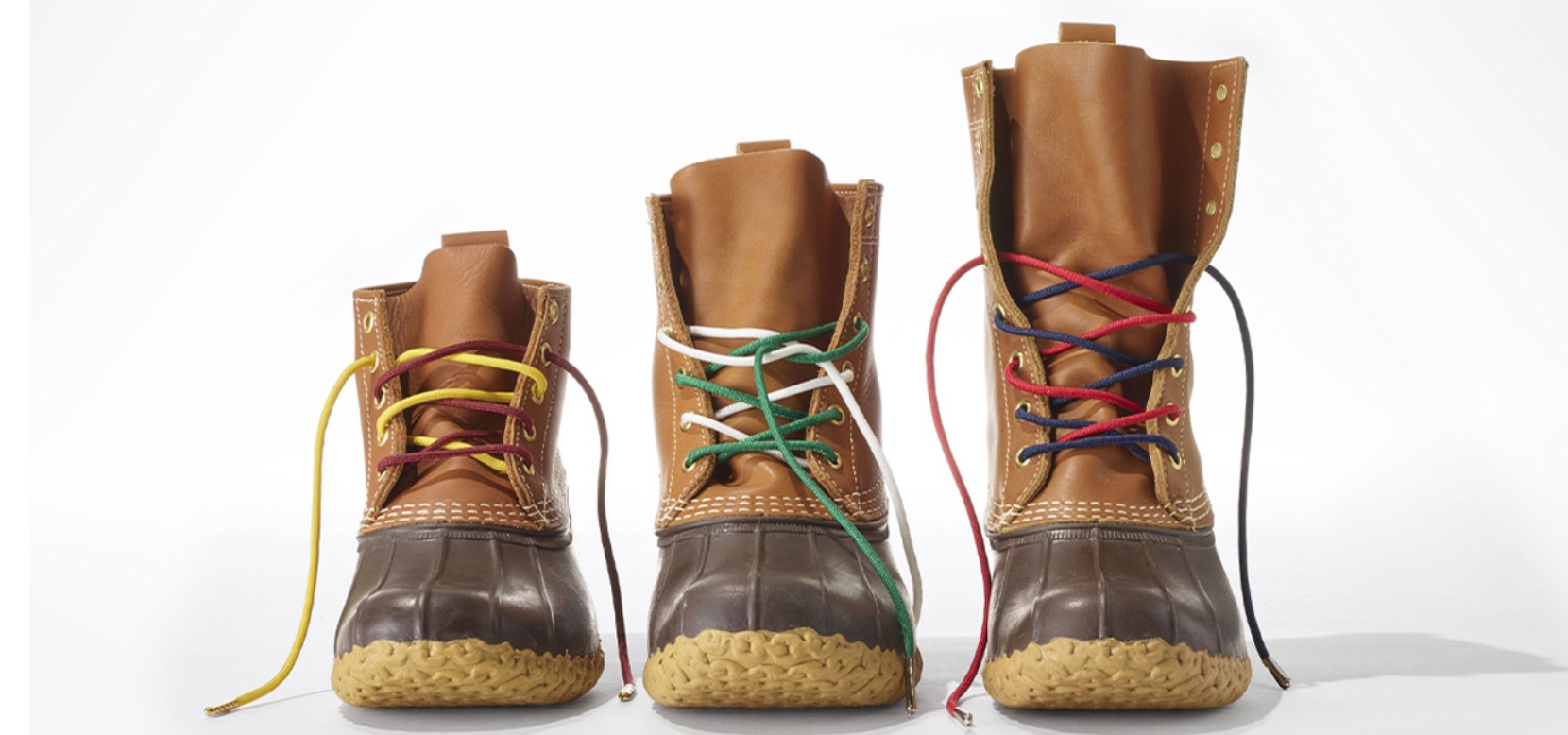
Do ll bean boots run big across all models? No. Here is how common models behave.
-
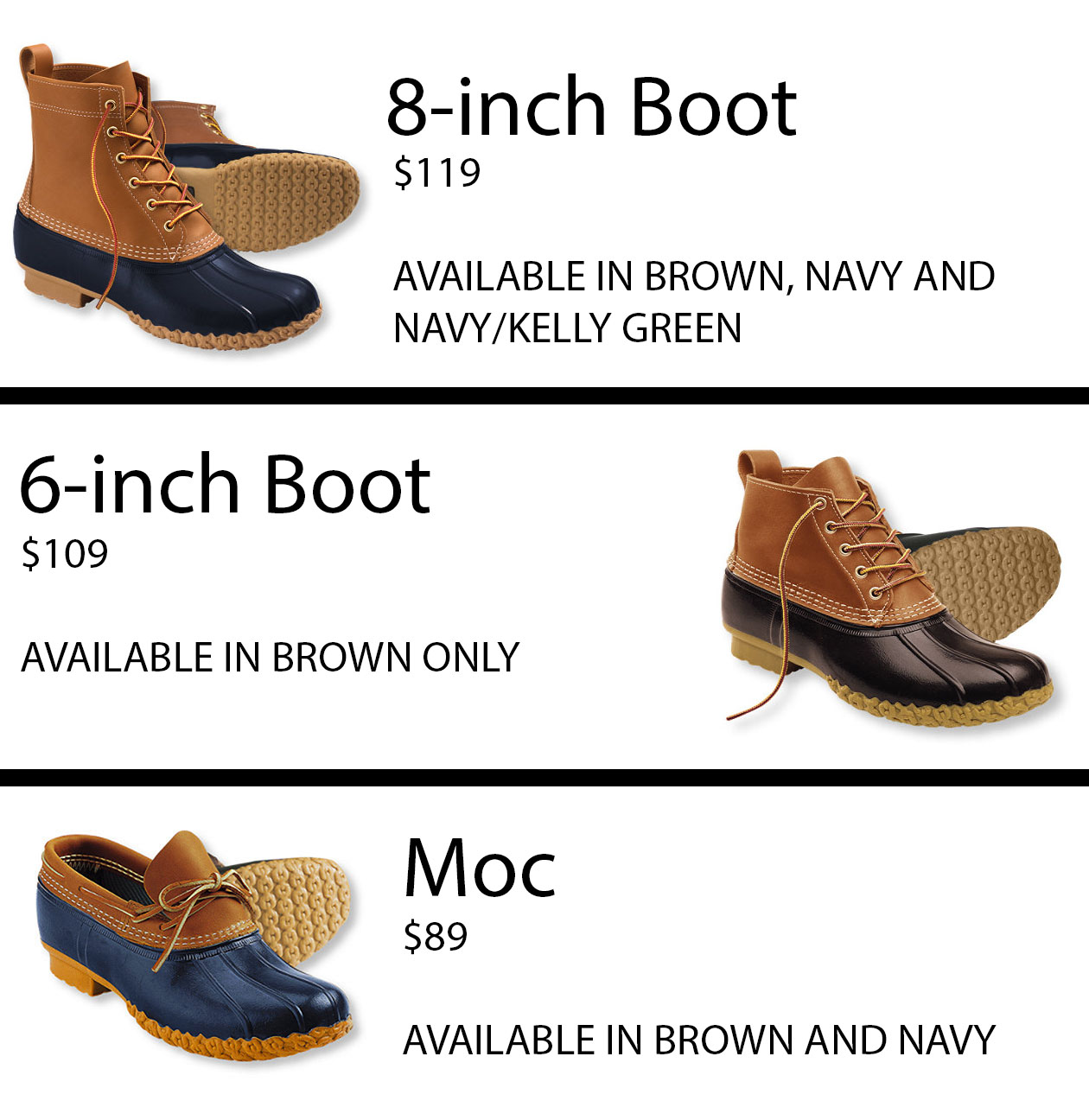
Classic 8-inch Bean Boot
- Fits true to size for most people.
- Leather firms up and stretches slightly after a few wears.
- If you plan heavy socks, consider half size up.
-
10-inch and taller hunting styles
- Often run slightly larger to allow movement and gaiters.
- Good for layering and long treks.
-
Insulated or shearling-lined boots
- Tend to feel snug at first.
- The lining compresses and creates a more custom fit over time.
-
Rubber or purely synthetic boot styles
- May fit more snugly because they have less give.
- Check specific product notes for fit tips.
When you ask do ll bean boots run big, remember each style is built with a purpose. Outdoor and hunting models favor a roomier fit. Fashion-forward or narrow designs can run truer to length but narrower in width.

How to measure your foot and pick the right Bean Boot size
A reliable fit starts with good measurement. Follow these steps to avoid sizing mistakes.
- Measure your foot
- Stand on paper with weight on both feet.
- Trace the outline and measure length from heel to longest toe.
- Compare to the size chart
- Use LL Bean’s recommended chart for the specific model.
- Match your longest foot to the chart sizing.
- Consider width and socks
- If you have wide feet, size up or choose a wide option if available.
- For thick socks or liners, add half size.
- Try at home and test a walk
- There should be a thumb’s width of room at the toe.
- Heel slippage of a quarter inch is okay before break-in.
These steps answer the common worry: do ll bean boots run big for wide feet? Often the boots are true in length but may be narrow in the toe box. Measure first and order accordingly.

How break-in and materials affect fit
Do ll bean boots run big after breaking in? Yes, they can loosen a bit. Leather stretches and molds to your foot. Lined boots compress the lining and may feel bigger inside after wear. Rubber soles and welt construction also relax with time.
Typical changes to expect:
- Slight increase in length comfort after leather softens.
- Reduced heel slip as the upper forms to your foot.
- Lined boots feel more spacious once the lining settles.
This is why some buyers think do ll bean boots run big at first, while others say they loosen later. Both views are true depending on material and wear.

My real-world testing, mistakes I made, and practical tips
I’ve worn LL Bean boots across trails and daily life. Here’s what I learned from experience.
- I once ordered my usual sneaker size. The classic boot fit, but my thick socks made them tight. I returned for a half size up and felt better.
- On a wet hike, leather softened and the boots felt more comfortable after two weeks.
- I learned to size by intended use. For heavy winter use, add half size to fit thicker socks and insoles.
Practical tips I give friends:
- When unsure, choose half size up rather than down.
- Buy from sellers with free returns to test at home.
- Use breathable insoles for long hikes and more comfort.
These points address why shoppers ask do ll bean boots run big. Your use case matters most.
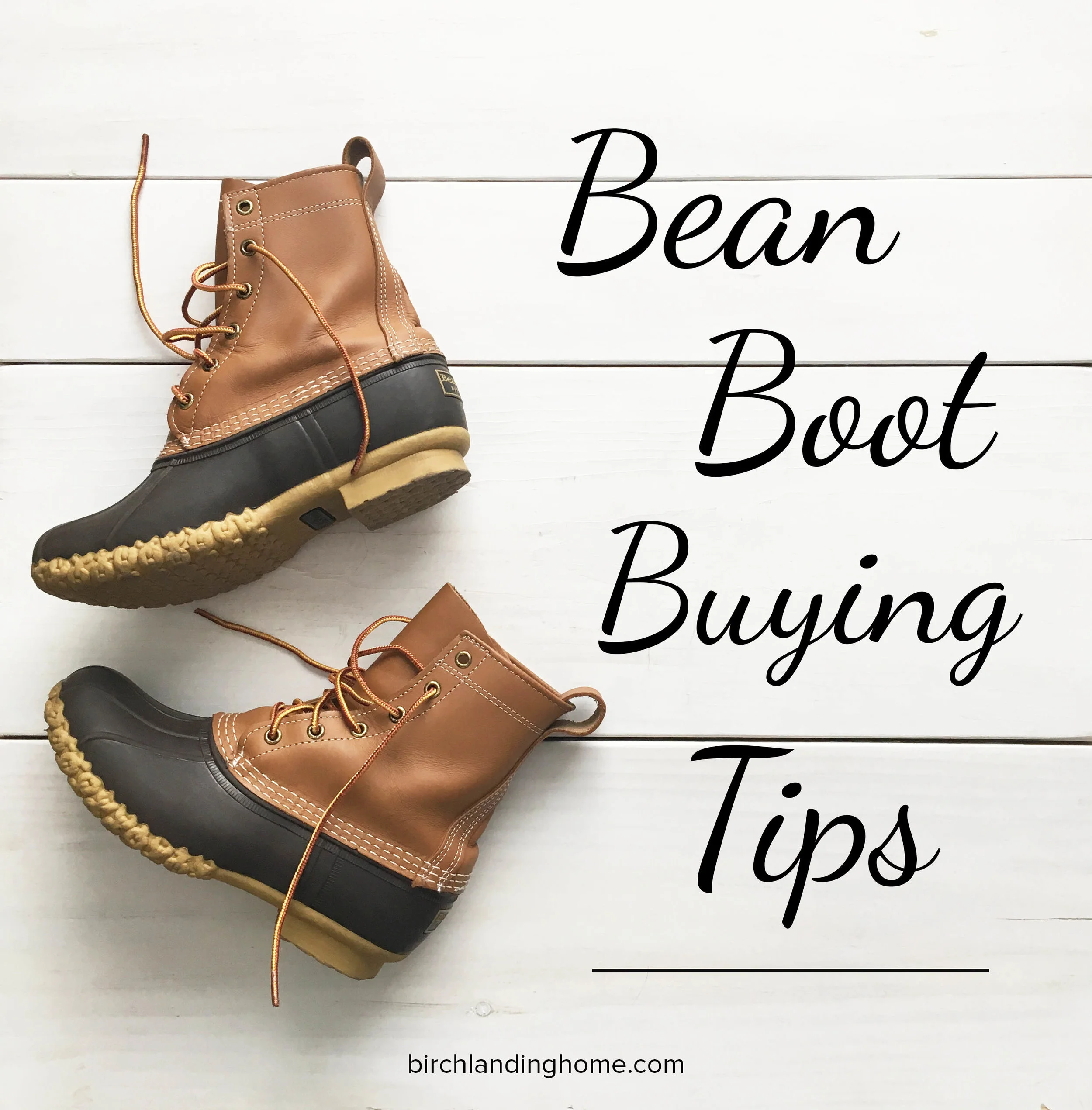
Comparing LL Bean boots to other brands
If you’re switching shoes, you’ll want to know how do ll bean boots run big versus competitors.
- Versus generic fashion boots
- LL Bean boots often run more true to outdoor sizing.
- Fashion boots can be narrower or shorter.
- Versus work boots
- Work boots may feel roomier in the toe box for safety.
- LL Bean often strikes a middle ground for casual outdoor use.
- Versus specialized hiking boots
- Hiking boots may fit tighter to prevent foot movement.
- LL Bean boots prioritize versatility and comfort for variable weather.
If you are used to a brand that runs narrow, LL Bean boots may feel wider. If your previous boots ran roomy, LL Bean might feel closer to true size.

Care, adjustments, and long-term fit
How you care for your boots matters for fit. Proper care helps maintain size and comfort.
- Waterproofing and conditioning
- Apply leather conditioner after initial break-in.
- Use waterproofing spray to protect seams and leather.
- Insoles and orthotics
- Add thin insoles for snugger fit.
- Use custom orthotics if you need arch support.
- Stretching and professional mods
- A cobbler can stretch narrow spots for a better fit.
- Heel pads fix minor slippage without changing length.
These steps help if you’re still unsure whether do ll bean boots run big for your feet. Small adjustments can solve most issues.
Buying advice and return policies to reduce risk
To avoid regret, follow these steps when buying LL Bean boots.
- Check sizing notes on the product page.
- Read reviews from buyers with similar foot shapes.
- Order two sizes if you are between sizes and return the one that doesn’t fit.
- Use LL Bean’s return window and free-shipping policies when available.
Smart buying cuts the worry around do ll bean boots run big. Plan for a simple return or exchange if you need a different size.
Frequently Asked Questions of do ll bean boots run big
Are LL Bean boots true to size?
Most LL Bean boots run true to size, especially classic styles. Try your normal shoe size first and adjust for sock thickness.
Should I size up for insulated LL Bean boots?
You may want a half size up for insulated versions if you wear thick socks. The lining takes up room, so allow extra space.
Do LL Bean boots run wide or narrow?
Length is usually true, but some models run narrow in the toe box. Look for wide options or size up if you have wide feet.
Will LL Bean leather stretch over time?
Yes. Leather softens and stretches slightly after break-in. Expect a more custom fit after several wears.
Can I return boots if the size is wrong?
Yes. Check the retailer’s return policy for free exchanges or refunds. Ordering from sellers with easy returns reduces risk.
How much room should be in the toe box?
Aim for about a thumb’s width between your longest toe and the boot tip. This room prevents pressure and improves comfort.
Conclusion
LL Bean boots usually run true to size, with some styles feeling roomier for layering and others snug due to lining. Measure your foot, consider the model and use, and plan for break-in. When in doubt, pick a half size up for heavy socks or wide feet. Test at home and use return options to make the fit right.
Take action now: measure your feet, check the style’s notes, and try a cautious size choice to find your best fit. If you’ve tried LL Bean boots, share your fit story below or try a pair risk-free and see how they fit you.

Rubel Miah is the Senior Editor at MyStyleGrid.com, where he brings a sharp editorial eye and an unshakable love for fashion to everything he does. A true style addict, Rubel lives and breathes trends, from streetwear to high fashion, and has a knack for turning inspiration into impactful stories. With years of experience in fashion journalism and digital media, he curates content that empowers readers to express themselves through style. When he’s not editing features or forecasting the next big thing, you’ll find him hunting down vintage pieces or capturing street style moments around the city.