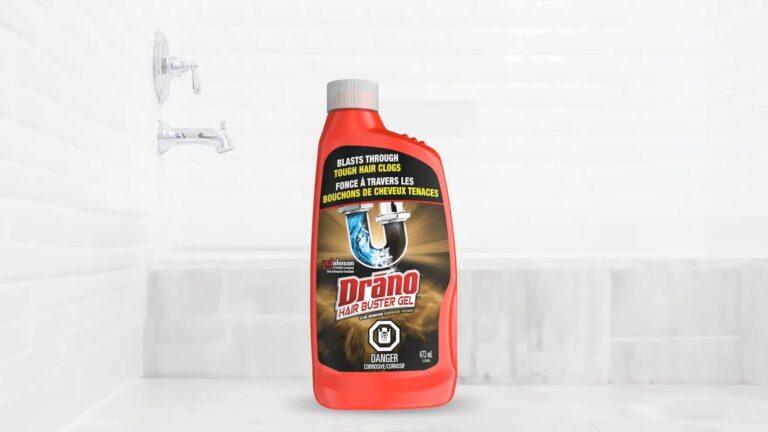
Have you ever faced a stubborn hair clog slowing down your drain? I have—more times than I can count. It’s maddening when water pools and won’t drain, and you might wonder if Drano is the quick fix you need.
But does Drano really work on hair clogs? Before you pour that bottle down your drain, it helps to know what to expect. In this guide, I’ll share what has worked for me, what hasn’t, and how to keep your plumbing safe. You’ll learn how Drano interacts with hair blockages, when it’s effective, and what alternatives might save you time and money.
Keep reading to find out the truth, protect your pipes from damage, and choose the best method for your shower, tub, or bathroom sink.
How Drano Works
Drano is a common solution for clogged drains. It targets the gunk that slows pipes—hair, soap scum, body oils, and grease. Below, I break down how it tackles hair, and why the results can vary from drain to drain.
Chemical Composition
Most Drano formulas contain sodium hydroxide (lye) and bleach (sodium hypochlorite). Sodium hydroxide is a powerful base that breaks down organic matter. Bleach helps oxidize residue and control odor-causing bacteria.
The formula also includes small aluminum particles. When they react with the solution and water, they create heat. That heat speeds up the breakdown of hair, oils, and soap film. In simple terms: the mix loosens, dissolves, and lifts some of what’s stuck on your pipe walls.
Mechanism On Clogs
Hair clogs are mostly keratin, a tough, resilient protein. Sodium hydroxide can denature (unravel) keratin and saponify fats from conditioners and skin oils. The heat from the reaction boosts this process.
Bleach helps reduce odor by killing bacteria. As the chemical action softens the tangle and thins the surrounding muck, the clog can break apart. When all goes well, the mass loosens, slides past the P-trap, and water starts flowing again.
Effectiveness On Hair Clogs
Drano is a popular choice for blocked drains—especially slow shower and tub drains packed with hair and soap scum. Based on my experience and many real-world cases, here’s what to expect.
Success Rates
Drano contains chemicals that can break down some materials. It can dissolve small amounts of hair mixed with soap and grease. Many users report partial success after using Drano on hair clogs. It may clear slow drains or minor blockages. The product works faster if the clog is fresh, not too dense, and sitting close to the drain opening.
You’ll often see better results in:
- Shower and bathtub drains with recent buildup and visible slow flow
- Bathroom sinks where shaving stubble mixes with toothpaste and soap film
- Clogs that still let some water pass (not fully sealed)
Limitations With Hair
Hair is made of keratin, a strong protein that resists chemicals. Thick hair clumps may not dissolve completely with Drano. The product might only soften the clog, not remove it fully. Old, compacted hair blockages or clogs that snag on a crossbar or stopper rod often need mechanical removal. Using Drano repeatedly can harm pipes or cause buildup. Care is needed when treating hair clogs with chemical cleaners.
In my home, Drano handled small, fresh tangles—but compacted “felt-like” clogs needed a drain snake. If water is standing and nothing moves, chemicals usually won’t fix it.
When Drano Is The Right Choice (Quick Guide)
Use Drano when:
- The drain is slow, not completely blocked
- The clog is likely hair + soap scum near the drain
- You haven’t already mixed other chemicals in the pipe
- Your pipes are in good shape (no known cracks, not very old)
Skip Drano when:
- Water is standing for hours with zero movement
- The clog is deep in the line or caused by a foreign object
- You have old, damaged, or questionable plumbing
- You’re on a delicate septic system or worry about heat in plastic pipes
Potential Risks
Using Drano to clear hair clogs may seem easy. Yet, it carries some risks. I always weigh these risks before I reach for a bottle.
Pipe Damage
Drano contains strong chemicals that can harm your pipes. Old or fragile pipes may wear out faster. Plastic pipes might deform or crack from heat. Metal pipes can corrode over time. Repeated use of Drano can cause leaks and costly repairs. Small cracks may grow bigger after using Drano. Hair clogs may clear, but pipe damage can get worse if you rely on chemicals too often.
Health Hazards
Drano’s chemicals are dangerous to touch or breathe. Skin contact can cause burns or irritation. Fumes may harm your eyes, nose, and throat. Mixing Drano with other cleaners can create toxic gases. Keep Drano away from children and pets. Always use gloves and work in a ventilated area. Accidental ingestion can cause serious health problems. Handle Drano with care to avoid injuries.
Environmental Impact
Chemical drain cleaners can stress septic systems and reduce beneficial bacteria in the tank. They also add harsh compounds to wastewater. If you’re eco-focused or on septic, consider enzyme-based cleaners or mechanical removal first.
Alternative Methods
Sometimes Drano does not clear hair clogs fully. Alternative methods can help remove tough blockages. These options focus on physical and natural ways to fix drains safely. They work well without harsh chemicals. Try these methods to keep your drains flowing smoothly. I reach for these first in most cases.
Mechanical Removal
Mechanical removal uses tools to pull out hair clogs. A drain snake or wire hanger works well. Insert the tool into the drain and twist gently. The hair will catch on the tool and come out. This method is simple and effective. It avoids chemicals and protects your pipes. Mechanical removal can clear deep clogs fast.
- Barbed plastic “zip” tools are great for shower and tub drains
- A hand auger (drain snake) reaches past the P-trap for stubborn clumps
- Remove and clean the stopper first—hair often wraps around it
Natural Solutions
Natural solutions use safe ingredients to break down hair clogs. Baking soda and vinegar create a fizzy reaction. Pour half a cup of baking soda down the drain. Follow with half a cup of vinegar. Let it sit for 30 minutes, then flush with hot water. This mix helps dissolve grease and hair. It is eco-friendly and gentle on pipes. Natural solutions work best for minor clogs.
Tip from my routine: baking soda + vinegar helps loosen soap scum, which can free hair caught in that matrix. It’s not a miracle for dense, pure hair balls—but it’s a low-risk first step.
Enzyme/Bacterial Cleaners (Septic-Safe Option)
Enzymatic or bacterial drain cleaners digest organic matter over time. They’re gentler on pipes and septic systems and work well as maintenance. They’re slower than chemicals, but for recurring hair and soap buildup, a monthly dose can keep drains clear.
Wet/Dry Vacuum Method
If you have a wet/dry vac, create a seal over the drain with a rag and pull the clog out. It’s messy but effective for shallow hair mats.
Remove and Clean the P-Trap (For Sinks)
For bathroom sinks, place a bucket under the P-trap, unscrew the slip nuts, and clean out hair and sludge. Reassemble, check for leaks, and you’re done. This is often faster than chemicals.
Boiling Water Flush (Use With Care)
Boiling water can soften soap scum. Use only on metal or heat-rated pipes and avoid on PVC if you’re unsure. Pour slowly in stages. I use this after mechanical removal to rinse residual gunk.
Safety Tips For Use
Using Drano to clear hair clogs can be helpful but requires caution. Safety matters most to avoid accidents or damage. Follow these safety tips to use Drano correctly and protect yourself and your pipes.
Proper use reduces risks and improves results. Read instructions carefully before starting. Wear gloves and eye protection to keep safe from chemicals. Use the recommended amount only. Pour Drano slowly to prevent splashes. Avoid mixing Drano with other cleaners. Let it sit for the suggested time. Flush the drain with hot water afterward to clear residue.
Proper Application
Always read product directions on the label first. Choose a well-ventilated area to work in. Use gloves to protect your hands. Pour Drano carefully, directly into the drain. Do not use more than the advised amount. Keep your face away from the drain to avoid fumes. Wait the full recommended time before flushing. Use hot water to rinse the drain well. Store Drano out of reach of children and pets.
Aftercare and What Not To Do
- Do not plunge right after using Drano—splash risk is high
- Do not follow Drano with vinegar or other cleaners—dangerous reactions are possible
- If Drano didn’t work, let the drain sit and flush thoroughly with water before trying a snake
- Ventilate the room and keep pets away until the job is done
When To Avoid Drano
Do not use Drano on old, damaged pipes. Avoid it if the clog is due to grease or solid objects. Never mix Drano with bleach or other chemicals. Do not use if the drain is completely blocked. Avoid using Drano in toilets or on septic systems. If unsure about pipe condition, call a plumber. Skip Drano if you have allergies to chemicals. If the clog returns, seek professional help instead.
Troubleshooting: If Drano Didn’t Work
If the drain is still slow after waiting the full time and flushing with hot water, try this:
- Remove the stopper and pull out any visible hair with a barbed tool
- Run a hand auger 6–10 feet into the line, rotating as you retract
- For sinks, clean the P-trap and the horizontal arm into the wall
- If multiple fixtures are slow, you may have a main line issue—call a plumber
Prevention Tips To Stop Hair Clogs
Prevention is cheaper than chemicals and easier than snaking. What works best for me:
- Install a hair catcher in showers and tubs and clean it weekly
- Brush or comb hair before showering to reduce shed strands
- Limit heavy conditioners that contribute to sticky buildup
- Flush the drain with hot water after baths or shaving
- Use an enzyme cleaner monthly as maintenance (septic-safe)
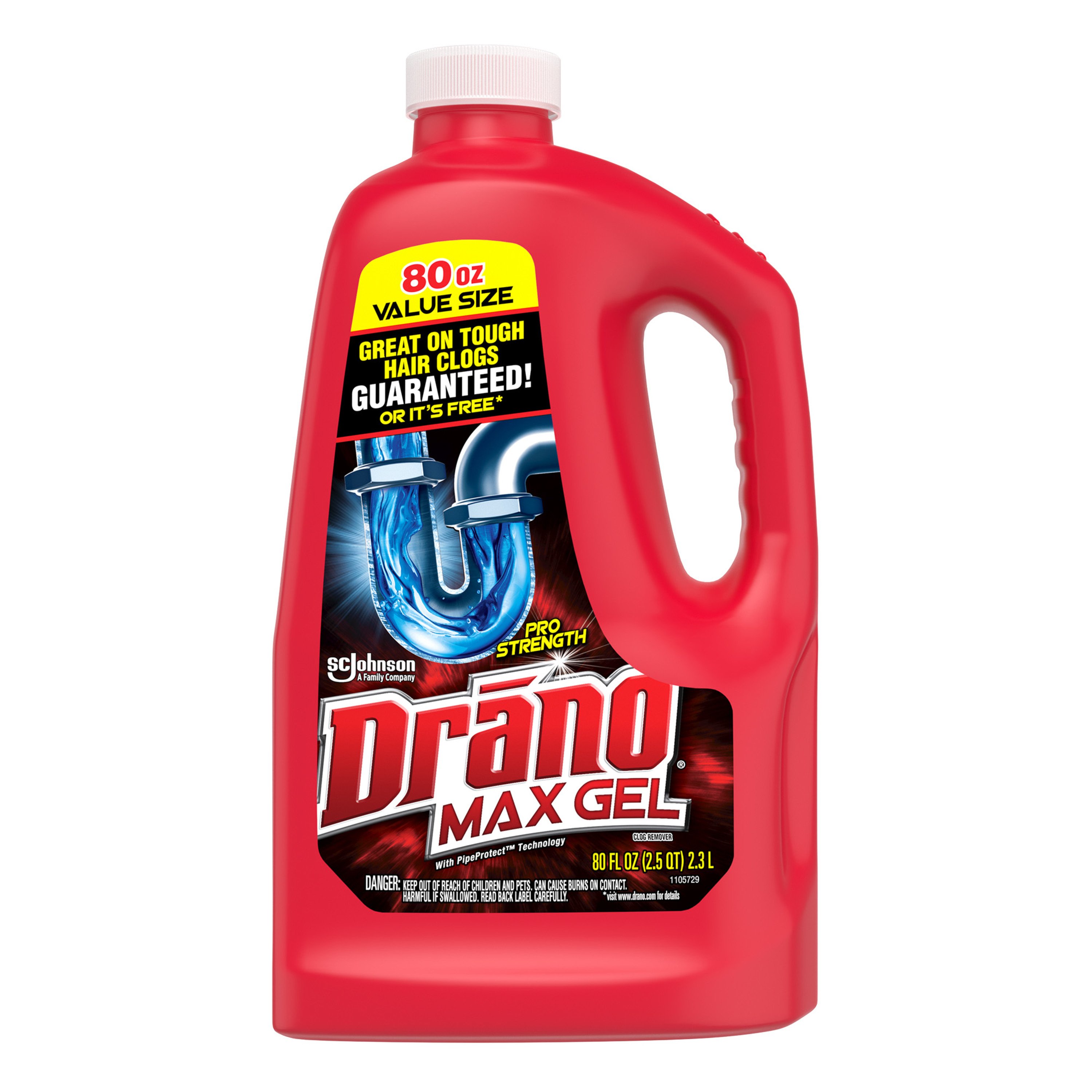
Credit: www.heb.com
Frequently Asked Questions
Does Drano Effectively Clear Hair Clogs In Drains?
Drano can dissolve hair clogs but may not always be fully effective. Hair often tangles tightly, making it hard to break down. For severe clogs, mechanical removal or a plumber might be necessary.
Is Drano Safe To Use On All Drain Types?
Drano is generally safe for most household drains, including metal and PVC pipes. However, avoid using it on old or damaged pipes to prevent corrosion or damage.
How Long Should Drano Sit To Clear Hair Clogs?
Drano typically needs 15 to 30 minutes to work on hair clogs. For tough blockages, letting it sit longer or repeating the process may help.
Can Drano Damage Plumbing When Used For Hair Clogs?
When used as directed, Drano rarely damages plumbing. Overuse or mixing with other chemicals can cause pipe corrosion or harm septic systems.
Can I use Drano in a shower or bathtub drain?
Yes, for slow drains with hair and soap scum. If the tub is full and not draining at all, a hair removal tool or snake is usually faster and safer.
Is Drano safe for septic systems?
Most chemical drain cleaners are not ideal for septic systems. They can disrupt beneficial bacteria. Use enzyme-based cleaners and mechanical methods instead.
What should I try before using Drano?
Remove the stopper, pull hair with a barbed tool, and flush with hot water. If still slow, try an enzyme cleaner or a hand auger. These steps often fix the problem without harsh chemicals.
Can I use baking soda and vinegar right after Drano?
No. Never mix cleaners. Flush the drain thoroughly with water and wait before trying anything else. Mixing chemicals can create heat and hazardous fumes.
How often can I use Drano?
Use it as an occasional fix, not routine maintenance. If clogs keep returning, switch to mechanical removal and prevention, or have a plumber inspect the line.
Conclusion
Drano can help clear some hair clogs but not all. It works best on small blockages near the drain opening. Large or tough clogs may need other tools. Using Drano often may harm pipes over time. Always follow safety instructions when using chemical cleaners.
For stubborn clogs, consider a plumber or a drain snake. Keeping drains clean prevents hair buildup and blockages. Simple habits like using a drain cover help a lot. Choose the right method based on the clog’s size and type. In my home, a $5 barbed tool and a monthly enzyme treatment have saved me countless headaches—and a lot of money on chemicals.

Madison Clark is a footwear expert and the voice behind MyStyleGrid.com. She specializes in honest shoe reviews, style tips, and practical guides to help readers find the perfect pair for any occasion. With years of experience in blogging and content creation, Madison makes footwear knowledge simple, stylish, and easy to follow.