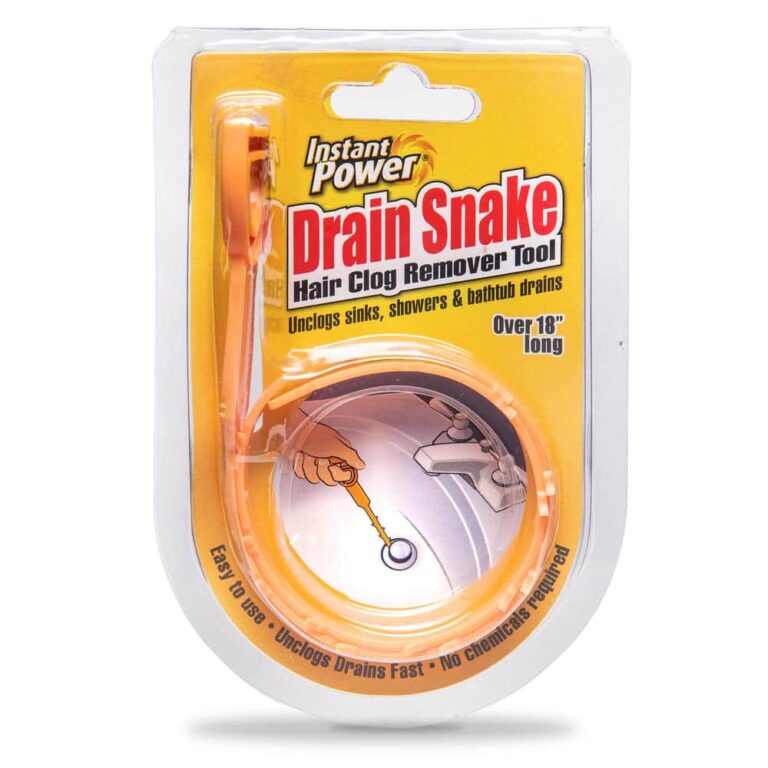
Clogged drains can feel like a mini crisis. Water backs up, smells creep in, and your sink or tub is out of service.
That’s where a drain snake clog remover shines. I keep one in my home toolkit and use it often. A drain snake (also called a plumber’s snake or drain auger) clears blockages without harsh chemicals. It’s simple, fast, and safe for most pipes when used the right way.
It can also save you the cost and hassle of a service call. In this post, I’ll share why every home should have a drain snake, how it works, and the real benefits I’ve seen. I’ll also cover safety, smart picks, and practical tips from years of DIY plumbing. By the end, you’ll see why a drain snake clog remover is a must-have for stress-free, budget-friendly drain care.
Credit: www.homedepot.com
Introduction To Drain Snake Clog Remover
A drain snake clog remover is a handy, go-to tool for blocked pipes. It grabs or breaks up hair, soap scum, food scraps, and more. You get a clean, clear drain without pouring chemicals into your plumbing or the environment.
I reach for a snake when a bathroom sink slows or the shower starts to pool. It’s a simple fix that keeps small issues from turning into big ones. Whether your home has PVC, ABS, or cast iron pipes, the right snake used with care can keep water moving and your plumbing healthy.
Importance Of Clear Drains
Clear drains keep your home fresh, safe, and efficient. They prevent backups, slow drainage, and foul odors. Left alone, clogs can strain pipes, trigger leaks, or cause water damage. Clear drains also stop bacteria growth and help your fixtures last longer. In short, clear flow means less stress.
Common Causes Of Clogs
Most clogs are simple—and preventable:
- Hair and soap scum in bathroom sinks and shower drains
- Food particles, coffee grounds, and starches (like rice) in kitchen sinks
- Grease and cooking oil that cool, harden, and stick to pipe walls
- Toilets blocked by wipes, feminine products, cotton swabs, or too much paper
- Small objects that fall into drains or get trapped in the P-trap
Regular maintenance and a quick pass with a drain snake can stop most of these from becoming a real headache.
How A Drain Snake Works
Knowing how a drain snake works makes it far less scary to use. It’s a simple tool that solves a common problem fast. Below is what happens behind the scenes and the main types you’ll see on the shelf.
Mechanism Of Action
A drain snake (plumber’s snake) is a flexible steel cable. You guide it into the drain opening and through bends like the P-trap. As you turn the handle, the coil moves forward, grabs debris, or breaks it apart. Hair tends to wrap on the tip; soft clogs get pushed through. When you feel the blockage give, you pull the snake out and remove the debris.
Tip from experience: turn the handle slowly and keep steady pressure. If you feel a firm stop, ease back, rotate, and try again. For sinks, removing the trap arm or using a cleanout can give a better path and less mess.
Types Of Drain Snakes
Pick the tool that matches the job:
- Manual drain snakes: Great for sinks, tubs, and showers. Easy to control. Common sizes are 1/4″ cable and 15–25 ft length.
- Toilet augers (closet augers): Built for toilets. They have a protective rubber guide to avoid scratching the bowl, and a 3–6 ft reach.
- Power snakes (electric drain cleaners): Best for tough or deep clogs. Often 3/8″ or 1/2″ cable with 50–75 ft reach. Save these for larger pipes or frequent problems.
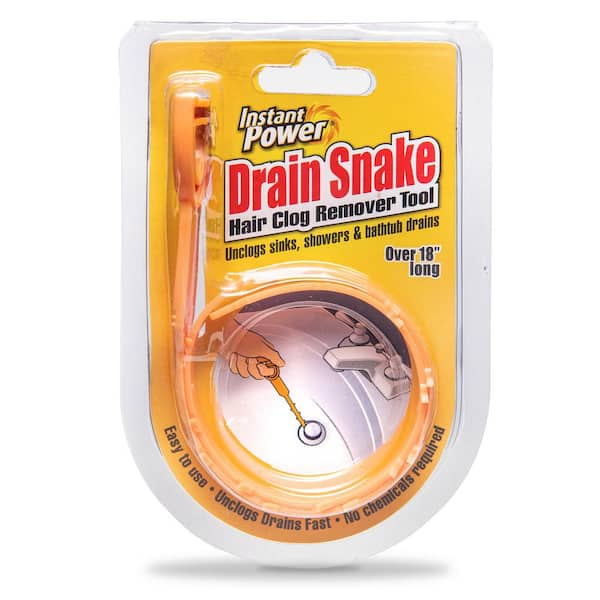
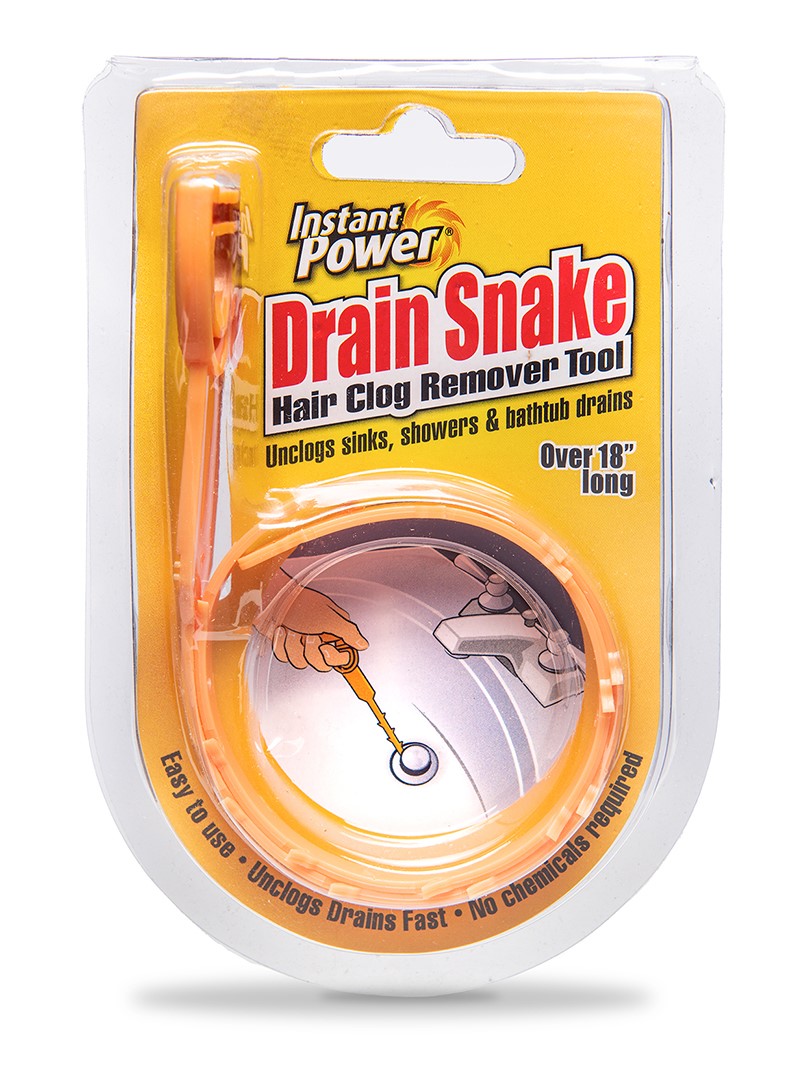
- Flat tape snakes and hair removers: Thin, barbed strips that excel at catching hair near the drain opening.
- Sectional or drum machines (pro-level): Used on long runs, main lines, or roots. Heavy-duty tools for severe blockages.
Match the snake to the drain type and length you need. The right tool makes the job quick and gentle on your plumbing.
Choosing The Right Drain Snake
Choosing well saves time and frustration. I keep a small manual snake for sinks and a toilet auger for the bathroom. For anything deeper or stubborn, I borrow or rent a power snake.
Manual Vs. Electric
Manual drain snakes are budget-friendly and easy to learn. You get great control and feel. They’re perfect for hair clogs and light kitchen blockages.
Electric drain snakes spin the cable for you. They chew through heavy buildup and longer runs with less effort. If you face recurring clogs or older cast iron pipes with scale, electric can be a smart upgrade.
Size And Length Considerations
Right-size matters for both reach and safety:
- Small drains (bathroom sinks, showers): 1/4″ cable, 15–25 ft
- Kitchen sinks: 1/4″–5/16″ cable, 25–50 ft
- Toilets: Toilet auger, 3–6 ft
- Main or sewer lines: 3/8″–1/2″ cable, 50–100 ft (often a job for pros)
Choose a snake that matches your pipe size and the likely clog distance. Using a cable that’s too thick or too aggressive can damage smaller lines. When in doubt, start small.
Steps To Use A Drain Snake
Snaking a drain is straightforward. Go slow, use light pressure, and let the tool do the work.
Preparation And Safety
Gather your basics first:
- Gloves and eye protection
- Bucket and old towels
- Adjustable wrench (for P-traps)
- Flashlight and a small brush
Remove the drain cover or stopper. If you’re working under a sink, place a bucket under the P-trap. For kitchen drains with a garbage disposal, unplug the unit first.
Inserting The Snake
- Feed the snake into the drain opening or cleanout slowly.
- Turn the handle clockwise to guide the cable through bends.
- When you feel resistance, ease off, rotate, and advance gently.
Removing The Clog
- Once you reach the clog, rotate to snag or break it apart.
- Retract the snake slowly so debris comes out with the tip.
Clean the tip into your bucket, then repeat if needed. Run warm water to test flow. If it’s still slow, advance the snake further and try again.
Flush And Test
After the clog is out, flush with hot water for a minute. For sinks, reassemble the P-trap carefully and check for leaks. For toilets, a few test flushes confirm the fix.
Aftercare And Sanitation
Sanitize the area and the tool. Wash the drain cover, wipe the sink or tub, and deodorize with a mild cleaner. This step keeps odors away and prevents residue from starting a new clog.
Safety Tips And Precautions
Snakes are safe when used with care. A few rules I always follow:
- Never mix snaking with chemical drain cleaners. They can splash and burn.
- Wear gloves and eye protection. Drains can harbor bacteria.
- For electric snakes, use a GFCI outlet and keep cords dry.
- Unplug garbage disposals before working on the sink.
- Do not force the cable. Forcing can kink the cable or crack old pipes.
- Protect fixtures. Use a toilet auger with a rubber guard to avoid scratches.
Benefits Of Using A Drain Snake
As a homeowner, I value tools that pay for themselves. A drain snake does exactly that. Here’s why it belongs in every home.
Cost-effectiveness
Snakes are affordable and last for years. One tool can replace many service calls. Manual versions need no power and have low upkeep. For frequent issues, even an electric snake can pay off fast.
Environmental Impact
Snakes cut down on chemical drain cleaners. That’s better for your pipes, indoor air, and local waterways. A manual tool creates no waste and keeps plastic bottles out of the trash. It’s a simple, green fix that works.
Bonus benefits:
- Fast results—most clogs clear in minutes
- Protects pipes—gentler than caustic chemicals
- Works on many drains—sinks, showers, tubs, and toilets
Credit: myinstantpower.com
Maintenance Tips
Take a minute to care for your drain snake clog remover after each job. It will be ready the next time you need it and will last much longer.
Cleaning The Snake
After every use:
- Rinse the cable with warm water to remove grime and hair.
- Scrub the tip with a small brush. Use mild detergent if needed.
- Dry thoroughly to prevent rust. A quick wipe with a rag helps.
Pro tip: If your snake has a steel cable, a light spray of silicone or machine oil on a cloth can help resist rust. Wipe off any excess.
Storing Properly
Store the drain snake clog remover in a cool, dry place. Hang the cable to avoid kinks and tangles. Keep it in a tote, tool box, or storage bag to protect the tip and keep things tidy. Always keep out of reach of children.
Inspect the cable now and then for kinks or frays. Replace damaged parts before your next use.
Diy Vs. Professional Help
Most household clogs are DIY-friendly. But some jobs call for a pro. Knowing the difference saves time and prevents damage.
When To Diy
Hair clogs, food scraps near the trap, and slow drains are perfect DIY wins. Remove the drain cover, insert the snake, rotate, and pull out the debris. Clear, test, and you’re done. It’s cheap, fast, and a great skill to learn.
I do this for sinks, showers, and bathtubs first. If I see quick results and good flow, I’m set.
When To Call A Plumber
Call a pro if:
- Clogs keep coming back soon after you clear them
- Multiple fixtures back up at once (a sign of a main line issue)
- You smell sewage or hear constant gurgling from drains
- The snake won’t pass a certain point or gets stuck
- Your home has very old or fragile pipes
Pros can run a camera, perform hydro-jetting, or tackle root intrusion in sewer lines. That ensures a long-term fix and protects your system.
Preventing Future Clogs
A quick snake clears the problem today. Good habits keep it from coming back. Here’s what works best in my home.
Regular Maintenance
Once a month, pour a cup of baking soda into the drain. Follow with a cup of vinegar. After 15 minutes, flush with hot water. This helps clear light buildup in the P-trap and beyond.
Watch for slow drains, gurgles, or fruit flies. These are early signs. A fast snake pass now is easier than a deep clog later.
Best Practices
Adopt a few simple rules:
- Never pour grease or oil down the sink—collect it in a container and toss it
- Use drain guards to catch hair and food bits; empty them often
- Keep coffee grounds, eggshells, and fibrous peels (like celery) out of drains
- Only flush toilet paper and human waste—nothing else
- Run hot water after using the sink to help move soap and fats along
Teach the whole household. These tiny habits prevent most clogs.
Common Mistakes To Avoid
Snakes are effective, but mistakes can make a small issue worse. Here’s what to avoid—and what to do instead.
Overusing The Snake
More force isn’t better. Too much torque can scratch pipes, kink the cable, or crack brittle plumbing. Go slow and steady. Let the tool do its job.
Follow these steps to avoid overuse:
- Use the snake only when necessary.
- Be gentle while inserting and rotating the snake.
- Stop if you feel resistance and assess the situation.
Using The Wrong Type
Not all drain snakes are the same. Choosing the wrong type can make the clog worse. There are different snakes for different drains.
Here is a simple table to help you choose:
| Type of Drain | Recommended Snake |
|---|---|
| Kitchen Sink | Medium Drain Snake |
| Bathroom Sink | Small Drain Snake |
| Toilet | Large Drain Snake |
Using the right snake will make the process smoother. It will also prevent damage to your pipes.
Remember these key points:
- Identify the clog’s location.
- Select the appropriate snake size.
- Follow the manufacturer’s instructions.
Other common slip-ups:
- Snaking right after pouring chemical cleaner (splash hazard)
- Skipping the P-trap check on sinks where the clog sits close by
- Turning the handle back and forth too fast (can tangle the cable)
- Forgetting to unplug the garbage disposal before you start

Credit: www.amazon.com
Troubleshooting: If The Snake Won’t Go In Or Won’t Grab
Run into a snag? Try these fixes:
- The cable won’t advance: Remove the trap and go in from the wall cleanout. Reduce pressure and turn the handle as you feed.
- The tip keeps slipping past the clog: Pull back a few inches, then advance while rotating to “bite” into the blockage.
- The cable kinks: Retract, straighten the kink, and slow your feed rate. Use a thicker cable for longer runs.
- Water won’t drain after snaking: You may have a deeper or main line clog. Time to call a pro for camera inspection.
Frequently Asked Questions
What Is A Drain Snake Clog Remover?
A drain snake clog remover is a tool used to clear clogs. It consists of a long, flexible metal cable. The cable is manually or automatically fed into the drain to break up and remove blockages.
How Does A Drain Snake Work?
A drain snake works by inserting its flexible cable into the drain. As you rotate or push it, the snake breaks up and removes clogs. This helps restore proper water flow in the pipe.
Can A Drain Snake Damage Pipes?
Using a drain snake improperly can damage pipes. Avoid using excessive force and ensure the snake is appropriate for your pipe type. Always follow the manufacturer’s instructions to prevent any damage.
When Should I Use A Drain Snake?
Use a drain snake when you experience slow drainage or a complete blockage. It’s effective for clogs that are not resolved by plunging or chemical cleaners. For severe clogs, professional help may be required.
What Size Drain Snake Do I Need?
For bathroom sinks and showers, a 1/4″ cable up to 25 ft works well. Kitchens may need 25–50 ft. Use a 3–6 ft toilet auger for toilets. Larger lines often require 3/8″ or 1/2″ cable—and sometimes a pro.
Is A Drain Snake Better Than A Plunger?
Try a plunger first for simple clogs. If that fails, a snake can reach deeper and remove hair and debris. Many times, I use both: plunge to move water, then snake to clear the cause.
Can I Use A Drain Snake On A Garbage Disposal?
Yes, but unplug the disposal first. Snake the drain line, not the disposal chamber. If the blockage is in the trap or wall, remove the trap and work from there.
Conclusion
A drain snake clog remover is one of the best home tools I own. It tackles tough clogs fast, keeps drains clear, and helps me avoid chemicals and emergency calls. With a little practice, you can clear most blockages in minutes and prevent many more.
It’s simple, effective, and budget-friendly. Keep your drains flowing with this essential tool. Invest in a drain snake today and enjoy hassle-free plumbing. Your home deserves it.

Madison Clark is a footwear expert and the voice behind MyStyleGrid.com. She specializes in honest shoe reviews, style tips, and practical guides to help readers find the perfect pair for any occasion. With years of experience in blogging and content creation, Madison makes footwear knowledge simple, stylish, and easy to follow.