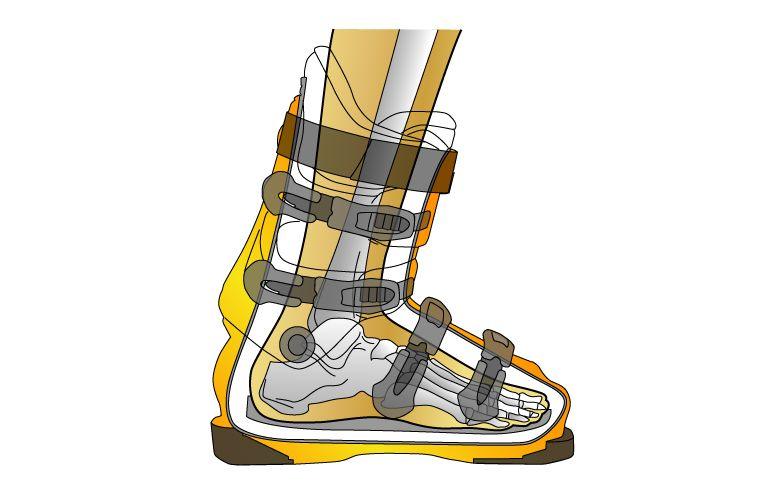
Ski boots should fit snugly with toes brushing the front, a locked heel, and no painful pressure.
I have fit hundreds of feet into ski boots as a bootfitter and as a lifelong skier. I will walk you through exactly how are ski boots supposed to fit, why fit matters, and step-by-step checks you can do at home or in the shop. This guide blends practical tips, fitting tests, and real-world lessons so you get boots that feel sharp, safe, and comfortable on the hill.
Why fit matters
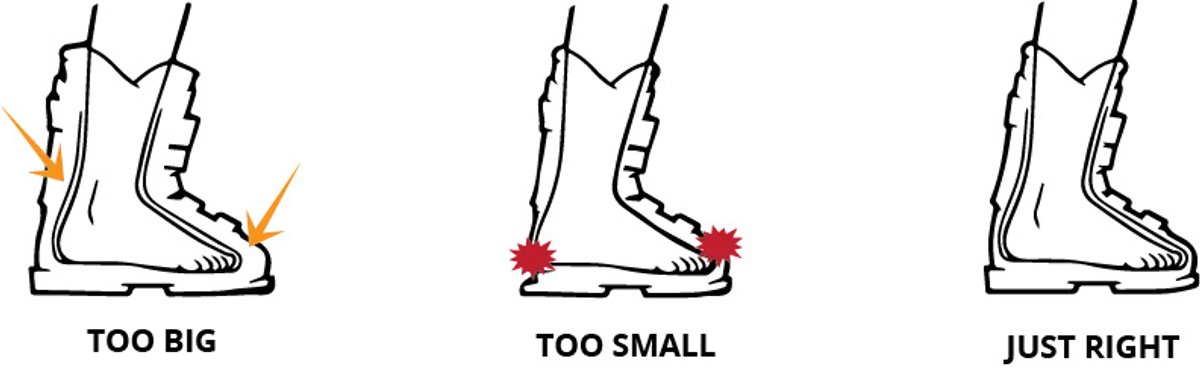
A good fit gives control, comfort, and safety. Ski boots are the link between you and your skis. If you have the wrong fit, you lose power, you get sore feet, and you risk injury.
Think of the boot as a performance tool. It must transfer body movement to the ski precisely. Knowing how are ski boots supposed to fit helps you pick the right shell, liner, and adjustments. Small changes in fit change how your skis respond.
How are ski boots supposed to fit — step-by-step fit checklist
This checklist helps you test fit quickly and clearly. Use it in the shop or before you head out onto real snow.
- Measure your foot length in mondopoint and try the shell size. A shell that matches your mondopoint is the starting point for how are ski boots supposed to fit.
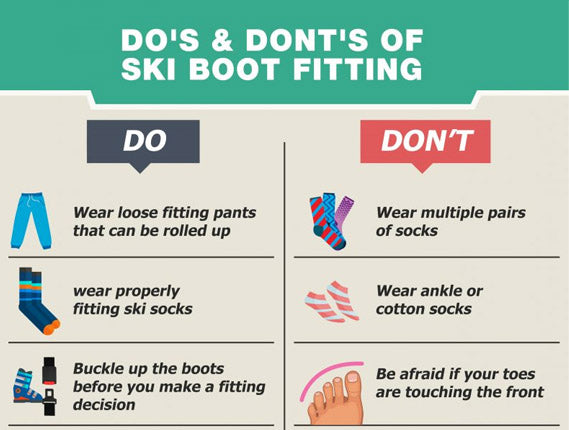
- Wear thin ski socks. Socks must be thin and smooth to get an accurate fit.
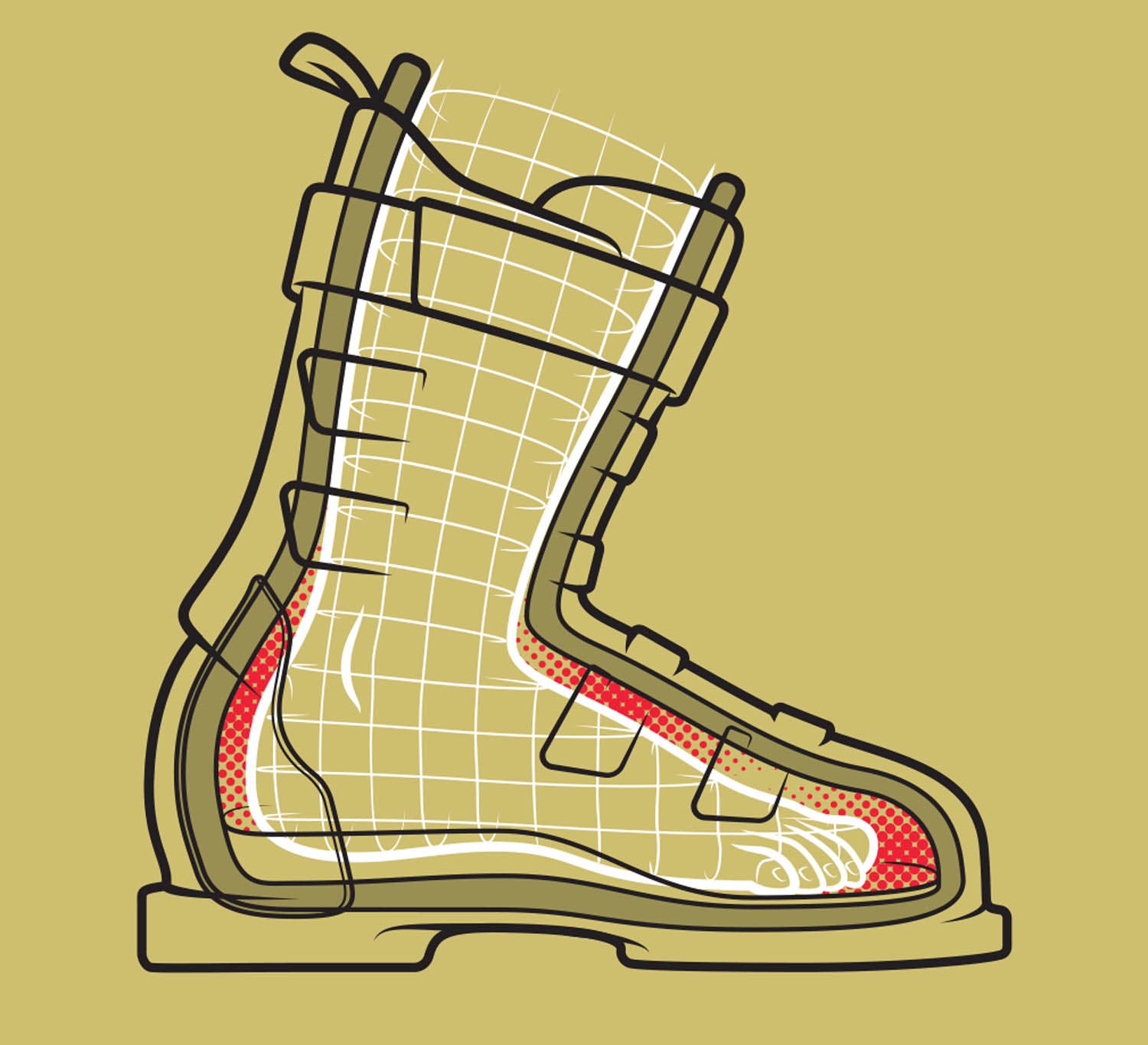
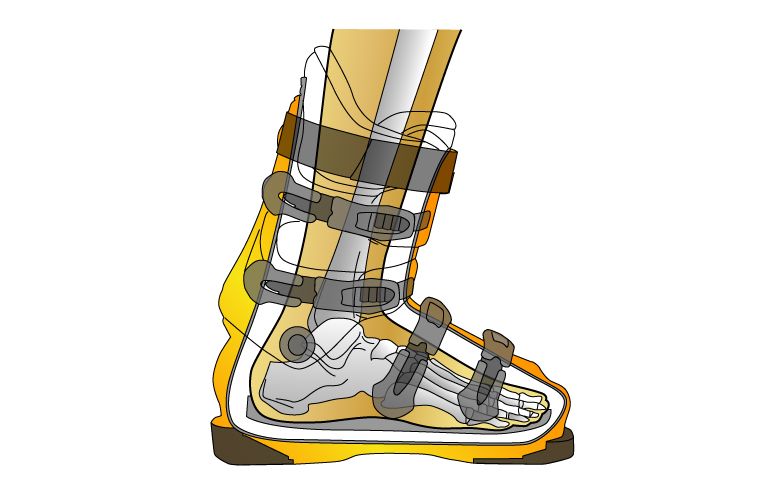
- Slide into the boot and buckle down gently. Stand up straight. Your toes should touch the front lightly.
- Bend your knees into a skiing stance. Your toes should lift slightly from the front but still be close to the shell.
- Check heel hold. Your heel should stay set back and not lift more than about a thumb’s width when you flex forward.
- Feel for pressure points. There should be firm contact, not sharp pain. Note areas that feel pinched.
- Confirm volume and width. The shell and liner should feel snug around the forefoot and instep without crushing the metatarsals.
- Buckle order and tension. Start from the top to the toe. Tighten to a firm, even feel. The boot should not be loose when buckled.
These checks answer how are ski boots supposed to fit in practice. If anything fails, a good shop can adjust liners, footbeds, and sometimes shells.
Measuring feet and shell fit testing
Measure length, width, and arch. Use a ruler or tracing to get reliable numbers.
- Length: Stand on a sheet of paper and trace your foot. Measure from heel to longest toe in centimeters. That gives mondopoint size.
- Width: Measure across the ball of the foot. Note narrow, medium, or wide. Many shells list a last width in millimeters.
- Arch height: Look at the instep. A high instep needs more volume or a custom liner.
Shell fit test, the quick method to feel the shell size:
- Remove the liner and place your foot in the shell while seated.
- Slide the foot forward until the toes touch the shell front.
- When you stand, your heel should sit back about 1 cm from the shell rear. This shows correct shell length for final fitting.
This practical approach answers how are ski boots supposed to fit before any heat work or footbeds.

Common fit problems and fixes
Most fit issues are fixable. Here are common problems and typical solutions from the bootfitting shop.
- Pain in the toes or top of foot. Cause: too much length or a narrow toe box. Fix: try a shell one size down or a wider last; heat mold liner; add toe spacers during molding.
- Heel lift when flexing. Cause: loose cuff, wrong volume, or weak liner. Fix: custom footbed, tighter buckle, or shell punch behind the heel; sometimes an aftermarket liner helps.
- Pressure on the shin bone. Cause: too stiff cuff or poor forward lean. Fix: cuff alignment, notch modification, or flex adjustment.
- Numb toes or poor circulation. Cause: boots too tight or socks too thick. Fix: trade for a slightly larger volume, swap socks, or use heated footbeds.
- Too loose and lacking control. Cause: big shell or worn liner. Fix: replace liner, use thicker socks, or fit a smaller shell.
From personal experience, I once skied a whole season with boots that had a subtle heel lift. The result was fatigue and poor turns. After adding a custom footbed and re-shimming the cuff, everything improved. That taught me to check heel lock early and not chase a "break-in" that is really a fit problem.

Choosing the right flex and shell for ability and terrain
Flex helps control response. The right flex is part of how are ski boots supposed to fit for your skiing.
- Beginner: soft flex 50–80. More forgiveness. Easier to learn.
- Intermediate: medium flex 80–110. Balance of comfort and control.
- Advanced: stiff flex 110–130+. Better power transfer for aggressive skiing.
- Expert/racer: very stiff 130+. Precision and quick edge response.
Also match last width to foot width. Common lasts:
- Narrow: 96–98 mm. For narrow feet and racers.
- Medium: 100–102 mm. Most recreational skiers.
- Wide: 104–106+ mm. For wide feet or high-volume feet.
Remember that a boot that fits in length but has the wrong flex can feel poor. That is part of answering how are ski boots supposed to fit — it's about length, volume, and flex working together.
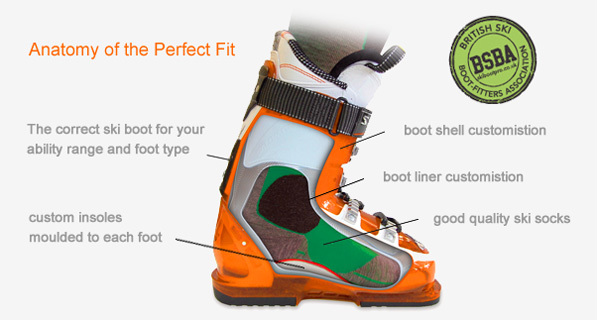
Bootfitting options that change fit
If off-the-shelf fit is close but not perfect, these options make it right.
- Heat-moldable liners. Custom shape to your foot after heating.
- Shell punching. A trusted fitter can expand areas of the shell for pressure relief.
- Custom footbeds. Improve heel lock and align the foot over the ski.
- Tongue or cuff trimming. Small modifications that relieve pressure and change stance.
- Shell trimming to size. In extreme cases, shell grinding or size changes can be done by pros.
I recommend starting with custom footbeds. They often fix heel lift and alignment issues fast. In my work, footbeds give the biggest comfort boost for the money.
How to tell when you need new boots or a refit
Boots wear out. Liners compress and shells fatigue. Know when to repair or replace.
- Liner compression. If liners are thin and sore, you feel more rattling and less control.
- Shell cracking or stress lines. Visible damage means replace.
- Change in foot shape. Weight change, injury, or age can change fit.
- Persistent discomfort after adjustments. If no fix works, buy new boots.
A rule of thumb: ski boots often last 3–7 seasons for regular skiers. If you find yourself asking "how are ski boots supposed to fit?" repeatedly after padding and refit, it may be time to replace.

Frequently Asked Questions of how are ski boots supposed to fit
How tight should ski boots be when new?
Ski boots should feel snug and secure but not painfully tight. A correct fit feels firm around the foot with minimal movement when you flex.
How much toe room should I have in ski boots?
Toes should lightly touch the front when standing and lift slightly when flexed. You should have about a thumbnail to a thumb's width of room when sitting.
Can ski boots be stretched for a better fit?
Yes, shells can be punched and liners heat-molded to relieve pressure. Major length changes are not safe; consult a professional for shell work.
How do I check if my heel is locked in the boot?
Buckle the boot and flex forward. The heel should stay down. If you feel more than a thumb's worth of lift, you need better heel hold or a footbed.
Should my toes be touching the front of the boot?
Yes, toes should touch lightly when standing and pull back slightly when you bend. That is part of how are ski boots supposed to fit to ensure control.
Is a stiffer flex always better for speed?
Not always. Stiffer flex gives more power but needs proper technique. Pick a flex that matches your weight, style, and skill level.
How often should I get my boots re-fit or adjusted?
Check fit yearly or if your comfort changes. After heavy use or injuries, head to a bootfitter for a quick check.
Conclusion
A correct fit answers the question how are ski boots supposed to fit by balancing snug length, locked heel, correct volume, and the right flex. Use the step-by-step checklist, measure carefully, and don't be shy about professional help. Small fixes like footbeds and heat-molded liners can make a huge difference.
Try a few boots, test the heel hold, and walk through the checks I shared. If you still have doubts, visit a trained bootfitter and ask for a custom solution. Share your experience below, subscribe for more gear guides, or leave a question — I read every comment and respond with practical advice.

Rubel Miah is the Senior Editor at MyStyleGrid.com, where he brings a sharp editorial eye and an unshakable love for fashion to everything he does. A true style addict, Rubel lives and breathes trends, from streetwear to high fashion, and has a knack for turning inspiration into impactful stories. With years of experience in fashion journalism and digital media, he curates content that empowers readers to express themselves through style. When he’s not editing features or forecasting the next big thing, you’ll find him hunting down vintage pieces or capturing street style moments around the city.