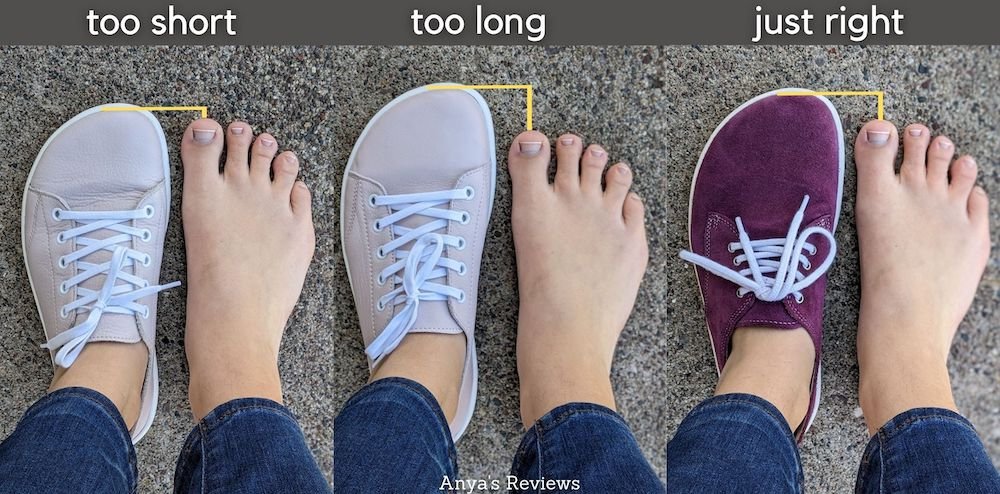
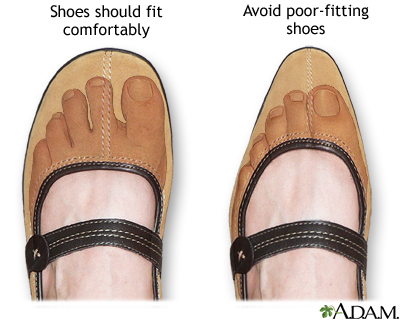
A shoe should fit snug at the heel, allow about a thumb’s width of toe room, and never pinch.
I’ve spent years fitting shoes, testing brands, and helping clients solve foot pain, so I know exactly how is a shoe supposed to fit for everyday comfort and long-term foot health. This guide breaks down measurements, signs of a bad fit, type-specific tips, and simple tests you can do at home to make sure your shoes support you properly. Read on for clear, practical advice you can use the next time you buy shoes or check your current pair.
Why fit matters: health, comfort, and performance
A well-fitting shoe protects your feet. Poor fit can cause blisters, bunions, plantar fasciitis, and altered gait. I’ve seen runners switch shoes and stop a nagging ache within days. Knowing how is a shoe supposed to fit reduces injury risk and improves daily comfort.
Good fit also helps shoes last longer. When your foot moves correctly inside the shoe, friction is lower and materials wear more evenly. Think of shoes as tools: the right fit lets the tool perform its job without damaging you.
How to measure your feet and pick the right size
Measure feet at the end of the day. Feet swell slightly by evening, so that measurement is most realistic.
Follow these simple steps:
- Stand on a blank sheet of paper and trace your foot.
- Measure from heel to longest toe for length.
- Measure across the widest part for width.
- Compare measurements to the brand’s size chart; sizes vary between brands.
I use a Brannock-style measuring method for clients. The measurement gives a starting point, but always test fit before buying. Understanding how is a shoe supposed to fit starts with accurate measurements.

Key elements: what a proper fit feels like
A correct fit balances three areas: length, width, and volume. Each matters for different foot shapes.
Length
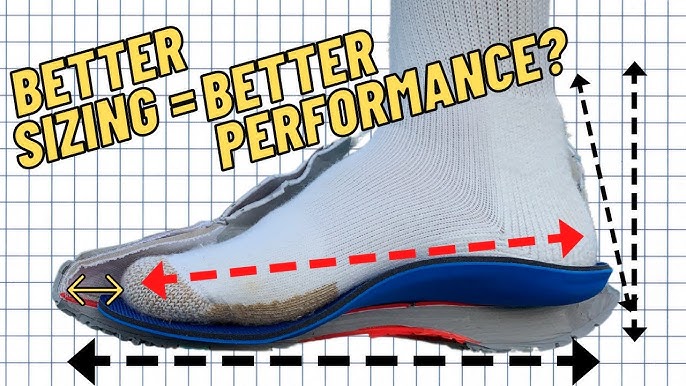
- Your longest toe should have about 0.5–1 cm (roughly a thumb’s width) of space from the toe box.
- No toes should be squashed or bent unnaturally.
Width
- Sides should feel snug but not tight.
- There should be no bulging at the seams or pressure on the metatarsal area.
Heel and midfoot
- Heel should stay in place with minimal slip — about a quarter-inch or less.
- The shoe should cradle the midfoot without gaps or hotspots.
When you ask how is a shoe supposed to fit, think of a friendly hug: supportive, not strangling. I’ve tested shoes that looked right on paper but failed these touch-and-feel checks. Always walk a few steps and test different surfaces when possible.

Quick at-home tests to check fit
Try these simple checks before you buy or accept a pair:
- Toe wiggle test: Can you wiggle your toes easily? If not, the shoe is too tight.
- Thumb test: Use your thumb to check space at the end of the shoe; 0.5–1 cm is ideal.
- Heel slip test: Insert your finger behind the heel; if you can fit more than one finger, the shoe is loose.
- Walk test: Walk 20–30 steps to ensure no rubbing or shifting.
These tests answer the question how is a shoe supposed to fit in practical terms. In-store testing beats guessing your size from an online label.
Fit variations by shoe type
Different shoes require slightly different fits. Knowing the differences prevents mistakes.
- Aim for a snug midfoot and secure heel to prevent sliding.
- Allow slightly more toe space, especially for downhill running.
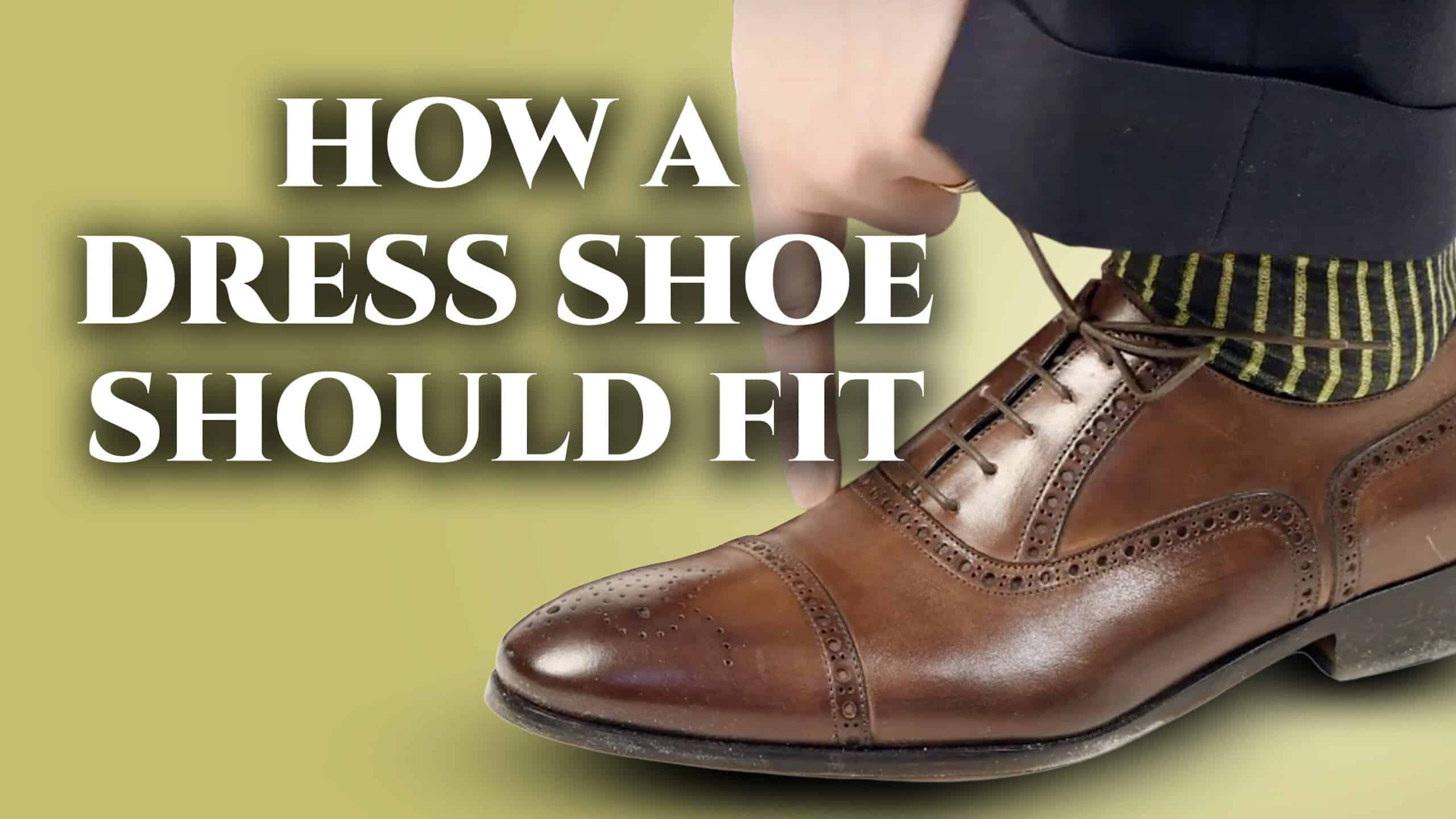
Dress shoes
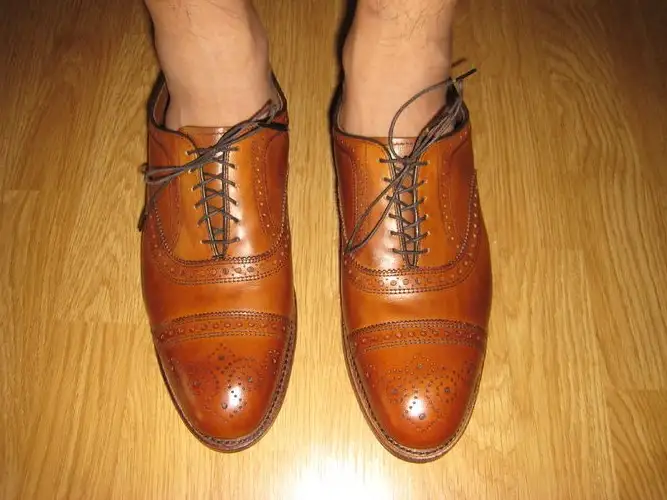
- Expect a closer, sleeker fit, but avoid pinching.
- Leather can stretch a bit over time; allow for small adjustments.
Sandals and slides
- Straps should hold the foot without forcing it forward.
- Slides need good arch alignment more than tightness.
Boots
- Boots often have more volume; a slightly firmer fit prevents foot movement inside.
- Lacing and insoles can adjust volume efficiently.
When evaluating how is a shoe supposed to fit, factor in the shoe’s intended use and the typical foot motion for that activity.
Common fit problems and practical fixes
Blisters and hotspots
- Cause: Excess friction from slipping or tight seams.
- Fixes: Try thicker socks, better lacing, or an anti-blister patch.
Toe numbness or pressure
- Cause: Toe box too narrow or shoes too short.
- Fixes: Choose wider toe box or go up half a size.
Heel pain or blisters
- Cause: Excess heel slip or rigid heel cup.
- Fixes: Use heel grips or adjust lacing pattern.
Arch pain
- Cause: Poor arch support or incorrect volume.
- Fixes: Try an insole with targeted arch support.
These solutions come from years of fitting adjustments and client feedback. If persistent pain remains, consult a podiatrist to rule out structural issues.
Buying tips: online and in-store
In-store tips
- Bring the socks you’ll normally wear with the shoes.
- Walk for a few minutes and test on different surfaces.
- Try both shoes — feet are rarely identical.
Online tips
- Check the brand’s size chart and customer reviews.
- Look for return policies and free returns.
- Order two sizes if unsure and return the one that fits worse.
When shopping, remember that how is a shoe supposed to fit varies between brands. Treat every purchase like a small experiment.
My experience: mistakes I made and lessons learned
Early in my shoe-fitting days, I bought shoes based on length alone. I ignored width and volume. That led to blisters and a long break-in period. After learning to measure width and test midfoot fit, I stopped buying shoes that looked right but felt wrong.
A client once bought running shoes a half-size too small because the store ran out of her size. She trained through pain, developed blisters, and hit a training plateau. Replacing the shoes with properly fitting ones reduced pain and improved her pace in two weeks. These experiences reinforce why knowing how is a shoe supposed to fit is essential.
Limitations and when to seek professional help
A proper fit reduces many problems but won’t fix structural foot disorders. Custom orthotics or medical treatment may be necessary for certain conditions. If you have severe chronic pain, visible deformities, or circulation issues, seek a specialist.
Fit guidance is practical and effective for most people, but remember that personal anatomy and medical history can change the advice. Be transparent about prior injuries when buying shoes that will support intense activity.
People also ask — quick answers
How much toe room should I have in a shoe?
About 0.5–1 cm (a thumb’s width) from your longest toe to the end of the shoe. This allows natural toe movement and prevents pressure during activity.
How can I tell if a shoe is too narrow?
If your toes feel squashed or the sides press into your foot, the shoe is too narrow. Look for bulging seams or red marks after short wear.
Is it okay if my heel slips a little?
A small amount of heel slip is normal during the break-in, but persistent slipping more than about a quarter-inch suggests poor fit. Use heel grips or try a different size.
Frequently Asked Questions of how is a shoe supposed to fit
What are the signs a shoe fits well?
A well-fitting shoe feels secure at the midfoot and heel, allows toe wiggle, and causes no pressure points. You can walk naturally without adjusting your gait.
Can shoe sizes change over time?
Yes, foot shape and size can change with age, pregnancy, weight changes, and activity level. Measure feet periodically to ensure proper fit.
Should both feet be the same size when choosing shoes?
No. If feet differ, fit to the larger foot. You can use insoles or heel pads in the smaller shoe for a better fit.
Are tight shoes better for performance?
Not usually. Tight shoes can restrict blood flow and raise injury risk. A snug, secure fit aligned with the activity is best.
How often should I replace my shoes?
Replace shoes when midsoles show compression, tread is worn, or you feel new pain. For regular runners, this is often every 300–500 miles.
Do I need different sizes for different brands?
Possibly. Brands and models vary. Always test fit and consult sizing charts when switching brands.
Can insoles fix a bad fit?
Insoles can improve arch support and volume but won’t solve a toe-box that’s too short. Use insoles as a complement, not a cure for poor size choice.
Conclusion
Knowing how is a shoe supposed to fit helps you avoid pain, perform better, and extend the life of your shoes. Start with accurate measurements, use simple in-store or at-home tests, and choose shoes that match the activity and your foot shape. If something hurts, don’t force it — small adjustments often fix big problems.
Take action today: measure your feet, try the thumb and heel tests, and pick the next pair with confidence. Share your fit stories or questions below, subscribe for more practical shoe advice, or try a professional fitting if you need help.

Rubel Miah is the Senior Editor at MyStyleGrid.com, where he brings a sharp editorial eye and an unshakable love for fashion to everything he does. A true style addict, Rubel lives and breathes trends, from streetwear to high fashion, and has a knack for turning inspiration into impactful stories. With years of experience in fashion journalism and digital media, he curates content that empowers readers to express themselves through style. When he’s not editing features or forecasting the next big thing, you’ll find him hunting down vintage pieces or capturing street style moments around the city.