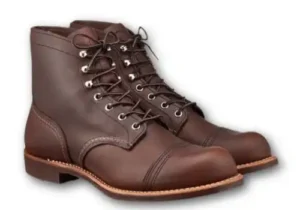
Red Wing boots usually last 5 to 20 years, depending on leather, use, care, and resoling.
How long do Red Wing boots last? The honest answer depends on how hard you work them and how well you maintain them. After years of studying work boots, leather care, and repair practices, I have found that Red Wing boots can outlive many cheaper pairs when treated as repairable footwear rather than disposable shoes.
How Long Do Red Wing Boots Last?
Most Red Wing boots last between 5 and 10 years with regular use and basic care. Well-maintained boots made with strong leather can last 15 to 20 years, especially when they are resoled before the outsole wears into the welt or upper.
Work boots used every day on concrete, mud, or job sites face more stress. Dress boots worn a few times each month may last much longer. This is why there is no single answer to how long do Red Wing boots last.
A useful estimate looks like this:
• Light use: 10 to 20 years with regular conditioning and occasional resoling
• Daily casual use: 5 to 10 years with good care
• Heavy job-site use: 2 to 5 years before major repairs may be needed
• Poorly maintained boots: 1 to 3 years before cracking, separation, or serious wear appears
These numbers are practical ranges, not guarantees. The leather type, boot model, climate, body weight, walking style, and work conditions all affect the final result.

Why Red Wing Boots Can Last So Long
Red Wing boots are built with materials that can be repaired. Many models use full-grain leather, a Goodyear welt, a storm welt, or another construction method that allows the sole to be replaced.
Full-grain leather keeps its natural outer surface. It can develop scratches and marks, but it also gains character over time. With proper cleaning and conditioning, the leather can stay flexible instead of drying out and cracking.
The welt is also important. It connects the upper, insole, and outsole. When the outsole wears down, a skilled cobbler can often remove it and install a new one without replacing the entire boot.
Key durability features include:
• Full-grain leather uppers that resist wear
• Strong stitching around the welt
• Replaceable outsoles on many models
• Leather or supportive footbeds that mold to the wearer
• Heavy-duty eyelets and laces
• Thick rubber soles made for traction and abrasion resistance
Still, construction alone does not make a boot last forever. Even premium leather can fail if it stays wet, dries beside a heater, or remains packed with dirt and salt.
The Red Wing Boot Parts That Wear Out First
The outsole is usually the first major part to wear out. Hard surfaces slowly flatten the tread, especially under the heel and the ball of the foot. A worn sole can reduce grip and may change how you walk.
The heel often wears unevenly. If the outside edge becomes much lower than the rest of the heel, it can place extra stress on your knees, ankles, and the boot’s upper.
Other parts that may wear before the leather include:
• Heel blocks
• Insoles and footbeds
• Laces and speed hooks
• Toe caps
• Welt stitching
• Lining near the heel
• Leather around the flex points
A small repair can prevent a large one. For example, replacing a heel early costs less than waiting until the welt or midsole is damaged. This is one of the most important lessons in understanding how long do Red Wing boots last.
Look closely at the welt line. If the outsole is nearly smooth but the upper leather still looks healthy, the boot may be an excellent candidate for resoling. If the upper has deep cracks, torn stitching, or large holes, repair may be more difficult and less cost-effective.
How Different Red Wing Models Affect Longevity
Red Wing makes several boot families, and they do not all age in the same way. A moc toe, heritage service boot, logger boot, and soft-toe work boot may use different leather, soles, and footbeds.
Heritage boots often receive careful daily wear and may last for many years. Their owners commonly resole them when needed and condition the leather several times each year.
Work boots may wear faster because they face more water, oil, concrete, sparks, and heavy movement. Safety toe boots can also experience extra pressure in the toe box, depending on the job and fit.
Common factors by boot type include:
• Heritage boots: Often last 10 to 20 years with moderate use and repairs
• Moc toe boots: Usually last 5 to 10 years, depending on sole wear and moisture exposure
• Safety toe work boots: Often last 2 to 5 years in demanding work conditions
• Logger and traction boots: Can last many years, but aggressive tread may wear faster on pavement
• Waterproof models: May lose waterproof performance before the leather or sole fails
The model name alone does not determine how long do Red Wing boots last. A pair used indoors may outlast the same model used outdoors every day.
The Biggest Factors That Determine Boot Life
Several conditions control how long do Red Wing boots last. The most important is how often you wear them and where you wear them.
Concrete is especially hard on footwear. It creates constant friction and puts repeated stress on the heel and forefoot. Mud, salt, snow, and standing water can also damage leather and stitching.
Your fit matters, too. Boots that are too tight may crease sharply and rub through the lining. Boots that are too loose may cause your heel to slide, which can wear the heel counter and change the boot’s shape.
The main factors are:
• Frequency of wear
• Work surface and job conditions
• Exposure to water, salt, chemicals, and oil
• Leather type and boot construction
• Proper sizing
• Cleaning and conditioning habits
• Drying methods
• Use of shoe trees or boot shapers
• Timely sole and heel repairs
One mistake I often see is treating expensive boots like they are maintenance-free. Quality boots are more like a good truck. They are tough, but oil changes still matter.
How to Make Red Wing Boots Last Longer
Good maintenance does not need to be complicated. A simple routine can protect the leather and help you notice problems before they become expensive.
Follow these steps:
-
Brush off dirt after use. A soft horsehair brush can remove dust and dried mud without scratching the leather.
-
Let wet boots dry naturally. Remove the insoles and loosen the laces. Keep the boots in a room with normal airflow.
-
Avoid direct heat. Radiators, hair dryers, fireplaces, and car heaters can pull moisture from leather and cause cracks.
-
Condition the leather when it looks dry. Use a product made for the specific leather. Too much conditioner can soften the leather and attract dirt.
-
Rotate your boots. Wearing the same pair every day gives the leather and footbed no time to dry.
-
Replace worn heels early. A small heel repair can protect the welt and reduce uneven wear.
-
Resole before the outsole is completely destroyed. Waiting too long can damage the midsole, welt, or upper.
-
Store boots upright in a cool, dry place. Cedar shoe trees can help absorb moisture and maintain shape.
Red Wing recommends different care products for different leather finishes. Roughout, oil-tanned, smooth-finished, and waterproof leather should not all be treated in the same way. Always check the care instructions for your exact model.
How Often Should You Condition Red Wing Boots?
Many Red Wing boots need conditioning about two to four times per year. Boots used in dry heat, snow, mud, or dusty work areas may need attention more often.
Do not condition by the calendar alone. Check the leather first. If it feels dry, looks pale, or develops small surface lines, it may need conditioner. If the leather feels soft, oily, or sticky, wait.
A safe conditioning process is simple:
• Brush away dirt and dust
• Test the product on a hidden area
• Apply a small amount with a clean cloth
• Work in thin, even layers
• Allow the boots to absorb the product
• Wipe away excess conditioner
Over-conditioning is a common mistake. Heavy layers can darken leather, weaken its structure, and make the boot feel loose. The goal is to keep leather flexible, not wet.
For suede or roughout leather, use a suitable brush and product. Standard leather grease may change the texture and appearance permanently.
When Should You Resole Red Wing Boots?
You should consider resoling when the tread is badly worn, the heel is uneven, or you begin to feel reduced traction. Do not wait until you can see large holes through the outsole.
A cobbler may also recommend repair when:
• The sole is separating from the welt
• The heel wears down on one side
• The midsole is exposed
• The boot slips on surfaces that once felt safe
• The welt stitching is exposed to heavy abrasion
• Water enters through the bottom of the boot
Many Red Wing boots can be resoled more than once. The number of successful resoles depends on the condition of the upper, welt, insole, and midsole.
A resole can cost a significant amount, but it may still be cheaper than buying a new premium boot. Ask the repair shop whether the upper leather is strong enough to justify the work. If the leather is cracked through or the structure has collapsed, replacement may be the better choice.
Signs Your Red Wing Boots Need Replacement
Not every problem can be fixed. Some boots reach a point where repairs cost more than the value they provide.
Watch for these warning signs:
• Deep cracks that go through the leather
• Large holes in the upper
• A broken or badly damaged toe structure
• Torn welt stitching that cannot be rebuilt
• A collapsed insole or shank
• Severe chemical damage
• Persistent separation after repair
Surface scratches, scuffs, loose laces, and worn heels are usually manageable. Deep leather cracks are more serious because conditioner cannot restore missing fibers.
The best way to judge a pair is to separate cosmetic wear from structural damage. A scratched boot may still be strong. A clean-looking boot with a failing welt or cracked flex point may need urgent attention.
This distinction helps answer how long do Red Wing boots last in a realistic way. Appearance tells only part of the story.
Are Red Wing Boots Worth the Price?
Red Wing boots can be worth the price if you plan to wear them often and maintain them. Their value comes from durable materials, repairable construction, comfort that improves with wear, and long-term use.
The upfront cost is higher than many mass-market work boots. However, a cheaper pair that must be replaced every year may cost more over time.
Consider the total cost:
• Purchase price
• Cost of care products
• Heel replacements
• Full resoles
• Time spent breaking in the boots
• Expected years of use
A well-kept pair worn for 10 years may offer a lower yearly cost than several inexpensive pairs. The calculation changes if the boots do not fit well or if your workplace quickly destroys leather footwear.
Comfort also matters. Many wearers report that Red Wing boots become more comfortable after the leather breaks in and the footbed adapts. That benefit is personal, though, and not every foot suits every model.
Common Mistakes That Shorten Red Wing Boot Life
The fastest way to reduce how long do Red Wing boots last is to ignore moisture and wear. Small habits can create major damage over time.
Avoid these common mistakes:
• Wearing wet boots again before they dry
• Drying leather beside a heater
• Using household oils or unknown chemicals
• Applying too much conditioner
• Washing boots with harsh detergent
• Waiting until the sole is completely worn through
• Wearing boots that are the wrong size
• Storing boots in a hot car
• Never cleaning salt from the leather
Salt deserves special attention. Road salt can pull moisture from leather and leave pale marks. Wipe it away with a damp cloth, let the boot dry slowly, and then use an appropriate conditioner if the leather needs it.
Another mistake is buying based only on appearance. A boot may look rugged but still be a poor choice if it pinches your toes, slips at the heel, or does not match your work conditions.
A Practical Red Wing Boot Care Schedule
A simple schedule makes boot care easier to remember. It also helps prevent neglect.
After each wear
Brush off dirt and let the boots breathe. If they are wet, remove the insoles and allow a full day or more for natural drying.
Every few weeks
Inspect the heel, outsole, welt, eyelets, and stitching. Look for uneven wear and signs of separation.
Every few months
Clean the leather and apply a small amount of suitable conditioner when needed. Heavy-use boots may need this step more often.
Once or twice a year
Check whether the sole or heel needs professional repair. Early service can extend the useful life of the entire boot.
Before winter
Remove old salt and dirt. Make sure the leather is flexible and the tread still provides safe traction.
This routine takes only a few minutes at a time. It is far easier than trying to rescue boots that have been wet, dry, and neglected for several years.
How Long Do Red Wing Boots Last in Different Conditions?
In an office or casual setting, Red Wing boots may last 10 to 20 years. They face less abrasion, fewer chemicals, and less moisture than boots used on a construction site.
On a farm, factory floor, or outdoor job site, the same boots may last 2 to 5 years before major repairs. Daily exposure to mud, water, manure, oil, and rough surfaces places heavy demands on every part of the boot.
In winter climates, salt and repeated wet-dry cycles can shorten boot life. In hot, dry climates, leather may crack sooner if it is not conditioned correctly.
• Occasional city wear: 10 to 20 years
• Daily city wear: 7 to 12 years
• Warehouse or factory work: 3 to 7 years
• Construction or outdoor work: 2 to 5 years
• Harsh wet or chemical exposure: Sometimes less than 2 years
These estimates assume that the boots fit correctly and receive reasonable care. Poor fit and neglect can cut any of these time frames in half.
How Long Do Red Wing Boots Last? Frequently Asked Questions
Do Red Wing boots last a lifetime?
Some Red Wing boots can last for decades, but no boot is truly permanent. The leather upper, welt, insole, and other parts must remain repairable, and the boots need regular maintenance.
How many years do Red Wing work boots last?
Red Wing work boots often last about 2 to 5 years under heavy daily use. Lighter work, careful drying, and timely repairs can extend their life considerably.
Can Red Wing boots be resoled?
Yes, many Red Wing models can be resoled. A professional cobbler can inspect the welt, upper, insole, and midsole to determine whether a resole is practical.
How often should I condition Red Wing boots?
Most pairs need conditioning two to four times per year. Use the leather’s appearance and feel as your guide, because harsh conditions may require more care while light use may require less.
Are Red Wing boots waterproof?
Some models offer water-resistant or waterproof features, but not every Red Wing boot is waterproof. Even waterproof boots can lose performance as the leather, membrane, seams, or sole become worn.
Why are my Red Wing boots cracking?
Cracking usually comes from dryness, repeated wet-dry cycles, excessive heat, poor fit, or age. Clean the leather, avoid direct heat, and use the correct conditioner before small lines become deep cracks.
Do Red Wing boots get more comfortable over time?
Many Red Wing boots become more comfortable as the leather and footbed adjust to your feet. The break-in period can vary, and a poor fit will not be fixed by simply wearing the boots longer.
Conclusion
So, how long do Red Wing boots last? Most pairs can serve you well for 5 to 10 years, while carefully maintained boots may last 15 to 20 years or more. The biggest factors are leather quality, fit, daily conditions, cleaning, drying, conditioning, and timely resoling.
Treat your boots like durable equipment. Brush them, let them dry slowly, condition them when needed, and repair small problems before they spread. Check your pair this week for worn heels, dry leather, and damaged stitching, then visit a trusted cobbler when repairs are due. Share your own Red Wing boot experience or explore more leather-care guides to keep your next pair working for years.
Rubel Miah is the Senior Editor at MyStyleGrid.com, where he brings a sharp editorial eye and an unshakable love for fashion to everything he does. A true style addict, Rubel lives and breathes trends, from streetwear to high fashion, and has a knack for turning inspiration into impactful stories. With years of experience in fashion journalism and digital media, he curates content that empowers readers to express themselves through style. When he’s not editing features or forecasting the next big thing, you’ll find him hunting down vintage pieces or capturing street style moments around the city.