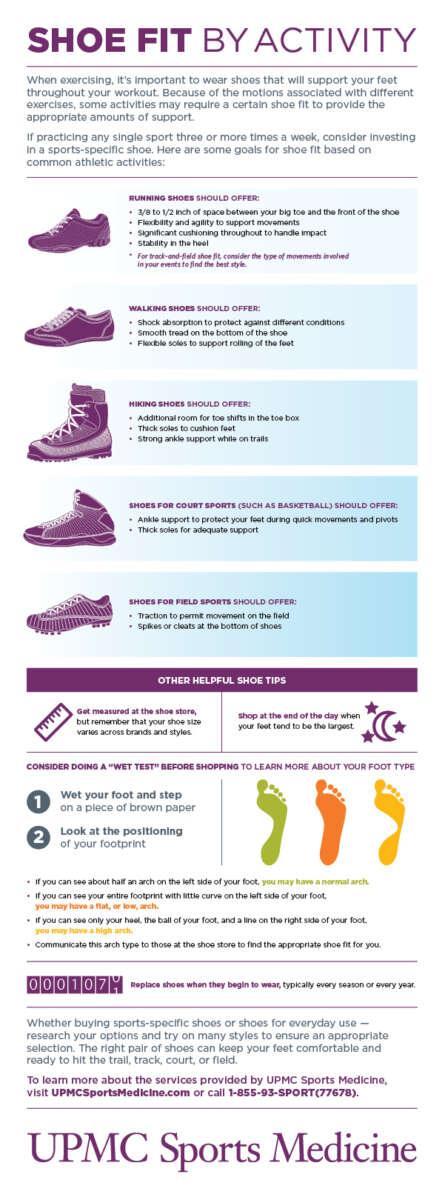
They should fit snug in the midfoot, secure at the heel, and have a roomy toe box for movement.
I’ve coached players and tested dozens of shoes. I know what a correct fit feels like and why it matters. This guide explains exactly how should tennis shoes fit, step by step. You’ll learn how to measure, how to test shoes in store and online, and how to fix common fit problems so your game and feet both improve.
Why fit matters for performance and injury prevention
A correct fit changes how you move. Tennis needs quick direction changes, stops, and starts. Shoes that fit well help you push off, turn, and land safely.
Poor fit increases blisters, black toenails, and joint stress. It can slow you down and cause long-term pain. Knowing how should tennis shoes fit helps you avoid injury and play better.

How should tennis shoes fit: the step-by-step checklist
Use this checklist when you try shoes. Check every point slowly and deliberately.
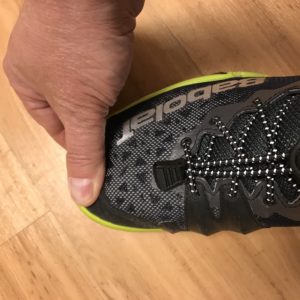
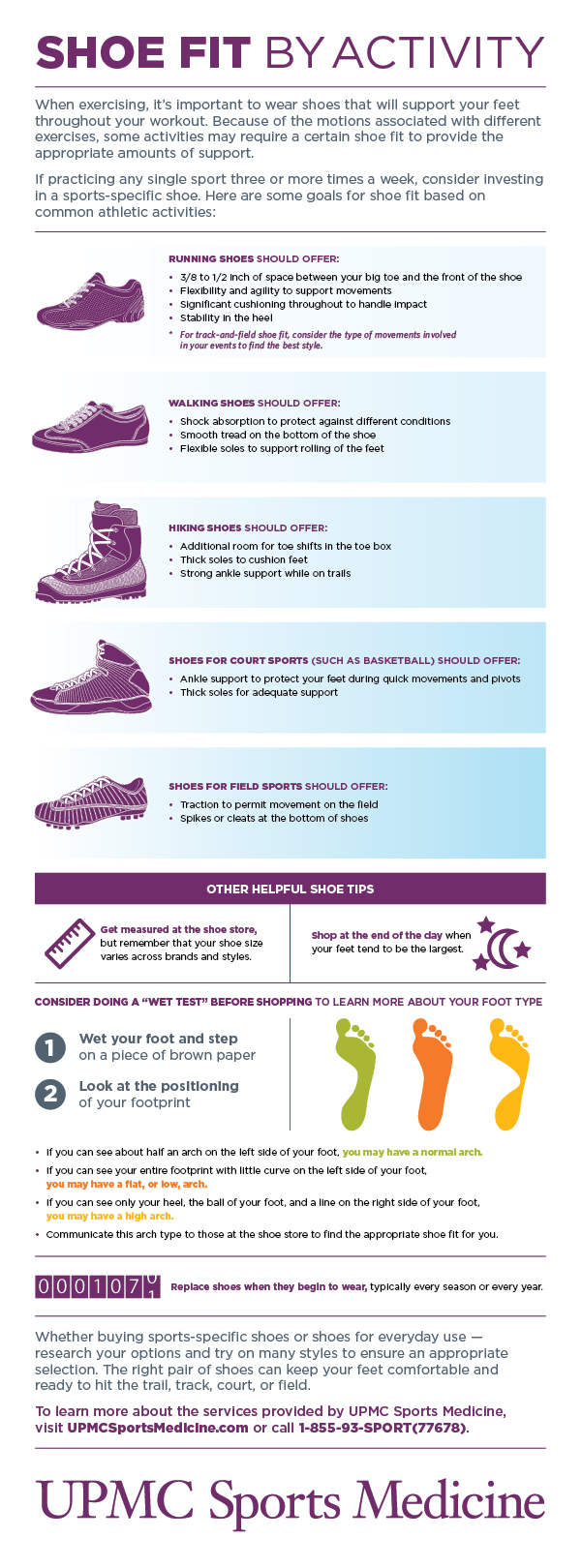
- Length: Your longest toe should be about a thumb’s width from the front. Too short causes black toenails. Too long lets your foot slide.
- Width: The shoe should feel snug across the ball of the foot without pinching. If your foot bulges, try a wider size.
- Heel: The heel should sit firm and not lift more than a tiny fraction when you walk. Heel slip leads to blisters and instability.
- Midfoot: The arch area should feel locked down. A secure midfoot prevents internal sliding and improves control.
- Toe box: You need room to curl toes. A roomy toe box prevents bruised toes and discomfort during sprints.
- Flex: The shoe should bend where your foot bends. If it bends too easily at the wrong spot, it won’t support quick turns.
- Cushion and support: Tennis shoes need durable lateral support. Cushion should feel responsive, not mushy.
- Break-in: Tennis shoes may soften slightly after play. They should not require painful break-in.
When you ask how should tennis shoes fit, use this checklist every time.
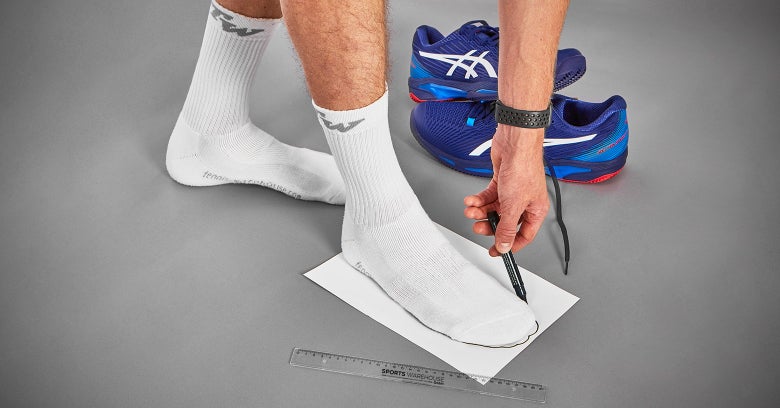
How to measure your foot at home
Measuring is simple and accurate if you follow steps.
- Wear the socks you play in and stand on a sheet of paper.
- Trace your foot while standing, keeping weight on it.
- Mark the heel and longest toe and measure the length in inches or centimeters.
- Measure width across the ball of the foot.
- Compare measurements to the shoe brand’s size chart and consider half sizes or widths.
Measuring helps you answer how should tennis shoes fit before you buy online.

Trying shoes on: in-store and online tips
Testing is where you confirm fit. Follow a routine for good results.
- Try shoes late in the day when feet are slightly swollen to get realistic size.
- Wear the socks you plan to use for tennis.
- Lace shoes fully and stand, then walk and sprint a few steps.
- Do a few lateral shuffles and quick stops to test stability.
- For online orders, buy from retailers with easy returns and try both your usual size and a half size up or down.
When wondering how should tennis shoes fit, simulate on-court movements when trying them on.
Common fit problems and simple fixes
You will run into fit issues. Most have easy fixes.
- Heel slip: Use a heel-lock lacing pattern or try a thinner sock. If it persists, try a different last or narrower heel.
- Tight toes: Try a half size up or a shoe with a wider toe box. Stretching tools can help minor tightness.
- Narrow midfoot: Use insoles with thinner profiles or try shoes labeled narrow or standard depending on fit.
- Blisters: Ensure proper sock choice, use lubricants or blister patches, and double-check lacing pressure.
- Arch pain: Try supportive insoles or shoes built for higher arch support.
Knowing how should tennis shoes fit helps you choose the right fix fast.

Fit by foot type and play style
Different feet need different fits. Match shoe fit to your foot and how you play.
- Wide feet: Look for wide or roomier toe boxes and wider lasts. Stability is still essential.
- Narrow feet: Seek a snug heel and midfoot. Consider brands known for narrower fits.
- High arches: Choose shoes with arch support or add an orthotic for comfort and stability.
- Flat feet: Look for stability features and motion control to reduce overpronation.
- Aggressive movers: Players who slide and cut need a secure midfoot and stiff lateral support.
Ask how should tennis shoes fit for your foot type. Then test shoes that match your needs.
My experience: mistakes I made and lessons learned
I once bought a flashy pair that felt tight in the store. I ignored the thumb rule about toe room. After a month I had two bruised toenails. I switched brands and a half size up and played pain-free.
Lesson learned: trust measurements, test on-court moves, and don’t buy shoes that feel tight expecting them to stretch. My best advice is to try shoes before long matches and keep an older pair for practice.

When to replace tennis shoes
Shoes wear out and stop protecting your feet. Watch for signs.
- Midsole feels flat and less responsive.
- Outsole tread on the lateral side is worn unevenly.
- You feel more joint pain or blisters than usual.
- Heel counter is crushed or no longer holds the heel.
- After 40–60 hours of intense court use, consider replacement.
Replace shoes when they no longer feel right. This keeps play safe and fast.

Frequently Asked Questions of how should tennis shoes fit
How tight should tennis shoes be?
Tennis shoes should feel snug but not painful. You want no slip and a thumb’s width of space in front of your longest toe.
Can tennis shoes be too loose?
Yes. Loose shoes let your foot slide and cause blisters and instability. Aim for a secure midfoot and firm heel.
Should my heel lift when I run?
A tiny heel lift is normal, but more than a finger’s width is too much. Excess heel lift causes blisters and less control.
Is a wide toe box better for tennis?
A wider toe box helps toes splay during sprints and stops. If you have wide feet or notice toe pain, choose a roomier toe box.
How do I know if I need orthotics?
If you feel persistent arch pain, overpronation, or discomfort after trying supportive shoes, orthotics can help. Test with over-the-counter insoles first and consult a specialist if pain continues.
Conclusion
A proper fit boosts comfort, speed, and longevity on court. Remember the basics: thumb’s width at the toe, snug midfoot, secure heel, and room to move. Measure, test movement, and don’t ignore fit signals from your feet. Try these tips at your next shoe shopping trip, and you’ll play better with fewer aches. Share your fit wins or questions below, or subscribe for more gear and fit advice.

Rubel Miah is the Senior Editor at MyStyleGrid.com, where he brings a sharp editorial eye and an unshakable love for fashion to everything he does. A true style addict, Rubel lives and breathes trends, from streetwear to high fashion, and has a knack for turning inspiration into impactful stories. With years of experience in fashion journalism and digital media, he curates content that empowers readers to express themselves through style. When he’s not editing features or forecasting the next big thing, you’ll find him hunting down vintage pieces or capturing street style moments around the city.