Use gentle soap, a soft brush, and careful spot-cleaning to protect delicate Rene Caovilla soles.
I’ve worked with delicate designer shoes for years and I’ll walk you through how to clean bottom of rene caovilla shoes safely and effectively. This guide explains materials, tools, step-by-step cleaning, stain removal, and long-term care so you can restore soles without harming crystals, metallic finishes, or fine leather. Read on for clear, tested advice that preserves value and beauty.

Why caring for the soles matters
Rene Caovilla shoes are luxury pieces. The bottom of the shoe affects comfort, grip, and resale value. Cleaning soles the right way keeps the shoe balanced and prevents damage that can spread to uppers or heel tips.
Cleaning also helps you spot wear early. That way you can fix heel tips or resoles before major repair is needed. I recommend gentle regular care rather than harsh, infrequent treatments.
Understand the materials on Rene Caovilla soles
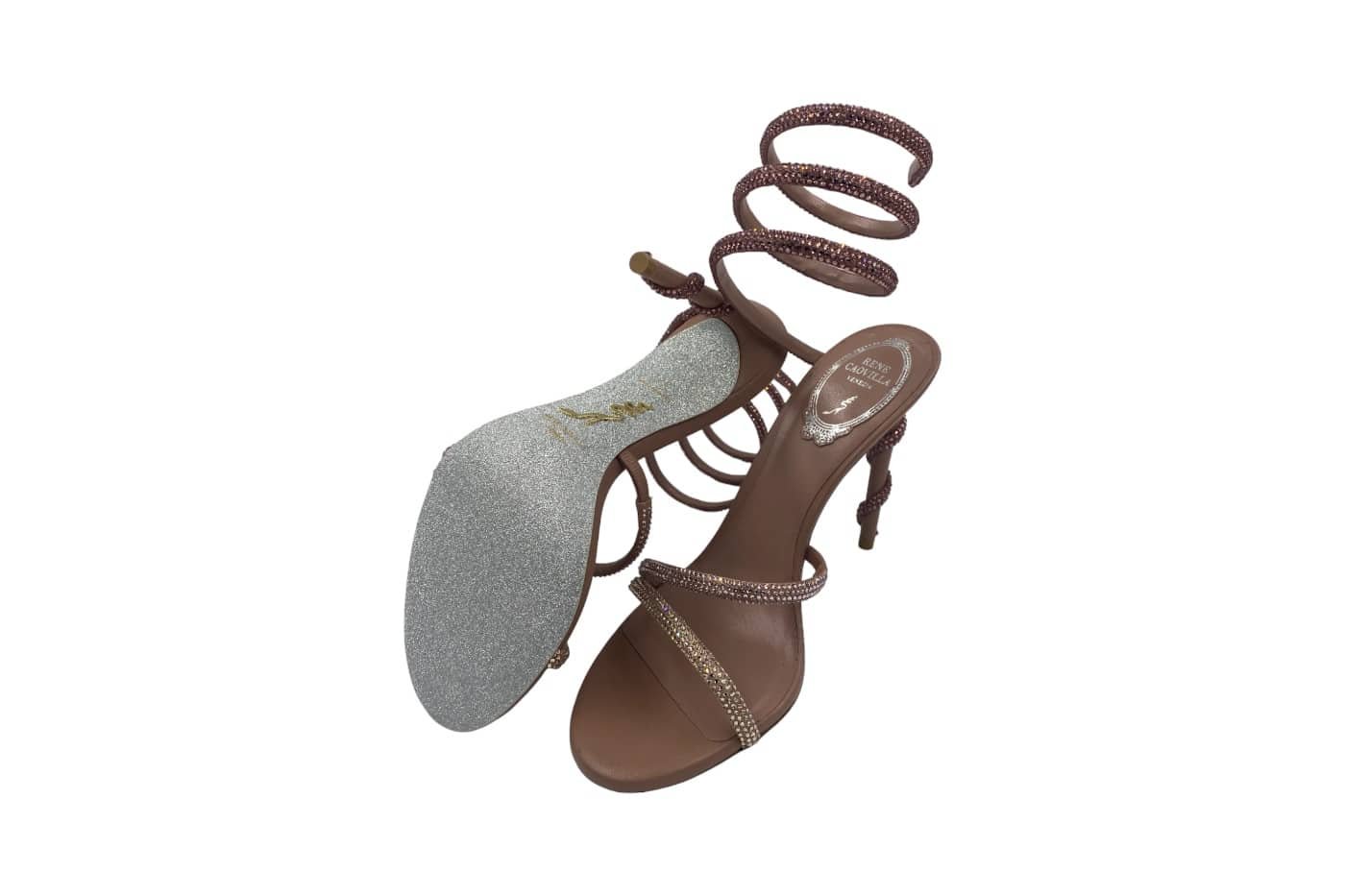
Rene Caovilla soles can include leather, suede, metallic finishes, rubber inserts, and sometimes glued-on crystal details near the edge. Each material needs a different approach when learning how to clean bottom of rene caovilla shoes.
Leather soles react badly to soaking. Metallic or painted soles scratch easily. Suede on the sole requires dry brushing. Identify the sole material before you start, and test any cleaner on an unseen spot first.
Tools and supplies you'll need
- Soft-bristled toothbrush or suede brush for light scuffs.
- Microfiber cloths that won’t shed.
- Mild liquid soap or pH-neutral saddle soap in small amounts.
- Cotton swabs for precision work.
- Eraser block for light marks on leather.
- Rubbing alcohol diluted for gummy residue (use sparingly).
- Sole protector pads or clear rubber sole adhesive.
- Optional: professional leather cleaner and conditioner for leather soles.
Have these at hand before you begin cleaning how to clean bottom of rene caovilla shoes. Good tools make the job safer and faster.

Step-by-step: How to clean bottom of Rene Caovilla shoes
- Prepare the area and inspect the sole.
- Work on a clean, flat surface with good light.
- Remove loose dirt by tapping heels together over waste or using a soft brush.
- Dry-clean first for delicate finishes.
- Gently brush suede or soft surfaces dry; do not use water on suede.
- For leather: mix a drop of mild soap in a cup of water. Dip a microfiber cloth and wring well.
- Wipe the leather sole with the damp cloth. Keep moisture low to avoid warping.
- For painted or metallic soles: use a barely damp cloth or a dry microfiber to prevent rub-off.
- For sticky residue: use a cotton swab with a little rubbing alcohol, testing first out of sight.
- Buff dry with a clean microfiber cloth and let the shoes air-dry flat away from heat.
When practicing how to clean bottom of rene caovilla shoes, proceed slowly and stop if the finish shifts or discolors. Re-test and consult a pro for severe issues.

Deep cleaning and stubborn stains
For dark scuffs on leather soles, use an eraser block gently, then follow with a light soap wipe. For oil stains, sprinkle cornstarch, let sit overnight, then brush off and continue with a mild soap wipe.
Glue or tar can often be softened with careful application of rubbing alcohol, followed by a gentle scrape with a plastic card. For paint transfer from pavement, try a specialized leather cleaner or take the shoes to a professional conservator. Avoid acetone or strong solvents because they can strip finishes and damage adhesives.
How to protect and maintain soles after cleaning
Apply sole protectors or thin rubber pads to reduce wear and keep the bottom clean. Use heel tip replacement early; worn tips can damage the structure of the heel. Store shoes upright in dust bags and rotate wear to let soles rest.
For long-term care, have a trusted cobbler add a thin top rubber layer to leather soles if you plan to wear the shoes often. This is a standard step to keep designer shoes usable while preserving original soles beneath.

Common mistakes to avoid
- Using too much water, which can warp leather soles.
- Scrubbing hard with stiff brushes and damaging metallic finishes.
- Applying strong solvents that melt adhesives or lift paint.
- Ignoring early heel tip wear, which leads to structural damage.
- Skipping a patch test on hidden areas before cleaning the visible sole.
Avoiding these errors will make how to clean bottom of rene caovilla shoes safer and more effective.

Personal experience and tips
I once restored a pair with worn leather soles and faint paint transfer. Gentle eraser work plus a light soap wipe and a cobbler-applied rubber protector saved them. My key lesson: slow patience beats aggressive cleaning.
When I test products, I always clean one shoe first and wait 24 hours. That small check saved me from ruining a metallic sole finish once. If you value a pair, consider professional care for major stains or structural repairs.
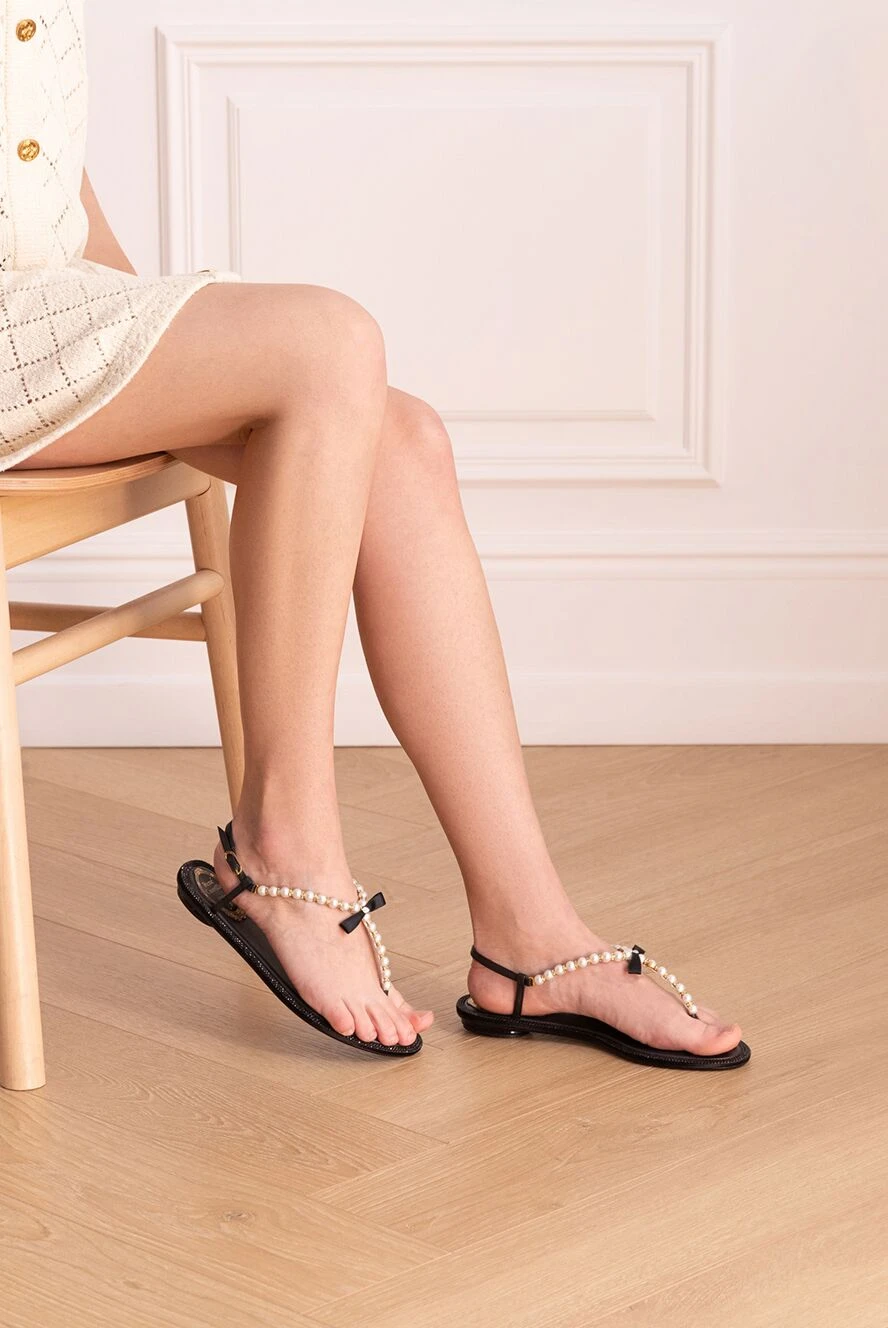
Frequently Asked Questions of how to clean bottom of rene caovilla shoes
How often should I clean the soles of Rene Caovilla shoes?
Clean soles lightly after every few wears to remove dirt. Deep clean only when needed to avoid overworking delicate finishes.
Can I use household cleaners on Rene Caovilla soles?
Avoid strong household cleaners and bleach. Use mild soap or products made for leather and test first on an unseen area.
Are waterproofing sprays safe for these shoes?
Use waterproofing cautiously and only on compatible materials. Avoid sprays on metallic or painted soles unless the product specifies compatibility.
What should I do about sticky residue on the sole?
Use a cotton swab with diluted rubbing alcohol and test a small spot first. For persistent residue, seek a professional cobbler.
Can I use a shoe protector for everyday wear?
Yes. Thin rubber sole protectors are a smart investment to preserve originals and make walking safer on slick surfaces.
Conclusion
Caring for the bottom of your Rene Caovilla shoes means working slowly, using the right tools, and knowing the sole material before you start. Follow the steps here and protect the sole with a cobbler-applied layer or sole protectors to extend life and value. Try the gentle methods first, rotate your shoes, and consult a pro for tough stains or repairs. If this guide helped, consider subscribing for more shoe care tips or leave a comment with your questions — I’ll help troubleshoot.

Rubel Miah is the Senior Editor at MyStyleGrid.com, where he brings a sharp editorial eye and an unshakable love for fashion to everything he does. A true style addict, Rubel lives and breathes trends, from streetwear to high fashion, and has a knack for turning inspiration into impactful stories. With years of experience in fashion journalism and digital media, he curates content that empowers readers to express themselves through style. When he’s not editing features or forecasting the next big thing, you’ll find him hunting down vintage pieces or capturing street style moments around the city.