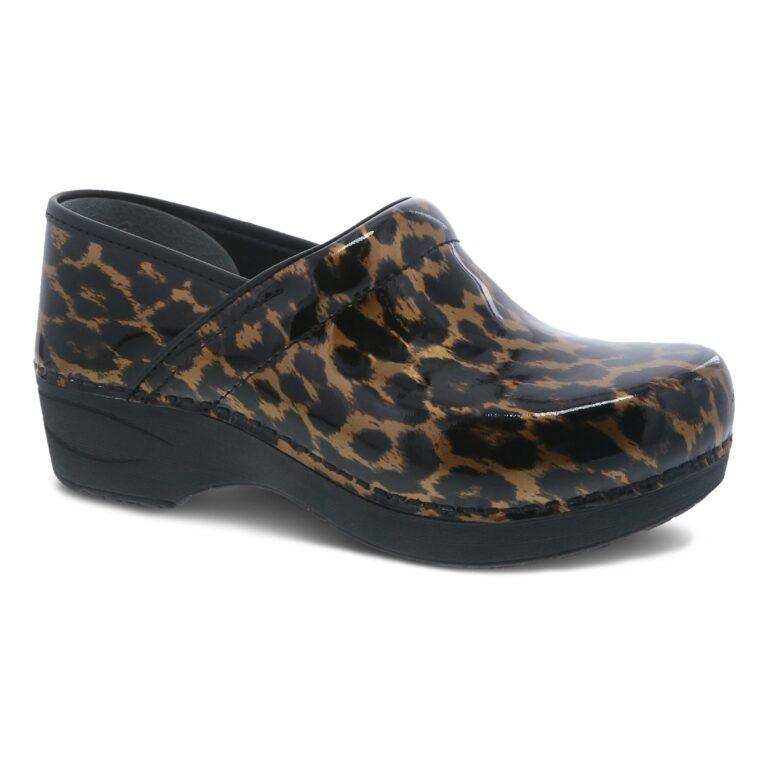
If you wear Dansko clogs, you know how comfortable and durable they are. But keeping them clean can be tricky, and dirty shoes can affect both their look and lifespan.
I live in my Danskos—through long shifts, rainy days, and grocery runs. I’ve learned what works, what ruins leather, and how to make a quick clean look like a pro job. You want your clogs to stay fresh and last longer without spending hours scrubbing. In this guide, you’ll discover simple, effective steps to clean your Dansko clogs quickly and easily. By the end, your favorite shoes will look almost new again—and you’ll feel confident every time you step out.
Ready to bring your clogs back to life? Let’s get started.
Prepare Your Supplies
Preparing your supplies is the first step to clean Dansko clogs properly. Having everything ready saves time and makes the cleaning process smooth. It helps to avoid interruptions and ensures you use the right products. Over the years, this prep step has saved me a lot of mess and mistakes.
Gather Cleaning Materials
Start by collecting soft brushes or old toothbrushes to remove dirt. Grab a clean cloth or sponge for wiping the surface. Have a bowl or bucket to mix water and cleaning solution. Keep paper towels handy for drying the clogs after cleaning. Avoid rough tools that can scratch the clog’s surface.
- Soft brush or horsehair brush (for uppers) and firm-bristle brush (for outsoles)
- Microfiber cloths (lint-free for a streak-free finish)
- Old toothbrush or cotton swabs for seams and grooves
- Bowl of warm water and a small sponge
- Paper towels or reusable shop towels
- Optional: suede/nubuck brush and eraser (for suede styles)
- Optional: leather conditioner or balm (for leather and oiled leather)
- Optional: waterproofing spray designed for leather or suede
- Optional: cedar shoe trees or newspaper for drying and odor control
Choose The Right Cleaning Solutions
Pick mild soap or dish detergent to clean the clogs gently. Avoid harsh chemicals like bleach or strong detergents that can damage the material. You can use warm water to help dissolve dirt and stains. For stubborn spots, a mixture of baking soda and water works well. Always test any solution on a small area first to check for damage.
- pH-neutral soap or a drop of mild dish soap for general cleaning
- Saddle soap (for smooth leather only, not suede or nubuck)
- Baking soda paste (for scuffs and light stains)
- White vinegar and water (1:1) for salt stains on leather
- Enzyme-based spray for odor on footbeds and fabric linings
- 70% isopropyl alcohol on a cloth to sanitize outsoles (do not soak leather)
Eco-Friendly And Safe Options
If you prefer greener choices, try diluted castile soap for light cleaning. Baking soda helps with odors. White vinegar can tackle salt rings. These options are gentle and budget-friendly, and they work well on most clog materials when used sparingly.
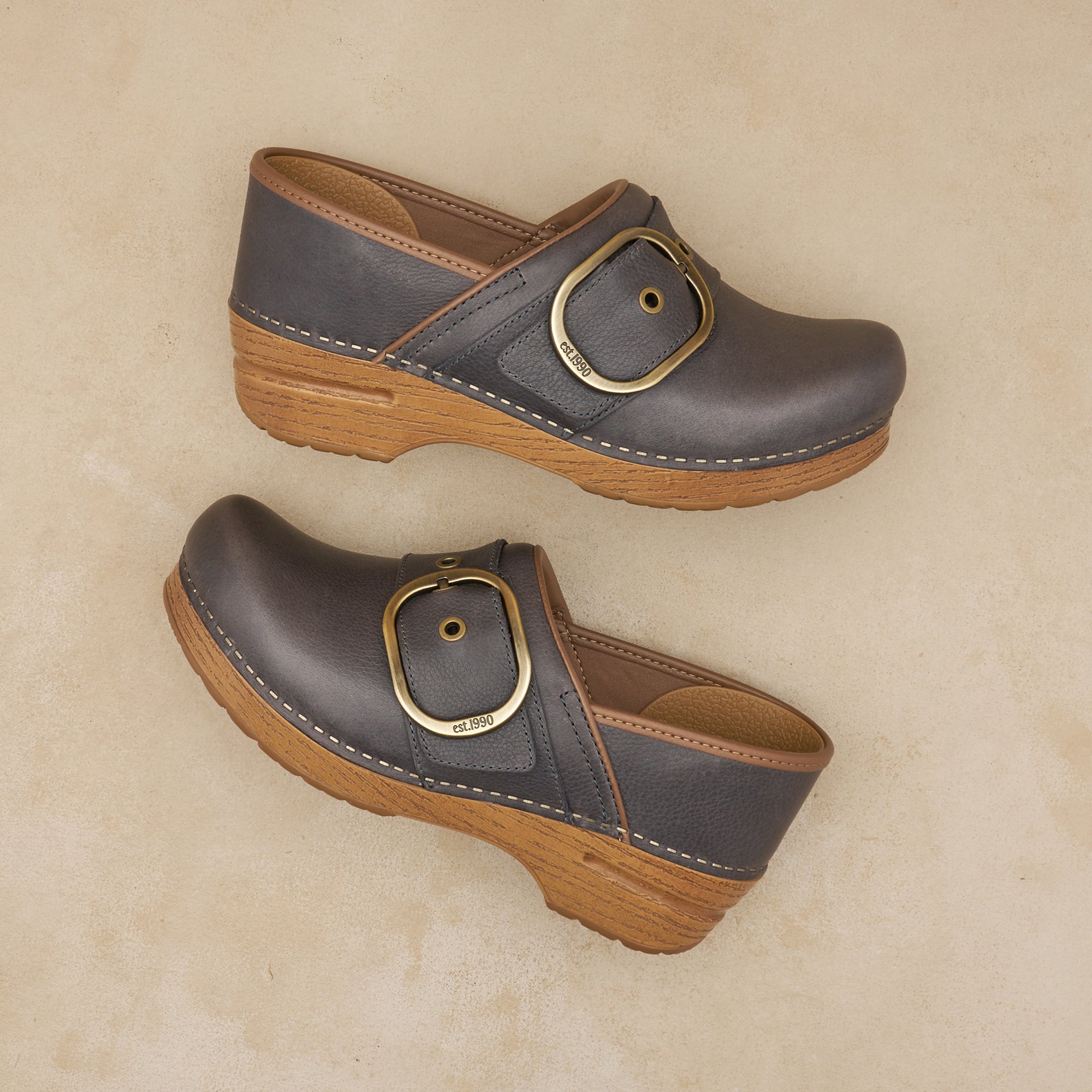
Credit: dansko.com
Remove Loose Dirt
Removing loose dirt is the first step to clean Dansko clogs properly. Dirt and dust can build up on the surface and make your shoes look old. Clearing away this dirt helps keep your clogs fresh and ready for deeper cleaning later. I do this after every heavy shift—it takes one minute and saves me work later.
Brush Off Debris
Start by using a soft brush to remove dirt from your clogs. Gently brush the outside and inside surfaces. Pay attention to the seams and edges where dirt hides. Use light strokes to avoid damaging the material. This step removes large particles and dust.
Pro tip: Hold the clog upside down while brushing the outsole. This helps grit fall out of the treads instead of moving back onto the upper.
Wipe With A Dry Cloth
After brushing, take a clean, dry cloth. Wipe your clogs gently to pick up any leftover dirt. Use a cloth that does not leave lint behind. This step makes sure the surface is clean and smooth. It prepares your clogs for the next cleaning steps.
Identify Your Clog Material (Before Deep Cleaning)
Not all Dansko uppers are the same. Knowing your material helps you choose the right method and avoid damage.
- Smooth leather: clean with mild soap, condition, and polish.
- Oiled leather: clean gently and treat with an oiled leather restorer (not shiny polish).
- Patent leather: wipe and buff; avoid wax polishes that cloud the glossy finish.
- Nubuck or suede: dry clean with a suede brush and eraser; use suede protector.
- Synthetic/vegan: use pH-neutral soap and a soft cloth; skip leather conditioners.
Check your style name on the brand site if you’re unsure. A quick material check prevents costly mistakes.
Clean The Leather Upper
The leather upper of Dansko clogs needs gentle care to stay soft and strong. Cleaning this part carefully keeps the shoes looking good for a long time. Avoid harsh chemicals that can dry or damage the leather.
Use soft cloths and simple cleaning solutions. Treat the leather often to keep it from cracking or fading. This helps maintain the shoe’s natural shine and comfort.
Use Mild Soap And Water
Start by mixing a small amount of mild soap with warm water. Dip a soft cloth into the mix and wring it out well. Gently wipe the leather surface to remove dirt and stains.
Do not soak the leather. Use light, circular motions to clean it. After wiping, use a dry cloth to remove any moisture. Let the clogs air dry away from direct heat or sun.
If you spot salt stains, dab with a 1:1 white vinegar and water mix. Wipe clean, then dry. For oil spots, use a tiny dab of baking soda paste, rub gently, and wipe away.
Apply Leather Conditioner
Once the leather is dry, apply a leather conditioner. Use a clean cloth to rub a small amount onto the surface. This keeps the leather soft and prevents cracking.
Massage the conditioner evenly across the upper. Allow it to absorb for several minutes. Buff the leather with a dry cloth for a smooth finish. Repeat this process regularly to protect your clogs.
Choose a neutral conditioner or balm for most colors. For oiled leather, pick a product labeled for “oiled” or “waxed” finishes for the best look and feel.
Care For Patent, Oiled Leather, Nubuck/Suede, And Vegan Uppers
Patent Leather
Wipe with a damp microfiber cloth and mild soap. Dry right away. For scuffs, rub a drop of mineral oil or a patent leather cleaner on a soft cloth and buff. Avoid wax polishes or abrasive pads—they can cloud the glossy finish.
Oiled Leather
Brush off dirt first. Wipe with a slightly damp cloth. When dry, work in a small amount of oiled leather restorer or beeswax-based balm. This revives the matte look and hides scuffs. Do not use shiny cream polishes on oiled leather.
Nubuck And Suede
Keep water to a minimum. Lift dirt with a suede brush using short, gentle strokes. For shiny spots or light stains, use a suede eraser. Finish with a suede/nubuck protector spray to guard against water and stains.
Synthetic/Vegan Uppers
Clean with pH-neutral soap and warm water. Wipe dry. Skip leather conditioners; they won’t absorb. A light silicone-free protective spray can help repel stains.
Clean The Insoles
Cleaning the insoles of your Dansko clogs helps keep them fresh and comfortable. Dirt and sweat build up inside the shoes over time. This can cause bad smells and reduce the life of your clogs.
Focus on the insoles regularly to maintain good hygiene. It also improves how the shoes feel on your feet.
Remove Insoles If Possible
Take out the insoles before cleaning. Most Dansko clogs have removable insoles. Pull them out gently to avoid damage. This step lets you clean them better. It also helps the inside of the clogs dry faster.
Spot Clean With Gentle Detergent
Use a soft cloth or brush with mild detergent. Dab the dirty spots on the insoles carefully. Avoid soaking the insoles in water. Too much water can ruin their shape. Rinse the cloth and wipe again to remove soap. Let the insoles air dry completely before putting them back.
Disinfect Without Damaging Support
If you work in healthcare, food service, or labs, wipe the insole surface with a cloth lightly dampened with 70% isopropyl alcohol. Do not saturate foam. Let it air dry. For stubborn odor, use an enzyme spray made for footwear and allow full dry time.
Odor Control And Sanitizing
Fresh clogs feel better and last longer. Simple odor care goes a long way.
- Sprinkle baking soda inside overnight. Tap it out in the morning.
- Use cedar shoe trees to absorb moisture between wears.
- Rotate pairs if you’re on your feet daily. Dry time matters.
- After messy shifts, wipe outsoles with a cloth and mild soap. Finish with a light alcohol wipe for sanitation.
- Avoid heavy perfumes. Target the source with enzyme sprays instead.
Clean The Outsoles
Cleaning the outsoles of Dansko clogs keeps them looking fresh and extends their life. Dirt and grime build up quickly on the soles. Regular cleaning stops damage and keeps the soles grippy. Follow these steps to clean the outsoles well.
Scrub With A Brush
Start by removing loose dirt with a soft brush. Use a brush with firm bristles to scrub the outsole. Focus on grooves and edges where dirt hides. Apply gentle pressure to avoid damaging the sole. A toothbrush works well for tight spots. This step breaks down stuck-on mud and debris.
For greasy buildup, a drop of dish soap in warm water helps. Use a wooden skewer to lift tiny stones from treads if needed.
Rinse And Dry Thoroughly
Rinse the outsole with clean water to wash away loosened dirt. Avoid soaking the entire clog to protect the upper materials. Use a cloth to wipe excess water from the sole. Let the clogs air dry completely before wearing again. Drying prevents mold and keeps the outsole firm. Place them in a cool, ventilated area to dry.
Restore Grip
If your soles feel slick, deep-clean the treads with soap and a firm brush. Rinse well and dry. Clean treads improve slip resistance on wet floors—a big help for nurses and chefs.
Drying Techniques
Drying your Dansko clogs properly helps keep them in good shape. It prevents damage and bad smells. Using the right drying methods also makes your clogs last longer. Here are some easy ways to dry your clogs safely.
Avoid Direct Heat
Keep your clogs away from direct heat sources. Do not place them near heaters, ovens, or fireplaces. Heat can cause the leather and materials to crack or shrink. Let your clogs dry at room temperature instead. This way, the shape stays intact and the material stays strong.
Use Newspaper To Absorb Moisture
Stuff your clogs with crumpled newspaper. The paper soaks up moisture inside quickly. Change the newspaper every few hours for faster drying. This method helps the inside dry without causing damage. It also reduces bad odors by removing dampness.
Speed Up Drying Safely
Set clogs in front of a fan to move air through the footbed. Add silica gel packets or cedar shoe trees to pull moisture out. Avoid hairdryers or direct sun.
Maintain Shine And Protection
Maintaining the shine and protection of your Dansko clogs keeps them looking new. It also helps the leather last longer. Proper care prevents cracks and dullness. Follow simple steps to polish and shield your clogs.
Polish The Leather
Start by cleaning the clogs with a soft cloth. Use a leather cleaner to remove dirt and stains. Let the clogs dry completely before polishing. Apply a small amount of leather polish using a clean cloth. Rub gently in circular motions to spread the polish evenly. This restores the leather’s shine and smoothness. Allow the polish to dry for about 10 minutes. Buff the surface lightly with a soft brush or cloth for extra shine.
Use neutral polish for most colors. For black or brown, a color-matched cream can hide tiny scuffs.
Apply Waterproof Spray
Choose a waterproof spray made for leather shoes. Hold the spray about 6 inches from the clog. Spray evenly over the entire surface to create a protective layer. This helps repel water and stains. Let the clogs dry naturally in a cool, dry place. Avoid direct sunlight or heat sources. Reapply the spray every few weeks to keep protection strong. This simple step extends the life of your Dansko clogs.
Recondition Oiled Leather
For oiled finishes, skip shiny polishes. After cleaning, apply a small amount of oiled leather conditioner. Let it soak in, then buff lightly with a dry cloth for a smooth, matte look.
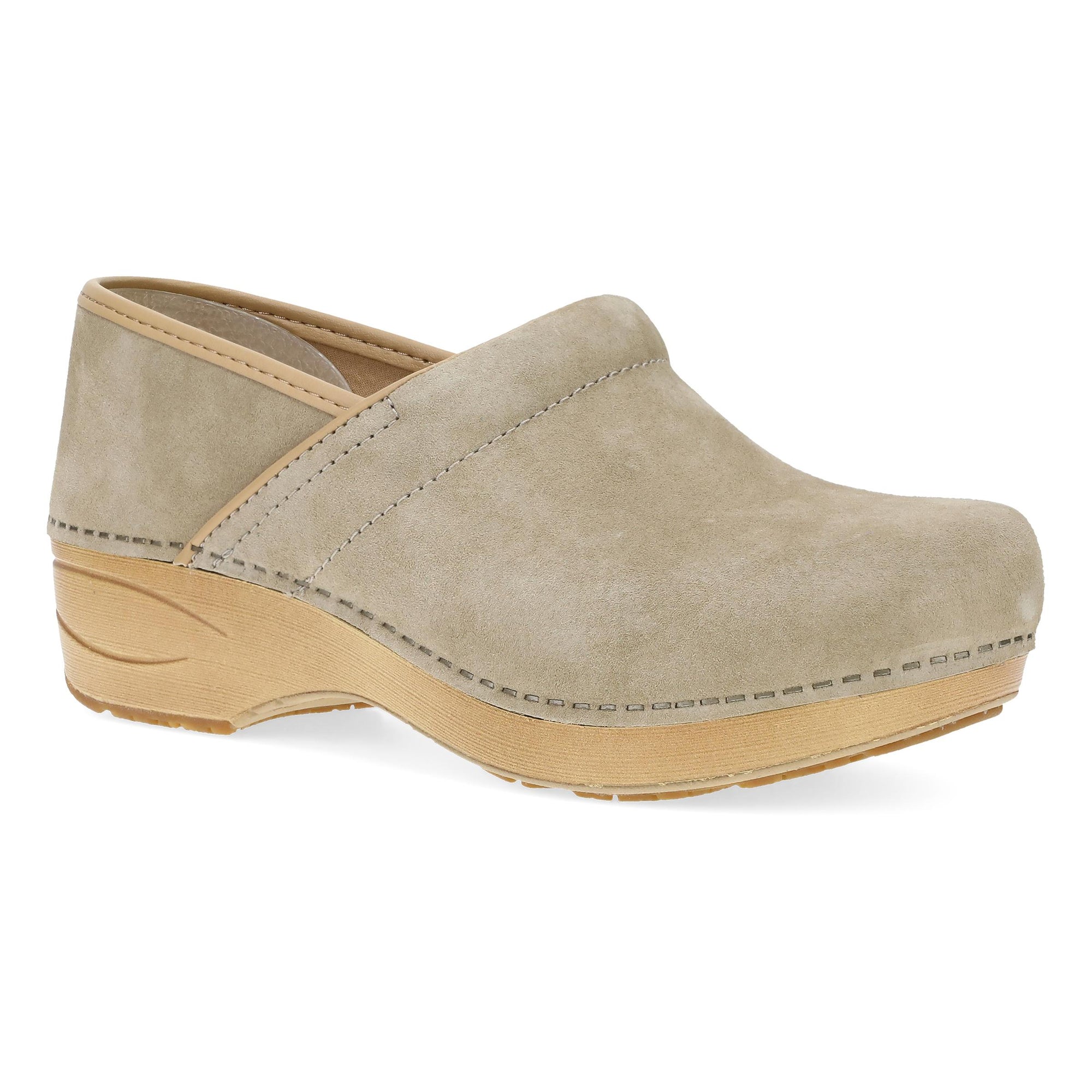
Credit: dansko.com
Tips For Long-lasting Clogs
Keeping your Dansko clogs in good shape helps them last longer. Proper care protects the material and maintains comfort. Follow simple tips to keep your clogs clean and fresh.
Regular Cleaning Schedule
Clean your clogs often to remove dirt and sweat. Use a soft brush or cloth to wipe off dust. Mild soap and water work well for spot cleaning. Avoid soaking the clogs in water. Let them air dry completely after cleaning. Regular cleaning prevents stains and bad odors.
- Wipe uppers after heavy use to stop buildup.
- Brush outsoles weekly to keep traction sharp.
- Condition leather monthly, or more often in dry climates.
- Use a protector spray at the start of wet seasons.
Proper Storage Methods
Store clogs in a cool, dry place away from sunlight. Avoid damp areas to stop mold and mildew. Keep them in a shoe rack or box to keep their shape. Use shoe trees or stuff with paper to prevent creases. Proper storage keeps clogs looking new and comfortable.
Seasonal Storage And Travel Tips
Before storing for a season, clean and condition. Add cedar shoe trees and place them in a breathable bag. When traveling, use a shoe bag to protect the leather and keep the rest of your gear clean.
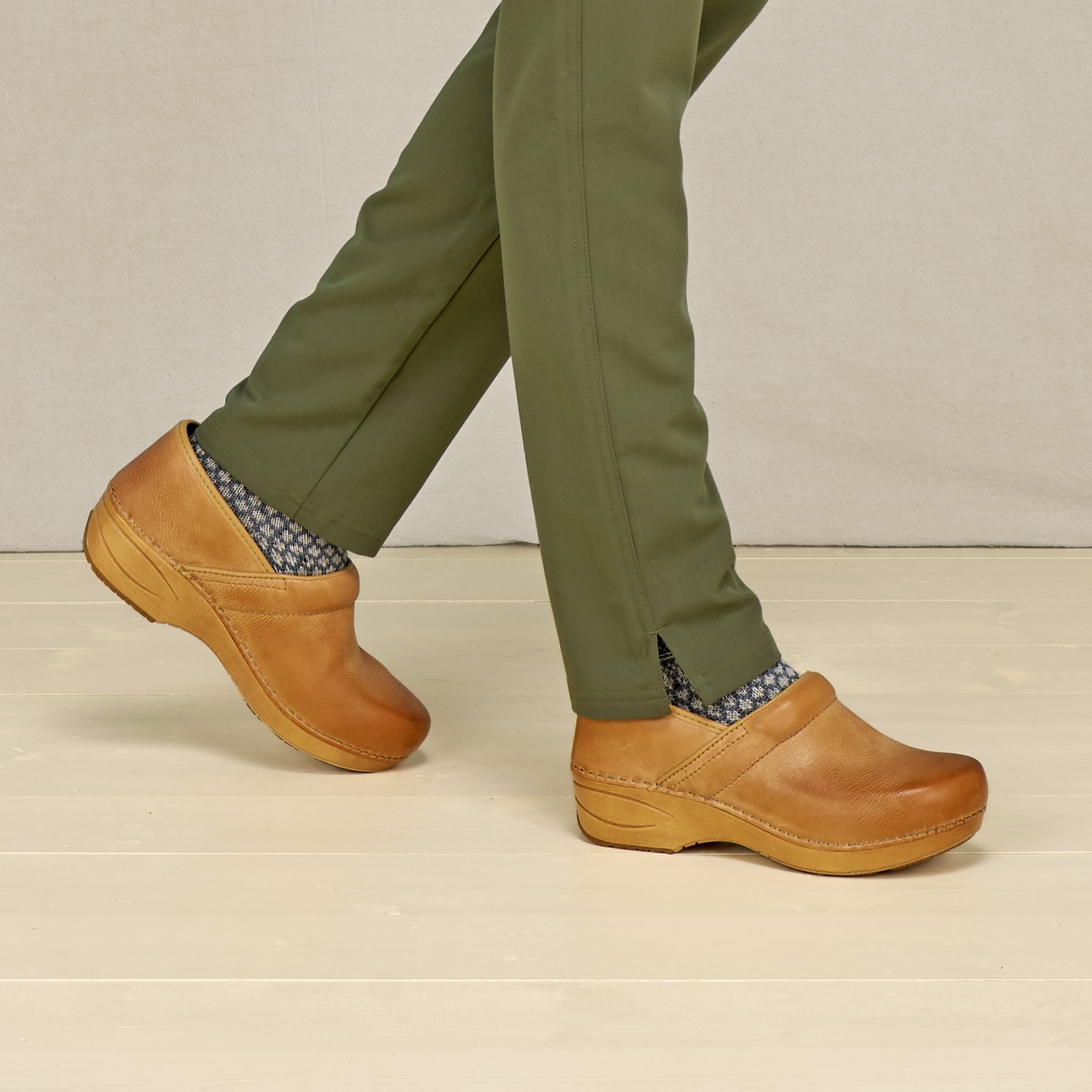
Credit: dansko.com
Quick 5‑Minute Refresh (Between Shifts)
- Brush off dust and grit.
- Wipe uppers with a damp microfiber cloth.
- Clean treads with a toothbrush to restore grip.
- Lightly mist insoles with enzyme spray. Let air dry.
- Stuff with newspaper for 10–15 minutes if damp.
Targeted Stain Removal
- Salt rings: dab with a 1:1 vinegar and water mix, wipe, then dry.
- Oil/grease: apply baking soda paste, wait 10 minutes, wipe clean.
- Ink: touch with a cotton swab and a tiny bit of rubbing alcohol; blot, don’t rub. Test first.
- Food dyes: use mild soap and warm water; repeat gentle passes.
Always spot test on an inner edge. Stop if color lifts.
What Not To Do
- Do not machine wash or machine dry.
- Do not soak leather or suede.
- Avoid bleach, ammonia, acetone, and harsh solvents.
- No direct sunlight, radiators, or hairdryers.
- Skip abrasive pads and powders that scratch.
- Do not use cooking oils on leather—they turn rancid and stain.
Frequently Asked Questions
How Do I Clean The Leather On Dansko Clogs?
Use a soft cloth with mild soap and water to gently clean leather. Avoid soaking the leather. Dry with a towel and apply leather conditioner to keep it soft.
Can I Wash Dansko Clogs In A Washing Machine?
No, avoid machine washing. It can damage the clog’s structure and materials. Hand cleaning is safer and preserves their durability.
How Do I Remove Stubborn Stains From Dansko Clogs?
Use a soft brush and mild soap for stains. Gently scrub the area and wipe with a damp cloth. Repeat if necessary and air dry.
What Is The Best Way To Dry Dansko Clogs After Cleaning?
Air dry your clogs at room temperature. Avoid direct heat or sunlight to prevent cracking or warping of materials.
Can I use saddle soap on my clogs?
Yes, but only on smooth leather. Use it sparingly, then condition. Do not use on suede, nubuck, or patent leather.
How often should I condition leather clogs?
About once a month with regular wear, or anytime leather looks dry. In dry or cold climates, condition a bit more often.
Are Dansko clogs waterproof?
Most styles are not fully waterproof. Apply a leather or suede protector to improve water resistance. Reapply every few weeks in wet seasons.
How do I keep white or light outsoles looking clean?
Scrub treads with dish soap and a firm toothbrush. Wipe with a damp cloth and dry. Clean often to prevent stains from setting.
Conclusion
Cleaning Dansko clogs keeps them fresh and comfortable. Use gentle soap and a soft cloth for the best results. Avoid soaking or harsh chemicals to protect the material. Let them dry naturally, away from direct heat. Regular care helps your clogs last longer and stay stylish.
Simple steps make a big difference in clog care. Keep your shoes looking good with easy cleaning habits. With the right routine, you’ll get pro-level results at home—and enjoy wearing clean, well-maintained Dansko clogs every day.

Madison Clark is a footwear expert and the voice behind MyStyleGrid.com. She specializes in honest shoe reviews, style tips, and practical guides to help readers find the perfect pair for any occasion. With years of experience in blogging and content creation, Madison makes footwear knowledge simple, stylish, and easy to follow.